Search Results for: surface prep

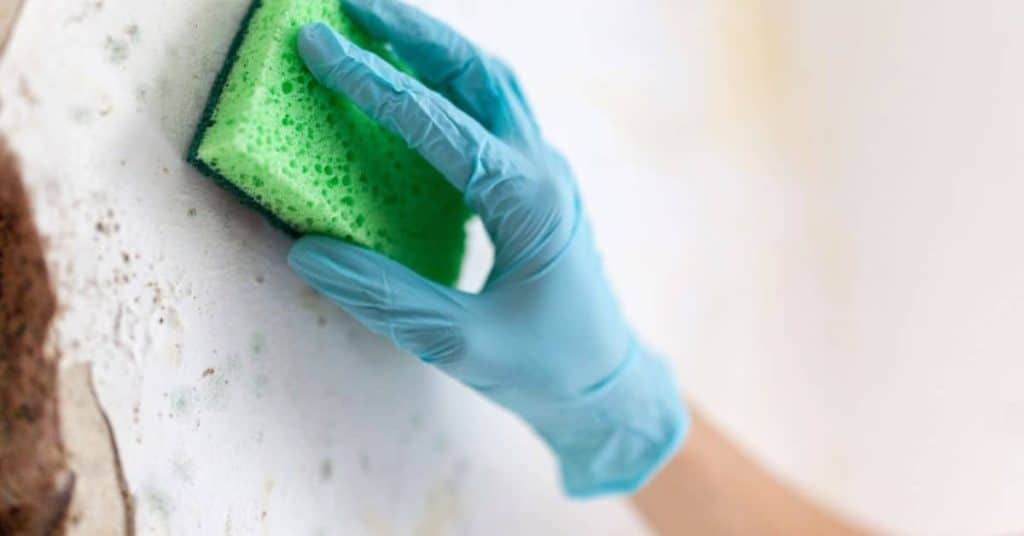
Hand in blue glove scrubbing wall with green sponge

How to Choose a Bathroom Vanity Paint That Survives Water and Cleaning Chemicals

Introduction A bathroom vanity paint that survives water and cleaning chemicals is a moisture-tolerant coating chosen for cabinetry in wet areas. Start by matching your finish to the vanity material and plan proper prep like cleaning, sanding, and priming per manufacturer instructions. Check labels for water resistance and chemical resistance, and follow the guidance on […]

How to Choose a Bathroom Vanity Paint That Survives Water and Cleaning Chemicals Read More »
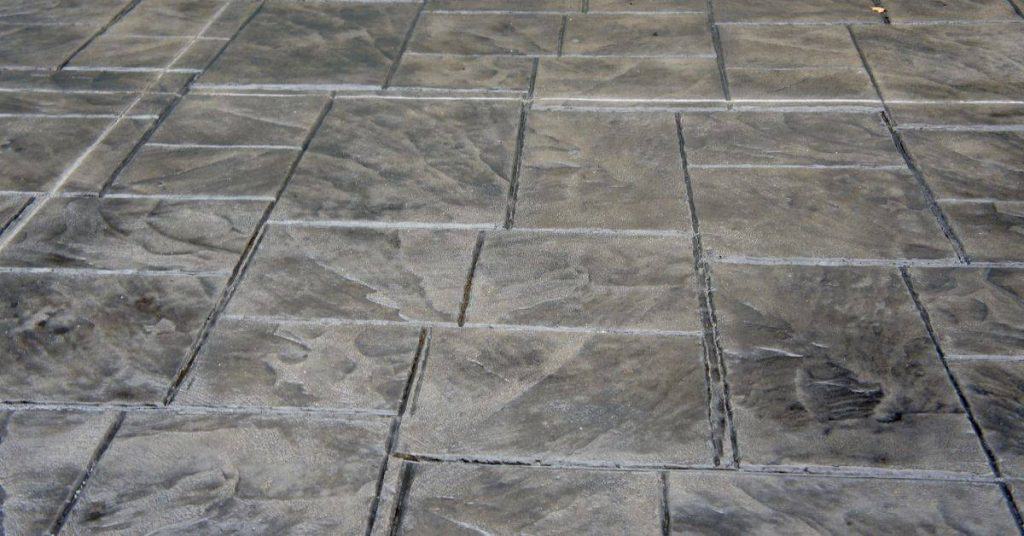
Close-up of textured stamped concrete surface with square pattern

Best Paint Systems for Concrete Block Walls Indoors (Breathability vs. Washability)

Introduction Breathable paint systems allow moisture in the wall to escape while still providing a decorative finish. Washable coatings resist scuffs and stains, but may seal too tight and trap moisture if used improperly. For block walls indoors, balance the needs of humidity, moisture migration, and cleaning ease. Check the product label for breathability ratings

Best Paint Systems for Concrete Block Walls Indoors (Breathability vs. Washability) Read More »

Packed cardboard boxes and household items in sunlit room

Engineered Hardwood Over Concrete: Glue-Down vs. Floating and Vapor Barrier Strategy

Introduction Engineered hardwood over concrete can be installed either glued down or floated, with a moisture plan in place. This is a practical, hands-on topic that matters for a stable floor and a smooth finish. You’ll see how pre-install steps set the stage and what to check before you start cutting or laying material. Choosing

Engineered Hardwood Over Concrete: Glue-Down vs. Floating and Vapor Barrier Strategy Read More »

Person installing wood-look vinyl flooring on adhesive

LVP on Concrete Slabs: Moisture Tests You Can Do and Underlayment Choices

Introduction LVP on concrete slabs means laying luxury vinyl plank over a concrete floor while evaluating moisture in the slab and picking an underlayment that suits the job. It’s a practical DIY approach, not a showpiece install, so you’ll want to verify dryness and choose materials that tolerate the conditions you’re working with. Expect to

LVP on Concrete Slabs: Moisture Tests You Can Do and Underlayment Choices Read More »

Hand holding grout float applying grout on mosaic tiles

Regrouting vs. Grout Refresh vs. Grout Stain: Which Fix Fits Which Problem

Introduction Regrouting, grout refresh, and grout stain are three ways to fix failing grout, each serving different needs. Regrouting means removing the old grout and putting in new grout where the joints have deteriorated. Grout refresh is a surface cleaning and sealing approach for grout that’s not structurally broken but looks dingy, while grout stain

Regrouting vs. Grout Refresh vs. Grout Stain: Which Fix Fits Which Problem Read More »

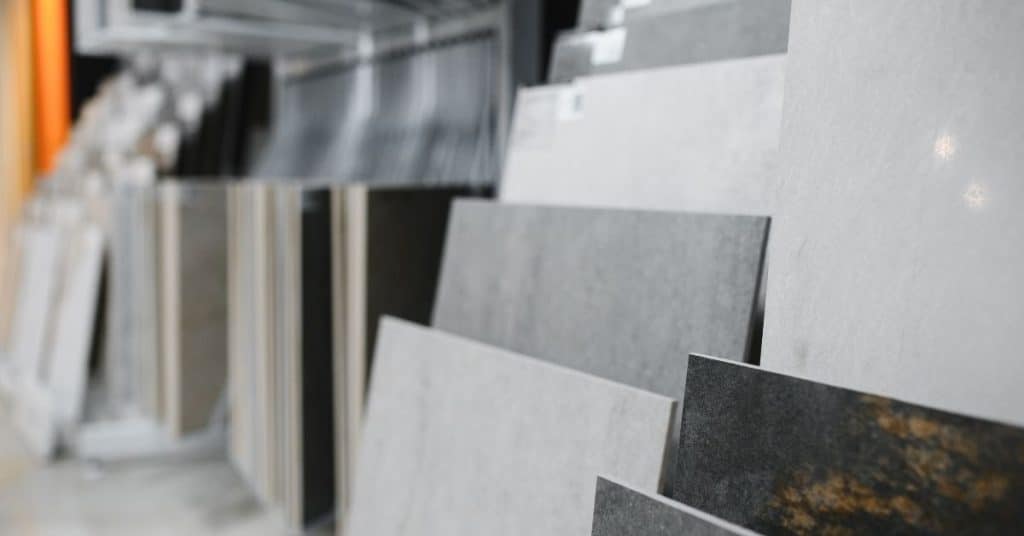
Various large tile samples displayed upright in a store

Tile Ledger Boards in Showers: How to Mount Them Without Puncturing Waterproofing

Introduction A tile ledger board is a horizontal support mounted to the shower wall to hold tile while it sets, without puncturing the waterproofing. Before you start, locate studs and check the waterproofing membrane behind the tile area. This guide walks you through a practical, hands-on approach you can do with common tools. Plan your

Tile Ledger Boards in Showers: How to Mount Them Without Puncturing Waterproofing Read More »

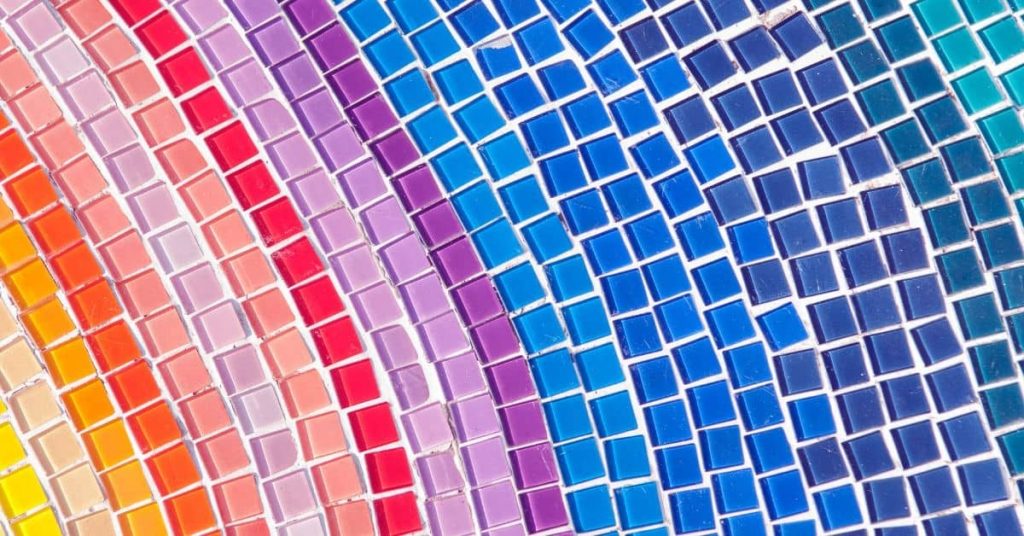
Colorful glass mosaic tiles arranged in a curved pattern

How to Set Glass Mosaic Tile Without Seeing Trowel Lines (Trowel + Backing Tricks)

Introduction It’s about using the right trowel choice, backing, and pressing technique to hide visible trowel marks on glass mosaic tile. You’ll work in small, well-prepped patches and back-butter the tile to help transfer even mortar. Keep the substrate flat, clean, and dry as you set each piece. About CTEF is one of the core

How to Set Glass Mosaic Tile Without Seeing Trowel Lines (Trowel + Backing Tricks) Read More »

spiked roller on freshly applied epoxy floor coating

Epoxy Thinset vs. Cement Thinset: Where Epoxy Is Worth It (and where it’s trouble)

Introduction Epoxy thinset is a two‑part adhesive that uses epoxy as the binder, offering a tougher, more chemical‑resistant bond than plain cement thinset. In DIY terms, it sets slower and can be trickier to mix and apply, so it’s not always the best choice for every job. Check manufacturer instructions for mixing ratios, pot life,

Epoxy Thinset vs. Cement Thinset: Where Epoxy Is Worth It (and where it’s trouble) Read More »

Man laying floor tiles on cement base in room

Installing Ditra-Heat or Similar Uncoupling Heat Membranes: Common DIY Mistakes

Introduction Installing Ditra-Heat or similar uncoupling membranes is a DIY method to protect tile from cracks by decoupling the tile from the substrate. Common mistakes include rushing layout, skipping dry fitting, and not verifying the floor is flat and ready. Always check the product label and your local rules before starting. Before laying, pre-lay membrane

Installing Ditra-Heat or Similar Uncoupling Heat Membranes: Common DIY Mistakes Read More »

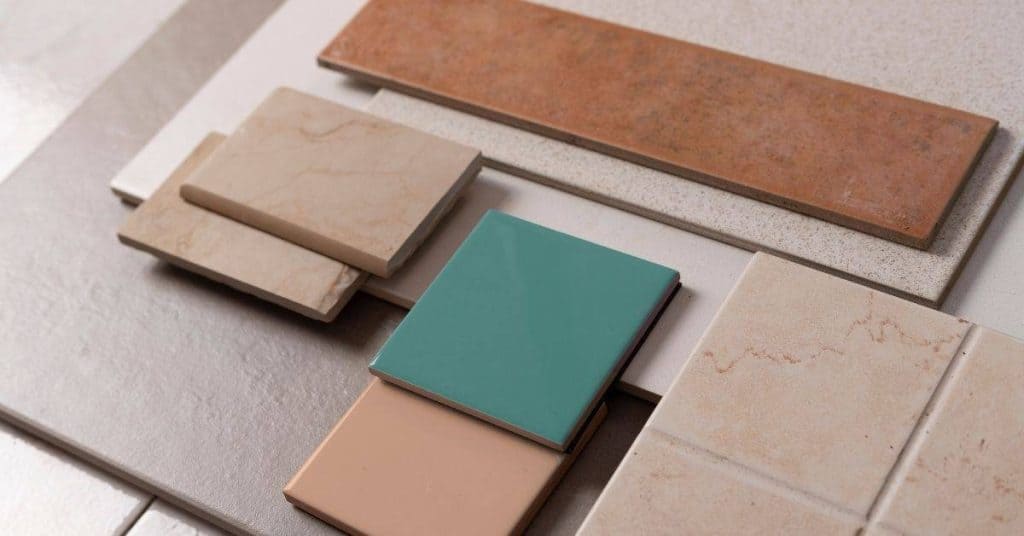
Various ceramic and porcelain tile samples arranged on a surface

Tile Trim Profiles Explained: Metal vs. PVC vs. Bullnose (Clean Edges for DIYers)

Introduction Tile trim profiles are the finishing edges and transition pieces that give tiles a clean, protected edge and smooth corners as you tile a wall or floor. Common options include metal trims (like aluminum or stainless steel), PVC trims, and bullnose edge trims, each with its own look and install feel. The best choice

Tile Trim Profiles Explained: Metal vs. PVC vs. Bullnose (Clean Edges for DIYers) Read More »