Search Results for: surface prep

Bright outdoor porch with painted concrete floor and white furniture

Water-Based Concrete Stains: When They Beat Acid Stains and How to Avoid Lap Marks

Introduction Water-based concrete stains are pigmented finishes that soak into cured concrete and are a better choice than acid stains when you need consistent color, easier cleanup, and safer handling. They work well on slabs where acid reaction is unpredictable or on indoor projects where odor and VOCs matter; check the product label and tech […]

Water-Based Concrete Stains: When They Beat Acid Stains and How to Avoid Lap Marks Read More »

Concrete wall surface with visible spalling damage

Concrete Spalling at Reentrant Corners: How to Cut Relief Joints That Stop Repeat Damage

Introduction Concrete spalling at reentrant corners is surface and edge breakdown where the inside corner of a slab or wall flakes, chips, or crumbles, and relief joints are cuts you make to interrupt stress paths so the same spot doesn’t fail again. In plain terms: you cut a controlled weak line near the corner to

Concrete Spalling at Reentrant Corners: How to Cut Relief Joints That Stop Repeat Damage Read More »

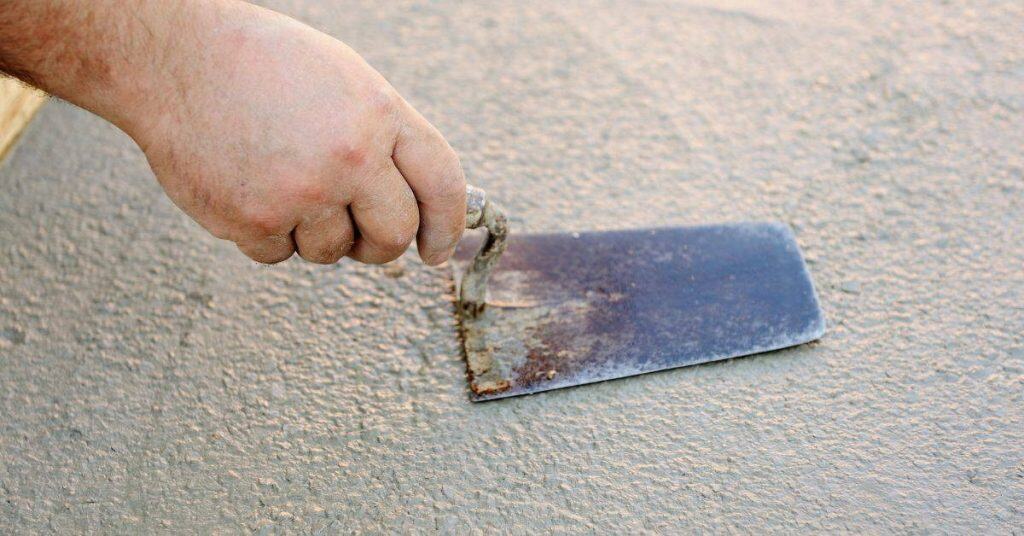
Hand holding a rusty trowel on a stucco surface

Stucco Layers and Purpose: How Each Coat Works and What Failures Look Like When One Is Wrong

Introduction Stucco layers are a sequence of coats—usually a scratch or bonding layer, a brown or leveling layer, and a finish coat—each serving to bond, build thickness, and protect or texture the wall. In plain jobsite terms: the first coat grabs the mesh and substrate, the middle builds out thickness and straightens the plane, and

Stucco Layers and Purpose: How Each Coat Works and What Failures Look Like When One Is Wrong Read More »

Rust-colored paint roller and brushes in paint tray

Why Primer Fails: Common Adhesion and Stain Problems, Simple Tests, and Reliable Fixes

Introduction Primer fails when it cannot stick to the surface or is overwhelmed by stains; in plain terms, failed adhesion and bleed-through mean the primer lost the mechanical or chemical grip it needs or contaminants pushed through. I’ll walk you through what usually causes those problems on a jobsite and how to spot them before

Why Primer Fails: Common Adhesion and Stain Problems, Simple Tests, and Reliable Fixes Read More »

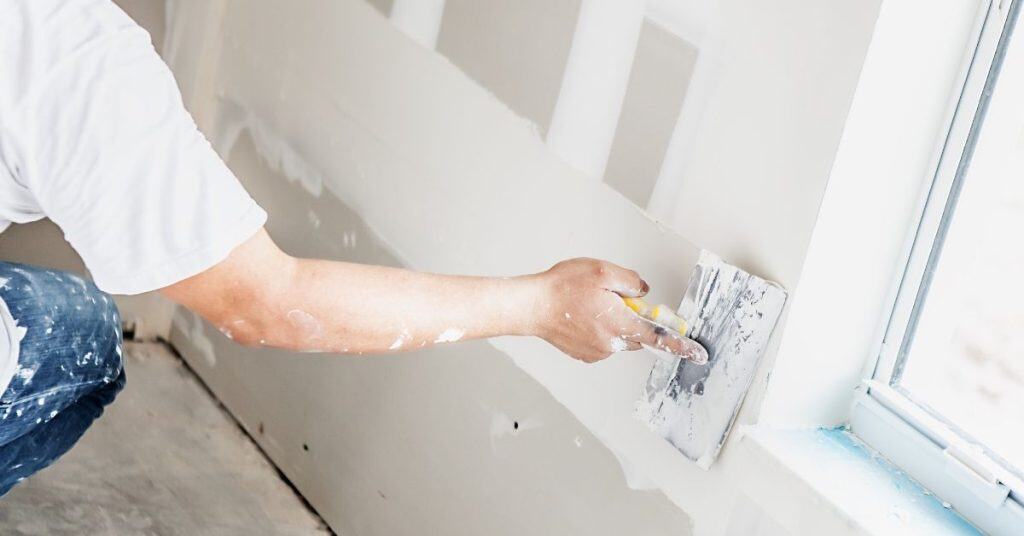
Person applying drywall joint compound near window

Choosing Plaster vs Joint Compound for Repairs: Durability, Sanding, and Paint Finish Differences

Introduction Plaster is a harder-setting wall finish made from cement- or gypsum-based mixes, while joint compound is a softer, gypsum-based product meant for taping and small repairs. For DIYers that means plaster will hold up better in high-traffic areas and where impact resistance matters, and joint compound is easier to apply and feather for small

Choosing Plaster vs Joint Compound for Repairs: Durability, Sanding, and Paint Finish Differences Read More »

Exterior stucco wall with scaffolding and windows

Stucco-to-Window Joint Leaks: Backer Rod Depth, Sealant Profiles, and Flashing Red Flags

Introduction Stucco-to-window joint leaks are failures where the seal between the stucco and the window lets water in, usually from improper backer rod depth, wrong sealant profile, or missing/incorrect flashing. Fixing them is about getting the joint depth right for the backer rod, choosing a compatible sealant, and making sure flashing directs water away from

Stucco-to-Window Joint Leaks: Backer Rod Depth, Sealant Profiles, and Flashing Red Flags Read More »

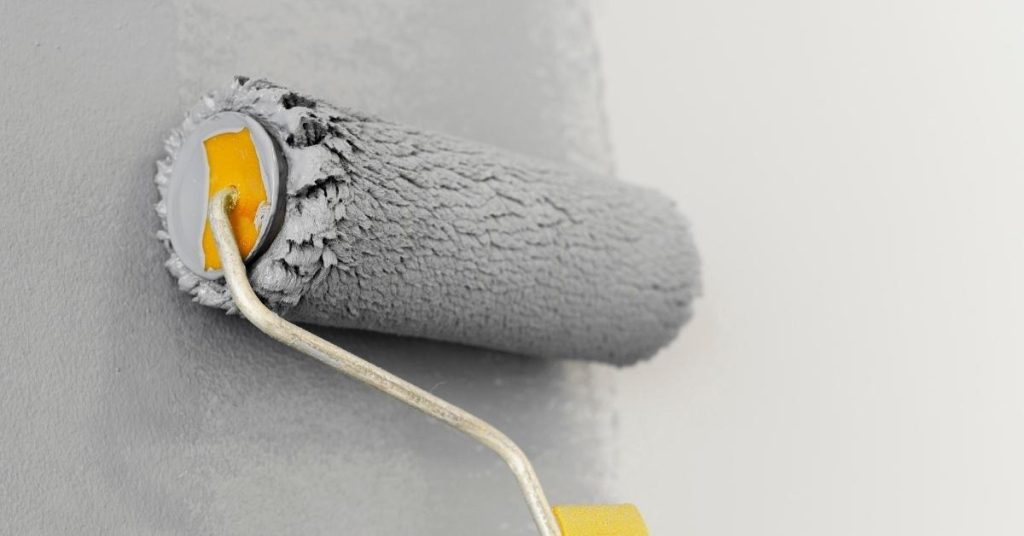
Paint roller applying gray paint on white wall

Rolling Paint Like a Pro: Managing Load, Speed, and Back-Rolling to Eliminate Stipple and Lap Marks

Introduction Rolling paint like a pro means controlling how much paint is on the roller, how fast you move it, and when you back-roll so the finish lays down smooth without stipple or lap marks. Think in practical terms: load the roller evenly, keep a steady, deliberate pace, and follow with a light back-roll while

Rolling Paint Like a Pro: Managing Load, Speed, and Back-Rolling to Eliminate Stipple and Lap Marks Read More »

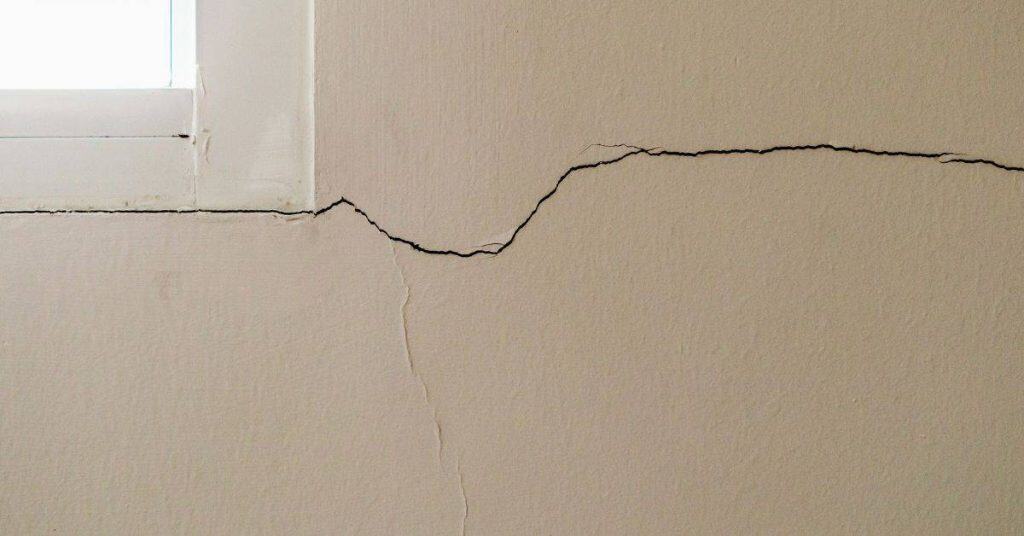
Wall with a long crack near a window frame

Plaster Cracks That Keep Coming Back: Movement Checks, Mesh Options, and Control-Joint Alternatives

Introduction Plaster cracks that keep coming back are usually signs of ongoing movement—either structural, thermal, or moisture-related—rather than a one-off surface failure. In plain terms: fix the movement first, then choose a flexible joint compound or mesh to bridge how much movement you expect and follow the product label for prep and cure times. Check

Plaster Cracks That Keep Coming Back: Movement Checks, Mesh Options, and Control-Joint Alternatives Read More »

Pressure washer cleaning wooden deck surface

Painting After Pressure Washing: How to Tell When Siding and Masonry Are Truly Dry Enough to Prime

Introduction “Dry enough” means the surface has lost visible and tactile moisture and any trapped dampness that would prevent primer from bonding; test by touch, absorbency checks, and following product label guidance. Look for no surface sheen, no dark patches, and no water beading when you flick or blot the material, and when in doubt,

Painting After Pressure Washing: How to Tell When Siding and Masonry Are Truly Dry Enough to Prime Read More »

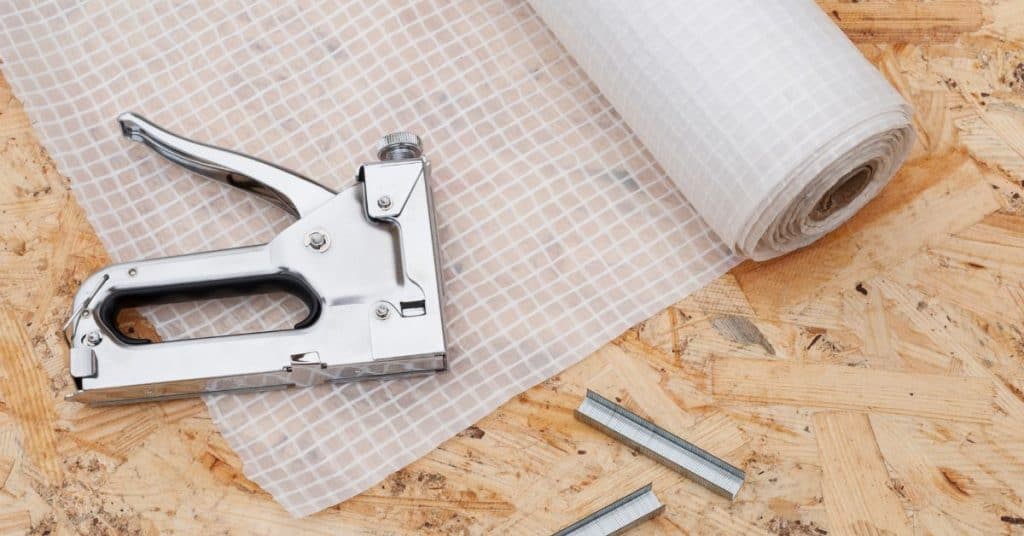
Staple gun beside roll of vapor barrier on plywood.

Vapor Barrier Under Slabs: How to Patch Tears, Seal Penetrations, and Avoid Moisture Bypass

Introduction A vapor barrier under a slab is a continuous sheet of material placed on the ground to stop water vapor from rising into the concrete; it needs to be intact, sealed at overlaps and penetrations, and taped or repaired when torn. Think practical: choose the right class of material for your project and check

Vapor Barrier Under Slabs: How to Patch Tears, Seal Penetrations, and Avoid Moisture Bypass Read More »