Search Results for: surface prep

Wooden concrete formwork with soil inside and wooden braces

Concrete Formwork for Curves: Timeline and Steps by Time

Introduction This procedure is limited to small, low-risk, nonstructural curved work: garden edging, planters, low decorative walls, and similar work with no significant soil pressure, traffic load, surcharge, structural load, or life-safety consequence. The working sequence is layout, select a documented form system or make a mock-up, install and inspect the form, place concrete in […]

Concrete Formwork for Curves: Timeline and Steps by Time Read More »

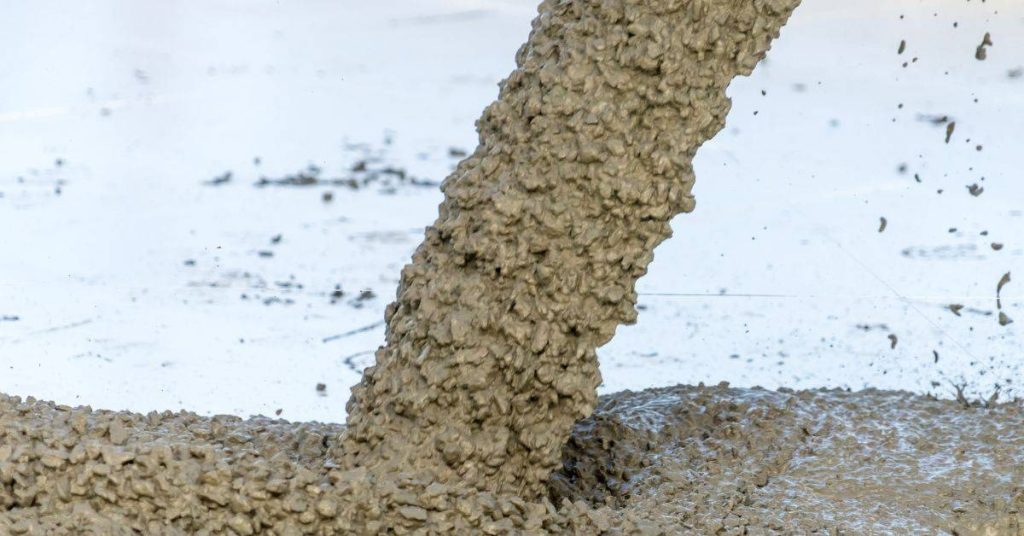
Concrete being poured into wooden forms on construction site

Concrete Mix Water Too Wet: Timeline for Adjustments and Prevention

Introduction If concrete looks too wet, pause before placing it. Do not add more water, dry cement, aggregate, fly ash, slag, or other powder to “balance” the batch. Do not drain the mix. A batch outside its approved specification, delivery ticket, or product instructions should not be placed unless the supplier or responsible concrete professional

Concrete Mix Water Too Wet: Timeline for Adjustments and Prevention Read More »

Concrete porch floor with chairs and small table

Water-Based Concrete Stains: Step-by-Step Timeline and Duration Guide

Water-Based Concrete Stain: DIY Timeline, Drying, and Sealing Steps A water-based concrete stain project is scheduled by product windows and surface readiness—not by a universal number of days. Plan hands-on work for testing, preparation, staining, sealing, and cleanup, then add protected drying and cure periods. Washing, moisture, extra coats, dense concrete, poor airflow, rain, and

Water-Based Concrete Stains: Step-by-Step Timeline and Duration Guide Read More »

Brick chimney with metal flashing on shingled roof

How to Rebuild Stucco at a Chimney Cricket: Flashing Integration Without Leaks

Introduction Rebuilding stucco at a chimney cricket means removing damaged material, repairing the substrate, and re-flashing the cricket so water is directed away from the chimney without leaks. This is a hands-on DIY task that combines cutting back stucco, checking and repairing the underlying sheathing and metal flashing, and installing compatible stucco layers. Before you

How to Rebuild Stucco at a Chimney Cricket: Flashing Integration Without Leaks Read More »

Smooth light blue painted stucco wall surface

Stucco Blisters Under Finish Coat: Causes, Cutback Rules, and Rebuild Steps

Introduction Stucco blisters under the finish coat are pockets of trapped moisture or air beneath the surface layer that lift the finish and can lead to cracking or detachment. In plain jobsite terms, they usually mean water got into the wall system, the assembly dried poorly, or the underlying base or lath bond failed. I’ll

Stucco Blisters Under Finish Coat: Causes, Cutback Rules, and Rebuild Steps Read More »

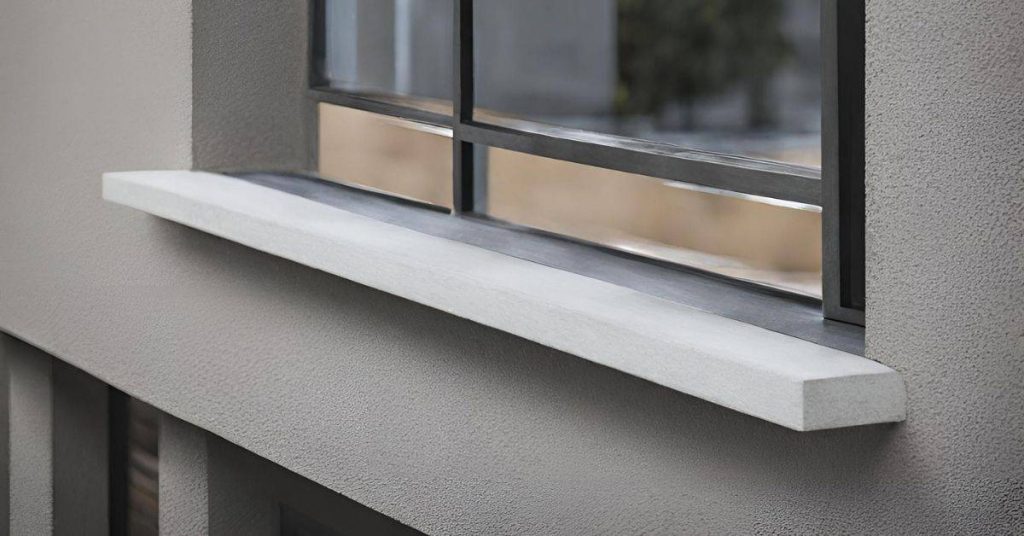
Smooth sandblasted concrete window sill beneath glass window

How to Match a Sandblasted Concrete Finish in a Small Repair

Introduction Matching a sandblasted concrete finish in a small repair means removing the same surface layer and recreating the texture and color so the patch blends with the surrounding slab. This requires cleaning and profiling the repair area, choosing a compatible repair mortar or topping, and using a light abrasive technique to mimic the sandblasted

How to Match a Sandblasted Concrete Finish in a Small Repair Read More »

closeup of textured concrete surface with salt finish

Concrete Salt Finish Patching: How to Recreate the Texture Without Obvious Islands

Introduction Concrete salt finish patching is a way to match the coarse, pocked texture of an existing salt finish by embedding and removing salt or an aggregate substitute so the repair blends in. This job is hands-on: you clean and profile the old concrete, feather the repair edges, and match the mix and timing so

Concrete Salt Finish Patching: How to Recreate the Texture Without Obvious Islands Read More »

Concrete slab being smoothed with a screed tool

Repairing a Concrete Slab with Map Cracking: When to Overlay vs When to Remove

Introduction Map cracking on a concrete slab is a network of shallow, random surface cracks that often signal surface distress rather than full structural failure, and deciding whether to overlay or remove depends on the depth, movement, and underlying cause. If the cracks are shallow, the slab is stable, and there is no significant settlement

Repairing a Concrete Slab with Map Cracking: When to Overlay vs When to Remove Read More »

Wet concrete being poured onto a flat surface

Pouring Concrete Against Existing Asphalt: Joint Detail That Prevents Edge Break

Introduction Pouring concrete against existing asphalt requires a proper joint detail that keeps the concrete edge from chipping and lets the two materials move independently. In plain terms: create a clean separation with a compressible filler and a small gap so freeze‑thaw, traffic, or settling don’t break the concrete edge. Check product labels and local

Pouring Concrete Against Existing Asphalt: Joint Detail That Prevents Edge Break Read More »

Rows of concrete blocks arranged on racks for curing

How to Stop Concrete Patch Color Mismatch: Water Control, Curing, and Tint Options

Introduction Stopping concrete patch color mismatch means controlling water, curing, and surface tinting so the patched area dries and weathers like the surrounding slab. Focus first on water management at the mix and jobsite—too much or too little water changes color and texture, so check product labels and adjust by feel and small test patches.

How to Stop Concrete Patch Color Mismatch: Water Control, Curing, and Tint Options Read More »