Search Results for: stucco patch

Three different paintbrushes in a blue denim pocket

Stucco texturing tools and patterns: how to replicate dash, lace, and sand finishes

Introduction Stucco texturing tools and patterns refer to the tools and methods used to create dash, lace, and sand finishes on stucco surfaces. This introduction explains how different textures are achieved and what to expect during a DIY application. Start by checking local rules and manufacturer instructions for surface prep and safety. The article covers […]

Stucco texturing tools and patterns: how to replicate dash, lace, and sand finishes Read More »

Closeup of red brick and gray mortar joints

Cracks along dissimilar materials in stucco: handling wood-to-masonry movement joints

Introduction Cracks along dissimilar materials in stucco occur where wood and masonry move at different rates, and require a proper movement joint. Identify where wood framing meets masonry and where movement joints are needed to allow for expansion and contraction. Keep the project practical by checking existing joints and following manufacturer or local guidance for

Cracks along dissimilar materials in stucco: handling wood-to-masonry movement joints Read More »

Stucco exterior walls with tile roof under blue sky

Stucco around electrical service: clearances, sealing, and safe mounting methods

Introduction Stucco around electrical service means installing stucco while maintaining safe clearances, sealing around components, and mounting boxes and fixtures correctly. Plan the work to keep access to service fittings and enclosures, and verify what the manufacturer and local rules require. Always check guidance from the hardware or electrical guidance for your area and follow

Stucco around electrical service: clearances, sealing, and safe mounting methods Read More »

Construction worker applying stucco to wall with trowel

Stucco in Hot, Dry Conditions: Misting Schedules and Preventing Rapid Set During Troweling

Introduction Hot, dry weather can shorten stucco working time and pull moisture from a fresh coat before it can be finished and cured correctly. The practical answer is not a universal misting interval: first dampen the substrate as your product requires, keep batches and spreads small while troweling, then begin curing only after the finished

Stucco in Hot, Dry Conditions: Misting Schedules and Preventing Rapid Set During Troweling Read More »

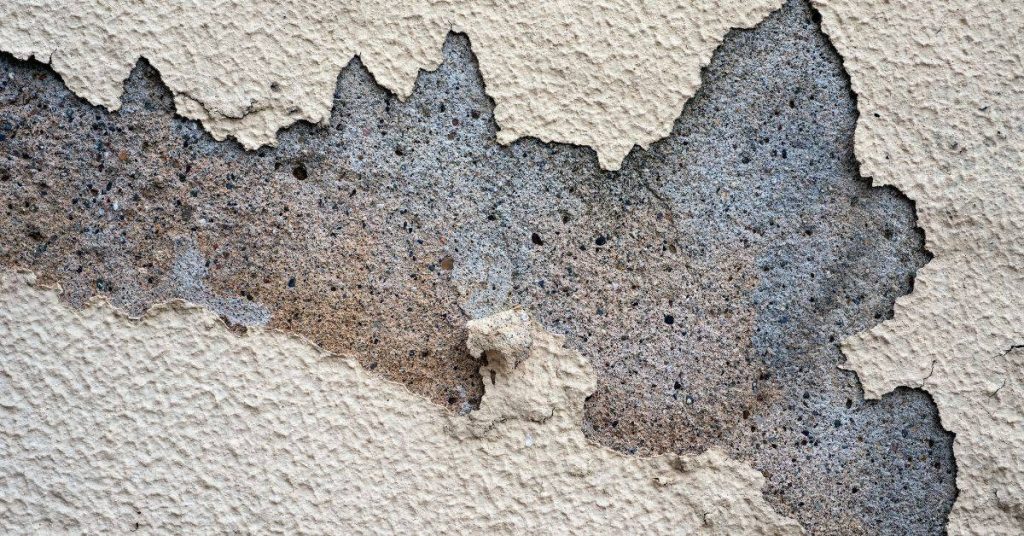
Peeling beige stucco revealing rough concrete underneath

Freeze-thaw damage on stucco base coats: recognizing it early and rebuilding the right way

Introduction Freeze-thaw damage occurs when trapped moisture in stucco base coats freezes and expands, causing cracking and delamination. It can weaken the surface and open pathways for water to enter surrounding layers. Damage often starts on the exterior and can spread if not addressed with proper repairs. Common signs include hairline cracks, chipped or powdery

Freeze-thaw damage on stucco base coats: recognizing it early and rebuilding the right way Read More »

Stucco exterior walls on a house under clear blue sky

Stucco color fade on south walls: UV reality, pigment choices, and repaint intervals

Introduction Stucco color fade on south walls happens when sun exposure and UV light fade the pigment over time. This is common on exterior surfaces that receive strong afternoon sun. Understanding what to expect helps plan when to repaint and what finishes stand up best. Choosing the right paint type and pigment can improve durability

Stucco color fade on south walls: UV reality, pigment choices, and repaint intervals Read More »

Worker spraying white coating onto stucco wall with spray gun

Breathable vs waterproof stucco coatings: choosing paint that won’t trap moisture

Introduction Breathable coatings let moisture escape from the wall while waterproof coatings block water from entering. In practice, choosing between them for stucco means balancing moisture movement with the need for surface protection. Always follow the product label and consider how your climate and surface condition will interact with the coating. Temperature changes can affect

Breathable vs waterproof stucco coatings: choosing paint that won’t trap moisture Read More »

Hand scraping delaminated stucco from wall with scraper

Stucco delamination from paint layers: how to test adhesion before you repaint

Introduction Delamination in stucco paint means the coating is no longer firmly attached to the underlying surface. Testing adhesion before repainting shows whether the surface is ready to be prepped and primed. A quick check helps you plan the cleaning, scraping, and sealing steps. To test adhesion, use a simple peel or lift test on

Stucco delamination from paint layers: how to test adhesion before you repaint Read More »

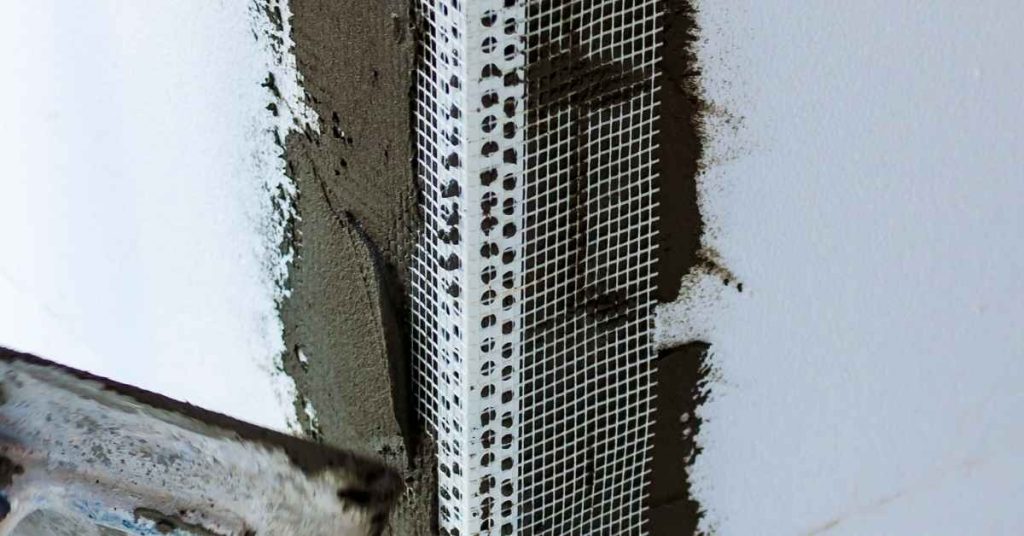
Stucco corner with reinforcing mesh being applied

Cracks at stucco corners: stress points, mesh placement, and how to keep them from returning

Introduction Cracks at stucco corners are stress-related failures at the joints where surfaces meet. They form when the wall moves or settles and the outer layer can’t flex enough. Addressing them starts with understanding where the stress concentrates and how the mesh supports the patch. Repair technique should reinforce corners with proper mesh at joints

Cracks at stucco corners: stress points, mesh placement, and how to keep them from returning Read More »

Close-up of stucco edge with foam insulation and sealant

Bottom edge stucco moisture wicking: diagnosing capillary rise and fixing the drainage plane

Introduction Bottom-edge stucco moisture wicking occurs when capillary rise pulls moisture from the foundation into the lower stucco courses. This guide helps you spot the signs and understand why the drainage plane matters. Look for damp patches, staining, softening, or peeling where the stucco meets the foundation, and check for poor drainage or blocked weep

Bottom edge stucco moisture wicking: diagnosing capillary rise and fixing the drainage plane Read More »