Search Results for: stucco patch

Paint roller applying gray paint on white wall

How to Paint and Finish Correctly (DIY Steps + Stop Rules)

Introduction Painting and finishing correctly means preparing the surface, choosing the right finish, and applying it evenly while protecting surrounding areas. Key takeaways Inspect surfaces for peeling paint and moisture before priming or sealing. Choose primer for substrate and stain-blocking needs per label guidelines. Sand edges and smooth substrate to prevent paint irregularities. Apply thin […]

How to Paint and Finish Correctly (DIY Steps + Stop Rules) Read More »
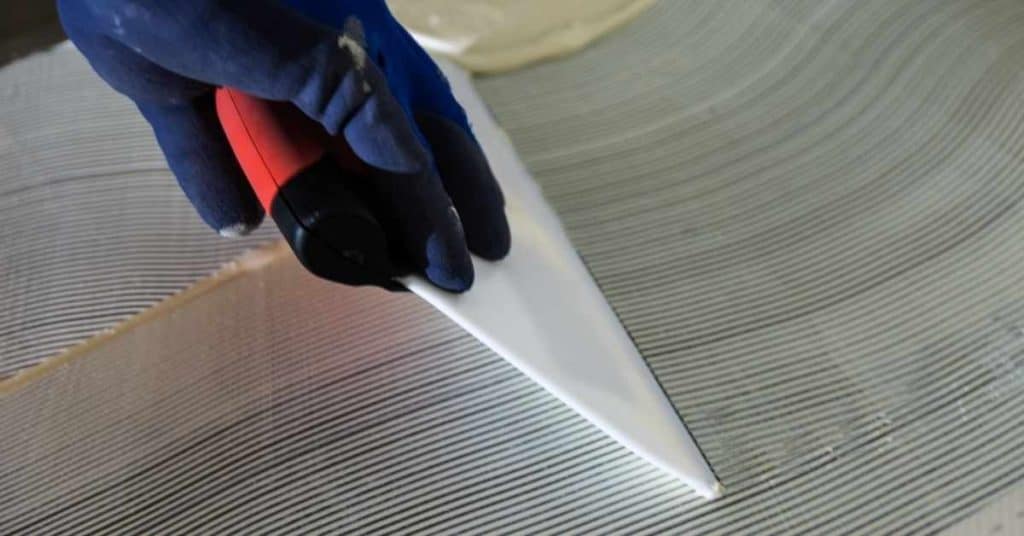
Hand in glove holding notched trowel spreading tile adhesive

Prepping Floors for Tile (Problems Explained: Causes, Testing, and Fixes)

Introduction Prepping floors for tile means making the surface clean, flat, and dry enough so tile adhesive can bond properly. This article walks you through surveying the floor, testing basics, and fixes you can do with standard tools. It’s a hands-on guide, not a lecture, and I’ll point you to what to check on labels,

Prepping Floors for Tile (Problems Explained: Causes, Testing, and Fixes) Read More »

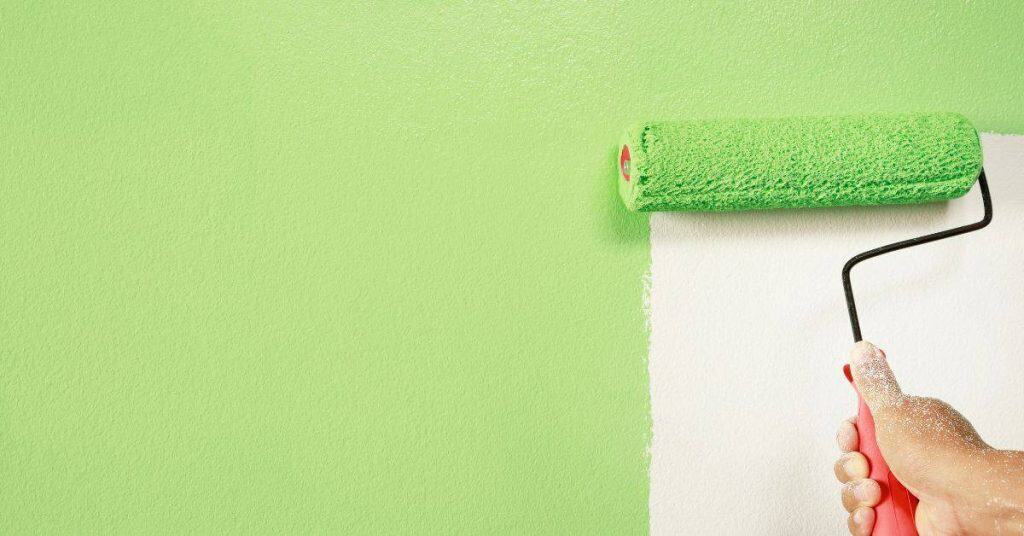
Hand using roller to apply green paint on white wall

10 Tips for a Long-Lasting Paint Job (Problems Explained: Causes, Testing, and Fixes)

Introduction A long-lasting paint job comes from thorough prep, proper materials, and careful application. Start with surface prep to remove peeling paint, clean dirt, and repair cracks, then check the surface for texture and moisture before choosing paint. Choose paint type based on the surface and environment, and read the label for recoat times and

10 Tips for a Long-Lasting Paint Job (Problems Explained: Causes, Testing, and Fixes) Read More »

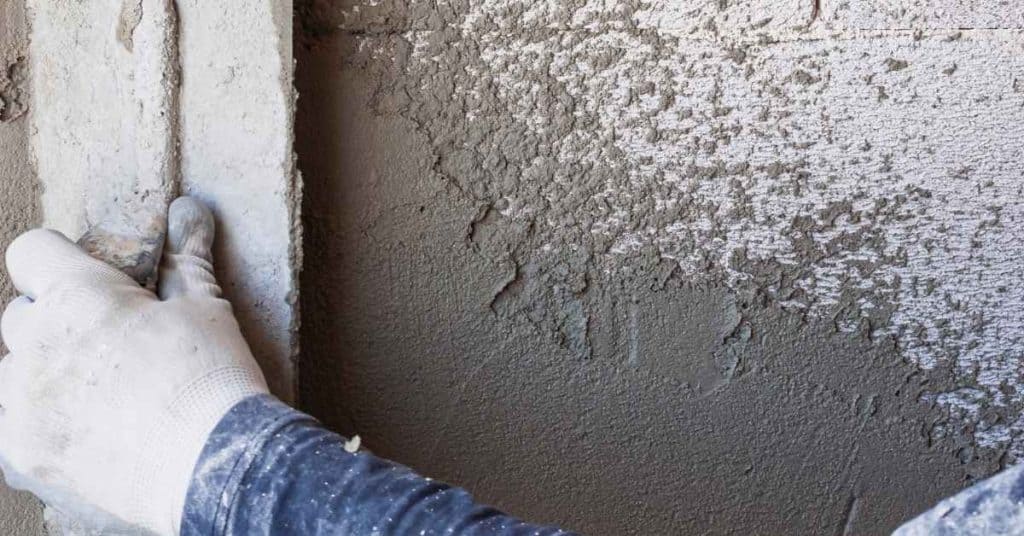
Person applying plaster to wall near window corner

Repairing Cracks at Door and Window Corners: Reinforcement Methods That Stay Invisible

Introduction Invisible reinforcement methods for cracks at door and window corners involve strengthening the surrounding frame and substrate without visible patching. This article covers practical, stay-in-place techniques you can do yourself to keep a tight, long-lasting seal. You’ll identify crack types and choose a method that doesn’t alter the look of the opening. Identify crack

Repairing Cracks at Door and Window Corners: Reinforcement Methods That Stay Invisible Read More »

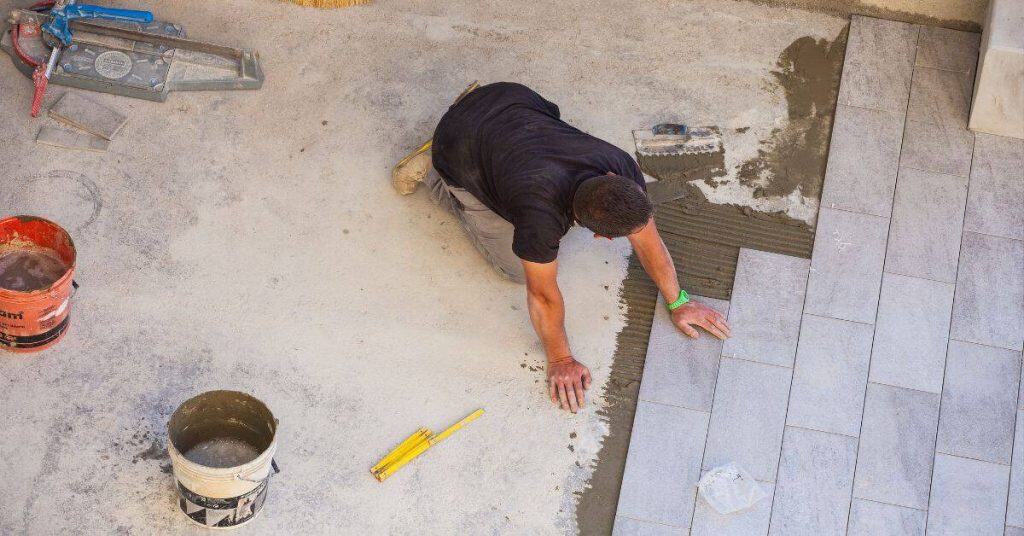
Man kneeling installing rectangular floor tiles

Preventing Hollow Tiles: Spotting Poor Bond Early and Correcting Course

Introduction Hollow tiles occur when the bond between the tile and the substrate fails, leaving empty space behind. You can spot it early by tapping tiles and listening for a dull thud, or feeling movement underfoot. Look for inconsistent grout lines or tiles that crack easily under light load. Correcting course means improving surface prep,

Preventing Hollow Tiles: Spotting Poor Bond Early and Correcting Course Read More »

Hand holding trowel smoothing fresh concrete surface

Trowel Pressure Basics: How to Avoid Ripples and “Drag Marks”

Introduction Trowel pressure basics are about using steady, even pressure with a finishing trowel to smooth fresh concrete and minimize ripples. Doing it right means consistent body movement, proper timing, and paying attention to the surface as you work. If you need hands-on guidance, you can reach out with questions and we’ll point you to

Trowel Pressure Basics: How to Avoid Ripples and “Drag Marks” Read More »

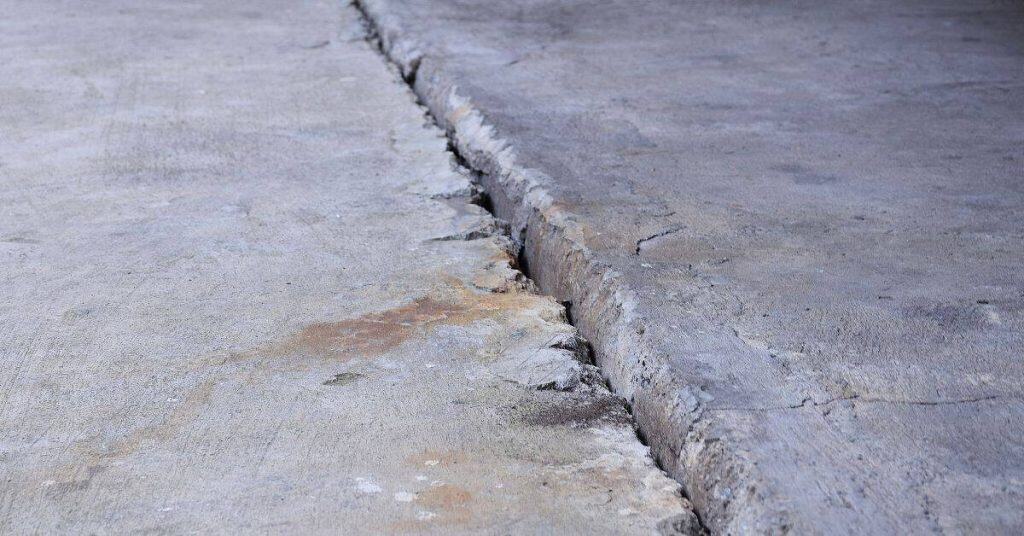
Large crack and gap between two old concrete slabs

Crack Isolation Membranes: What They Can and Can’t Do on Older Slabs

Introduction Crack isolation membranes are thin sheets or coatings that separate a flooring layer from the concrete to limit crack transfer. They’re installed between the slab and the finish, acting as a buffer rather than a full repair. On older slabs, you’ll need to verify compatibility and follow product instructions for best results. What they

Crack Isolation Membranes: What They Can and Can’t Do on Older Slabs Read More »

Yellow and black electric hammer drill on white background

Removing Tile Without Destroying the Substrate: Tool Choices and Realistic Expectations

Introduction Removing tile without destroying the substrate means lifting the tile and backing material carefully while protecting the surface underneath. Have the right tools ready, like a chisel, a pry bar, and an oscillating multi-tool with a scraper blade, and plan your work so you don’t pry blindly. Start by testing a corner tile and

Removing Tile Without Destroying the Substrate: Tool Choices and Realistic Expectations Read More »

Hand applying white grout to ceramic tiles with a grout float

Tile over Tile: When It’s Acceptable and the Surface Prep That Makes It Work

Introduction Tile over tile is acceptable when the existing tile surface is sound, clean, and properly stabilized. If the current tile is loose or cracked, or the surface is delaminating, you’ll want to address that first. This article walks you through what to check and why, in plain DIY language. First, inspect the substrate for

Tile over Tile: When It’s Acceptable and the Surface Prep That Makes It Work Read More »

Stucco over Foam (Eifs/Thin Coat): What Changes with Base Coat and Mesh Placement

EIFS Base Coat and Mesh Over Foam: Installation Basics

Introduction “Stucco over foam” can mean EIFS, EIFS with drainage, a proprietary thin-coat stucco system, or another foam-render assembly. They are not interchangeable. Before buying base coat or mesh, identify the manufacturer, system name, insulation board, substrate, attachment method, water-resistive barrier (WRB) or air/water-resistive barrier (AWRB), drainage details, base coat, mesh, primer, finish, and sealants.

EIFS Base Coat and Mesh Over Foam: Installation Basics Read More »