Search Results for: stop and seal waterproofing

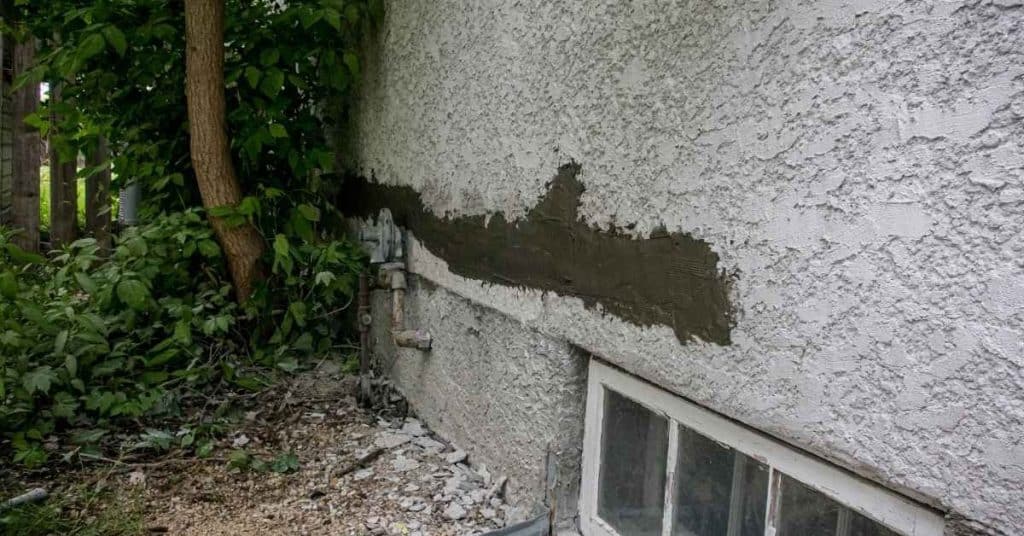
Exterior stucco wall with fresh dark patch above basement window

Stucco at Grade: Fixing a Wall That’s Too Close to Soil Without Tearing Everything Off

Introduction When stucco sits too close to soil, it traps moisture and can lead to damage over time. This article explains a practical way to fix it without tearing everything off. You’ll look for a small gap, proper flashing, and a plan to widen the clearance as needed. Start by inspecting for contact points and […]

Stucco at Grade: Fixing a Wall That’s Too Close to Soil Without Tearing Everything Off Read More »
Clean concrete foundation corner with metal anchors installed

Concrete Window Well Pad: Making a Small Slab That Sheds Water Away From the Wall

Introduction A concrete window well pad is a small slab poured around a window well to shed water away from the foundation. It’s a DIY-friendly project that helps stop splash and seepage. You’ll need to plan, mix, pour, and finish with a slope away from the wall. Start by checking the wall clearance and establishing

Concrete Window Well Pad: Making a Small Slab That Sheds Water Away From the Wall Read More »

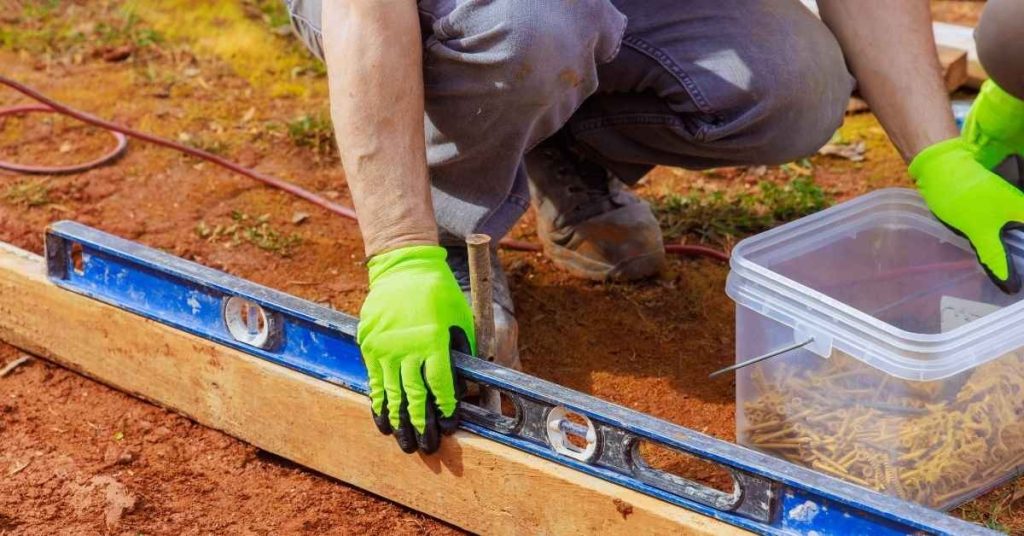
Person using level on wooden form with screws nearby

DIY Concrete ‘Rock Face’ Texture: Simple Form Liner Alternatives

Introduction Rock-face texture in concrete is a rough, split-look finish created with simple form liners. This article covers easy, affordable ways to get that look without heavy equipment. You’ll want to check the liner instructions and local rules before you start. If you don’t have ready-made liners, you can improvise with basic plywood or foam

DIY Concrete ‘Rock Face’ Texture: Simple Form Liner Alternatives Read More »

Hand holding grout float applying grout on mosaic tiles

Regrouting vs. Grout Refresh vs. Grout Stain: Which Fix Fits Which Problem

Introduction Regrouting, grout refresh, and grout stain are three ways to fix failing grout, each serving different needs. Regrouting means removing the old grout and putting in new grout where the joints have deteriorated. Grout refresh is a surface cleaning and sealing approach for grout that’s not structurally broken but looks dingy, while grout stain

Regrouting vs. Grout Refresh vs. Grout Stain: Which Fix Fits Which Problem Read More »

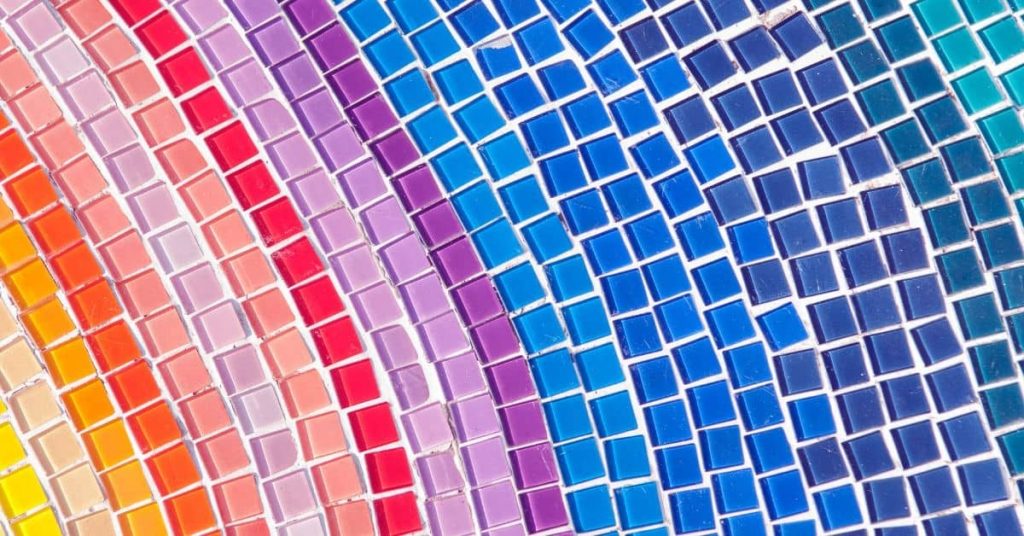
Colorful glass mosaic tiles arranged in a curved pattern

How to Set Glass Mosaic Tile Without Seeing Trowel Lines (Trowel + Backing Tricks)

Introduction It’s about using the right trowel choice, backing, and pressing technique to hide visible trowel marks on glass mosaic tile. You’ll work in small, well-prepped patches and back-butter the tile to help transfer even mortar. Keep the substrate flat, clean, and dry as you set each piece. About CTEF is one of the core

How to Set Glass Mosaic Tile Without Seeing Trowel Lines (Trowel + Backing Tricks) Read More »

Man laying floor tiles on cement base in room

Installing Ditra-Heat or Similar Uncoupling Heat Membranes: Common DIY Mistakes

Introduction Installing Ditra-Heat or similar uncoupling membranes is a DIY method to protect tile from cracks by decoupling the tile from the substrate. Common mistakes include rushing layout, skipping dry fitting, and not verifying the floor is flat and ready. Always check the product label and your local rules before starting. Before laying, pre-lay membrane

Installing Ditra-Heat or Similar Uncoupling Heat Membranes: Common DIY Mistakes Read More »

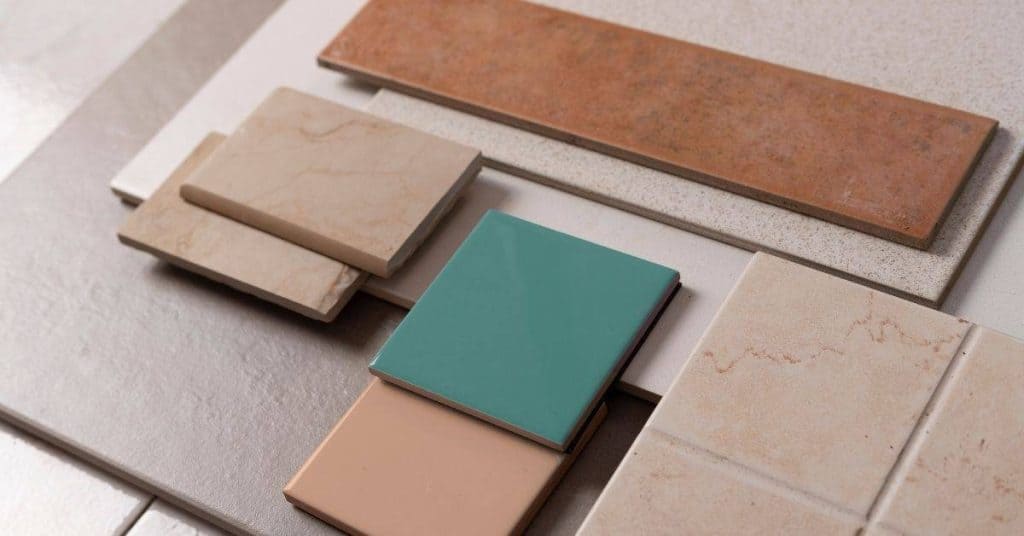
Various ceramic and porcelain tile samples arranged on a surface

Tile Trim Profiles Explained: Metal vs. PVC vs. Bullnose (Clean Edges for DIYers)

Introduction Tile trim profiles are the finishing edges and transition pieces that give tiles a clean, protected edge and smooth corners as you tile a wall or floor. Common options include metal trims (like aluminum or stainless steel), PVC trims, and bullnose edge trims, each with its own look and install feel. The best choice

Tile Trim Profiles Explained: Metal vs. PVC vs. Bullnose (Clean Edges for DIYers) Read More »

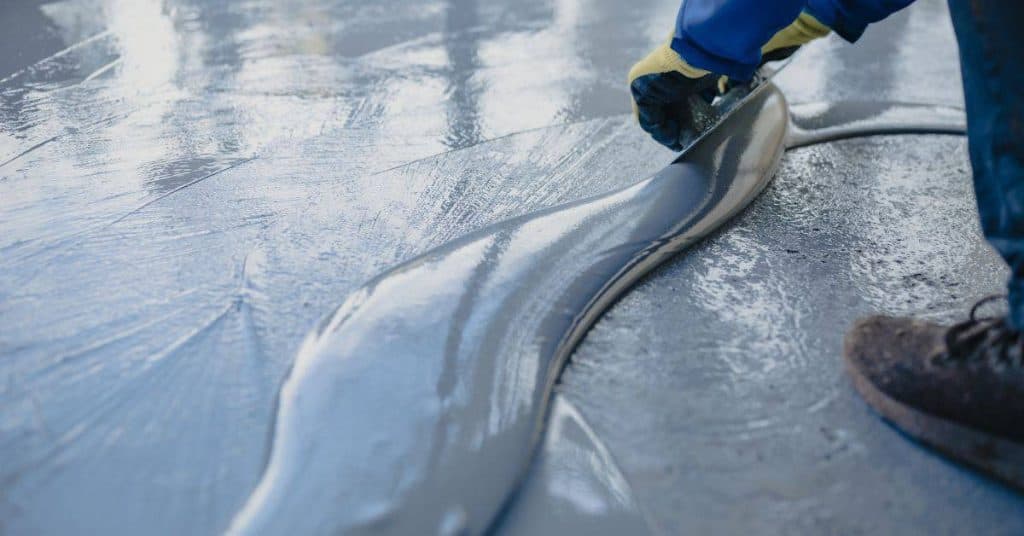
Person applying glossy epoxy coating on concrete floor

Painting Basement Walls Without Trapping Moisture: Mineral Paints vs. Acrylics vs. Epoxy

Introduction Painting basement walls without trapping moisture means choosing a coating and prep method that manages moisture rather than sealing it in. Start by diagnosing the wall condition and cleaning, repairing leaks, and planning ventilation before any paint goes on. Then determine if the wall needs moisture barriers, steps for drying, and whether to apply

Painting Basement Walls Without Trapping Moisture: Mineral Paints vs. Acrylics vs. Epoxy Read More »