Search Results for: silica sand for drying

Step-by-Step: Installing Screed Rails and Troweling a Flat Concrete Subfloor

Step-by-Step: Installing Screed Rails and Troweling a Flat Concrete Subfloor

Introduction This article explains how to install screed rails and properly trowel a flat concrete subfloor. You’ll learn the core steps, practical tips, and rules of thumb to achieve a level, durable base for finishing floors. Related: How to level a floor with concrete. Key takeaways Confirm project elevation targets and reference points before laying […]

Step-by-Step: Installing Screed Rails and Troweling a Flat Concrete Subfloor Read More »

Fix Uneven Concrete Slabs: When to Grind, When to Overlay, When to Replace

Fix Uneven Concrete Slabs: When to Grind, When to Overlay, When to Replace

Introduction Grind uneven concrete when the surface has shallow ridges, overlay when the slab is sound but worn, and replace when structural issues are evident. The guide helps you assess condition and decide, with practical steps to choose the right method for durability and value. You’ll learn how to evaluate flatness, cracks, and load needs

Fix Uneven Concrete Slabs: When to Grind, When to Overlay, When to Replace Read More »

Repairing Concrete After Spray Foam Removal: Patch, Grind, and Prep Steps for a Smooth Finish

Repairing Concrete After Spray Foam Removal: Patch, Grind, and Prep Steps for a Smooth Finish

Introduction Repairing concrete after spray foam removal involves patching damaged spots, grinding to a smooth profile, and properly prepping the surface for a uniform finish. This guide explains practical steps, tips, and everyday best practices you can apply to achieve a seamless repair that accepts paint or coatings. Key takeaways Assess adhesive remnants and unsound

Repairing Concrete After Spray Foam Removal: Patch, Grind, and Prep Steps for a Smooth Finish Read More »

How to Remove Cured Spray Foam from Concrete and Masonry Surfaces Without Damaging Them

How to Remove Cured Spray Foam from Concrete and Masonry Surfaces Without Damaging Them

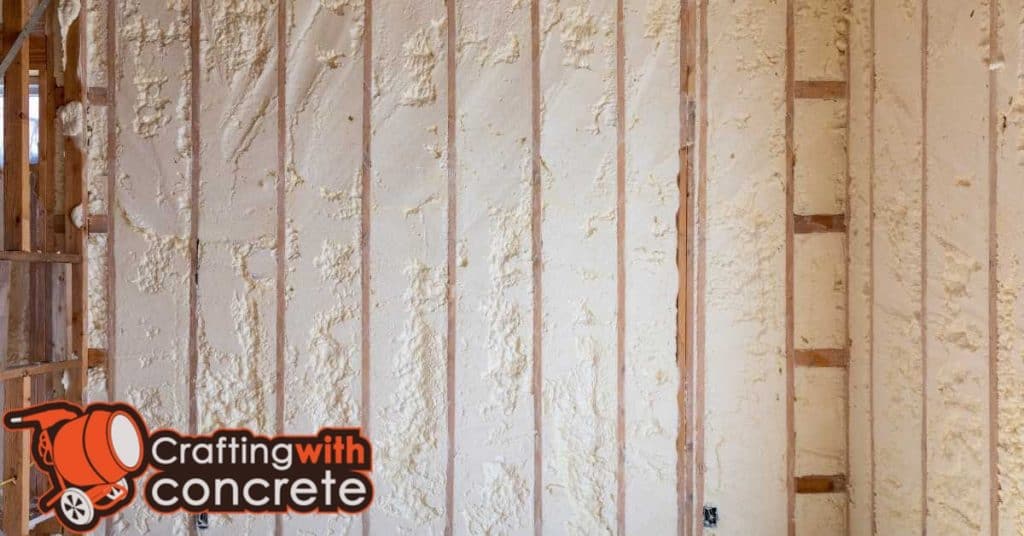
Introduction Cured spray foam can be removed from concrete and masonry without damaging the surface. The guide walks you through practical methods, safety considerations, and cautious techniques to loosen, lift, and clean the foam while protecting the substrate. You’ll learn how to assess the foam, choose appropriate approaches, and apply a step-by-step process that reduces

How to Remove Cured Spray Foam from Concrete and Masonry Surfaces Without Damaging Them Read More »

Pin Vs Pinless: Choosing the Right Moisture Meter for Stucco Inspections

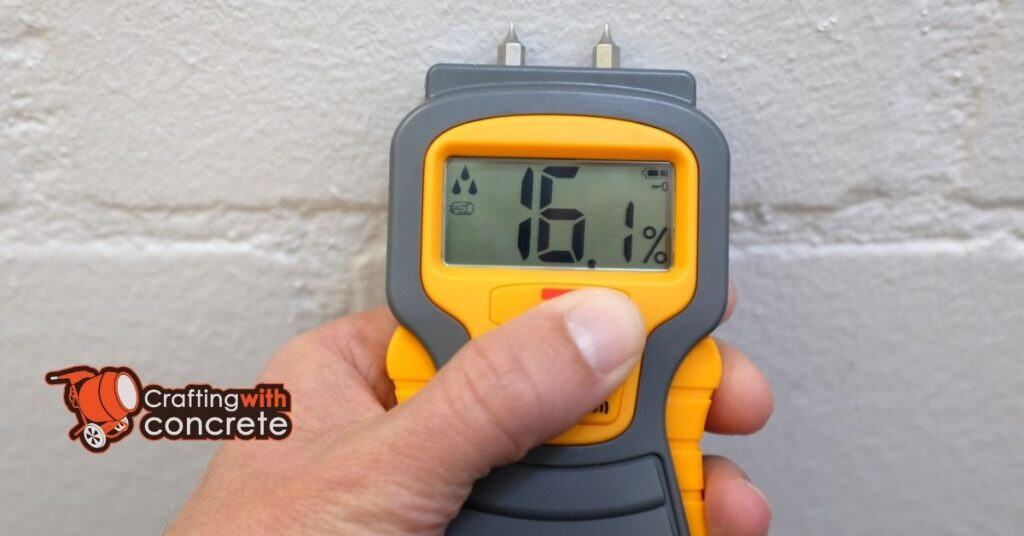
Table of Contents Why moisture measurement matters for stucco-clad buildings How pin moisture meters work (technical deep dive) How pinless moisture meters work (technical deep dive) Head-to-head comparison: pros, cons, and performance factors Stucco-specific inspection protocols and best practices Troubleshooting false positives and ambiguous readings on stucco Calibration, maintenance, and meter settings for accurate results

Pin Vs Pinless: Choosing the Right Moisture Meter for Stucco Inspections Read More »

Best Sealants and Tapes for Repairing Wrbs Around Window and Door Openings

Best Sealants and Tapes for Repairing WRBs Around Window and Door Openings

Table of Contents Overview: Why WRB Repairs Around Openings Matter Sealant Types and Best Uses (Silicone, Polyurethane, Hybrid/MS) Flashing Tapes vs Liquid‑Applied Membranes Surface Preparation and Adhesion Best Practices Installation Sequences and Step‑by‑Step Flashing Details Technical Specs to Compare (Adhesion, Movement, UV, Temp) Product Selection Flowchart and Climate/Substrate Guidance Tools, Materials Checklist and Job-Site Best

Best Sealants and Tapes for Repairing WRBs Around Window and Door Openings Read More »

How to Patch Small Wrb Punctures with Liquid Flash Before Re-Stucco

How to Patch Small Wrb Punctures with Liquid Flash Before Re-Stucco

Table of Contents Why WRB Integrity Matters Before Stucco When to Use Liquid Flash vs. Tape or Full Panel Repair Recommended Liquid Flash Products and Compatibility Matrix Tools, PPE, and Materials Checklist Step‑by‑Step Repair Method for Small Punctures (Exact Technique) Curing, Environmental Limits, and Inspection Criteria Integration with Stucco Lath and Finish Work Troubleshooting, Common

How to Patch Small Wrb Punctures with Liquid Flash Before Re-Stucco Read More »

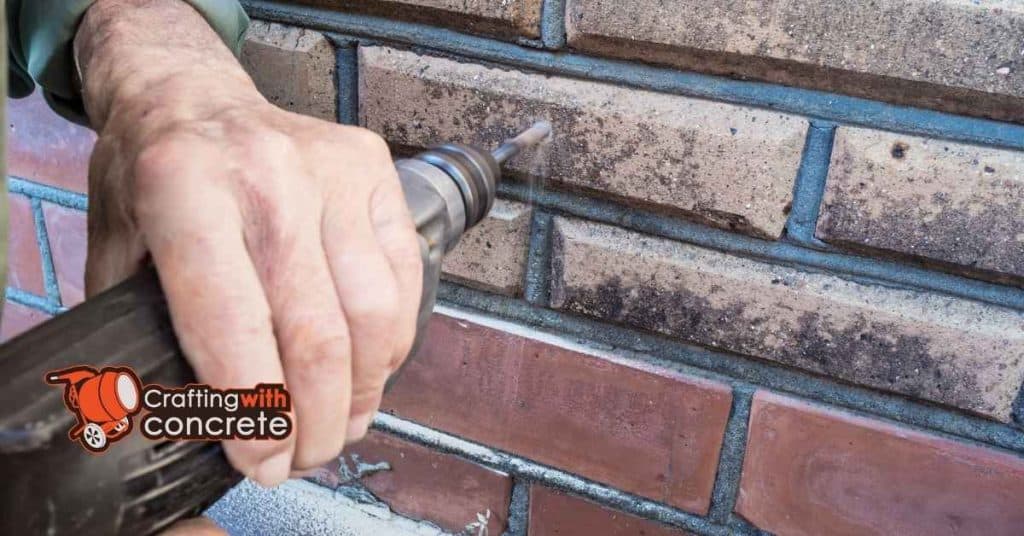
Anchorage in Old Brick—Safe Methods and Cautions

Anchorage in Old Brick—Safe Methods and Cautions

Table of Contents Overview and Purpose Assessing Brick & Mortar Condition Brick Types and Their Implications Mortar Joint Characteristics and Risks Anchor Types—Overview Choosing the Right Anchor Load Types and Calculations Drill Bits, Hole Preparation, and Cleaning Installing Mechanical Anchors (Step-by-Step) Installing Chemical (Adhesive) Anchors (Step-by-Step) Anchoring into Hollow Brick and Cavity Walls Anchorage for

Anchorage in Old Brick—Safe Methods and Cautions Read More »

Repairing Broom Finish in Concrete After a Bad Pass

Repairing Broom Finish in Concrete After a Bad Pass

Table of Contents Quick Triage — Is Repair Possible or Is a Re-pour Needed? Common Causes of a Bad Broom Pass Tools, Materials and Safety Before Repair Surface Preparation and Timing for Repairs Repair Methods — Step-by-Step Procedures Matching and Recreating Broom Texture Finishing, Curing and Sealing After Repair Quality Acceptance, Documentation and Communication Preventative

Repairing Broom Finish in Concrete After a Bad Pass Read More »

Mixing Pea-Gravel Concrete That Spreads Easily for Pads

Mixing Pea-Gravel Concrete That Spreads Easily for Pads

Table of Contents Overview and Best Uses for Pea-Gravel Concrete Materials, Tools, and Pea-Gravel Prep Mix Designs and Ratios for Flowability Preparing the Base, Forms, and Reinforcement for Pads Step-by-Step Mixing and Placement Procedure Finishing, Curing, and Sealing for Durability Adjusting Mix On-Site: Troubleshooting Workability and Strength Planning, Costing, Safety, and Logistics Maintenance, Common Problems,

Mixing Pea-Gravel Concrete That Spreads Easily for Pads Read More »