Search Results for: silica sand for drying

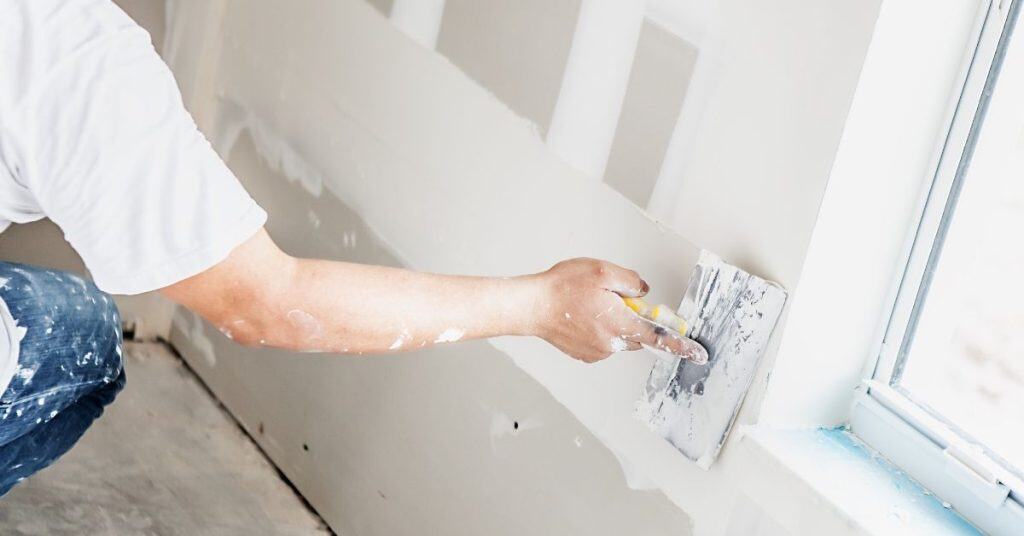
Person applying drywall joint compound near window

Choosing Plaster vs Joint Compound for Repairs: Durability, Sanding, and Paint Finish Differences

Introduction Plaster is a harder-setting wall finish made from cement- or gypsum-based mixes, while joint compound is a softer, gypsum-based product meant for taping and small repairs. For DIYers that means plaster will hold up better in high-traffic areas and where impact resistance matters, and joint compound is easier to apply and feather for small […]
Choosing Plaster vs Joint Compound for Repairs: Durability, Sanding, and Paint Finish Differences Read More »

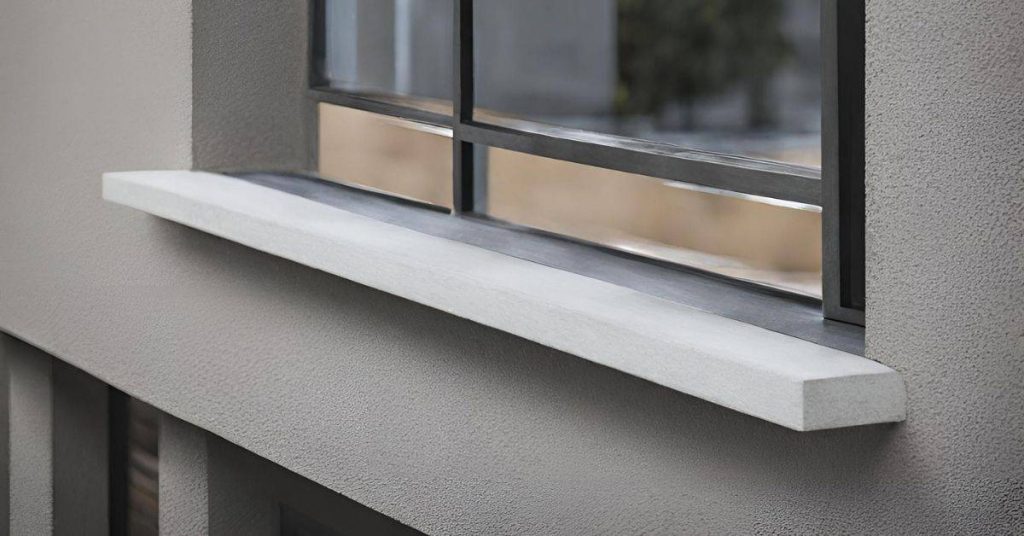
Smooth sandblasted concrete window sill beneath glass window

How to Match a Sandblasted Concrete Finish in a Small Repair

Introduction Matching a sandblasted concrete finish in a small repair means removing the same surface layer and recreating the texture and color so the patch blends with the surrounding slab. This requires cleaning and profiling the repair area, choosing a compatible repair mortar or topping, and using a light abrasive technique to mimic the sandblasted

How to Match a Sandblasted Concrete Finish in a Small Repair Read More »

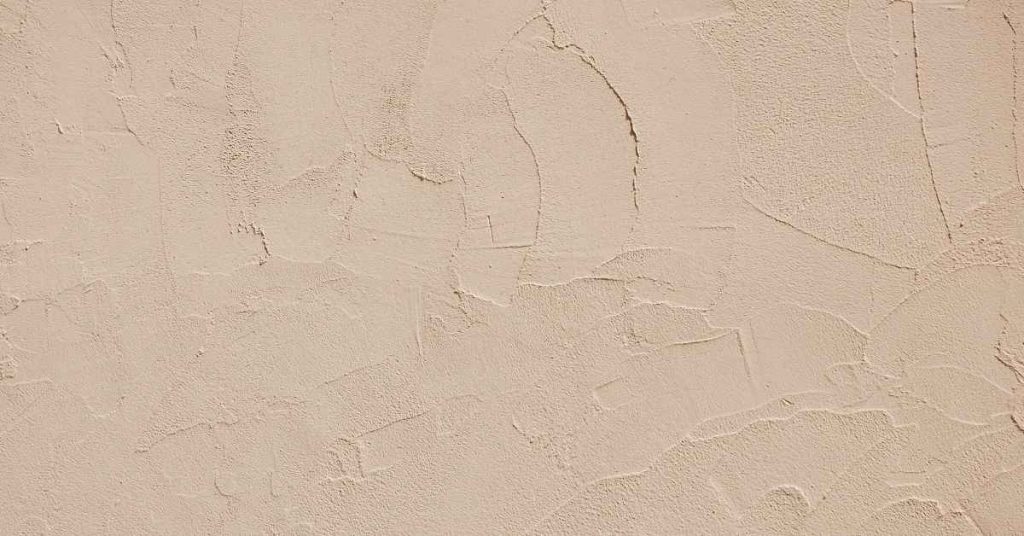
Close-up of beige textured stucco wall surface

Silicate Mineral Paint on Stucco: Breathability, Prep, and Why It Bonds Differently

Introduction Silicate mineral paint is a water-based, mineral-bound finish that bonds chemically to masonry and remains vapor-permeable. It soaks into and reacts with mineral substrates rather than sitting on top like many organic paints, which is why it behaves differently on stucco. For a DIYer that means fewer film failures but you need the right

Silicate Mineral Paint on Stucco: Breathability, Prep, and Why It Bonds Differently Read More »

Close-up of rough stucco dash finish texture surface

Stucco Texture Blending 101: How to Hide a Patch in Sand Float, Dash, and Lace Finishes

Introduction Stucco texture blending is the art of disguising a repair by matching texture and sheen under common finishes like sand float, dash, and lace. Treat the patch as a small project inside the bigger wall, plan to feather edges and adjust trowel pressure. Start by inspecting the surrounding texture and choosing a blending technique

Stucco Texture Blending 101: How to Hide a Patch in Sand Float, Dash, and Lace Finishes Read More »

Concrete beams with exposed rebar at construction site

Concrete Alkali-Silica Reaction: Early Signs and Practical Mitigation

Introduction ASR is a chemical reaction in concrete where reactive silica reacts with alkali in the cement paste, causing expansion and cracking. This article explains how early signs appear and practical, home-friendly steps to reduce risk. You’ll learn what to look for, how to document symptoms, and what to ask suppliers or local rules when

Concrete Alkali-Silica Reaction: Early Signs and Practical Mitigation Read More »

Paint roller applying white paint on gray masonry wall

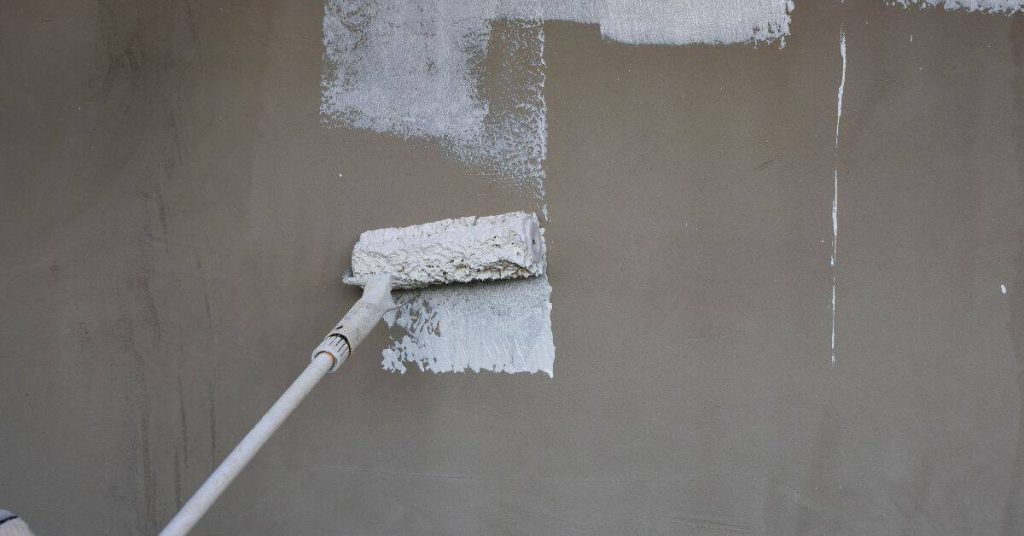
Mineral Silicate Paint for Masonry: When It’s Worth It and How to Apply

Introduction Mineral silicate paint is a breathable masonry coating that bonds to mineral surfaces. It’s often worth it for exterior or historic masonry where you want a lasting, matte finish that can weather damp conditions. It resists peeling when applied correctly, but effectiveness depends on clean, sound substrate and proper surface prep. Applying it starts

Mineral Silicate Paint for Masonry: When It’s Worth It and How to Apply Read More »

How to Find the Right Stucco Mix for Patching: Sand, Lime, and Cement Ratios

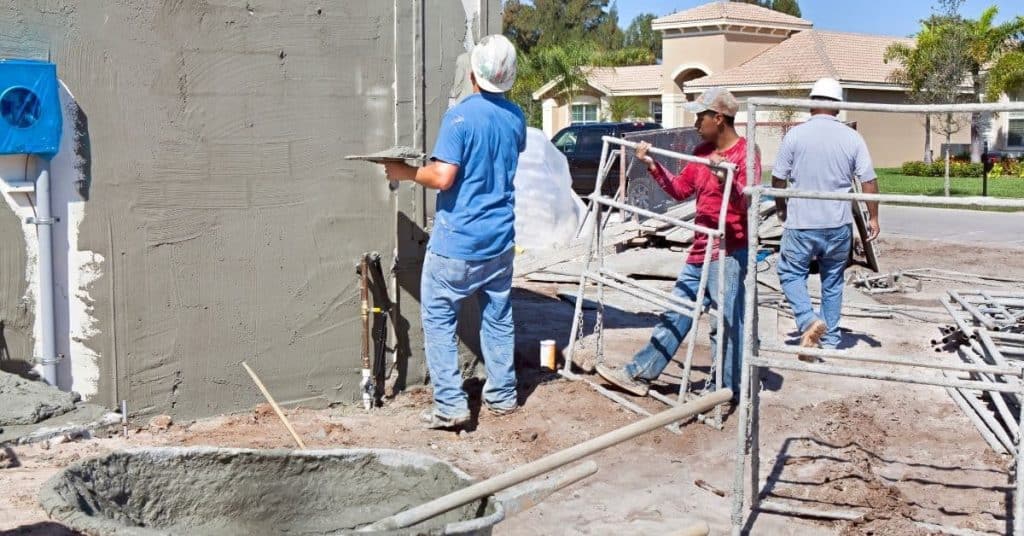
How to Find the Right Stucco Mix for Patching: Sand, Lime, and Cement Ratios

Introduction Find the right stucco mix for patching by balancing sand, lime, and cement to match your repair. This guide explains practical ratios, how to adjust for climate and substrate, and the key steps to mix, test, and apply patch material. By the end, you’ll be able to choose a mix that matches existing plaster

How to Find the Right Stucco Mix for Patching: Sand, Lime, and Cement Ratios Read More »

Preparing Damp Basement Walls for Paint: Drying, Dehumidifying, and Coating Solutions

Preparing Damp Basement Walls for Paint: Drying, Dehumidifying, and Coating Solutions

Introduction To prepare damp basement walls for painting, dry the walls, reduce humidity, and apply appropriate coatings. The guide explains practical drying methods, humidity control tips, and coating options you can use to prevent moisture problems and achieve a lasting, smooth finish. Related: 7 Common Causes of Watery Paint and How to Fix Them. Key

Preparing Damp Basement Walls for Paint: Drying, Dehumidifying, and Coating Solutions Read More »

Using Polymer Sand Vs. Mortar in Wide Paver Joints on Concrete

Using Polymer Sand Vs. Mortar in Wide Paver Joints on Concrete

Table of Contents Quick comparison: polymeric sand vs mortar (summary) Suitable joint widths and depths for each material Prep steps for existing pavers on concrete Application process for polymeric sand (detailed how‑to) Application process for mortar (detailed how‑to) Drainage, substrate and edge restraint considerations Durability, flexibility, and lifecycle performance Cost, time and labor comparison (initial

Using Polymer Sand Vs. Mortar in Wide Paver Joints on Concrete Read More »

Wet-Sanding Counters Without Clouds of Dust

Wet-Sanding Counters Without Clouds of Dust

Table of Contents When to choose wet-sanding vs dry-sanding Tools and materials checklist Workspace setup and containment to minimize dust spread Surface preparation and repairs before wet-sanding Step-by-step wet-sanding technique Polishing and buffing for a streak-free finish Cleanup, drying, and post-project inspection Safety, health risks, and PPE (explicit guidance) Wastewater, environmental handling, and legal considerations

Wet-Sanding Counters Without Clouds of Dust Read More »