Search Results for: silica sand for drying

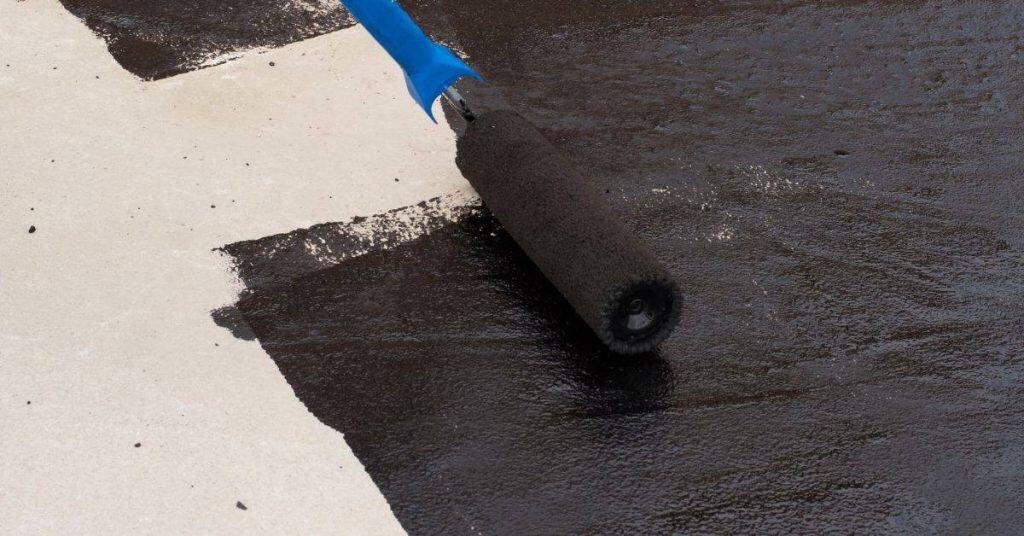
Paint roller applying black sealer on concrete surface

Concrete Sealer Slip Problems: How to Add Traction Without Peeling the Finish

Introduction A concrete sealer is a surface coating intended to protect and seal a concrete floor. When it becomes slick or peels, traction is lost and the risk of slips increases. This article explains practical ways to add traction without peeling the finish. There are penetrating sealers that soak in and film-forming coatings that sit […]

Concrete Sealer Slip Problems: How to Add Traction Without Peeling the Finish Read More »

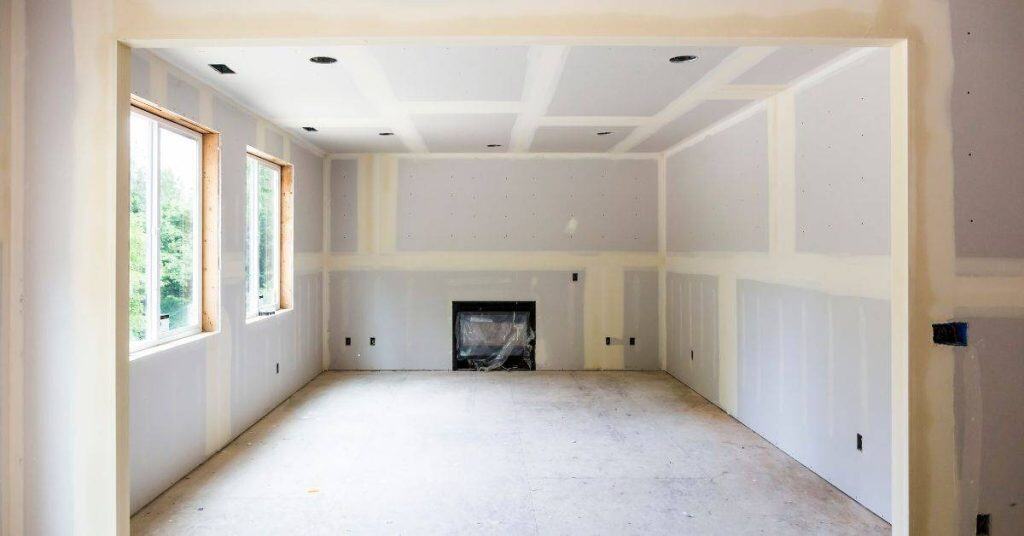
Worker painting wall with roller near ladder in room

Seam Ghosting After Painting: Why Joints Show and How to Fix the Lighting Effect

Introduction Seam ghosting after painting is when joint lines, tape, and seams remain visible through the paint due to differences in texture, sheen, or how light hits the surface. This happens when the joint material and surrounding wall reflect light differently, or when the paint film doesn’t level over the seam. It’s common after patching

Seam Ghosting After Painting: Why Joints Show and How to Fix the Lighting Effect Read More »

Person painting a wooden frame with a yellow brush

Painting Over New Joint Compound: Sealing Porosity to Prevent Flashing

Introduction Sealing porosity in joint compound means treating the surface so paint sits evenly and doesn’t soak in. This helps prevent flashing and uneven color when you apply primer and paint. Prepare the surface well and choose a compatible primer based on what the joint compound needs, according to the product label. Start with thorough

Painting Over New Joint Compound: Sealing Porosity to Prevent Flashing Read More »

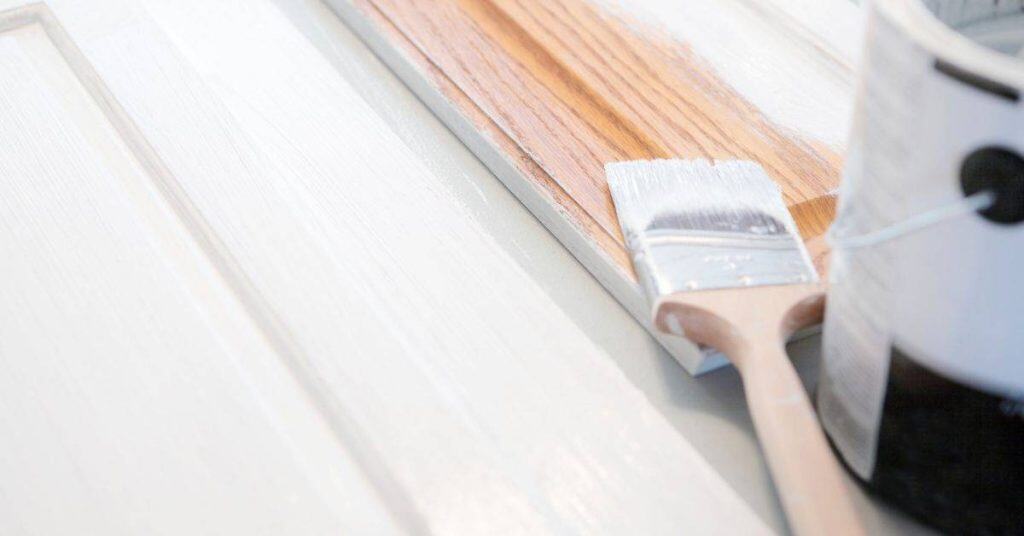
Paintbrush applying white paint on wooden cabinet panel

Avoid Painting Mistakes: Pro Tips for Prep, Cutting In, and Dry Times

Introduction painting well starts with proper prep, careful cutting in, and waiting for the right dry times. Key takeaways Prepare surfaces thoroughly; remove dust, repair holes, and sand glossy areas. Use painter’s tape correctly: apply edges with firm press and clean removal. Cut in slowly along edges, keeping a steady hand and consistent coat. Choose

Avoid Painting Mistakes: Pro Tips for Prep, Cutting In, and Dry Times Read More »

Wooden concrete forms with metal rebar inside trenches

Crack-Resistant Concrete Prep: Base, Rebar, Mix, and Curing

Introduction Crack-resistant concrete prep means setting up the base, reinforcement, mix, and curing plan to minimize cracking and movement in the slab. Start with a solid, well-drained base and clean forms, then place appropriate reinforcement and ensure everything is tied and supported before mixing. Follow the manufacturer’s instructions for any additives or metalwork, and check

Crack-Resistant Concrete Prep: Base, Rebar, Mix, and Curing Read More »

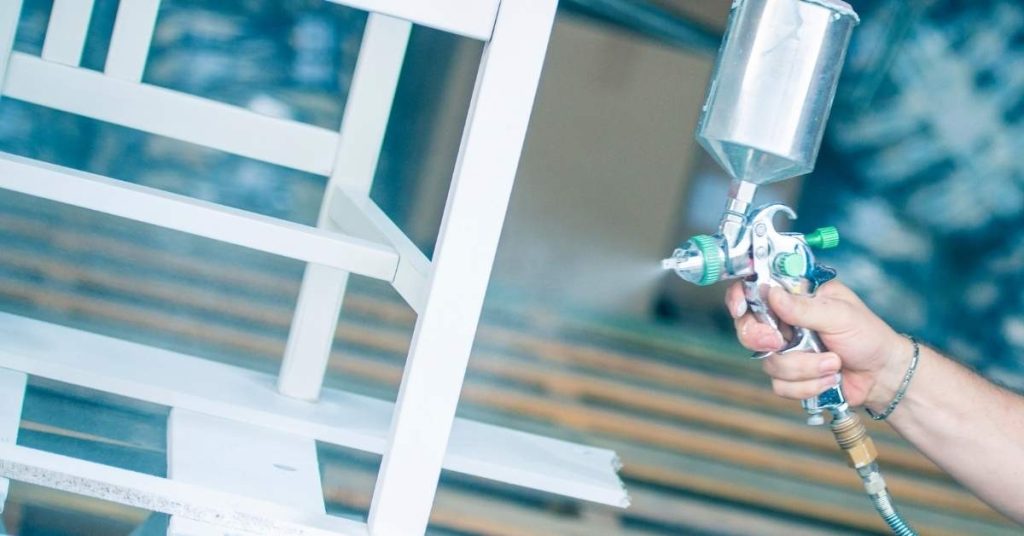
Hand spraying white paint on wooden chair frame

Spray Paint Makeovers: Before-and-After Results (and What Made Them Work)

Introduction Spray paint makeovers are quick, hands-on transformations using spray paint to refresh surfaces. They rely on proper prep, careful layering, and finishing touches to look even and durable. This article shares what works and why the results hold up. Key takeaways Plan color schemes on swatches; test on scrap metal before full spray. Clean

Spray Paint Makeovers: Before-and-After Results (and What Made Them Work) Read More »

Close-up of smooth blue painted masonry wall surface

Alkali Burn on Painted Masonry: Why New Concrete Eats Paint and How to Stop It

Introduction Alkali burn on painted masonry is when fresh concrete releases alkaline moisture that blisters or strips paint. It often happens when the surface dries too fast or the paint isn’t compatible with the concrete’s chemistry. To stop it, protect the surface during curing and follow proper painting and cleaning steps per the product labels.

Alkali Burn on Painted Masonry: Why New Concrete Eats Paint and How to Stop It Read More »