Search Results for: silica pool sand

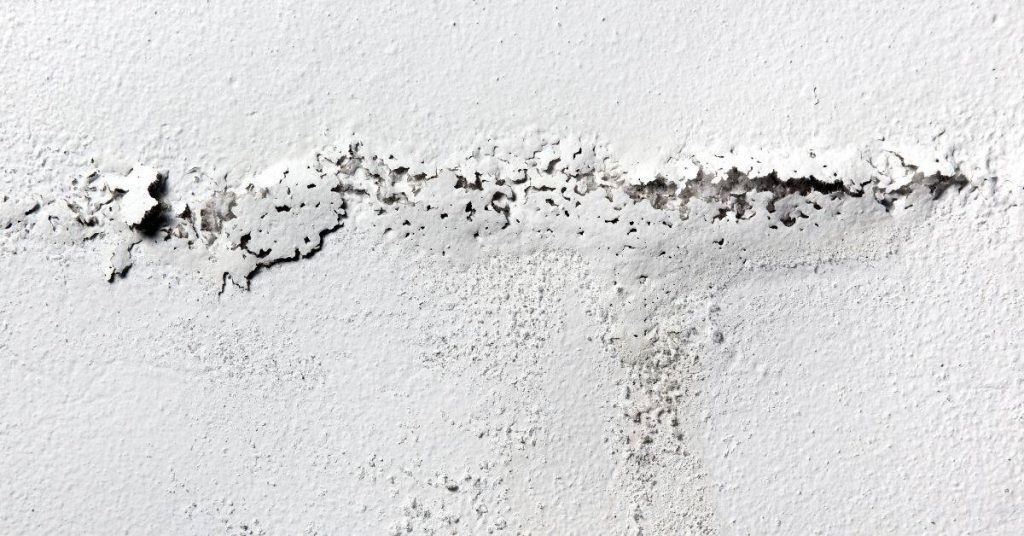
Peeling white paint on rough concrete wall surface

Concrete Sealer on New Concrete: The moisture traps that cause peeling later

Introduction Sealing new concrete can trap moisture and cause peeling later. That moisture gets trapped under the sealer if the surface is still damp or the slab is still curing. Let the concrete cure fully and follow the manufacturer’s guidance before applying any sealer. Before sealing, clean the surface and remove dust, oil, and any

Concrete Sealer on New Concrete: The moisture traps that cause peeling later Read More »

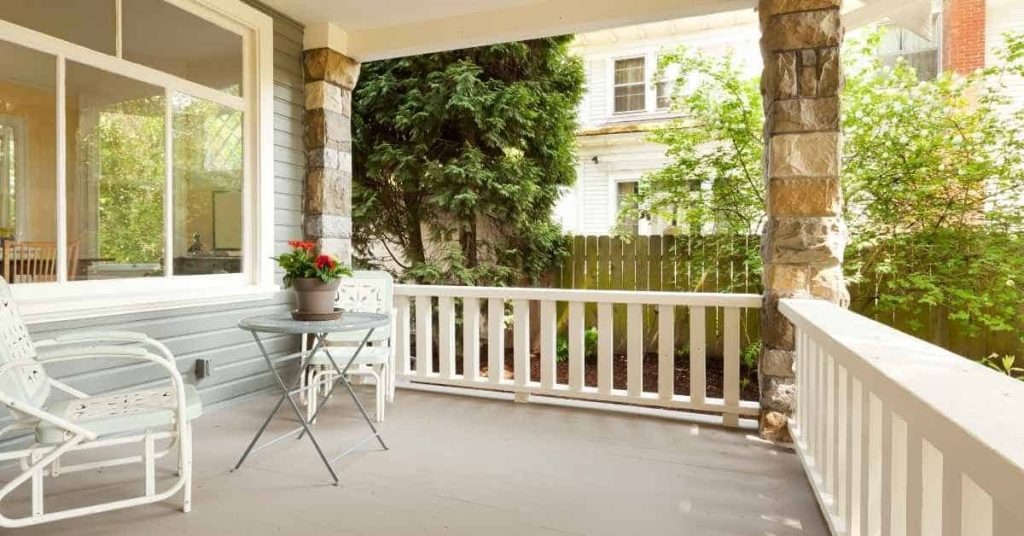
porch with painted concrete floor and white railing

Concrete Countertop Sealing: Durable, low-maintenance options that won’t haze

Introduction Sealing concrete countertops means applying a coating or treatment to protect the surface from stains and wear. A good seal helps wipe up spills, keeps the look cleaner, and reduces daily maintenance. There are different approaches, and you’ll want to choose based on how you use the counter and what you can tolerate in

Concrete Countertop Sealing: Durable, low-maintenance options that won’t haze Read More »

Concrete slab being smoothed with a long-handled float

Concrete Pinholes After Grinding: Filling pores without losing texture

Introduction Pinholes after grinding are tiny surface pores left in the concrete after smoothing. They can show up after grinding and may affect texture if not filled. This article explains a practical way to fill them while keeping the surface feel intact. You’ll need simple fillers and a bit of patience, and always check product

Concrete Pinholes After Grinding: Filling pores without losing texture Read More »

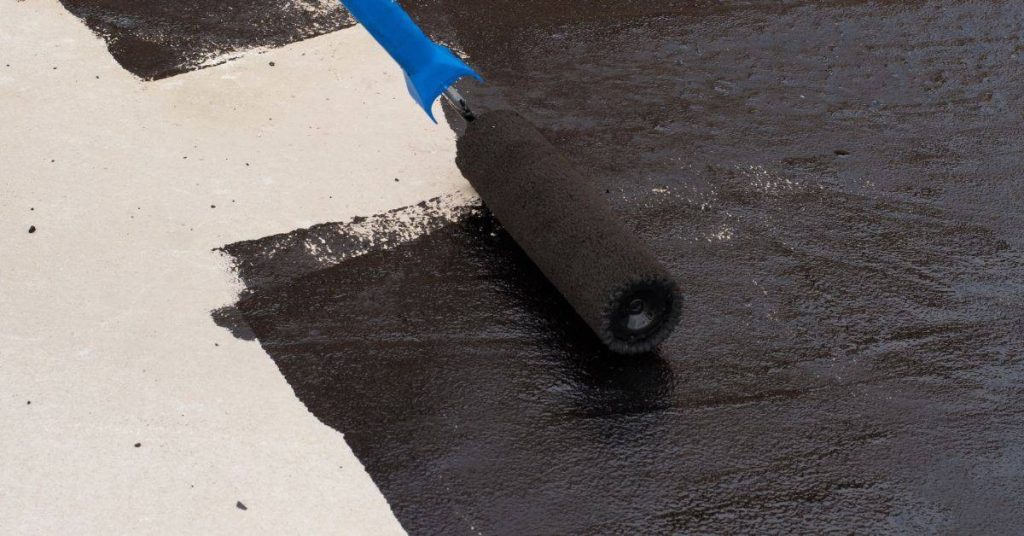
Paint roller applying black sealer on concrete surface

Concrete Sealer Recoat Windows: Why ‘too soon’ and ‘too late’ both cause problems

Introduction A concrete sealer recoat is best done when the surface is ready to bond again, so applying too soon or too late can cause problems. If you seal too soon, the new coat may not adhere well or cure correctly. If you wait too long, contaminants or the old film can prevent proper bonding.

Concrete Sealer Recoat Windows: Why ‘too soon’ and ‘too late’ both cause problems Read More »

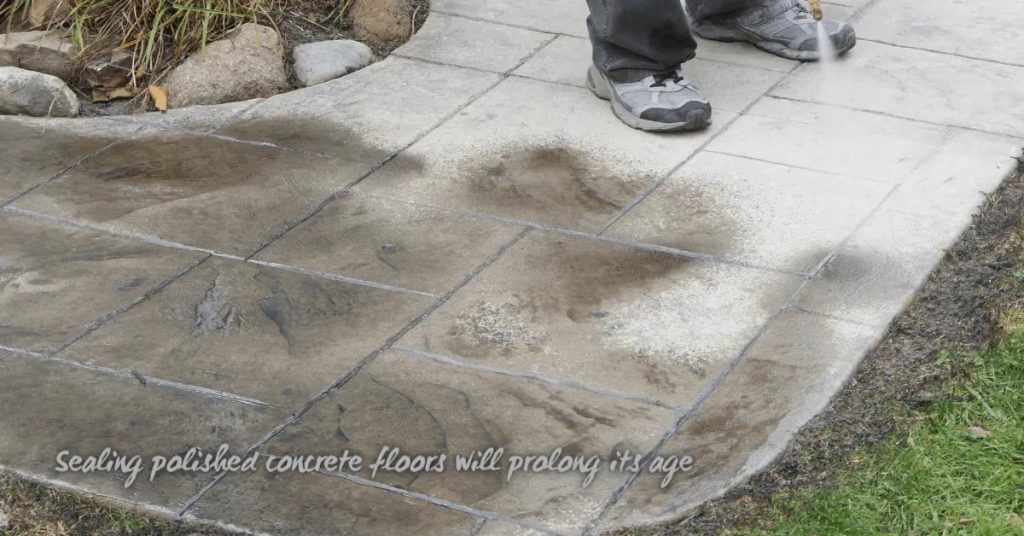
Person spraying liquid on sealed concrete patio outdoors

Slip Resistance on Sealed Concrete: Safer traction without ruining the look

Introduction Slip resistance on sealed concrete means how much traction you get from a sealed surface to help prevent slips. Sealers are especially important around pool areas where water, soap, and wet feet are common. They also help prevent water damage and wear by sealing the pores, but you still need the right sealer for

Slip Resistance on Sealed Concrete: Safer traction without ruining the look Read More »

Person applying water to sealed concrete patio outdoors

Slip Resistance on Sealed Concrete: Testing Methods and Safer Additives

Introduction Slip resistance on sealed concrete is the degree to which a sealed surface grips underfoot to prevent slipping. This article covers how to test grip and how safe additives or coatings can help you achieve better traction. Practical testing ideas include simple walk-and-see checks and noting any slippery spots after cleaning and sealing. Consider

Slip Resistance on Sealed Concrete: Testing Methods and Safer Additives Read More »

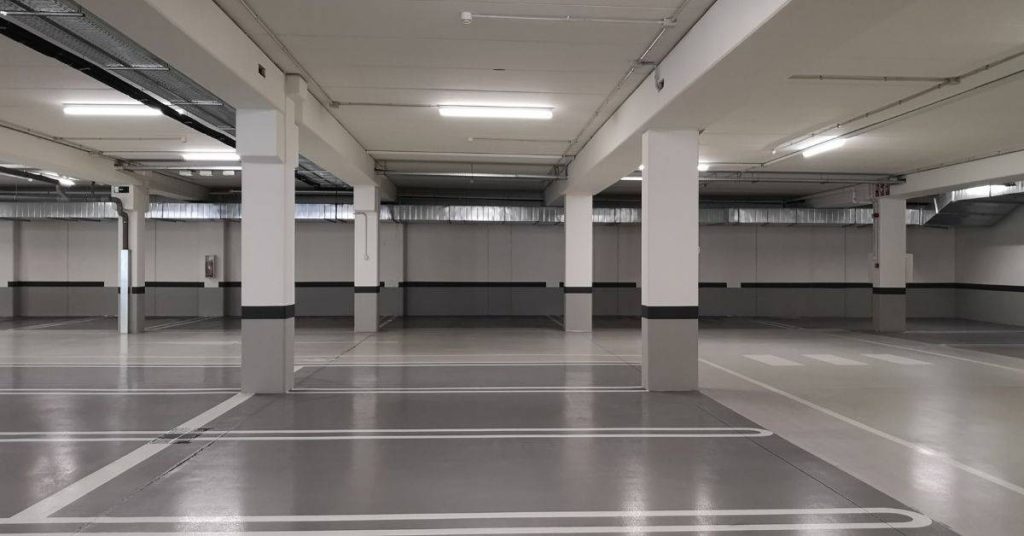
Empty concrete parking garage with support columns and painted lines

Concrete Creep: Why Countertops and Shelves Sag Over Time (and How to Prevent It)

Introduction Concrete creep is the slow, ongoing deformation that happens in hardened concrete under sustained load. It means the material slowly changes shape over time as it bears weight from countertops and shelves. In plain terms, the longer something sits on concrete, the more it can sag or shift a little bit. Common causes include

Concrete Creep: Why Countertops and Shelves Sag Over Time (and How to Prevent It) Read More »

polished concrete floor in industrial style living room

Cellular Concrete vs Gravel Fill for Basement Floors: Cost, Performance, and Moisture Behavior

Introduction Cellular concrete is a lightweight foamed concrete option, while gravel fill is compacted crushed stone. This article compares them in terms of cost, moisture behavior, and performance for a DIY basement floor. Keep in mind that installation methods vary widely depending on local rules and material specifications. Costs depend on material and labor, and

Cellular Concrete vs Gravel Fill for Basement Floors: Cost, Performance, and Moisture Behavior Read More »