Search Results for: silica pool sand

Fix Uneven Concrete Slabs: When to Grind, When to Overlay, When to Replace

Fix Uneven Concrete Slabs: When to Grind, When to Overlay, When to Replace

Introduction Grind uneven concrete when the surface has shallow ridges, overlay when the slab is sound but worn, and replace when structural issues are evident. The guide helps you assess condition and decide, with practical steps to choose the right method for durability and value. You’ll learn how to evaluate flatness, cracks, and load needs […]

Fix Uneven Concrete Slabs: When to Grind, When to Overlay, When to Replace Read More »

How to Repair and Level a Sunken Basement Floor Using Mudjacking (diy Guide)

How to Repair and Level a Sunken Basement Floor Using Mudjacking (DIY Guide)

Introduction Mudjacking is a practical method to lift and level a sunken basement floor. This guide will show you the practical steps, safety considerations, and common tips for preparing the space, mixing the material, and performing the lift. By the end, you’ll understand when DIY is appropriate and how to avoid common mistakes. Related: How

How to Repair and Level a Sunken Basement Floor Using Mudjacking (DIY Guide) Read More »

Repairing Concrete After Spray Foam Removal: Patch, Grind, and Prep Steps for a Smooth Finish

Repairing Concrete After Spray Foam Removal: Patch, Grind, and Prep Steps for a Smooth Finish

Introduction Repairing concrete after spray foam removal involves patching damaged spots, grinding to a smooth profile, and properly prepping the surface for a uniform finish. This guide explains practical steps, tips, and everyday best practices you can apply to achieve a seamless repair that accepts paint or coatings. Key takeaways Assess adhesive remnants and unsound

Repairing Concrete After Spray Foam Removal: Patch, Grind, and Prep Steps for a Smooth Finish Read More »

How to Remove Cured Spray Foam from Concrete and Masonry Surfaces Without Damaging Them

How to Remove Cured Spray Foam from Concrete and Masonry Surfaces Without Damaging Them

Introduction Cured spray foam can be removed from concrete and masonry without damaging the surface. The guide walks you through practical methods, safety considerations, and cautious techniques to loosen, lift, and clean the foam while protecting the substrate. You’ll learn how to assess the foam, choose appropriate approaches, and apply a step-by-step process that reduces

How to Remove Cured Spray Foam from Concrete and Masonry Surfaces Without Damaging Them Read More »

How to Patch Small Wrb Punctures with Liquid Flash Before Re-Stucco

How to Patch Small Wrb Punctures with Liquid Flash Before Re-Stucco

Table of Contents Why WRB Integrity Matters Before Stucco When to Use Liquid Flash vs. Tape or Full Panel Repair Recommended Liquid Flash Products and Compatibility Matrix Tools, PPE, and Materials Checklist Step‑by‑Step Repair Method for Small Punctures (Exact Technique) Curing, Environmental Limits, and Inspection Criteria Integration with Stucco Lath and Finish Work Troubleshooting, Common

How to Patch Small Wrb Punctures with Liquid Flash Before Re-Stucco Read More »

Making Your Own Control Joint Tool from Scrap Steel

Making Your Own Control Joint Tool from Scrap Steel

Table of Contents What is a Control Joint Tool and Why Make One from Scrap Steel Concrete Joint Standards and Design Requirements Materials — Choosing the Right Scrap Steel Tools, Consumables, and Safety Gear Needed Design Options and Templates (Fixed vs Adjustable) Step-by-Step Fabrication: Cutting and Shaping Parts Assembly and Welding Best Practices Heat Treatment,

Making Your Own Control Joint Tool from Scrap Steel Read More »

Mixing Pea-Gravel Concrete That Spreads Easily for Pads

Mixing Pea-Gravel Concrete That Spreads Easily for Pads

Table of Contents Overview and Best Uses for Pea-Gravel Concrete Materials, Tools, and Pea-Gravel Prep Mix Designs and Ratios for Flowability Preparing the Base, Forms, and Reinforcement for Pads Step-by-Step Mixing and Placement Procedure Finishing, Curing, and Sealing for Durability Adjusting Mix On-Site: Troubleshooting Workability and Strength Planning, Costing, Safety, and Logistics Maintenance, Common Problems,

Mixing Pea-Gravel Concrete That Spreads Easily for Pads Read More »

Understanding Type Il (portland-Limestone Cement) for Homeowners

Understanding Type Il (portland-Limestone Cement) for Homeowners

Introduction When it comes to construction and home improvement projects, understanding the materials you’re working with is crucial. One such material is Type IL Portland-Limestone Cement, a popular choice for concrete mixtures due to its strength and durability. This guide will help you understand what Type IL cement is, its benefits, and how it’s used

Understanding Type Il (portland-Limestone Cement) for Homeowners Read More »

Using Recycled Glass as Decorative Aggregate—Safety Notes

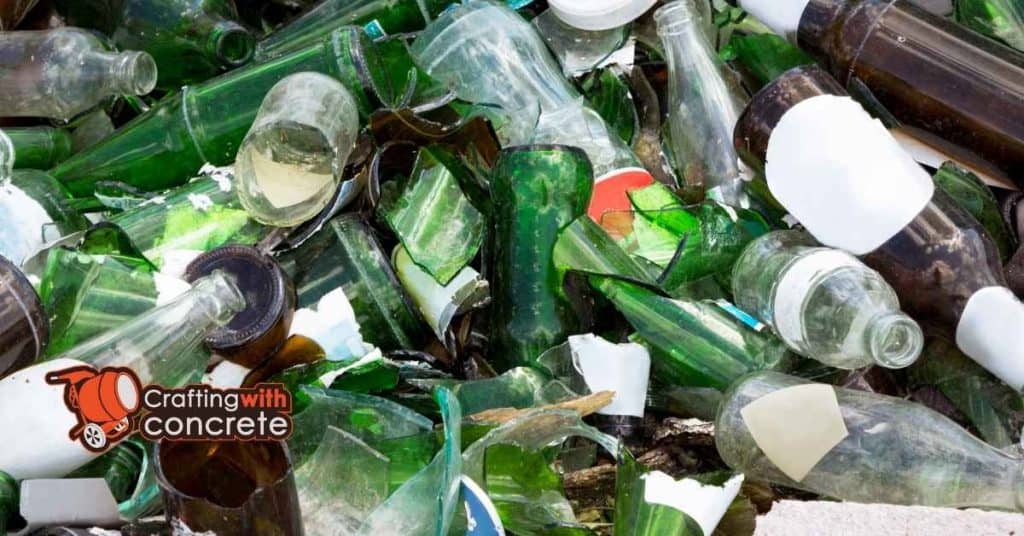
Table of Contents What is recycled glass aggregate (cullet) and common sizes Health concerns: sharpness, cuts, and handling Inhalation risks and silica considerations Safe preparation and processing of recycled glass DIY crushing and safety protocols Sourcing recycled glass: municipal programs and suppliers Applications suitable for decorative recycled glass Installation best practices to minimize safety risks

Using Recycled Glass as Decorative Aggregate—Safety Notes Read More »

Reclaiming Leftover Concrete into Stepping Stones

Reclaiming Leftover Concrete into Stepping Stones

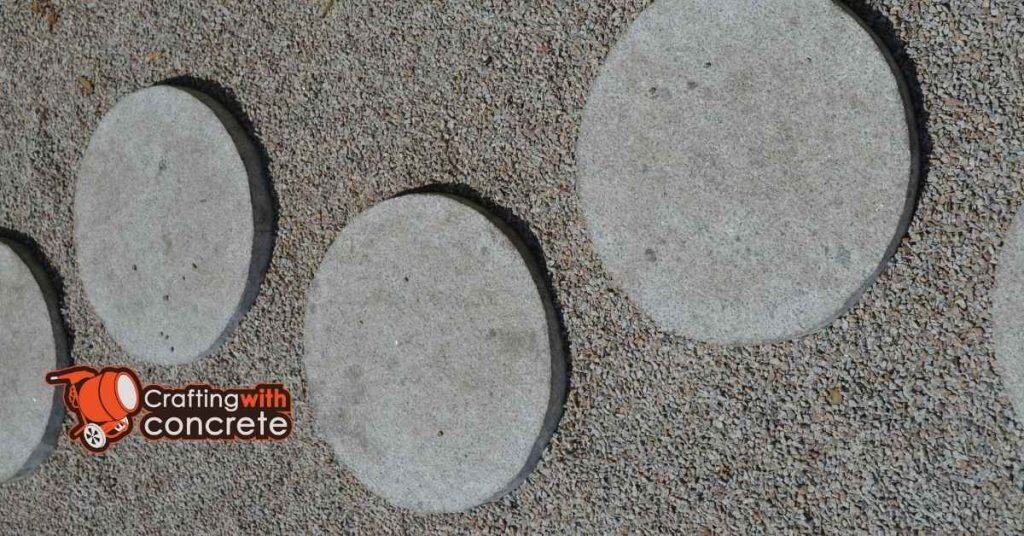
Table of Contents Why Reclaim Concrete for Stepping Stones? Assessing and Sorting Leftover Concrete Tools, Materials and Safety Gear Checklist Preparing Molds and Forms for Stepping Stones Recipes and Mixing Strategies for Variable Leftover Concrete Reinforcement, Layering and Structural Techniques Casting and Finishing Techniques Curing, Demolding and Post-Cure Treatments Design Ideas and Decorative Treatments Troubleshooting

Reclaiming Leftover Concrete into Stepping Stones Read More »