Search Results for: silica dust

Orange concrete bucket silo suspended against blue sky

Concrete Joint Sawcut Chipping: Blade Choice and Timing to Reduce Spalls

Introduction Concrete joint sawcut chipping is the controlled removal of material around a sawcut to reduce spalls. Choosing the right blade and timing the cut helps minimize chipping and keeps the surface smoother. Always check the blade label and the manufacturer’s instructions, and follow local rules for your project. Soff Cut style saws are designed […]

Concrete Joint Sawcut Chipping: Blade Choice and Timing to Reduce Spalls Read More »
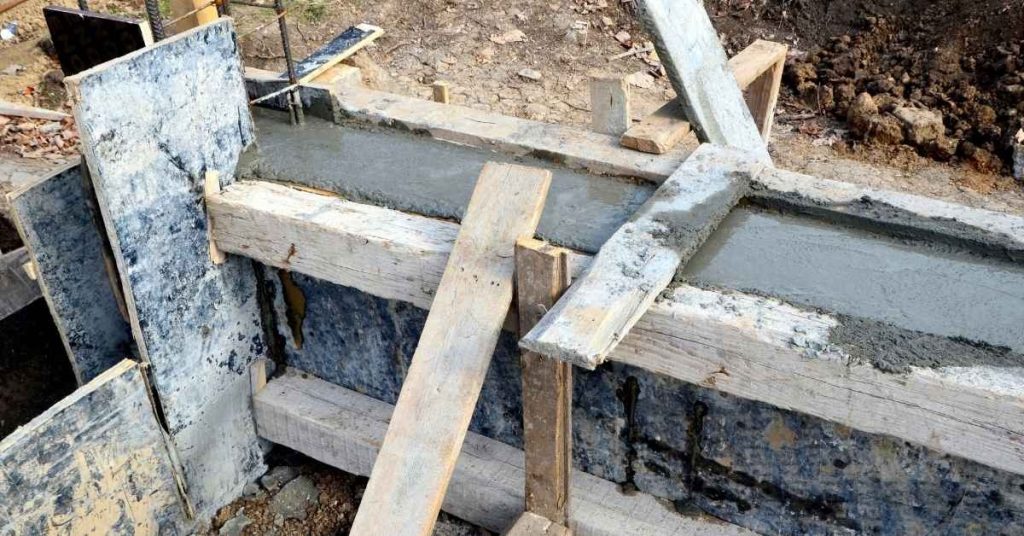
Wooden concrete forms filled with fresh concrete at construction site

Vibration for Small Forms: How to Reduce Bugholes Without Washing Cement Paste to the Face

Introduction Vibration for small forms reduces bugholes by helping the cement paste settle and lock to the form surface without washing off the surface layer. Bugholes stem from air pockets and laitance left on the surface, and proper vibration can minimize them if you don’t overwork the mix. Use a light, targeted approach to keep

Vibration for Small Forms: How to Reduce Bugholes Without Washing Cement Paste to the Face Read More »

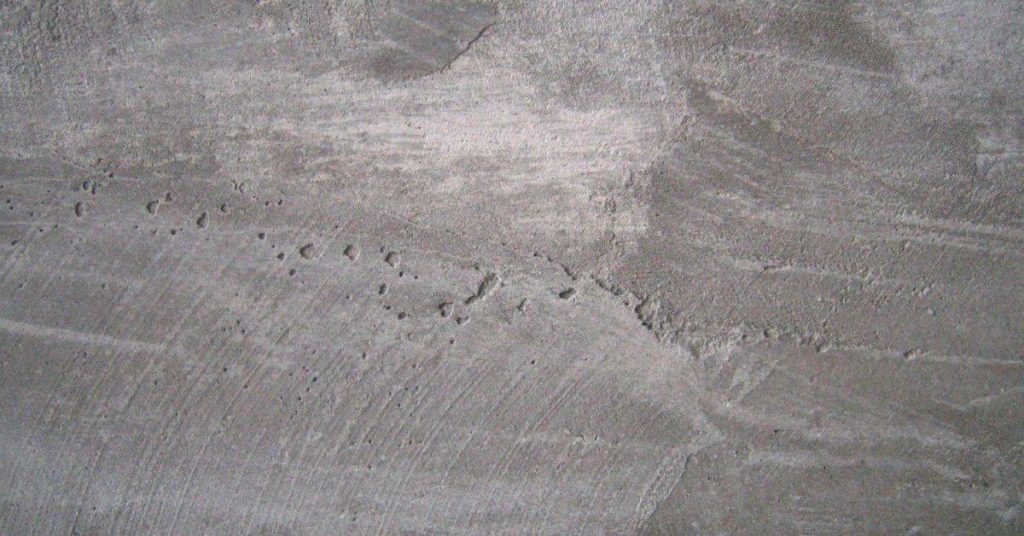
Close-up of old concrete surface with surface pitting and rough texture

Anchoring into Old Concrete: When the Surface Lies and How to Test Strength

Introduction Anchoring into old concrete means attaching hardware to an existing slab or wall when the surface may be uneven or compromised. The key is to verify whether the concrete can hold fasteners and to choose a method that matches the condition of the surface. This needs practical, hands-on steps rather than guesswork. To test

Anchoring into Old Concrete: When the Surface Lies and How to Test Strength Read More »

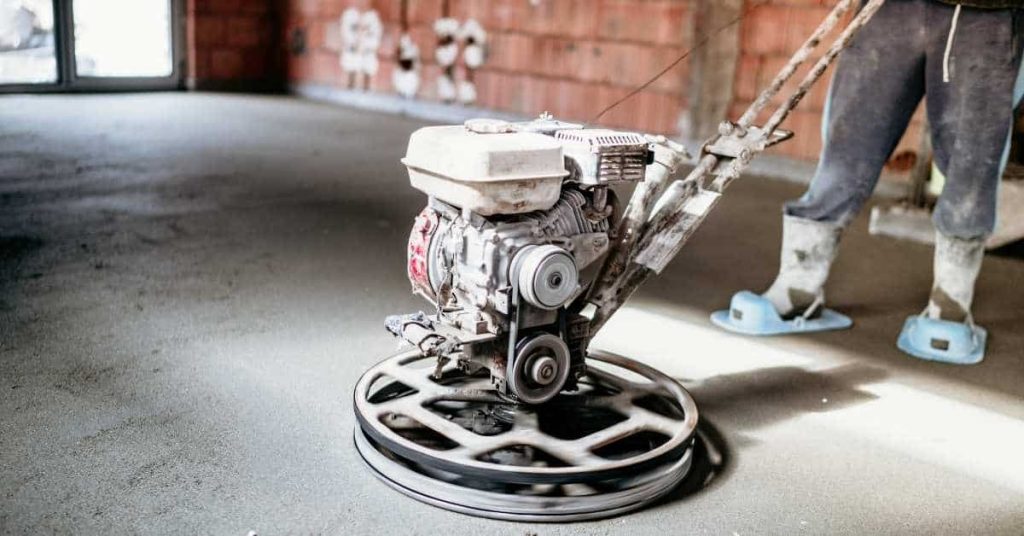
Power trowel smoothing fresh concrete floor indoors

Tools & Equipment

Tools & Equipment: Start Here This hub covers the tools that make concrete and masonry work faster, safer, and cleaner—what to buy vs rent, how to use it, and what actually matters. If you’re unsure what tools you need, start with the “core kit” guides first. They’ll save you money and stop you from buying

Tools & Equipment Read More »

Smooth glossy gray epoxy coated floor inside a room

Dealing With Soft, Carbonated Surface Paste: Grind Depth, Densifiers, and Coating Compatibility

Introduction Soft, carbonated surface paste is the chalky, weakened layer on concrete that needs removal or stabilization before finishing. Start with a small test spot to gauge how deep you’ll need to grind, and avoid taking off more than necessary. Always check the tool’s pad wear and the manufacturer or local rules for safe grind

Dealing With Soft, Carbonated Surface Paste: Grind Depth, Densifiers, and Coating Compatibility Read More »

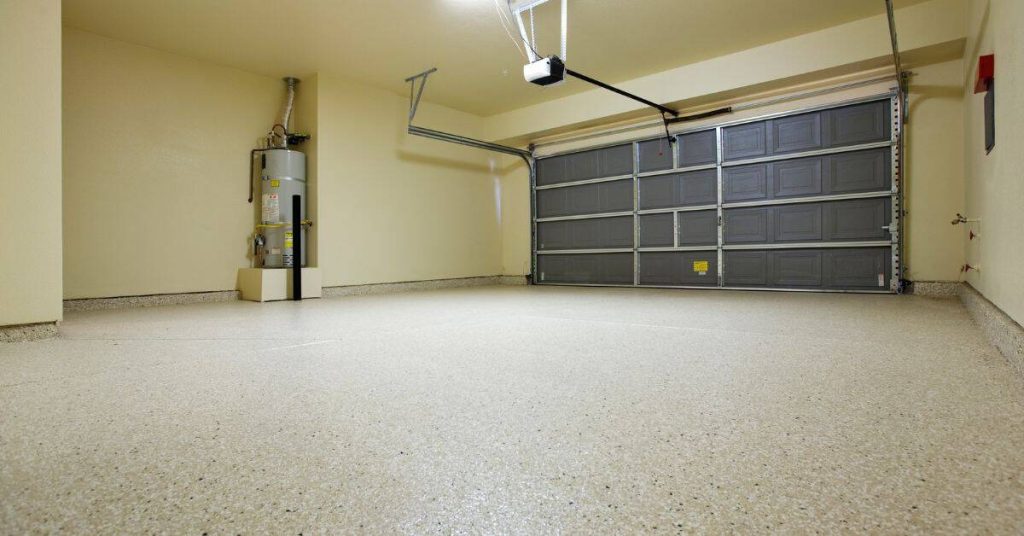
Clean epoxy-coated residential garage floor with water heater

Salt-Contaminated Garage Slabs: Cleaning Limits and Coating System Choices That Survive

Introduction Salt-contaminated garage slabs are concrete floors with salt residues that can interfere with finishes and moisture behavior. The salt can come from de-icing agents or nearby treatments, and this article explains what to expect when cleaning and choosing a coating that lasts. Salt residue can cause efflorescence, staining, and a weakened surface near joints,

Salt-Contaminated Garage Slabs: Cleaning Limits and Coating System Choices That Survive Read More »

Concrete slab form with rebar grid and wood panels

Concrete ‘Cool Deck’ Coatings: Heat Reduction Claims and What Prep Actually Controls Delamination

Introduction Cool deck coatings are heat-reflective surface finishes applied to concrete to reduce surface temperatures and glare. But whether they last depends mainly on how the base concrete is prepared and bonded. This article cuts through the hype and tells you what prep actually controls delamination. Delamination happens when the coating separates from the concrete

Concrete ‘Cool Deck’ Coatings: Heat Reduction Claims and What Prep Actually Controls Delamination Read More »

Smooth concrete window sill below metal frame window

Concrete Delamination Under Tiles: Removing Thinset Residue and Preventing Re-Bond Failure

Introduction Delamination under tiles happens when the adhesive bond fails and thinset residue is left behind, leading to loose or cracked tile. It’s a sign you need to assess the substrate before continuing and plan how to remove it safely. Start with a clear look at what’s under the surface and what you’ll need to

Concrete Delamination Under Tiles: Removing Thinset Residue and Preventing Re-Bond Failure Read More »

Empty room with large windows and polished concrete floor

Salt-and-Pepper Polished Concrete: Achieving a Consistent Exposure Without Over-Grinding Edges

Introduction Salt-and-pepper polished concrete is a finish created by exposing a small, random mix of aggregate to produce a speckled, even look. The goal is to achieve a consistent exposure across the slab without carving too deep at edges. This approach keeps the surface looking uniform and practical for DIY applications. Edge finishing matters because

Salt-and-Pepper Polished Concrete: Achieving a Consistent Exposure Without Over-Grinding Edges Read More »

Wood block with nail inserted standing on concrete surface

Concrete Countertops With Inlays: Brass, Glass, Wood—Bonding and Differential Movement

Introduction Concrete countertops with inlays are countertops that embed brass, glass, or wood accents into the concrete surface. This article gives a practical, hands-on look at how to plan, mix, and place those inlays so they stay put. The goal is a durable, smooth surface you can live with, not a museum piece. We cover

Concrete Countertops With Inlays: Brass, Glass, Wood—Bonding and Differential Movement Read More »