Search Results for: silica dust

Plaster wall niche with decorative dolphin and small pottery

How to Create a Plaster Shadow-Reveal Niche: Beads, Corners, and Crack Control

Introduction A plaster shadow-reveal niche is a recessed wall pocket finished with thin plaster edges that create a crisp, shadowed outline for shelves or display. It’s built by framing the cavity, setting straight beads and corner profiles, and planning for crack control where the plaster meets different materials. This is a hands-on job that rewards […]

How to Create a Plaster Shadow-Reveal Niche: Beads, Corners, and Crack Control Read More »

Hand with glove smoothing lime plaster on wall with straightedge

Microcracks in Lime Plaster: Normal Crazing vs Movement and How to Decide

Introduction Microcracks in lime plaster are usually small surface crazing that forms as the plaster dries and shrinks; they are often cosmetic and not a structural failure. Look at crack width, depth, and whether it goes into the substrate to decide; if unsure, check the product label or manufacturer guidance for allowed hairline cracking. In

Microcracks in Lime Plaster: Normal Crazing vs Movement and How to Decide Read More »

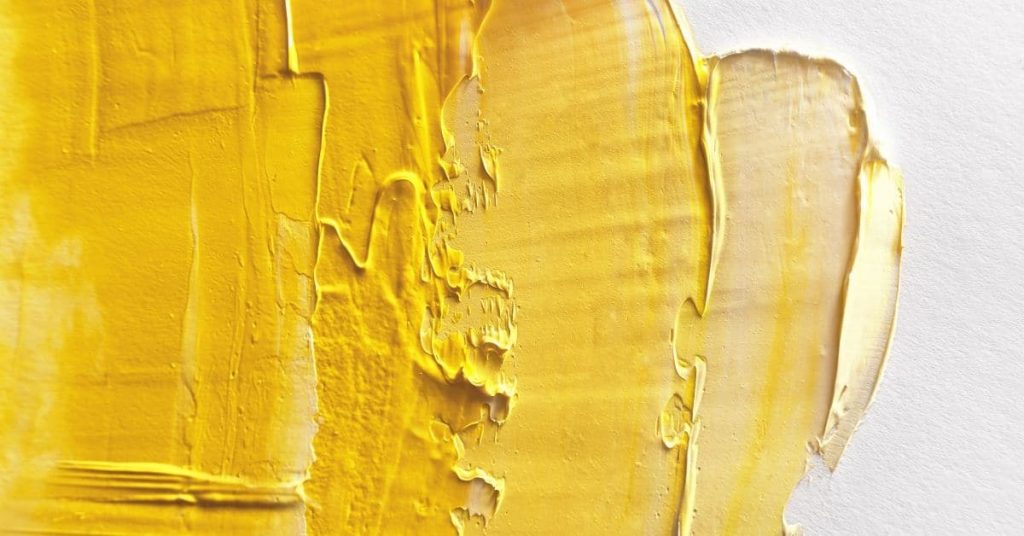
Thick yellow paint strokes on a white surface

Mineral Paint vs Acrylic on Masonry: Breathability, Washability, and Best Use Cases

Introduction Mineral paint is a thin, breathable coating made from mineral binders that soaks into masonry while acrylic is a film-forming paint that sits on the surface and sheds water. For DIY use, think mineral paint where you need vapor permeability and historical compatibility, and acrylic where you need tougher washability and abrasion resistance. Check

Mineral Paint vs Acrylic on Masonry: Breathability, Washability, and Best Use Cases Read More »

Hand painting wooden cabinet door with blue paint roller

Painting Over Old Limewash: Identification, Neutralization, and Best Primers

Introduction Painting over old limewash can be a challenge due to its unique composition and properties. This guide will help you identify, neutralize, and prime your limewashed surfaces for successful painting. Key takeaways Identify limewash by chalky finish, mineral content, and matte, breathable film. Test adhesion with scrape and moisture penetration before priming. Contain dust,

Painting Over Old Limewash: Identification, Neutralization, and Best Primers Read More »

Blue painted stucco wall texture

How to Paint Stucco With Maximum Breathability: Product Types and Prep Steps

Introduction Painting stucco with maximum breathability means choosing and applying coatings that let moisture vapor move through the wall rather than trapping it behind the finish. In practice that means picking a paint or coating labeled for masonry/stucco breathability and preparing the surface so the coating can adhere and perform; check product labels and manufacturer

How to Paint Stucco With Maximum Breathability: Product Types and Prep Steps Read More »

Man working on pool deck installation using tools and safety glasses

Painting Pool Decks: Slip Resistance, Chlorine, and Cool-Deck Options

Introduction Painting pool decks means choosing a coating that resists slipping, stands up to chlorine and pool chemicals, and stays cooler underfoot; it’s a practical surface upgrade, not a decorative paint job. Think about slip additives, chemical resistance, and reflective or “cool” coatings when you pick products, and always check the label and manufacturer instructions

Painting Pool Decks: Slip Resistance, Chlorine, and Cool-Deck Options Read More »

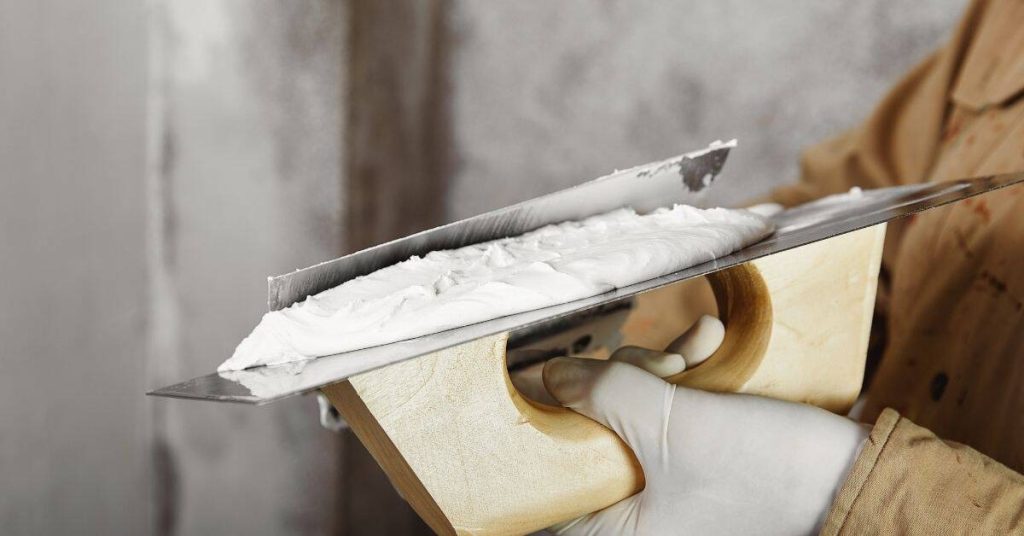
Hand holding plastering trowel with fresh white plaster

Clay Plaster in Bathrooms: Timeline & Duration – Step-by-Step Guide

Introduction Installing clay plaster in your bathroom can transform the space into a warm, inviting haven. But how long does it take? Let’s break down the timeline and duration of this DIY project step by step. From surface preparation to final sealing, understanding the time commitment helps you plan effectively and ensures a successful outcome.

Clay Plaster in Bathrooms: Timeline & Duration – Step-by-Step Guide Read More »

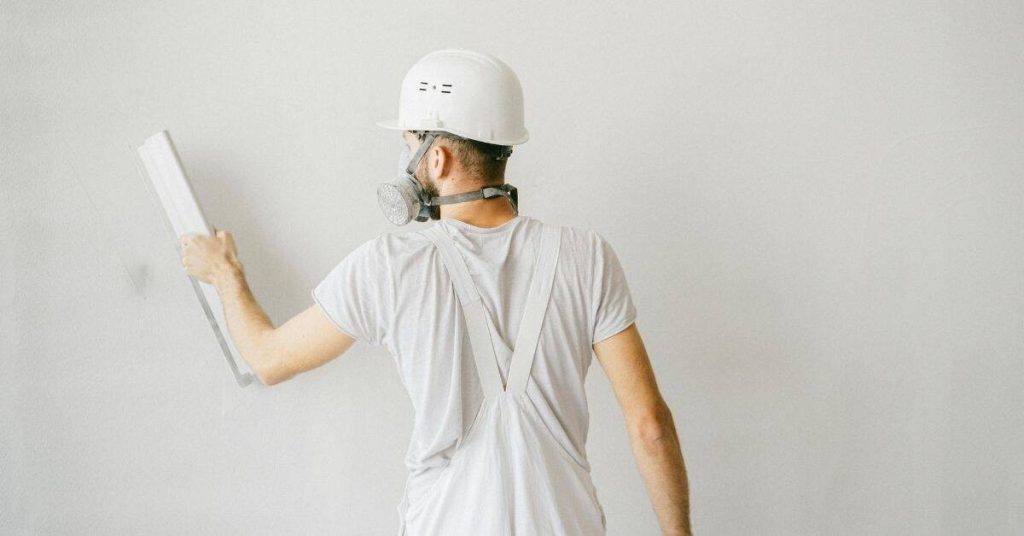
Plasterer smoothing white plaster on wall wearing helmet and mask

Salts in Masonry Plaster: Troubleshooting Efflorescence and Spalling Issues

Introduction Discovering salt-related problems like efflorescence and spalling in your masonry plaster can be frustrating, but with the right troubleshooting steps, you can identify and address these issues effectively. This guide walks you through common symptoms, their causes, and how to fix them. Before diving into repairs, it’s crucial to understand that salts in plaster

Salts in Masonry Plaster: Troubleshooting Efflorescence and Spalling Issues Read More »

Hand applying white plaster with putty knife on wall

Lime Putty vs Hydrated Lime for Plaster: A Timeline Comparison

Introduction The timeline of your plastering project is crucial, from preparation to application and curing. Understanding the time differences between lime putty and hydrated lime can help you plan effectively. Lime putty requires aging, while hydrated lime can be used immediately. Let’s compare their timelines to ensure you choose the right product for your schedule.

Lime Putty vs Hydrated Lime for Plaster: A Timeline Comparison Read More »

Smooth beige polished lime plaster wall surface

Polished Lime Plaster in Wet Areas: Timeline & Duration for DIY Installation

Introduction The timeline and duration of installing polished lime plaster in wet areas can vary depending on several factors. Understanding the process and its key stages will help you plan your project effectively. In this guide, we’ll break down the installation process into a clear timeline, ensuring you know what to expect at each stage

Polished Lime Plaster in Wet Areas: Timeline & Duration for DIY Installation Read More »