Search Results for: sidewalk pattern

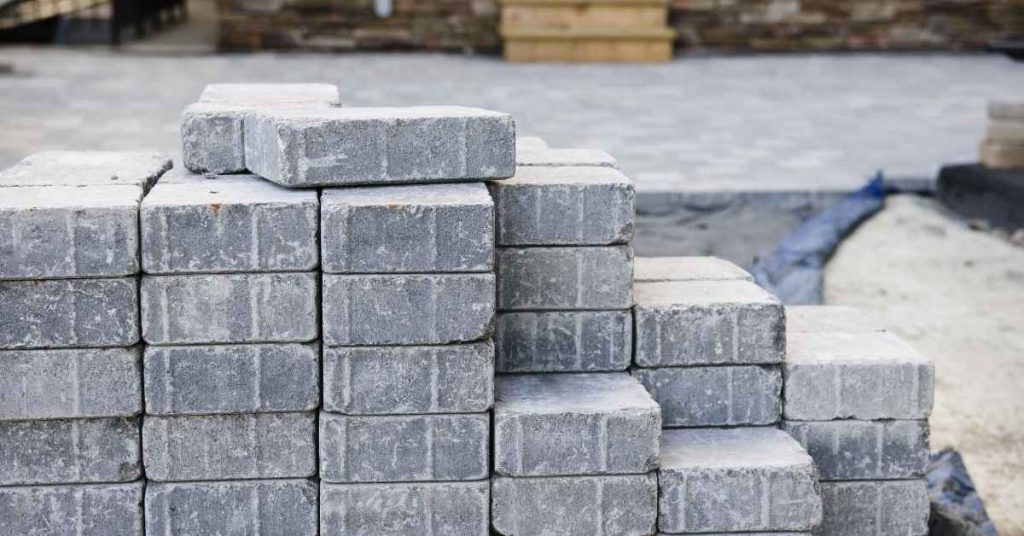
Stack of gray concrete paving blocks outdoors

Concrete Sealer Sheen Control Outdoors: When Matte Looks Better (and When It Traps Dirt)

Introduction A matte sealer finish on outdoor concrete is a low-shine coating that reduces reflection and hides surface imperfections. Choose matte when you want a natural look that doesn’t glare in sun and can mask light dirt. If you want a brighter, reflectant surface, matte may look dull by comparison. Matte finishes can trap dust […]

Concrete Sealer Sheen Control Outdoors: When Matte Looks Better (and When It Traps Dirt) Read More »
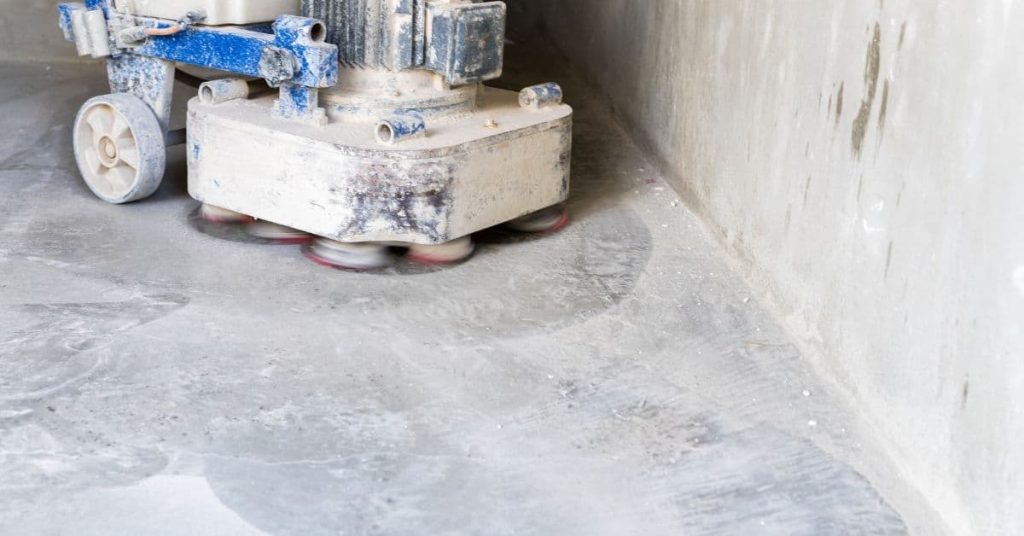
Concrete floor grinding machine smoothing surface near wall

Fixing Trip Hazards by Grinding: How Much You Can Remove Before You Create New Problems

Introduction Grinding to fix trip hazards is removing small amounts of material from high spots so the surface becomes even. Do not remove more than necessary, since over-grinding can create new problems. Check the material, tool, and surface before you start, and follow manufacturer instructions and local rules. Do small passes and check your progress

Fixing Trip Hazards by Grinding: How Much You Can Remove Before You Create New Problems Read More »

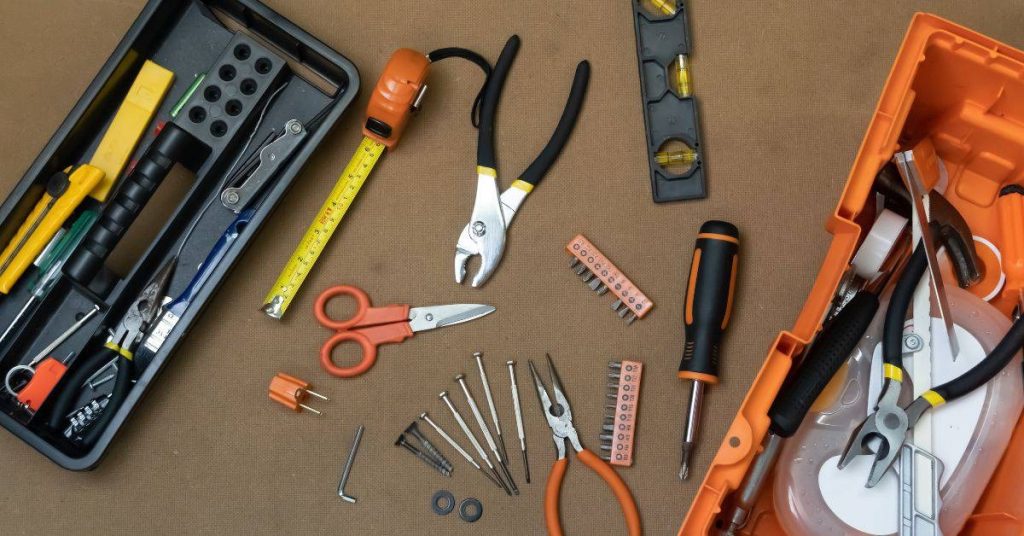
Hand tools including scissors pliers screwdrivers tape measure and level

Hand Edger Radius Guide: Picking 1/8″, 1/4″, 3/8″ Edges for Durability vs Looks

Introduction A hand edger radius guide helps you pick edge profiles around 1/8″, 1/4″, or 3/8″ to shape exposed concrete edges. The choice affects durability and how clean or decorative the edge will look. Always check the product label, manufacturer instructions, and local rules to confirm what radius is allowed for your project. To use

Hand Edger Radius Guide: Picking 1/8″, 1/4″, 3/8″ Edges for Durability vs Looks Read More »

Orange concrete bucket silo suspended against blue sky

Concrete Joint Sawcut Chipping: Blade Choice and Timing to Reduce Spalls

Introduction Concrete joint sawcut chipping is the controlled removal of material around a sawcut to reduce spalls. Choosing the right blade and timing the cut helps minimize chipping and keeps the surface smoother. Always check the blade label and the manufacturer’s instructions, and follow local rules for your project. Soff Cut style saws are designed

Concrete Joint Sawcut Chipping: Blade Choice and Timing to Reduce Spalls Read More »

Pouring dry concrete mix into a bucket

Concrete Mixing in 5-Gallon Buckets: Repeatable Ratios for Small Projects

Introduction Concrete mixing in 5-gallon buckets is the practice of combining cement, aggregate, and water in small, repeatable ratios for quick, local work. This guide keeps things hands-on, using simple steps you can follow without heavy gear. You’ll see practical references to patterns like Ashlar Notched Slate and American Flagstone as familiar ends for small

Concrete Mixing in 5-Gallon Buckets: Repeatable Ratios for Small Projects Read More »

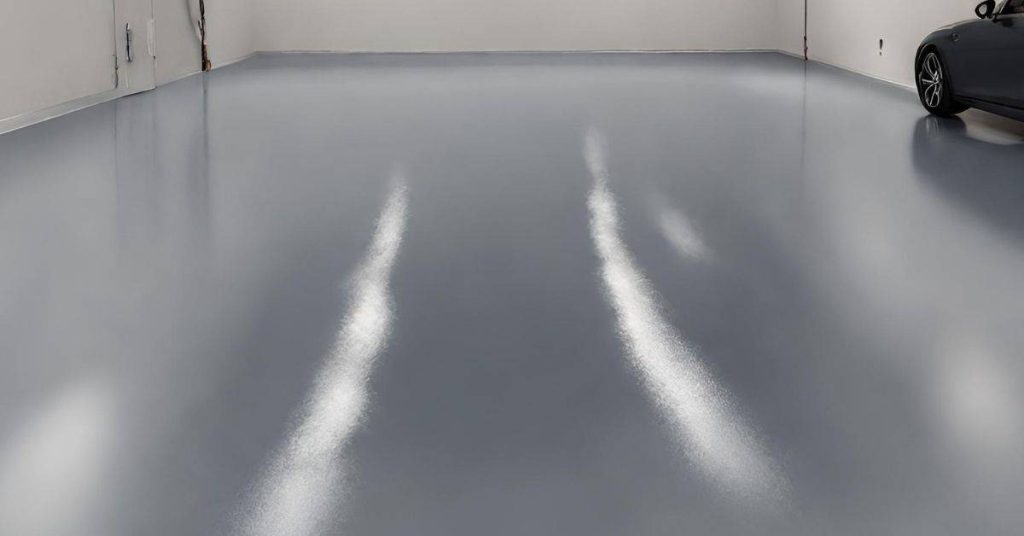
Smooth grey epoxy coated concrete floor in garage

Concrete Crack Sealants: Polyurethane, Epoxy, MMA, and Why ‘Flexible’ Isn’t Always Better

Introduction Concrete crack sealants come in polyurethane, epoxy, and methyl methacrylate (MMA), and the goal is to seal cracks while allowing some movement. In practical DIY terms, you choose based on how much movement the crack will have, the exposure, and what the product label recommends. Always check the manufacturer instructions and local rules before

Concrete Crack Sealants: Polyurethane, Epoxy, MMA, and Why ‘Flexible’ Isn’t Always Better Read More »

Two melting ice cubes on a white surface

Concrete Pop-Outs: Causes, repairs, and prevention for future winters

Introduction Concrete pop-outs are shallow, rounded chunks of concrete that lift away from the surface when the ground or the mix expands. They often come from moisture getting trapped under the slab, poor compaction, or steel reinforcement pushing outward. Weather conditions, especially rapid temperature shifts in winter, play a big role in how fast pop-outs

Concrete Pop-Outs: Causes, repairs, and prevention for future winters Read More »

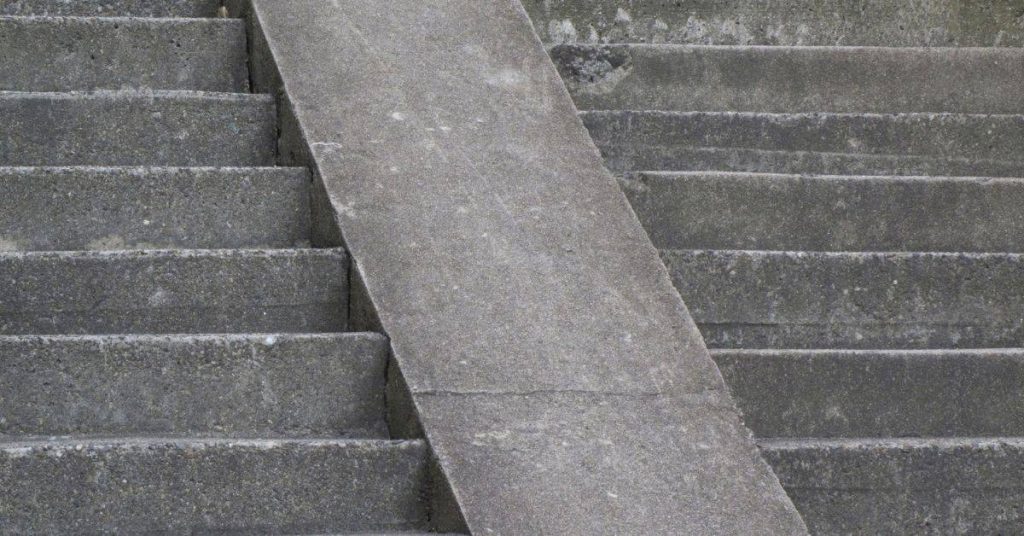
Concrete stairs with a smooth ramp in the middle

Concrete Scaling in Winter: Why the surface flakes and how to stop it

Introduction Concrete scaling in winter is when the top layer peels or flakes off because cold weather, moisture, and repeated freezing push water in and out. Cold temperatures slow curing and make water move through the surface, so you see scaling more on sidewalks, driveways, and slabs that get wet. Watch for slick, rough patches

Concrete Scaling in Winter: Why the surface flakes and how to stop it Read More »

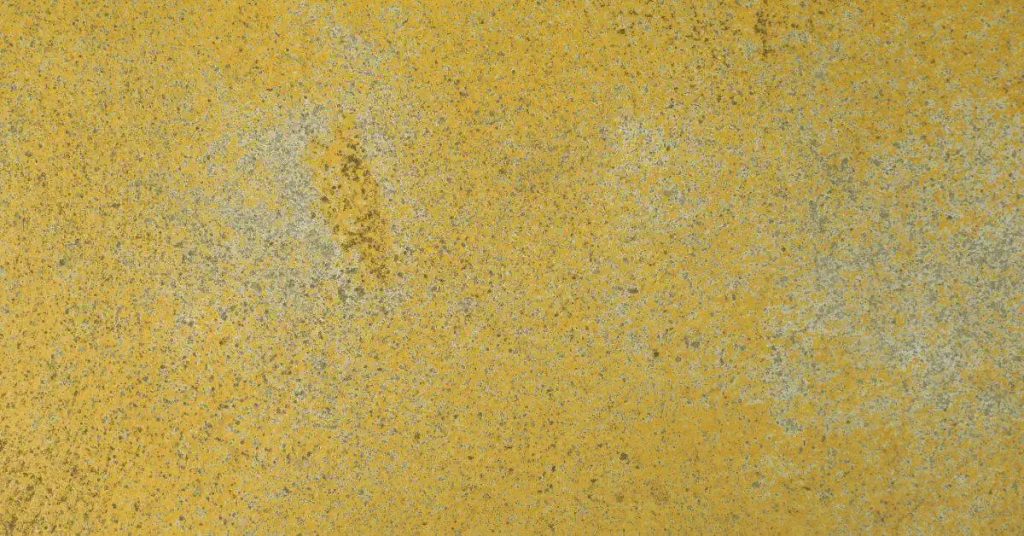
yellow stained concrete surface with varying texture

Concrete Surface Delamination: Causes, diagnosis, and repair that lasts

Introduction Delamination is the surface layer of concrete peeling or separating from the underlying concrete, creating a patchy, hollow feel. It often shows up as a dull patch that may flake or sound hollow when tapped. Lightly tapping suspect areas can help you spot where the top lift isn’t bonded well. To diagnose, look for

Concrete Surface Delamination: Causes, diagnosis, and repair that lasts Read More »

Concrete outdoor table with matching square stools and plants

Broadcast Sand on Concrete: When it helps traction and when it makes a mess

Introduction Broadcasting sand on concrete is the practice of spreading loose sand across a surface to improve traction. It can help when the surface is slick, but it can also track into the house and create a mess if overdone. Best times to broadcast sand are when the surface is dry and conditions won’t quickly

Broadcast Sand on Concrete: When it helps traction and when it makes a mess Read More »