Search Results for: sealing where walls meet floors

Fix Uneven Concrete Slabs: When to Grind, When to Overlay, When to Replace

Fix Uneven Concrete Slabs: When to Grind, When to Overlay, When to Replace

Introduction Grind uneven concrete when the surface has shallow ridges, overlay when the slab is sound but worn, and replace when structural issues are evident. The guide helps you assess condition and decide, with practical steps to choose the right method for durability and value. You’ll learn how to evaluate flatness, cracks, and load needs […]

Fix Uneven Concrete Slabs: When to Grind, When to Overlay, When to Replace Read More »
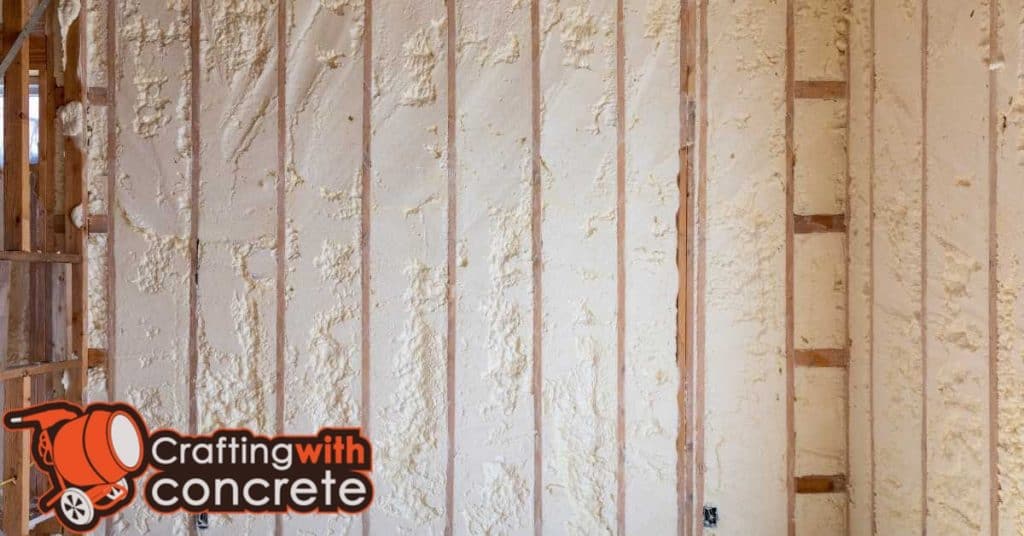
Repairing Concrete After Spray Foam Removal: Patch, Grind, and Prep Steps for a Smooth Finish

Repairing Concrete After Spray Foam Removal: Patch, Grind, and Prep Steps for a Smooth Finish

Introduction Repairing concrete after spray foam removal involves patching damaged spots, grinding to a smooth profile, and properly prepping the surface for a uniform finish. This guide explains practical steps, tips, and everyday best practices you can apply to achieve a seamless repair that accepts paint or coatings. Key takeaways Assess adhesive remnants and unsound

Repairing Concrete After Spray Foam Removal: Patch, Grind, and Prep Steps for a Smooth Finish Read More »

Understanding Spray Foam Insulation and Why Removal Is Needed

Understanding Spray Foam Insulation and Why Removal Is Needed

Introduction Removal is needed when spray foam insulation is damaged or causing moisture, mold, or air-quality issues. You’ll learn how to assess signs of trouble, choose safe removal approaches, and plan for effective post-removal insulation improvements. Key takeaways Identify spray foam types (open-cell vs. closed-cell) and their R-values. Assess health risks and required PPE before

Understanding Spray Foam Insulation and Why Removal Is Needed Read More »

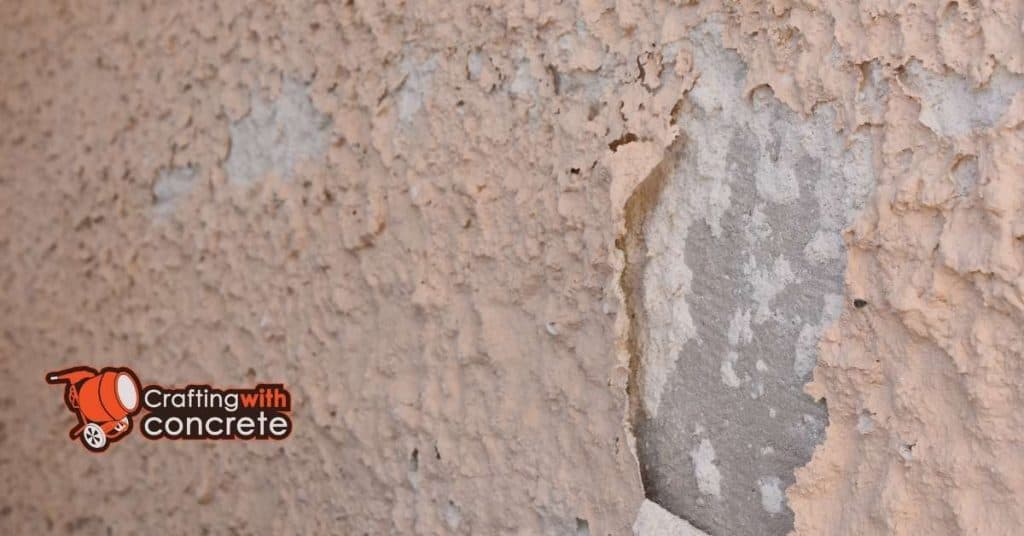
How to Spot Hidden Moisture in Stucco with a Simple Meter

How to Spot Hidden Moisture in Stucco with a Simple Meter

Table of Contents Why hidden moisture in stucco and EIFS matters Quick overview of moisture meters: pin, pinless, and combo Choosing a single, affordable meter for DIY stucco checks When to test: timing and triggers Where to test on stucco and EIFS — high-risk zones Pre-inspection visual checklist Step-by-step scanning workflow using one simple meter

How to Spot Hidden Moisture in Stucco with a Simple Meter Read More »

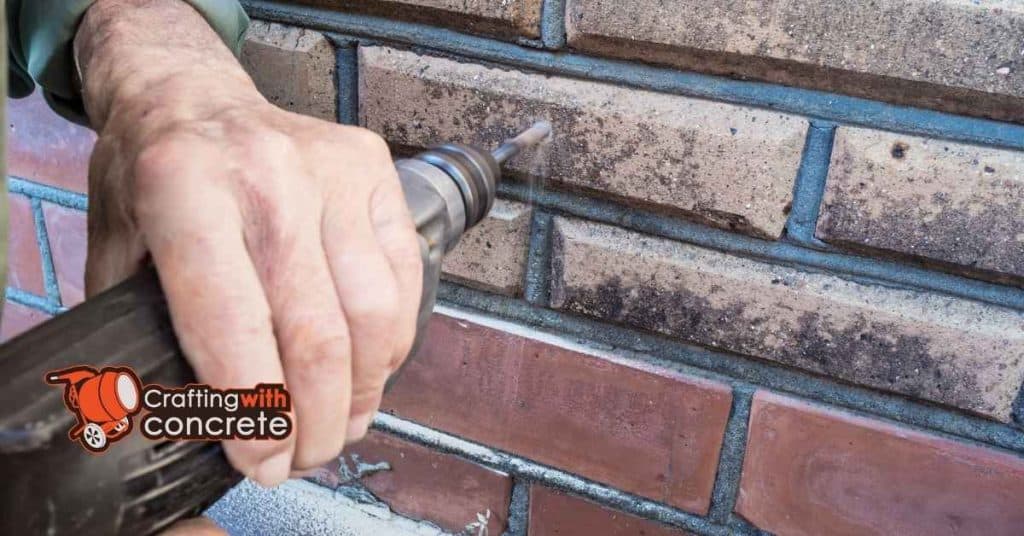
Anchorage in Old Brick—Safe Methods and Cautions

Anchorage in Old Brick—Safe Methods and Cautions

Table of Contents Overview and Purpose Assessing Brick & Mortar Condition Brick Types and Their Implications Mortar Joint Characteristics and Risks Anchor Types—Overview Choosing the Right Anchor Load Types and Calculations Drill Bits, Hole Preparation, and Cleaning Installing Mechanical Anchors (Step-by-Step) Installing Chemical (Adhesive) Anchors (Step-by-Step) Anchoring into Hollow Brick and Cavity Walls Anchorage for

Anchorage in Old Brick—Safe Methods and Cautions Read More »

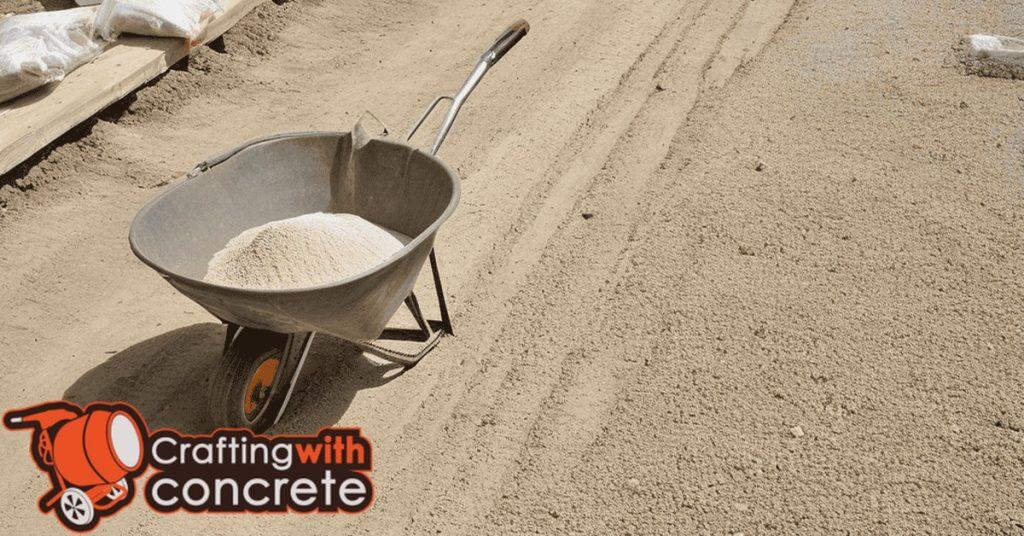
Mixing Pea-Gravel Concrete That Spreads Easily for Pads

Mixing Pea-Gravel Concrete That Spreads Easily for Pads

Table of Contents Overview and Best Uses for Pea-Gravel Concrete Materials, Tools, and Pea-Gravel Prep Mix Designs and Ratios for Flowability Preparing the Base, Forms, and Reinforcement for Pads Step-by-Step Mixing and Placement Procedure Finishing, Curing, and Sealing for Durability Adjusting Mix On-Site: Troubleshooting Workability and Strength Planning, Costing, Safety, and Logistics Maintenance, Common Problems,

Mixing Pea-Gravel Concrete That Spreads Easily for Pads Read More »

Understanding Type Il (portland-Limestone Cement) for Homeowners

Understanding Type Il (portland-Limestone Cement) for Homeowners

Introduction When it comes to construction and home improvement projects, understanding the materials you’re working with is crucial. One such material is Type IL Portland-Limestone Cement, a popular choice for concrete mixtures due to its strength and durability. This guide will help you understand what Type IL cement is, its benefits, and how it’s used

Understanding Type Il (portland-Limestone Cement) for Homeowners Read More »

Low-Carbon Options Slag, Fly Ash, and Calcined Clay for Diyers

Low-Carbon Options: Slag, Fly Ash, and Calcined Clay for Diyers

Table of Contents Why conventional cement and concrete are carbon‑intensive What “low‑carbon concrete” means for DIYers Supplementary cementitious materials (SCMs) overview Ground Granulated Blast‑Furnace Slag (GGBFS) Coal Fly Ash (Class F and Class C) Calcined Clay and LC3 (metakaolin, limestone‑calcined clay cement) Practical DIY mix designs, step‑by‑step recipes and troubleshooting Admixtures, testing, quality control and

Low-Carbon Options: Slag, Fly Ash, and Calcined Clay for Diyers Read More »

Fixing Footprints and Pet Prints Before They Set

Fixing Footprints and Pet Prints Before They Set

Table of Contents Quick assessment: identify the concrete set stage Immediate field repairs for fresh prints (before final set) Tools, materials, and quick kit checklist Repair methods when the surface has slightly set Repairs after concrete has cured (delayed fixes) Decision timeline and quick reference chart Preventive measures to avoid footprints in the first place

Fixing Footprints and Pet Prints Before They Set Read More »