Search Results for: sealer

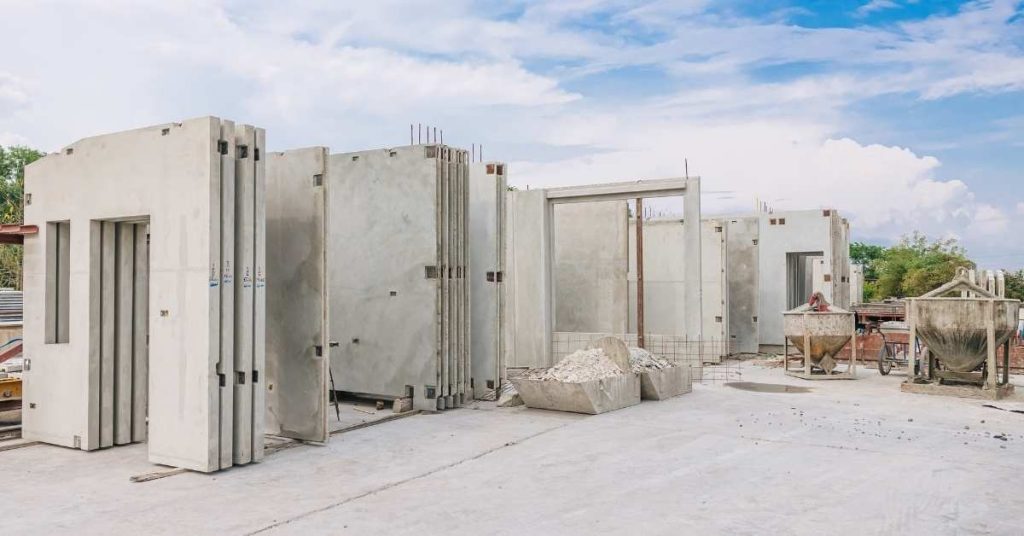
Precast concrete wall panels stored outdoors under cloudy sky

Concrete Patch Color Matching With Integral Pigment: Test Panels, Curing, and Sealer Influence

Introduction Color matching for concrete patches with integral pigment means adding pigment to the mix and comparing test panels to the target shade before a full repair. This article covers how test panels, curing, and sealer options affect the final look and help you spot mismatches early. Common mistakes include uneven coloring and blotchy finishes […]

Concrete Patch Color Matching With Integral Pigment: Test Panels, Curing, and Sealer Influence Read More »

Close-up of a grey concrete wall surface

Concrete Color Samples That Predict Reality: Mockups, Curing Conditions, and Sealer Effects

Introduction Concrete color samples that predict reality are mockups used to forecast how a finished mix will look under curing and sealing. As a hands-on DIY, you compare small, controlled slabs with different curing conditions and sealers to see how color holds up. Always check product labels and manufacturer instructions, and follow local rules for

Concrete Color Samples That Predict Reality: Mockups, Curing Conditions, and Sealer Effects Read More »

Covered porch with painted concrete floor and metal chairs

Controlling Sheen on Concrete Sealers: Matte vs Gloss, Slip Risk, and Maintenance Reality

Introduction Matte and gloss sealers define the look and reflectivity of a concrete surface. A matte finish hides minor wear but can be harder to keep clean, while a gloss finish is clearer but may show wear and slip risk more readily. This article gives a practical, DIY‑friendly overview of what to expect and how

Controlling Sheen on Concrete Sealers: Matte vs Gloss, Slip Risk, and Maintenance Reality Read More »

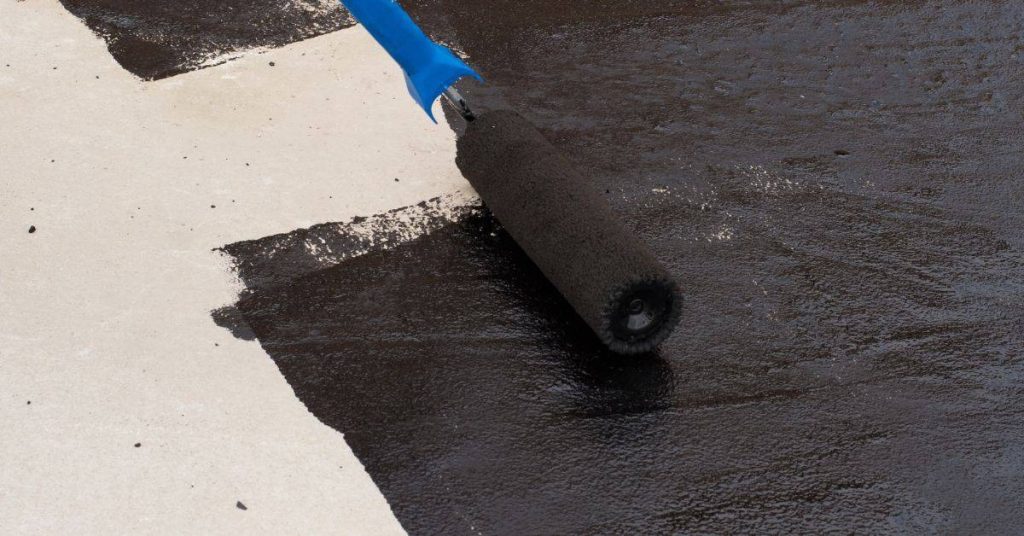
Paint roller applying black sealer on concrete surface

How to Choose a Penetrating Sealer for De-Icing Salt: Silicate vs Silane vs Fluoropolymer

Introduction A penetrating sealer for de-icing salt is a treatment that soaks into concrete to form a protective barrier against salt damage. Common options include silicate, silane, and fluoropolymer blends, each with its own pros and cons. When picking, read the product label and follow manufacturer instructions, and check local rules for your project. Silicate,

How to Choose a Penetrating Sealer for De-Icing Salt: Silicate vs Silane vs Fluoropolymer Read More »

Person pressure washing concrete patio surface

Concrete Sealer Compatibility: Why some sealers refuse to bond to old coats

Introduction Concrete sealer compatibility is about whether a new coating will bond to an existing old sealer or film on the surface. If the old coat has residue, moisture, or incompatible chemistry, the bond can fail. Understanding this helps you avoid a patchy finish. Solvent-based and water-based sealers behave differently with old coatings, so check

Concrete Sealer Compatibility: Why some sealers refuse to bond to old coats Read More »

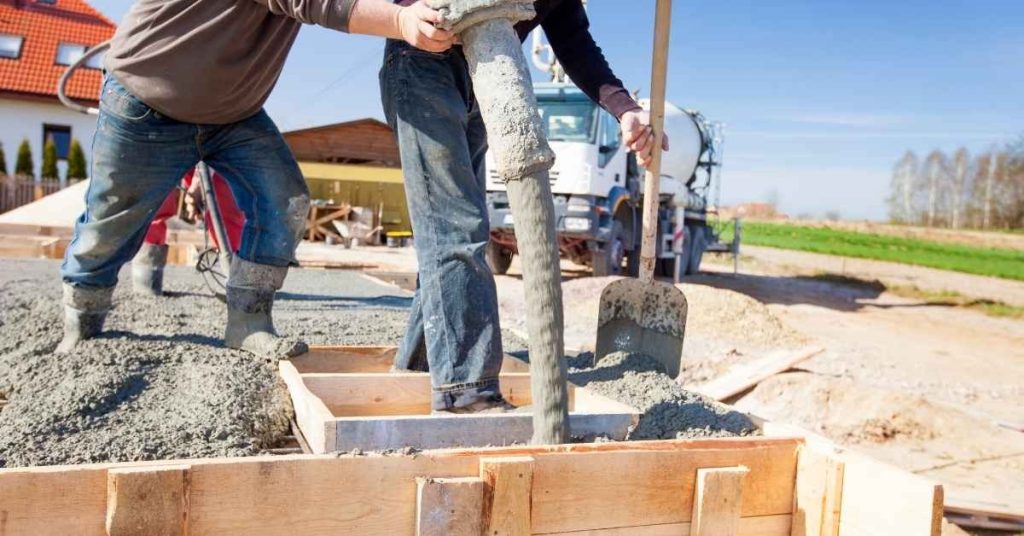
Workers pouring concrete into wooden frame outdoors

Stripping Concrete Sealer: Chemical vs grinding—what’s safer for your slab

Introduction Stripping concrete sealer boils down to choosing between chemical removal and grinding. Chemicals dissolve or soften the sealer, while grinding removes it by abrasion. For DIYers, weigh safety, dust control, and surface prep, and check labels and manufacturer instructions. Grinding creates dust and potential heat, while chemicals require ventilation and proper disposal. Adhesion of

Stripping Concrete Sealer: Chemical vs grinding—what’s safer for your slab Read More »

Two red concrete pump booms reaching upward

Removing Old Acrylic Sealer: Best stripping methods that don’t scar concrete

Introduction Removing old acrylic sealer means stripping the old finish from the concrete surface without gouging it. This DIY guide walks you through practical methods, safety steps, and what to check on product labels. Start by cleaning the area and choosing a method that fits your concrete and sealer type. Follow product instructions and local

Removing Old Acrylic Sealer: Best stripping methods that don’t scar concrete Read More »

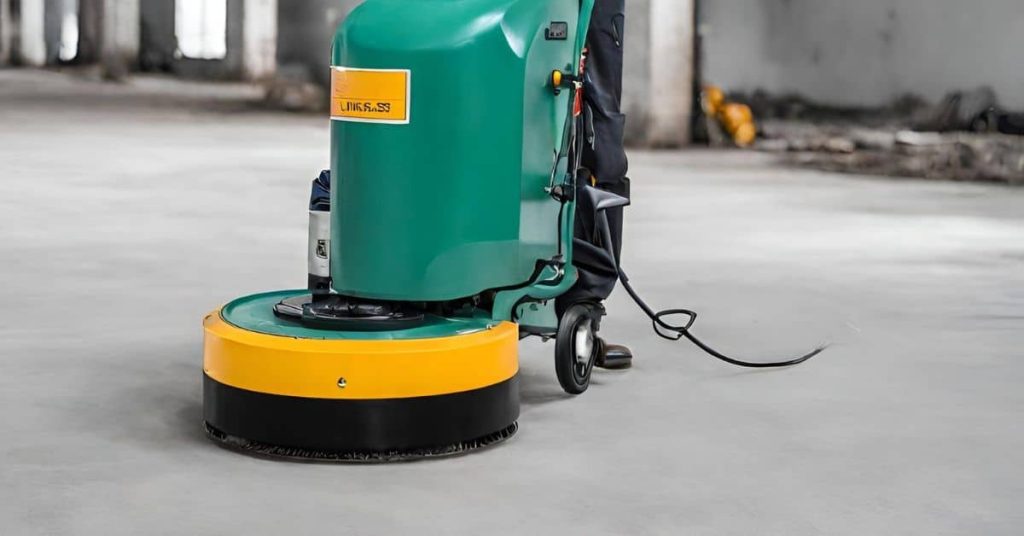
Green and yellow floor cleaning machine on concrete surface

Oil Stains in Concrete: Deep cleaning methods that don’t wreck sealers

Introduction Oil stains in concrete are marks where oil has penetrated the surface and can ruin color and seal performance. They can trap dirt and may interfere with resealing if not treated. This is why addressing them before applying sealers matters. For fresh spills, blot up excess oil and clean with a mild degreaser, then

Oil Stains in Concrete: Deep cleaning methods that don’t wreck sealers Read More »

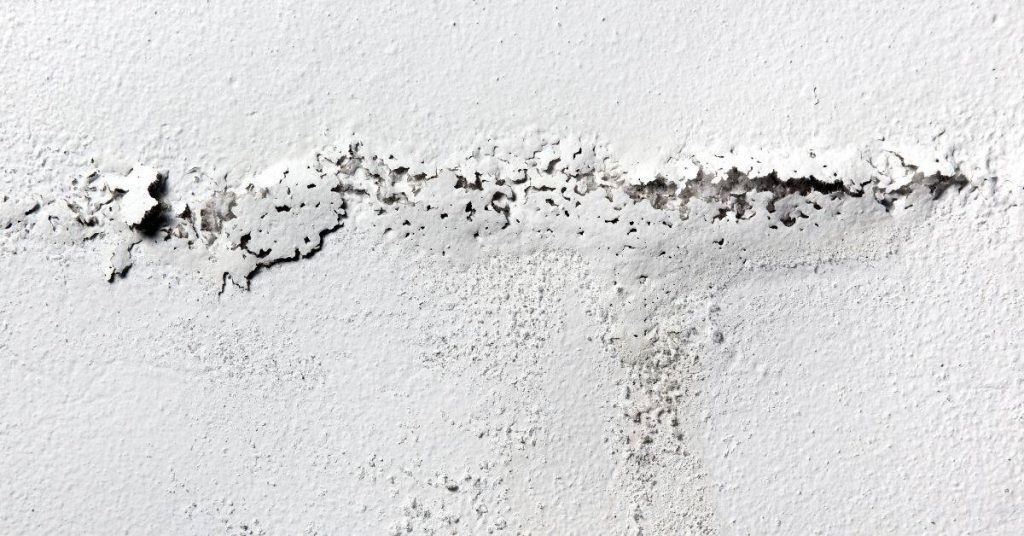
Peeling white paint on rough concrete wall surface

Concrete Sealer on New Concrete: The moisture traps that cause peeling later

Introduction Sealing new concrete can trap moisture and cause peeling later. That moisture gets trapped under the sealer if the surface is still damp or the slab is still curing. Let the concrete cure fully and follow the manufacturer’s guidance before applying any sealer. Before sealing, clean the surface and remove dust, oil, and any

Concrete Sealer on New Concrete: The moisture traps that cause peeling later Read More »

Precast concrete panel resting on sandy ground

Concrete Sealer Whitening After Rain: Causes and how to restore clarity

Introduction Sealer whitening after rain is a cloudy, milky look on newly sealed concrete caused by moisture and uneven drying. It happens when the surface still holds moisture or the sealer cures too fast in damp conditions. Check the product label and local guidelines for ideal conditions and reapplication steps. To prevent it, seal only

Concrete Sealer Whitening After Rain: Causes and how to restore clarity Read More »