Search Results for: sealer

Expansion/Movement Joints: Where to Leave Gaps and How to Finish Them Cleanly

Expansion/Movement Joints: Where to Leave Gaps and How to Finish Them Cleanly

Introduction Leave proper gaps at expansion and movement joints to accommodate building movement and prevent cracking. This introduction explains how to choose appropriate gap sizes, where joints belong, and how to finish them cleanly with durable sealants and proper detailing. You’ll learn practical tips, common mistakes to avoid, and a straightforward approach to creating joints […]

Expansion/Movement Joints: Where to Leave Gaps and How to Finish Them Cleanly Read More »
How Humid Summers Reveal Weaknesses in Diy Concrete Coatings

Prevent DIY Concrete Coating Failures in Humid Summer Weather

Why humid weather causes concrete-coating failures Humid summer weather can expose a weak DIY concrete coating because moisture may be inside or beneath the slab, may condense on a cooler concrete surface, or may push application and cure conditions outside the coating’s technical-data-sheet (TDS) limits. The result can be bubbling, blistering, whitening, haze or blush,

Prevent DIY Concrete Coating Failures in Humid Summer Weather Read More »

Why Concrete Spalling Is Often Caused by More Than Freeze-Thaw Cycles Alone

Why Concrete Spalling Is Often Caused by More Than Freeze-Thaw Cycles Alone

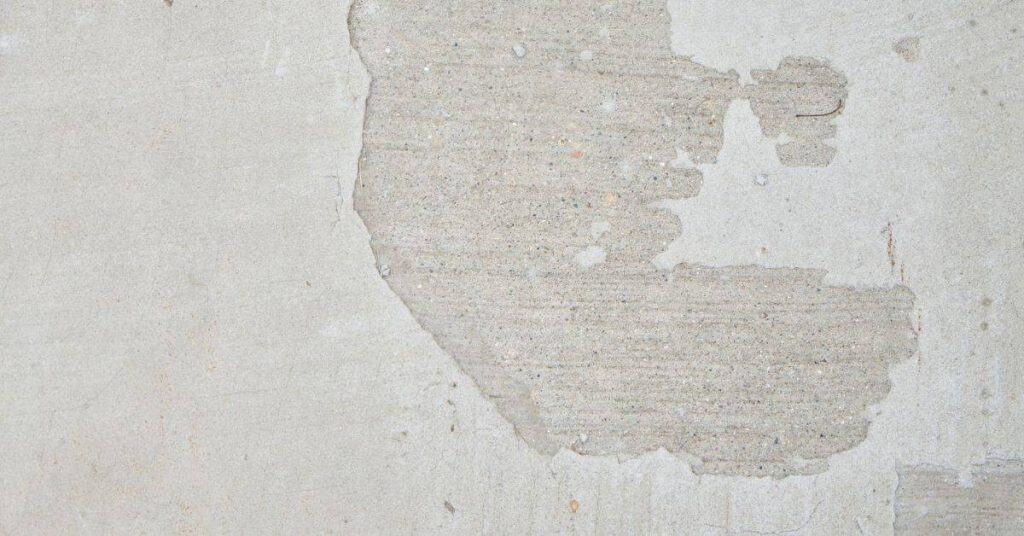
Introduction Concrete spalling is not caused by freeze-thaw cycles alone; moisture, reinforcement, and quality of materials also influence damage. You’ll learn how to assess the other contributing factors, recognize the signs early, and apply practical steps to reduce spalling and extend the life of concrete structures. Back to top ↑ Key takeaways Freeze-thaw is often

Why Concrete Spalling Is Often Caused by More Than Freeze-Thaw Cycles Alone Read More »

Why Painting over Efflorescence Is the Myth That Keeps Sucking Life from Concrete Walls

Why Painting over Efflorescence Is the Myth That Keeps Sucking Life from Concrete Walls

Introduction Painting over efflorescence is not a real fix for moisture and can trap water inside concrete walls. In this guide you’ll learn how to recognize moisture issues, properly prepare the surface, choose breathable coatings, and apply a treatment plan that prevents future efflorescence. The steps and tips provided aim to give you practical, durable

Why Painting over Efflorescence Is the Myth That Keeps Sucking Life from Concrete Walls Read More »

The Simple Test Every DIYer Misses That Saves Time on Concrete Crack Repairs

The Simple Test Every DIYer Misses That Saves Time on Concrete Crack Repairs

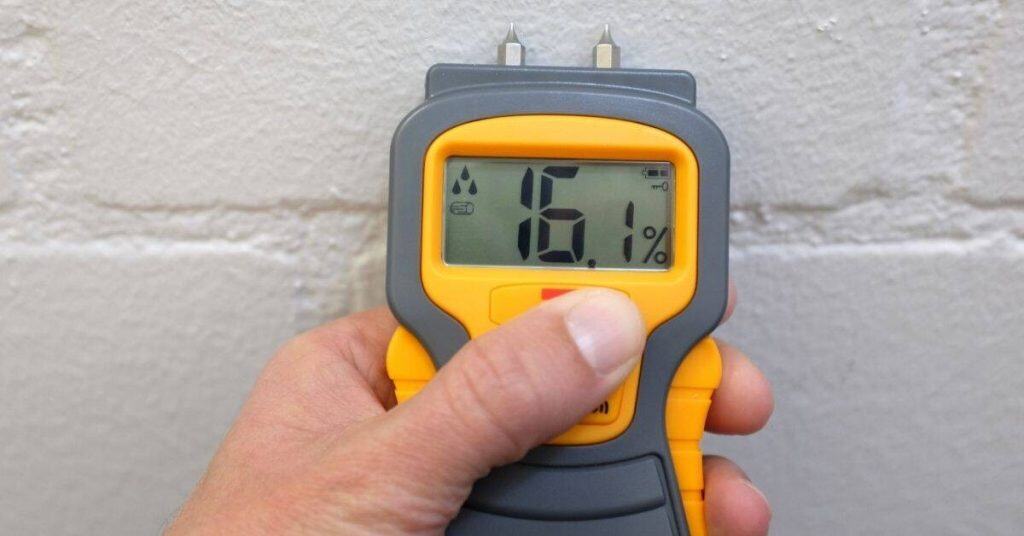
Introduction A quick surface moisture test tells you when to fix concrete cracks rather than guessing. This guide walks you through practical steps and simple tips for assessing moisture, timing repairs, and applying durable fixes that reduce future cracking. Back to top ↑ Key takeaways Diagnosis beats sealer choice: moisture and movement reveal repair priorities.

The Simple Test Every DIYer Misses That Saves Time on Concrete Crack Repairs Read More »

The Compatibility Trap: How Mixing Eifs with Incompatible Paints Leads to Moisture Traps

The Compatibility Trap: How Mixing Eifs with Incompatible Paints Leads to Moisture Traps

Introduction Mixing EIFS with incompatible paints can trap moisture and cause damage to the wall system. You’ll learn how to spot common compatibility issues, why moisture becomes trapped, and practical steps to prevent failures. The guide walks through simple rules of thumb and decision-making tips you can apply when choosing coatings and planning maintenance. Back

The Compatibility Trap: How Mixing Eifs with Incompatible Paints Leads to Moisture Traps Read More »

A Diyer’s Guide to Recognizing When Cracks Signal Foundation Problems Vs. Surface Issues

A Diyer’s Guide to Recognizing When Cracks Signal Foundation Problems Vs. Surface Issues

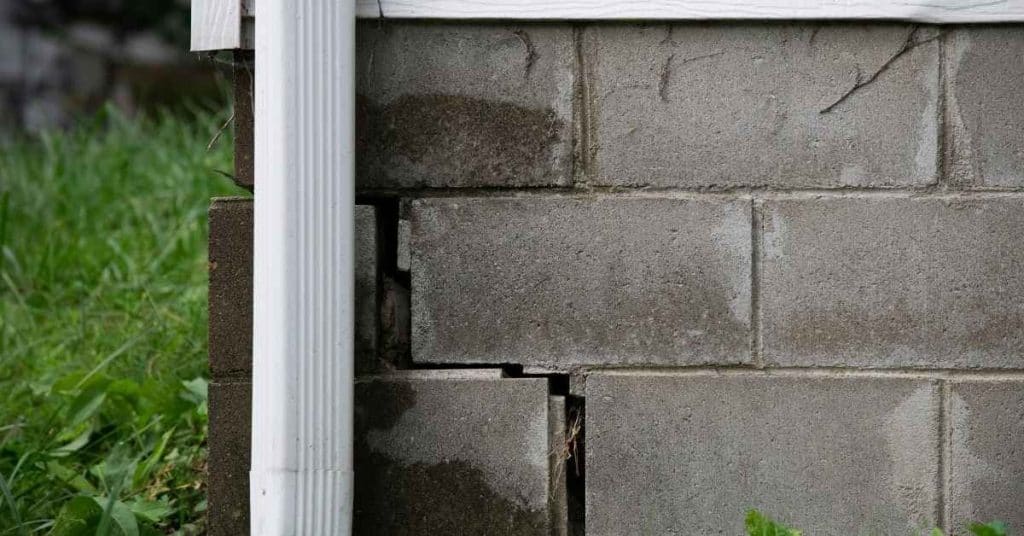
Introduction Cracks in a home can indicate serious foundation problems or simply surface issues, and this guide helps you tell the difference. You’ll learn practical ways to assess crack type and progression, so you can decide what actions are necessary. The guide walks through common crack patterns, simple observations you can make, and when it’s

A Diyer’s Guide to Recognizing When Cracks Signal Foundation Problems Vs. Surface Issues Read More »

The Freeze-Thaw Pattern That Makes Concrete Repairs Fail in Low-Temperature Zones

The Freeze-Thaw Pattern That Makes Concrete Repairs Fail in Low-Temperature Zones

Introduction Freeze-thaw cycles cause concrete repairs to fail in low-temperature zones. The guide explains how repeated freezing and thawing weakens repair bonds and highlights practical steps—such as material choices, protective measures, and maintenance routines—you can apply in cold climates to improve durability. Key takeaways Choose cold‑climate mixes with low water-cement ratio and air entrainment for

The Freeze-Thaw Pattern That Makes Concrete Repairs Fail in Low-Temperature Zones Read More »

Why Mortar Isn’t Always the Right Pick for Thinset Replacement in Your Tile Projects

Why Mortar Isn’t Always the Right Pick for Thinset Replacement in Your Tile Projects

Introduction Mortar isn’t always the right choice for replacing thinset in tile projects. This article explains when mortar can work, when it can’t, and how to choose the best substrate and technique for a durable tile installation. You’ll learn practical guidance on evaluating your substrate, selecting appropriate materials, and applying them correctly to avoid failures.

Why Mortar Isn’t Always the Right Pick for Thinset Replacement in Your Tile Projects Read More »