Search Results for: seal brick

Close-up of stucco render partially covering fiberglass mesh

EIFS Impact Damage Prevention: Mesh Weights, Additional Layers, and Vulnerable Zone Detailing

Introduction EIFS impact damage prevention means using proper mesh weights, extra applications, and careful detailing in vulnerable zones to resist impact. As a DIYer, you’ll focus on securing the base coat mesh, adding layers as allowed, and outlining high-risk areas. Always check the product label and local rules for what’s allowed. Start by identifying vulnerable […]
EIFS Impact Damage Prevention: Mesh Weights, Additional Layers, and Vulnerable Zone Detailing Read More »

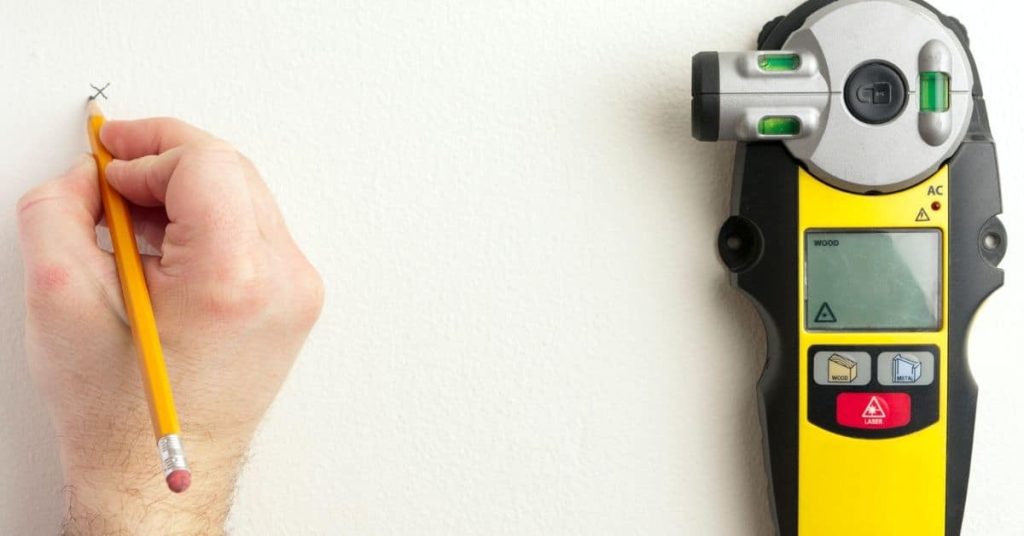
Hand marking wall with pencil next to electronic stud finder

How to Measure Stucco Thickness Without Demo: Probe Holes, Depth Gauges, and Patching Cleanly

Introduction Measuring stucco thickness without removing it means checking how thick the outer layer is using probes, gauges, and careful patching. You’ll learn to use probe holes and depth gauges to estimate thickness and plan repairs. This article keeps things practical and safe for DIY homeowners. Tools needed for measuring stucco thickness include a probe

How to Measure Stucco Thickness Without Demo: Probe Holes, Depth Gauges, and Patching Cleanly Read More »

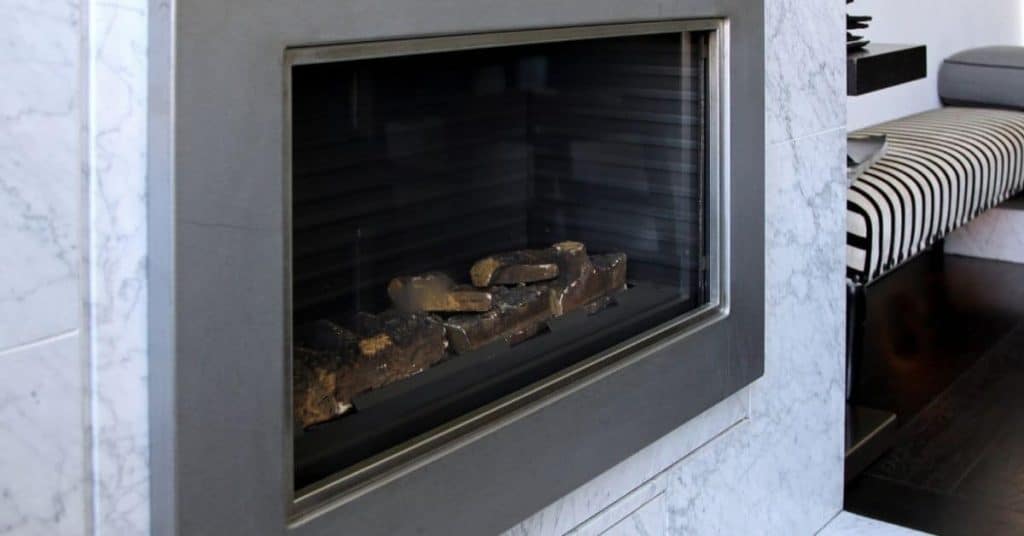
Modern gas fireplace with marble surround and striped bench nearby

Concrete Fireplace Surrounds: Heat Cycling, Crack Control, and Safe Clear-Coat Options

Introduction Concrete fireplace surrounds are finished concrete frames around a fireplace that can handle heat cycling with proper care. They need attention to how heat shifts and ages the surface, especially where the surround meets the hearth and mantel. The goal is a durable, even finish that resists cracking and looks good for years. Crack

Concrete Fireplace Surrounds: Heat Cycling, Crack Control, and Safe Clear-Coat Options Read More »

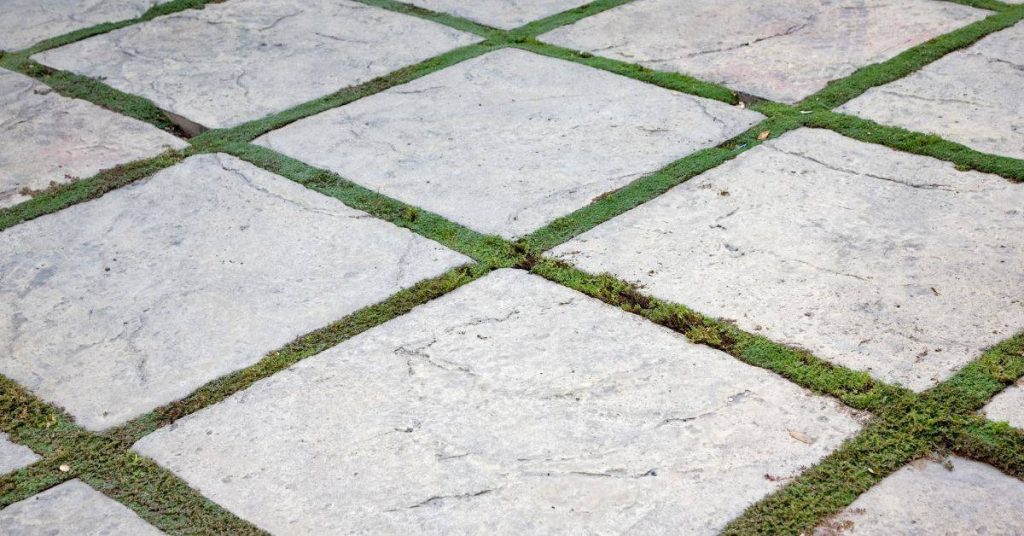
Square stone pavers with green moss in the joints

Sandblasted Finishes: Uniformity Tricks and How to Avoid Shadowing Around Joints

Introduction Sandblasted finishes are a textured surface created by blasting marble with abrasive media to reveal the stone’s grain. The result is a matte, slip-resistant look that hides tiny flaws and can add character to a space. As a DIY project, it’s important to understand that consistency comes from planning, the right media, and steady

Sandblasted Finishes: Uniformity Tricks and How to Avoid Shadowing Around Joints Read More »

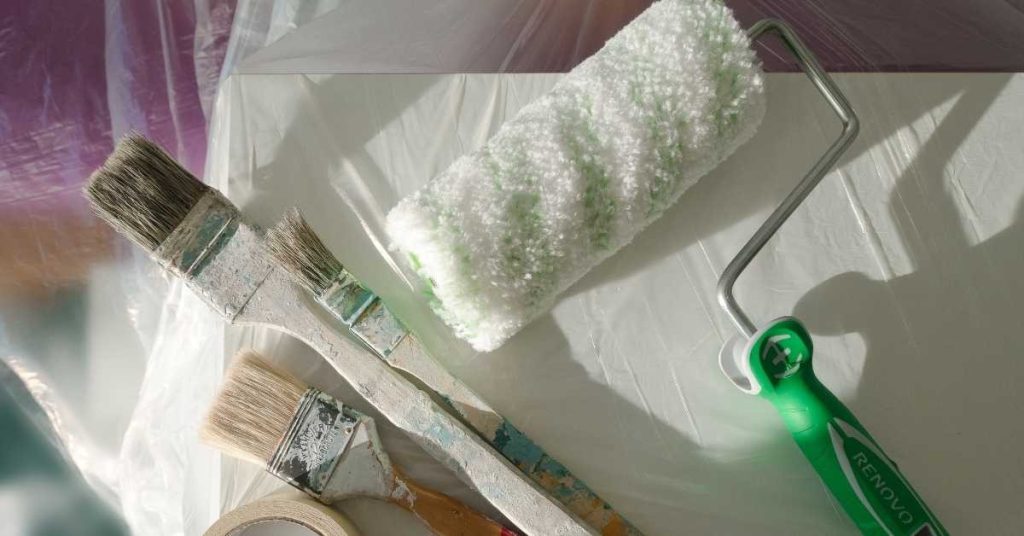
Three paintbrushes and a paint roller on a plastic sheet

Anti-Graffiti Coatings on Masonry and Concrete: Sacrificial vs Permanent Systems

Introduction Anti-graffiti coatings are protective barriers for masonry and concrete that simplify graffiti removal. Sacrificial coatings are designed to be removed along with graffiti and re-applied, while permanent systems stay on the surface and resist staining. Both aim to simplify cleanup and reduce damage, but choose based on maintenance tolerance and environment. Application methods vary

Anti-Graffiti Coatings on Masonry and Concrete: Sacrificial vs Permanent Systems Read More »

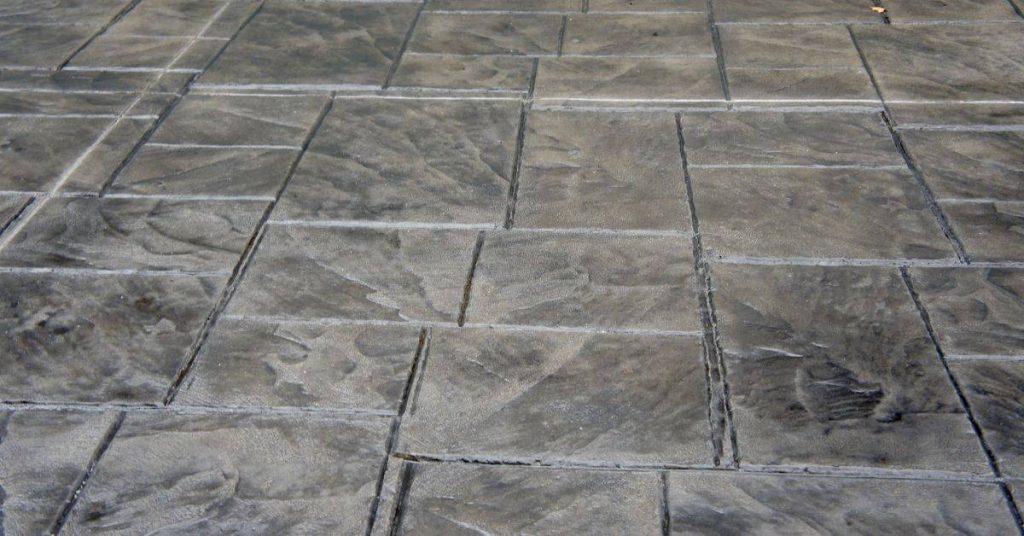
Stamped concrete patio surface with rectangular patterns

Deck Coatings Over Concrete: Urethane Traffic Coatings vs Acrylic Systems

Introduction Urethane traffic coatings and acrylic systems are two common deck coatings for concrete that you apply to protect and beautify a surface. This article gives a plain‑language look at how each one works and what to expect from applying them. Areas we support cover common concrete decks and patios in residential settings. For questions

Deck Coatings Over Concrete: Urethane Traffic Coatings vs Acrylic Systems Read More »

Freshly poured wet concrete slab inside an unfinished room

Preventing Efflorescence From New Concrete: Water Sources, Curing, and Breathable Protection

Introduction Efflorescence is the white, powdery or crusty mineral deposit that appears on concrete when water moves minerals to the surface. It happens when moisture inside the slab or plaster carries soluble salts to the surface as it evaporates. Identify sources of moisture—wet curing, rain exposure, groundwater, or humid environments—and understand that surface coatings can

Preventing Efflorescence From New Concrete: Water Sources, Curing, and Breathable Protection Read More »

Red brick house exterior with two garage doors and chimney

Drainage for Exterior Stairs and Landings: Small Grading Tweaks That Prevent Icy Sheets

Introduction Drainage for exterior stairs and landings means shaping and directing water away so the surfaces stay safe and dry. Keep a clear slope away from the door and across each tread, and use simple edging or a shallow path to guide water toward a drain or into the surrounding ground. Check your local rules

Drainage for Exterior Stairs and Landings: Small Grading Tweaks That Prevent Icy Sheets Read More »

Close up of concrete floor grinding machine in use

Fixing Trip Hazards on Sidewalks: Grinding Limits, Overlay Risks, and Code-Ish Thresholds

Introduction Trip hazards on sidewalks are uneven or crowned surfaces that can snag a foot and cause a fall. For a DIY approach, start by evaluating where and how the surface is out of plane and plan gentle corrections rather than drastic reshaping. Keep changes modest, clearly mark the area, and work in daylight to

Fixing Trip Hazards on Sidewalks: Grinding Limits, Overlay Risks, and Code-Ish Thresholds Read More »

Cracked white mortar on red brick wall in sunlight

Latex (SBR) Modifiers in Repair Mortars: Strength Gains vs Breathability Losses

Introduction Latex (SBR) modifiers are synthetic rubber additives used in repair mortars to improve flexibility and adhesion. They help the mortar resist cracking as concrete moves, but they can reduce breathability if overused. Always check the product label and manufacturer instructions for recommended usage and cure expectations. In textile-reinforced mortars (TRMs), SBR modifiers can boost

Latex (SBR) Modifiers in Repair Mortars: Strength Gains vs Breathability Losses Read More »