Search Results for: seal brick

Wooden lath exposed behind damaged plaster wall

Repairing Plaster Where Lath Is Loose: Refastening vs Replacing and How to Decide

Introduction Repairing plaster where lath is loose means choosing between refastening the existing lath and replacing damaged lath. This article helps you decide which path fits your wall and how to do it safely. It keeps things practical and ready for a DIY project, not a textbook. To decide, start by locating loose lath and […]

Repairing Plaster Where Lath Is Loose: Refastening vs Replacing and How to Decide Read More »

White electrical outlet on a painted white wall

Limewash Over Previously Painted Walls: What Prep Makes It Stick (and What Doesn’t)

Introduction Limewash can be applied over previously painted walls with proper prep to let it stick. Start by cleaning and inspecting the surface, scraping off loose paint, and washing until it’s clean and dry. Then follow the product label directions and any local rules for bonding or priming as needed. In practice, the beginners’ approach

Limewash Over Previously Painted Walls: What Prep Makes It Stick (and What Doesn’t) Read More »

rusty masonry trowel with wooden handle on white background

Choosing Caulk for Masonry Joints: Polyurethane vs Hybrid vs Silicone Where Each Wins

Introduction Polyurethane, hybrid, and silicone caulks each have different strengths for masonry joints, and the right choice depends on movement, exposure, and adhesion. In practice, ‘caulk’ and ‘sealant’ are terms you’ll hear used for similar products, but the key is how much they can stretch and how well they grip masonry. This article walks through

Choosing Caulk for Masonry Joints: Polyurethane vs Hybrid vs Silicone Where Each Wins Read More »

Yellow hard hat, safety gloves, white mask, and safety glasses on table

Categories

Categories: Concrete Practical concrete guides for DIY projects and repairs. You’ll find step-by-step help with prep, forms, reinforcement, finishing, curing, sealing, and troubleshooting common failures. If you’re new to concrete, start with curing/finishing timing and moisture basics first—they prevent most expensive mistakes. Stucco Stucco and cement-based render guides focused on details that prevent water damage

Categories Read More »

fresh concrete partially poured on rough surface

Using Burlap for Wet Curing: How to Keep It Wet Without Staining the Surface

Introduction Burlap can be used to keep concrete moist during curing without staining the surface when applied correctly. This method relies on evenly saturated burlap laid over the fresh pour and kept moist. Check the burlap material and manufacturer guidance for suitability and any surface protection needs. Choose burlap that is plain and untreated, and

Using Burlap for Wet Curing: How to Keep It Wet Without Staining the Surface Read More »

Unfinished basement with concrete block walls and wooden stairs

Isolation Joints Under Walls and Thresholds: Compressible Fillers That Don’t Squish Out

Introduction Isolation joints under walls and thresholds use compressible fillers to bridge gaps and accommodate movement. Common options include soft, elastic fillers like silicone or rubber that resist squishing out and stay in place as concrete cures. Always check the product label and manufacturer guidance for expansion limits and compatibility with concrete and sealants. Install

Isolation Joints Under Walls and Thresholds: Compressible Fillers That Don’t Squish Out Read More »

Hand applying white plaster with metal putty knife

Lime Putty Storage and Aging: What ‘Mature’ Lime Changes in Workability and Strength

Introduction Aging lime putty changes its workability and strength with time. Store it in breathable containers and keep it from direct moisture and temperature swings. In practice, older lime can feel different to work with than fresh material; check the manufacturer’s storage guidance for specifics. What you notice in the mix tells you how mature

Lime Putty Storage and Aging: What ‘Mature’ Lime Changes in Workability and Strength Read More »

Close-up of decorative plaster floral relief pattern

Sgraffito on Lime Plaster: Layering Colors, Cutting Timing, and Protecting the Artwork

Introduction Sgraffito on lime plaster is a decorative technique where you scrape away a colored top layer to reveal a contrasting color beneath. It relies on careful layering of lime plaster and pigment, followed by controlled cutting to create that contrast. Make sure you verify weather conditions, surface preparation, and product instructions before starting. Start

Sgraffito on Lime Plaster: Layering Colors, Cutting Timing, and Protecting the Artwork Read More »

Textured blue stucco wall with recessed section

Retrofitting Drainage Behind Barrier Stucco: What’s Realistic and What’s Wishful Thinking

Introduction Retrofitting drainage behind barrier stucco means creating a practical path for moisture to escape from behind the stucco without compromising the wall. Start with a careful visual check of the barrier, flashing, and any visible weep gaps, then plan based on your wall type and conditions. Always verify with manufacturer instructions and local rules

Retrofitting Drainage Behind Barrier Stucco: What’s Realistic and What’s Wishful Thinking Read More »

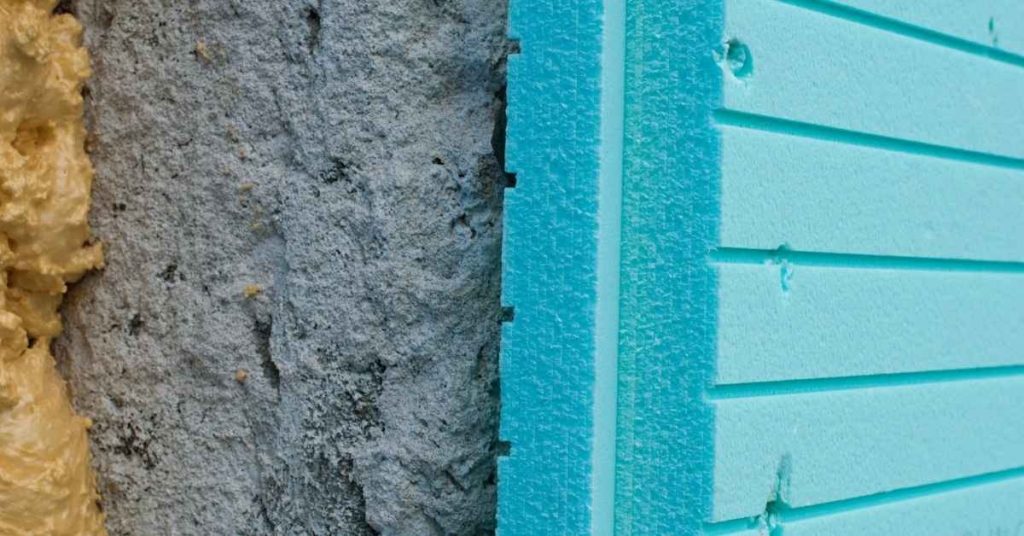
Close-up of blue foam insulation board and rough stucco surface

EIFS Below-Grade Terminations: Why Foam Near Soil Fails and Safer Transition Details

Introduction EIFS below-grade terminations are where the exterior foam and finish system meet the soil and must be protected from moisture. In practice, foam right at the soil line tends to fail when moisture wicks in or freeze-thaw cycles push against it. Check the product label and local building guidelines for approved details, and adapt

EIFS Below-Grade Terminations: Why Foam Near Soil Fails and Safer Transition Details Read More »