Search Results for: screed bead

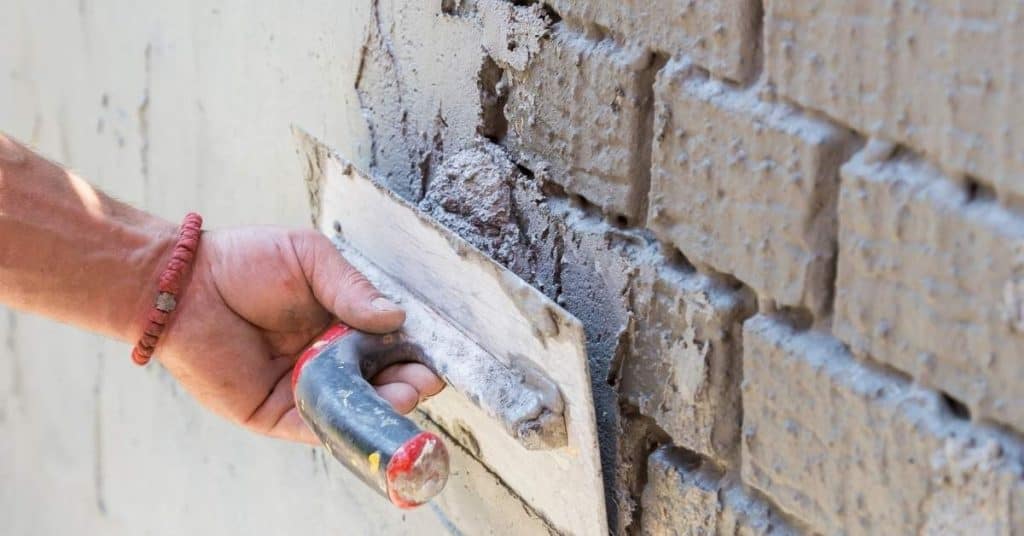
Hand applying plaster to rough brick wall with trowel

How to Patch Plaster Over Brick Arches Without ‘Shadow Lines’ Reappearing

Introduction Patching plaster over brick arches means applying new plaster to cover the brick and hide uneven shadows. You’ll aim for a flat, uniform surface that looks seamless with the surrounding wall. Work in small steps, keeping the mix workable and the surface clean as you go. Start by inspecting for loose bricks or dust, […]

How to Patch Plaster Over Brick Arches Without ‘Shadow Lines’ Reappearing Read More »

Close up of cracked and peeling plaster on wall

Repairing Plaster After Recessed Lighting Install: Keeping the Patch Flush and Crack-Free

Introduction Repairing plaster after recessed lighting install means restoring the wall or ceiling so the patch sits flush with surrounding plaster and hides the cut edges. Start by cleaning the area and inspecting for cracks or loose material. Check product labels and local rules for recommended patching methods and drying times. Apply a patching compound

Repairing Plaster After Recessed Lighting Install: Keeping the Patch Flush and Crack-Free Read More »

Hand wearing glove installing fastener into foam board insulation

Stucco Over Foam Board: Choosing Mesh Weights and Avoiding ‘Wavy Wall’ Syndrome

Introduction This article explains how to apply stucco over foam board and why mesh weight matters. You’ll learn about choosing the right mesh and what to watch for to keep the wall flat. We’ll keep it practical and hands-on, with steps you can check on the job site. Start by confirming your foam board and

Stucco Over Foam Board: Choosing Mesh Weights and Avoiding ‘Wavy Wall’ Syndrome Read More »

Close up of foam insulation and stucco edge

How to Repair a Missing Stucco ‘Drip Edge’ at Horizontal Bands (So Water Stops Tracking Back)

Introduction A missing stucco drip edge is the built‑in edge of the stucco that directs moisture away and stops water from tracking back into the wall. Without it, water can wend its way behind the band and cause staining or leaks. To fix it, plan to add proper edging or flashing where the horizontal band

How to Repair a Missing Stucco ‘Drip Edge’ at Horizontal Bands (So Water Stops Tracking Back) Read More »

Reinforcing mesh embedded in stucco corner near white wall

Stucco Corner Cracks at Windows: Mesh Layout That Actually Stops the Repeat Cracks

Introduction A proper mesh layout at window corners is a reinforcement plan that helps stop cracks from reappearing. It keeps the stucco from pulling away where the frame meets the opening. Check manufacturer instructions and local rules for acceptable mesh sizes and application methods. I lay out the mesh so it overlaps the corner edges

Stucco Corner Cracks at Windows: Mesh Layout That Actually Stops the Repeat Cracks Read More »

Clean concrete foundation corner with metal anchors installed

Concrete Window Well Pad: Making a Small Slab That Sheds Water Away From the Wall

Introduction A concrete window well pad is a small slab poured around a window well to shed water away from the foundation. It’s a DIY-friendly project that helps stop splash and seepage. You’ll need to plan, mix, pour, and finish with a slope away from the wall. Start by checking the wall clearance and establishing

Concrete Window Well Pad: Making a Small Slab That Sheds Water Away From the Wall Read More »

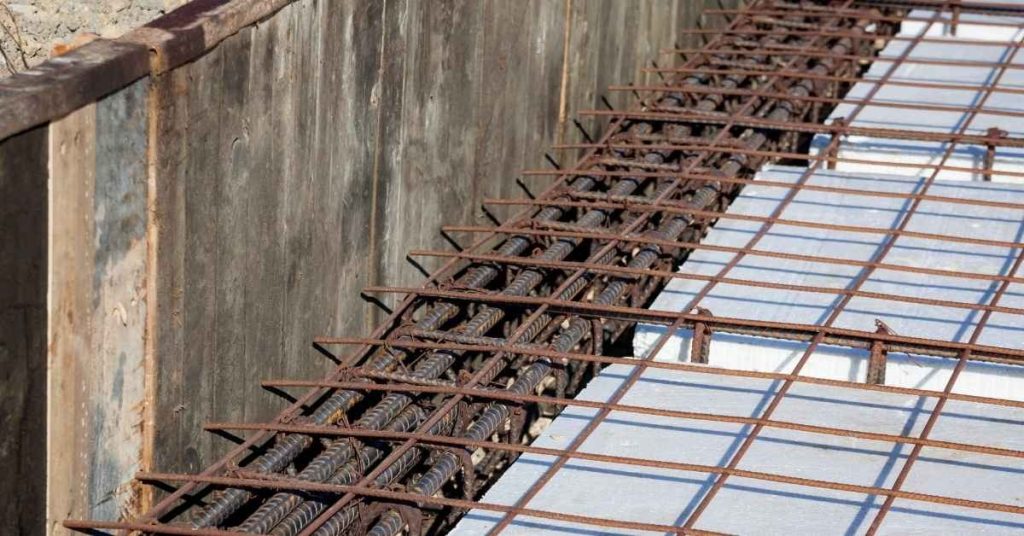
Steel rebar grid and wooden concrete formwork at slab edge

How to Patch a Concrete Slab Edge With a ‘Return’ Form (So It Doesn’t Chip Off Again)

Introduction A patch for a concrete slab edge with a return form is a method to rebuild the edge so it doesn’t chip again. It’s a hands-on repair that focuses on shaping the edge and sealing it with materials suited for your concrete. You’ll want to assess the chipped edge, pick appropriate repair materials, and

How to Patch a Concrete Slab Edge With a ‘Return’ Form (So It Doesn’t Chip Off Again) Read More »

White insulated concrete forms stacked outdoors on grass

DIY Concrete Door Sill / Threshold Pour: Forms, Drip Edge, and Sealant Joint

Introduction A DIY concrete door sill/threshold pour is a hands-on project to create a flat, durable doorway transition using simple forms, controlled pours, and proper finishing. You’ll set up forms to hold the concrete at the right height and shape, then plan for a drip edge and a clean joint where the sill meets the

DIY Concrete Door Sill / Threshold Pour: Forms, Drip Edge, and Sealant Joint Read More »

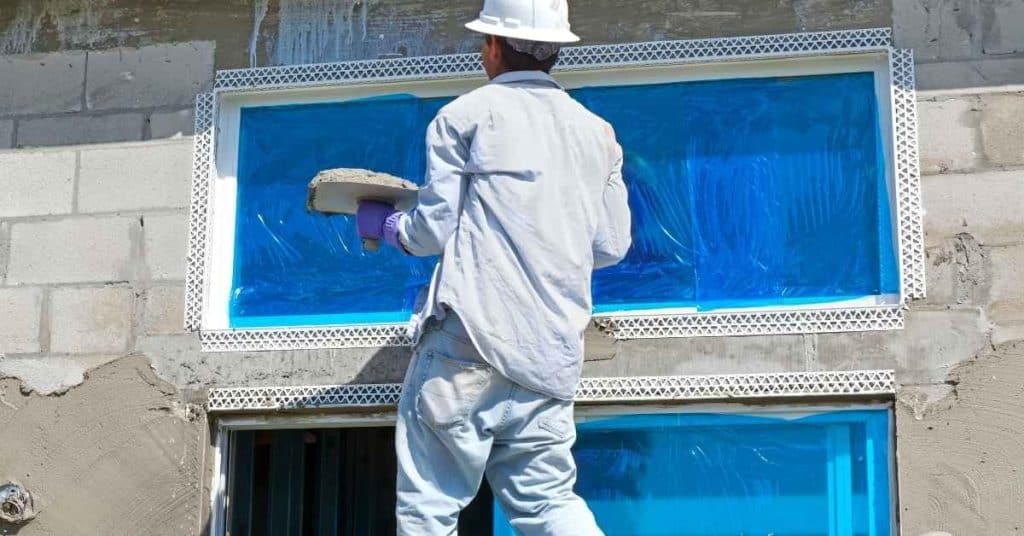
Worker applying stucco around window frames on building exterior

Caulking Stucco to Window Joints: Where to Seal and Where to Leave Drainage

Introduction Caulking stucco to window joints means sealing the gaps where the stucco meets the window frame to keep water out and air in check. It’s a hands-on job that protects the wall and helps prevent leaks. You’ll want to know where not to seal so drainage isn’t blocked and you don’t trap moisture. Start

Caulking Stucco to Window Joints: Where to Seal and Where to Leave Drainage Read More »