Search Results for: scarifying

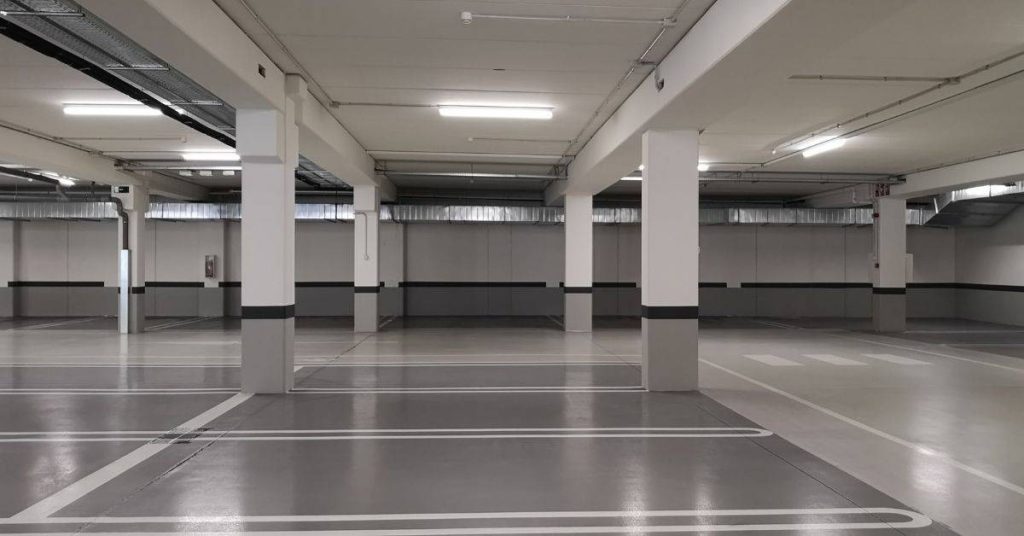
Empty indoor concrete parking garage floor with white lines

Fixing an Acid-Etched Concrete Garage Floor: Neutralize, Profile, and Recoat Systems

Introduction This article explains how to neutralize an acid-etched concrete garage floor and prepare it for a new coating. You’ll compare surface preparation methods like acid etching versus mechanical grinding and pick the approach that fits your space and budget. Always verify what your chosen method requires by reading the product instructions and your local […]

Fixing an Acid-Etched Concrete Garage Floor: Neutralize, Profile, and Recoat Systems Read More »

Worker applying plaster to wall with trowel

Smoothing Interior Concrete Block Walls: Skim Coats, Bonding, and Moisture Concerns

Introduction Smoothing interior concrete block walls means applying a skim coat to create a flat, paint-ready surface. It’s a light, even layer that fills small voids and helps the wall accept finish coats. The key is good bonding and proper moisture handling before you start. Lean on simple steps: clean and rough up the surface,

Smoothing Interior Concrete Block Walls: Skim Coats, Bonding, and Moisture Concerns Read More »

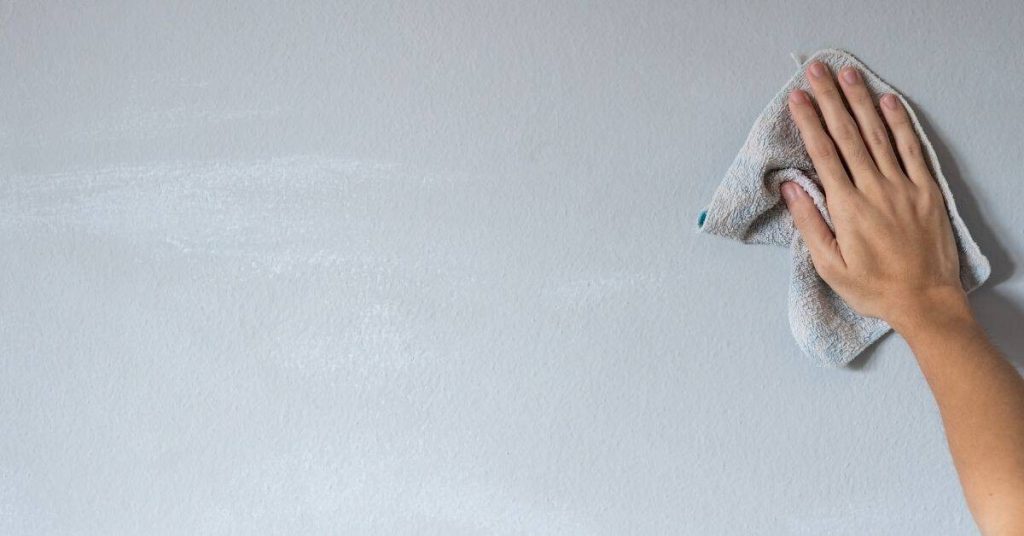
Hand wiping plaster wall with gray cleaning rag

Restoring Plaster After Smoke Damage: Cleaning, Sealing, and When Skims Won’t Bond

Introduction Restoring plaster after smoke damage means cleaning soot from surfaces, sealing with an appropriate primer, and addressing spots where skim coats won’t bond. This is a hands-on job you can tackle with basic tools, but you’ll need to verify suitability with product labels and local rules. Start with a gentle cleaning method that won’t

Restoring Plaster After Smoke Damage: Cleaning, Sealing, and When Skims Won’t Bond Read More »

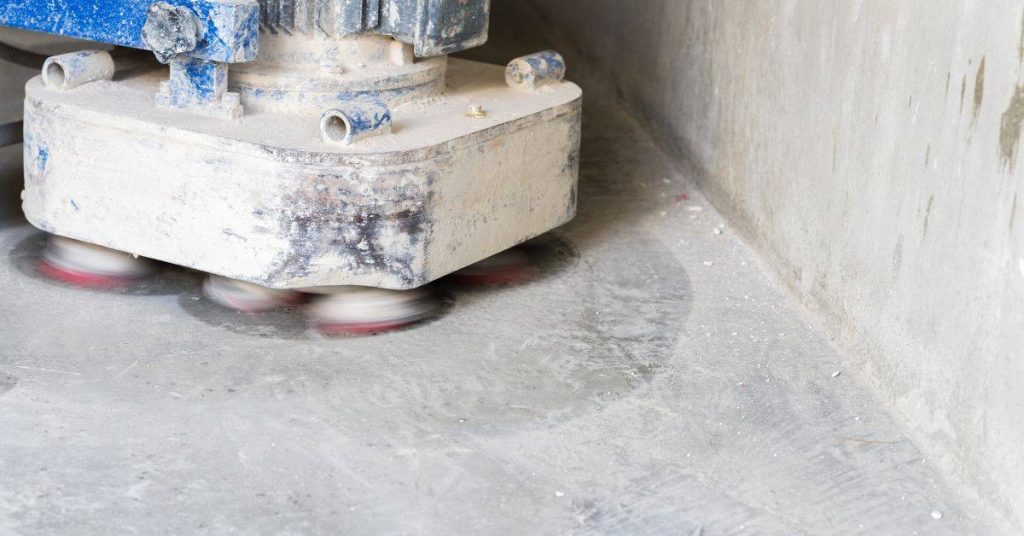
Close-up of concrete floor grinding machine in action

Grinding High Spots on Concrete: How Deep Is Safe Before You Hit Trouble

Introduction Grinding high spots on concrete is the process of removing tiny amounts of surface to bring the floor to a level plane. It’s a hands-on job that starts with locating the high spots and planning the approach, not blasting away blindly. Check your grinder’s guard, power rating, and the manufacturer’s instructions before you begin,

Grinding High Spots on Concrete: How Deep Is Safe Before You Hit Trouble Read More »

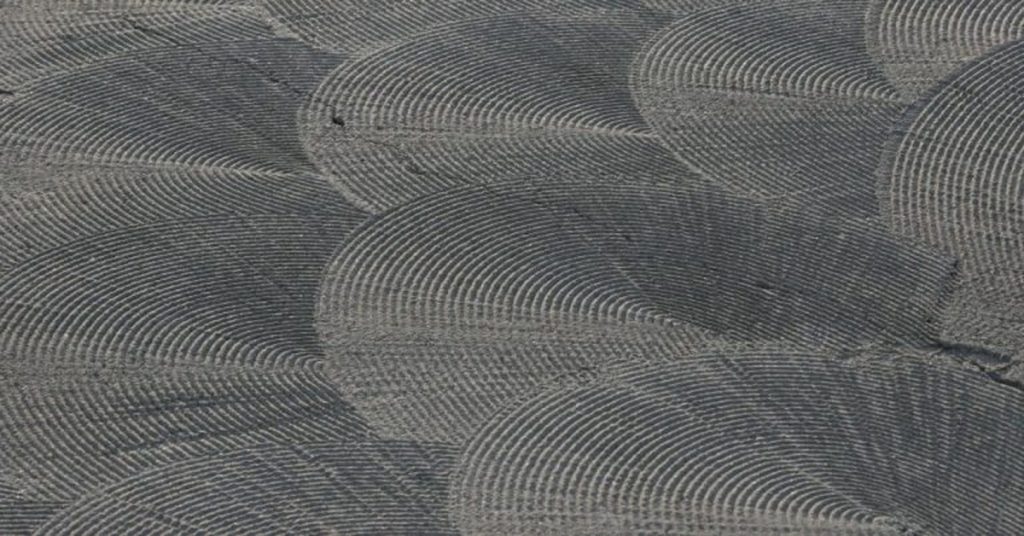
concrete surface with circular textured pattern

Adding Texture to Slick Concrete: Mechanical vs Chemical Methods and What Holds Up

Introduction Texturing slick concrete means creating a non-slip, patterned surface using either mechanical tools or chemical treatments. Mechanical methods bite into the surface with grinder discs, scarifiers, or brushes, while chemical methods react the surface to leave a grip pattern. Both approaches require clean, dry conditions and a plan for the look you want, plus

Adding Texture to Slick Concrete: Mechanical vs Chemical Methods and What Holds Up Read More »

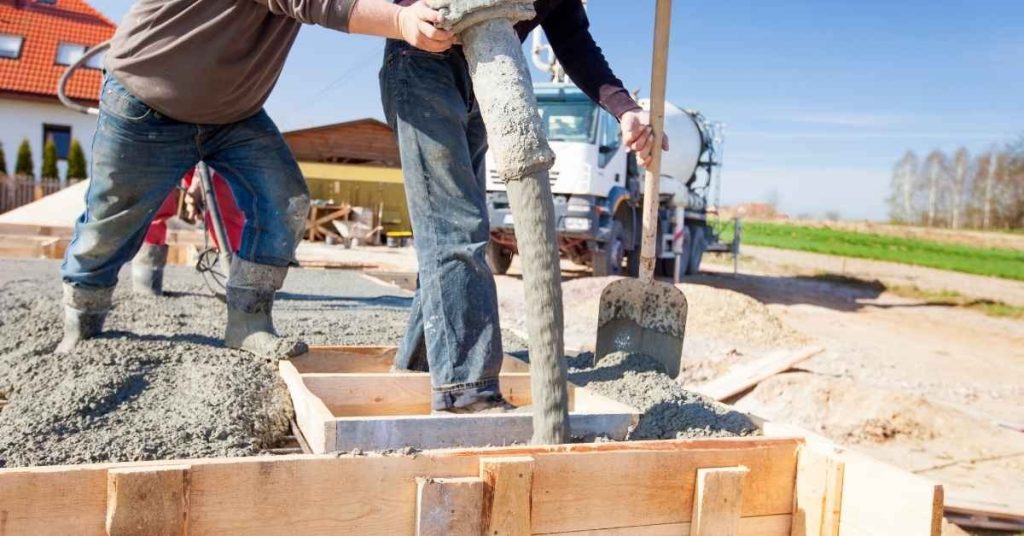
Two workers pouring concrete into wooden formwork outdoors

Pouring Concrete in Two Lifts: Cold Joint Risks and How to Make the Interface Strong

Introduction Pouring concrete in two lifts means placing concrete in one lift, pausing, and then adding a second lift later, which creates a joint between pours. That joint, or cold joint, can be weaker if the surfaces don’t bond well or if the second pour doesn’t integrate with the first. Understanding how this joint forms

Pouring Concrete in Two Lifts: Cold Joint Risks and How to Make the Interface Strong Read More »

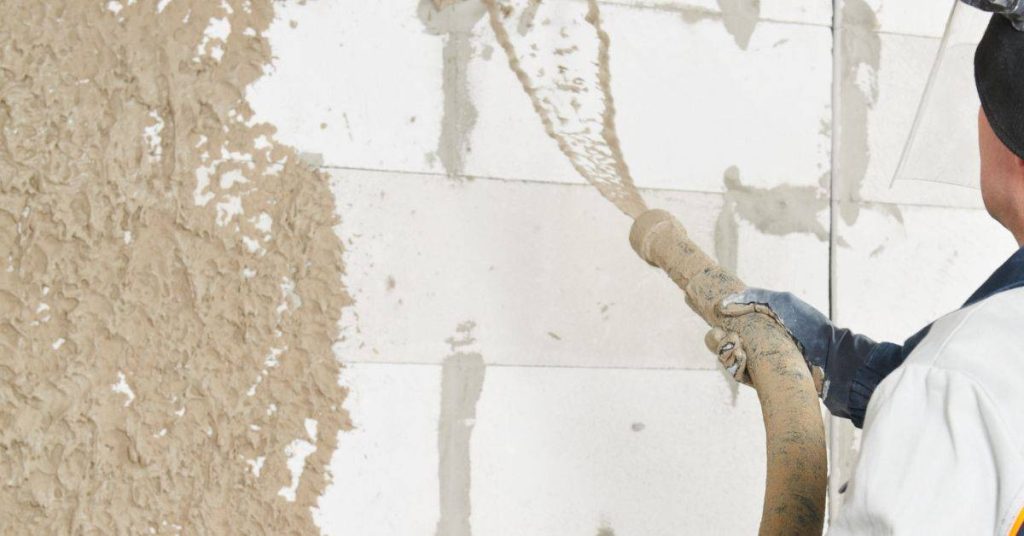
Person spraying stucco mixture onto a wall

How to Fix a Stucco Patch That Dries Too Fast: Pre-Wetting and Cure Mist Schedules

Introduction Pre-wetting and cure mist schedules help control how fast a stucco patch dries. This simple approach keeps the patch workable and reduces cracking. Set up a light dampening routine and watch for a smooth, even surface as you work. Common causes of rapid drying are sun exposure, wind, and heat on the patch area.

How to Fix a Stucco Patch That Dries Too Fast: Pre-Wetting and Cure Mist Schedules Read More »

Concrete floor grinder machine working on concrete surface

Concrete Grinding Grit Guide: What 16, 30, 60, 120 Actually Do to a Surface

Introduction Grinding concrete with grit sizes is how you condition the surface by progressively removing roughness and shallow imperfections. In practice, coarser grits like 16 and 30 remove material quickly, while finer grits such as 60 and 120 smooth and refine the finish. Start with a surface assessment and plan the steps based on your

Concrete Grinding Grit Guide: What 16, 30, 60, 120 Actually Do to a Surface Read More »

Clear glass bowl with white powder under shoe rack

Urethane Topcoat Blushing: Humidity, Solvents, and How to Clear It

Introduction Blushing is a cloudy, milky haze that forms on a polyurethane topcoat surface when moisture or solvents react with the film. In humid conditions or when solvents evaporate too quickly, this haze can appear and stay until the finish dries. Recognizing it early helps you decide whether to slow down, adjust the environment, or

Urethane Topcoat Blushing: Humidity, Solvents, and How to Clear It Read More »

Colorful plastic zip ties in white yellow green and orange

How to Use Plastic Sheet Tests Correctly: Condensation vs Darkening and What Each Means

Introduction A plastic sheet test is a simple DIY method to observe whether moisture on a concrete surface is from condensation or from darkening. You place a clear plastic sheet on the surface for a set period and check for fogging or dampness under the sheet. Use it as a quick check during finishing work,

How to Use Plastic Sheet Tests Correctly: Condensation vs Darkening and What Each Means Read More »