Search Results for: rebar

Weathered wooden fence post with rusty barbed wire attached

DIY Concrete for Fence Posts in Wet Soil: Bell Holes, Gravel, and Frost-Heave Tricks

Introduction DIY concrete for fence posts in wet soil means setting posts in a stable base using bell holes, a layer of gravel, and tricks to manage frost movement. This method helps keep posts upright when the ground is soggy. Plan to pour and cure with attention to drainage and stability and to follow local […]

DIY Concrete for Fence Posts in Wet Soil: Bell Holes, Gravel, and Frost-Heave Tricks Read More »

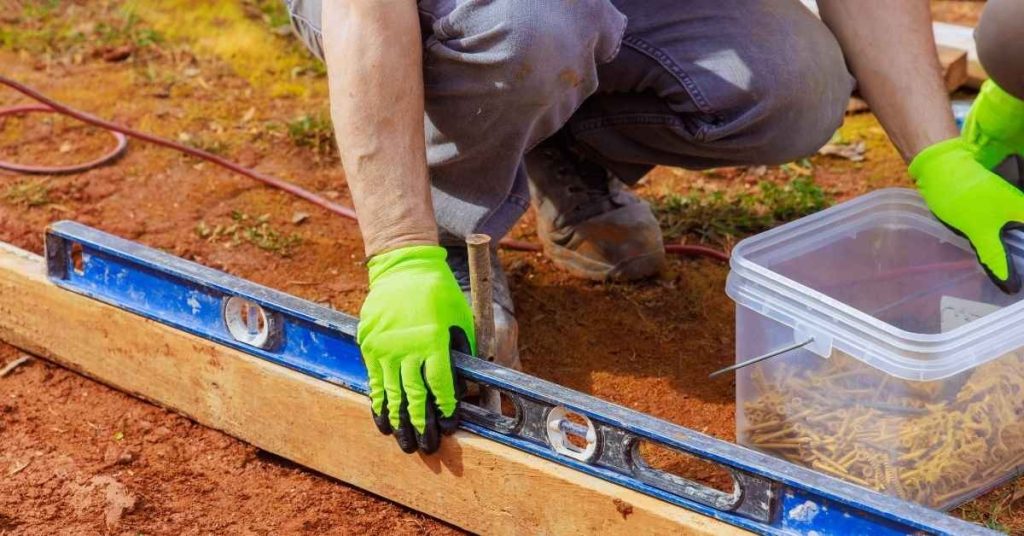
Person using level on wooden form with screws nearby

DIY Concrete ‘Rock Face’ Texture: Simple Form Liner Alternatives

Introduction Rock-face texture in concrete is a rough, split-look finish created with simple form liners. This article covers easy, affordable ways to get that look without heavy equipment. You’ll want to check the liner instructions and local rules before you start. If you don’t have ready-made liners, you can improvise with basic plywood or foam

DIY Concrete ‘Rock Face’ Texture: Simple Form Liner Alternatives Read More »

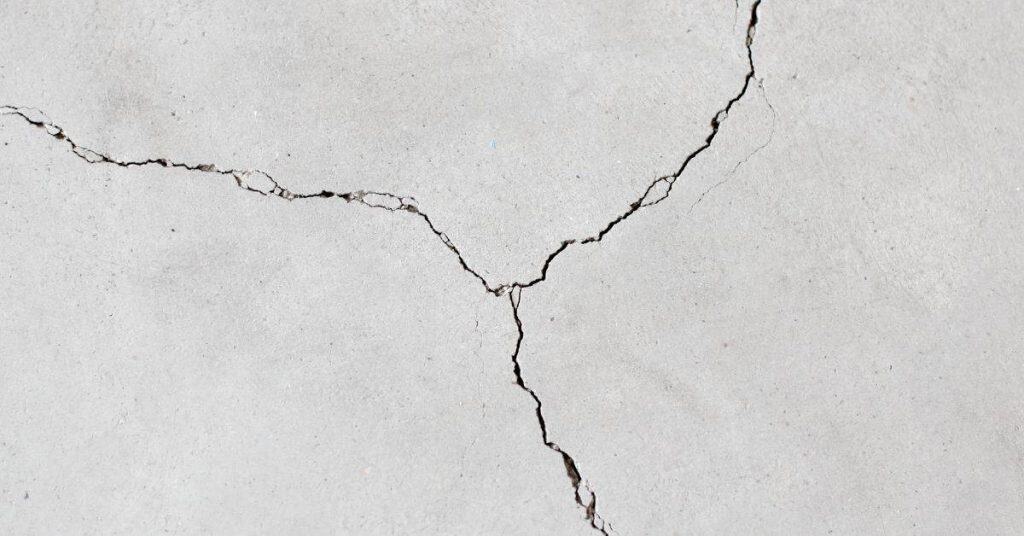
Close-up of a concrete surface with multiple cracks

How to Reinforce a Thin Concrete Overlay Over Plywood (So It Won’t Crack)

Introduction A thin concrete overlay over plywood is a lightweight concrete layer applied on a plywood subfloor to smooth and level the surface while staying thin enough to avoid excessive buildup. It must be prepared and reinforced properly to resist cracking in normal use. Check manufacturer instructions and local rules for feasibility and any limits.

How to Reinforce a Thin Concrete Overlay Over Plywood (So It Won’t Crack) Read More »

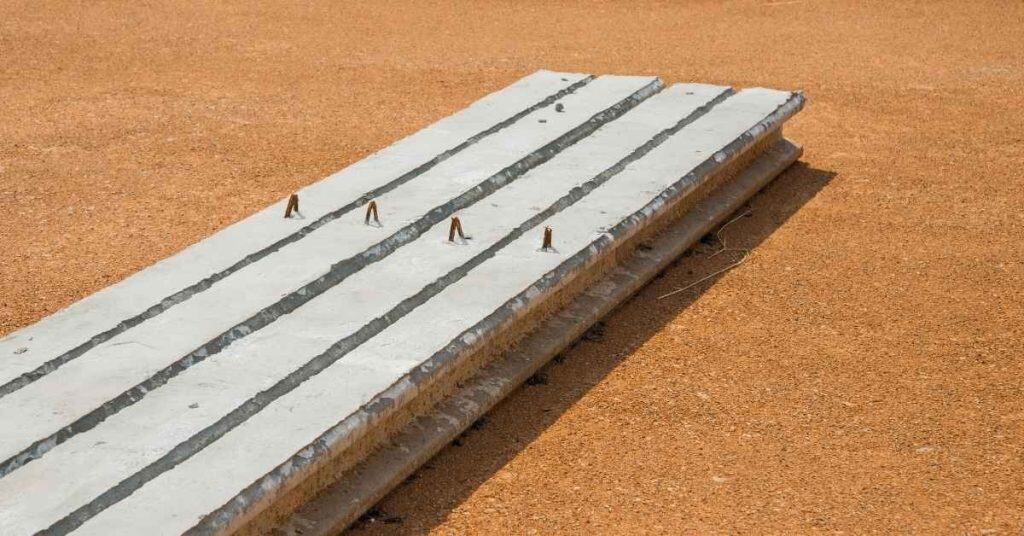
Concrete precast panel with metal rebar rods

How to Make a Concrete ‘Inlay’ House Number Panel (Clean Lines, No Spalling)

Introduction A concrete inlay house number panel is a built-in decorative panel that houses your address numbers flush with the surface. The goal is clean lines and a durable fit that resists spalling when exposed to weather. This article covers practical steps for creating the inlay and keeping the edges sharp while avoiding common mistakes.

How to Make a Concrete ‘Inlay’ House Number Panel (Clean Lines, No Spalling) Read More »

Box fan on concrete floor with damp stains and wall marks

Sealer Blush/Whitening on Concrete: Causes, Tests, and Fixes That Don’t Trap Moisture

Introduction Sealer blush or whitening on concrete is a cloudy, milky haze that appears on the surface when moisture moves through the material and brings minerals to the surface. It often shows up after sealing or in humid, wet conditions and can look like a fuzzy white film. It’s a common DIY issue on pavers

Sealer Blush/Whitening on Concrete: Causes, Tests, and Fixes That Don’t Trap Moisture Read More »

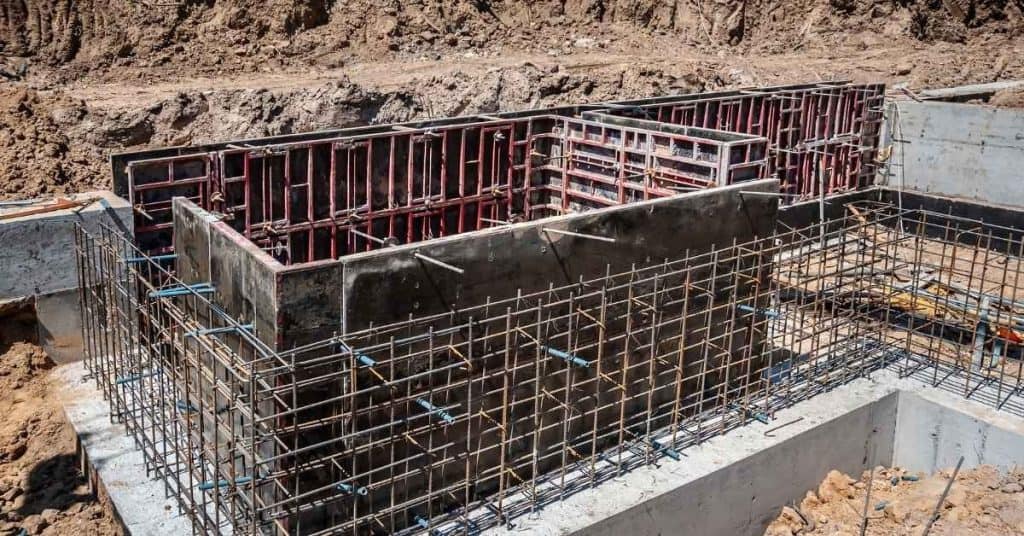
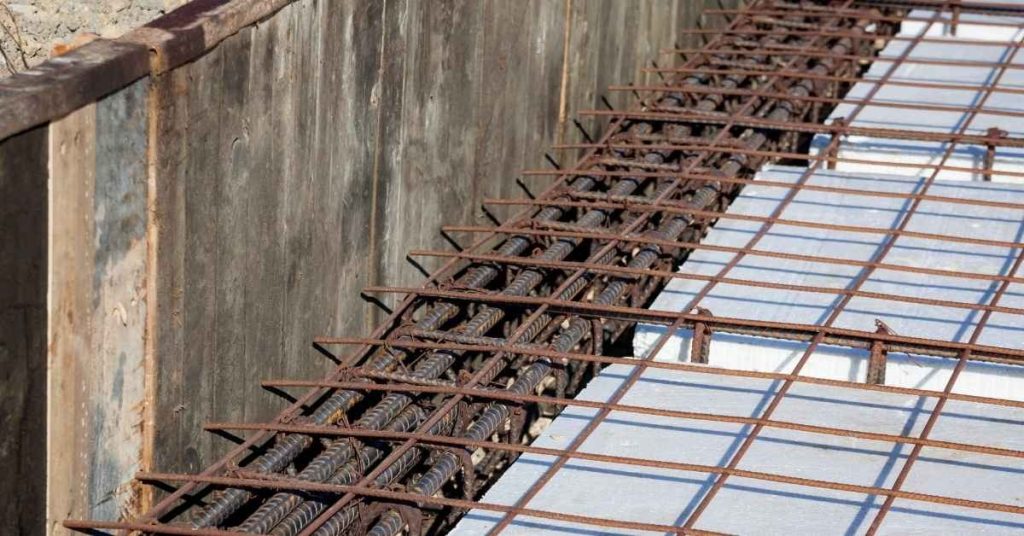
Steel rebar grid and wooden concrete formwork at slab edge

How to Patch a Concrete Slab Edge With a ‘Return’ Form (So It Doesn’t Chip Off Again)

Introduction A patch for a concrete slab edge with a return form is a method to rebuild the edge so it doesn’t chip again. It’s a hands-on repair that focuses on shaping the edge and sealing it with materials suited for your concrete. You’ll want to assess the chipped edge, pick appropriate repair materials, and

How to Patch a Concrete Slab Edge With a ‘Return’ Form (So It Doesn’t Chip Off Again) Read More »

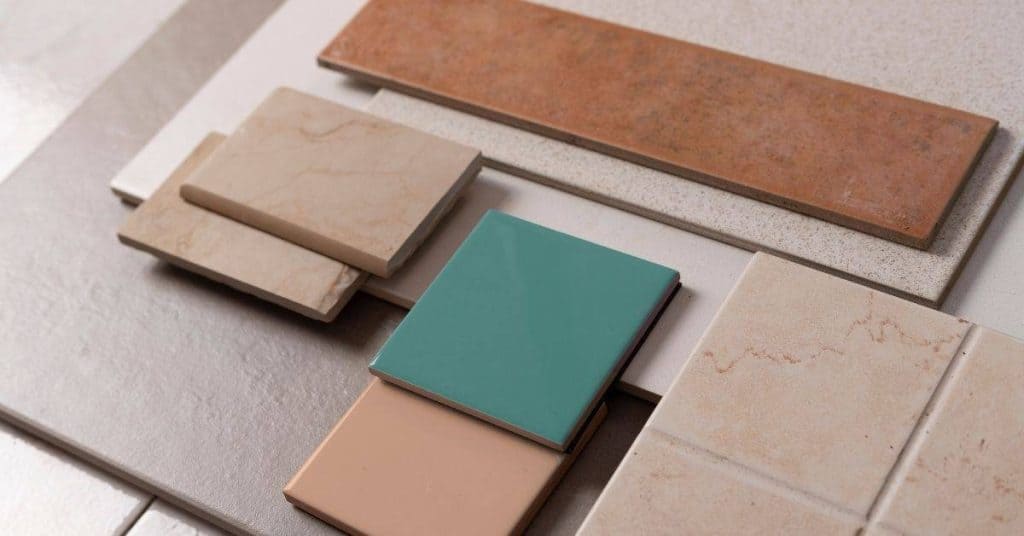
Various ceramic and porcelain tile samples arranged on a surface

Tile Trim Profiles Explained: Metal vs. PVC vs. Bullnose (Clean Edges for DIYers)

Introduction Tile trim profiles are the finishing edges and transition pieces that give tiles a clean, protected edge and smooth corners as you tile a wall or floor. Common options include metal trims (like aluminum or stainless steel), PVC trims, and bullnose edge trims, each with its own look and install feel. The best choice

Tile Trim Profiles Explained: Metal vs. PVC vs. Bullnose (Clean Edges for DIYers) Read More »

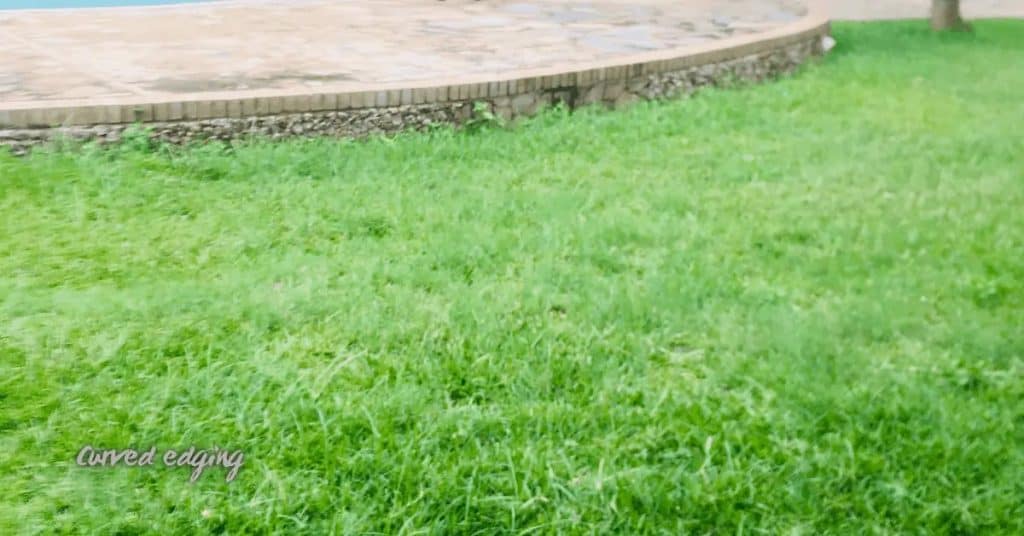
Curved concrete edging border next to green grass lawn

Repairing a Cracked Concrete Edging Border (Reinforce and Hide the Seam)

Introduction A cracked concrete edging border can be repaired by reinforcing the seam and hiding the crack so the edge looks solid again. This is a practical, do-it-yourself fix you can handle with basic tools and proper preparation. Take time to clean the crack, follow the product instructions, and plan for a neat finish. Start

Repairing a Cracked Concrete Edging Border (Reinforce and Hide the Seam) Read More »

Paint roller applying liquid to concrete pavers

DIY Large-Format Concrete Pavers: Reinforcement, Curing, and Warp Prevention

Introduction Large-format concrete pavers require proper reinforcement, curing, and warp prevention to stay flat and durable. In plain terms, you reinforce the base and pavers, manage moisture and temperature during curing, and watch for movement that can cause warping. This article focuses on practical, hands-on methods you can apply on a DIY project. Follow the

DIY Large-Format Concrete Pavers: Reinforcement, Curing, and Warp Prevention Read More »