Search Results for: product to seal between floor and wall

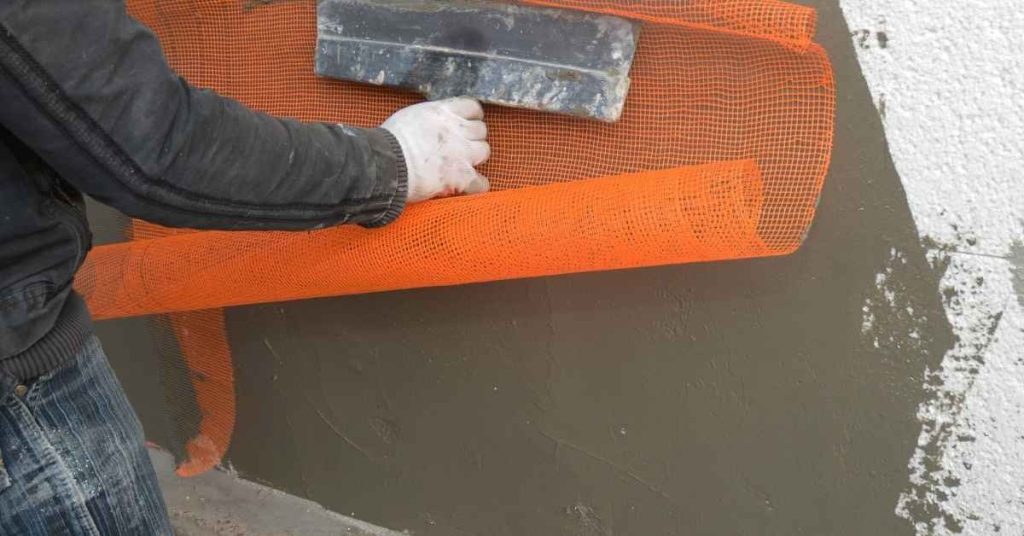
Worker applying orange mesh on wet stucco surface

Repairing Stucco at Inside Corners: Mesh Layout and Stress Relief Details

Introduction Repairing stucco at inside corners means reinforcing the corner with mesh and creating controlled stress relief so the patch bonds and moves without cracking. In practice you’ll cut and embed mesh over the corner, feather the scratch/base coats into the surrounding sound stucco, and finish with compatible topcoat material; check product labels and local […]

Repairing Stucco at Inside Corners: Mesh Layout and Stress Relief Details Read More »

Bright outdoor porch with painted concrete floor and white furniture

Water-Based Concrete Stains: When They Beat Acid Stains and How to Avoid Lap Marks

Introduction Water-based concrete stains are pigmented finishes that soak into cured concrete and are a better choice than acid stains when you need consistent color, easier cleanup, and safer handling. They work well on slabs where acid reaction is unpredictable or on indoor projects where odor and VOCs matter; check the product label and tech

Water-Based Concrete Stains: When They Beat Acid Stains and How to Avoid Lap Marks Read More »

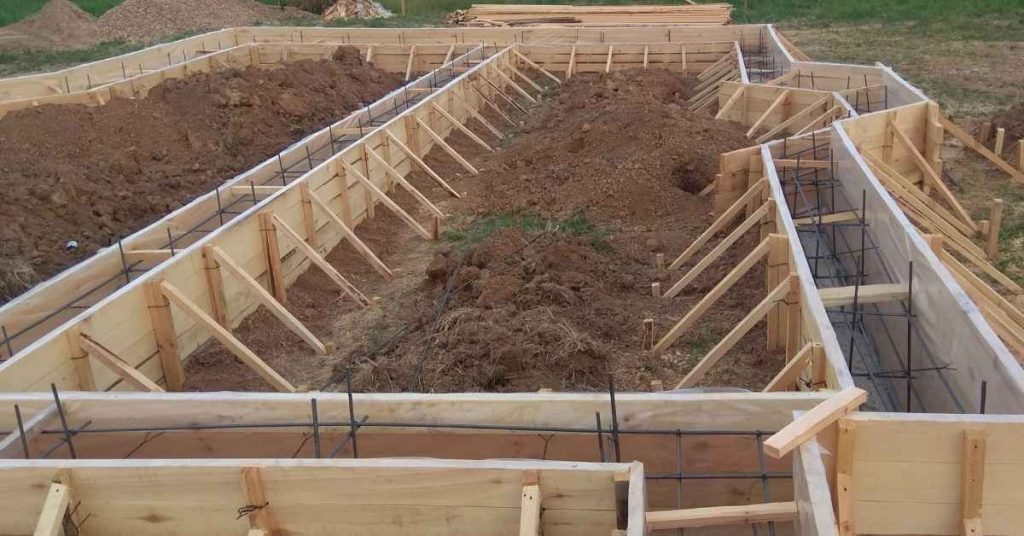
Wooden concrete forms with rebar and soil inside foundation trenches

Concrete Capillary Breaks at Foundation Walls: Gravel, Footing Drains, and Wicking Prevention

Introduction Concrete capillary breaks at foundation walls are measures that stop water from wicking up through concrete by interrupting the tiny pathways in and around the footing and wall. In practice that means using a combination of granular backfill, a drainage layer next to the footing, and details at the wall/soil interface to prevent water

Concrete Capillary Breaks at Foundation Walls: Gravel, Footing Drains, and Wicking Prevention Read More »

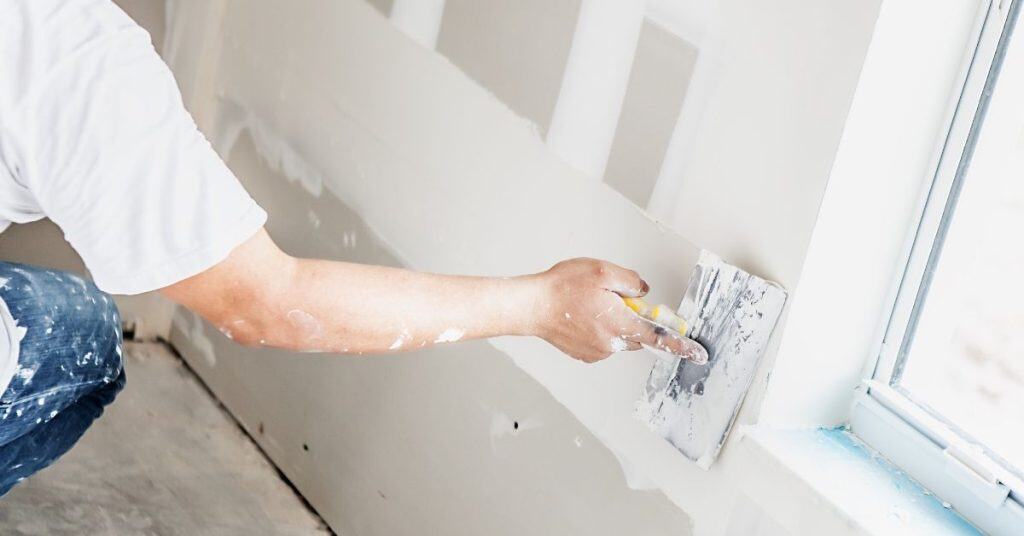
Person applying drywall joint compound near window

Choosing Plaster vs Joint Compound for Repairs: Durability, Sanding, and Paint Finish Differences

Introduction Plaster is a harder-setting wall finish made from cement- or gypsum-based mixes, while joint compound is a softer, gypsum-based product meant for taping and small repairs. For DIYers that means plaster will hold up better in high-traffic areas and where impact resistance matters, and joint compound is easier to apply and feather for small

Choosing Plaster vs Joint Compound for Repairs: Durability, Sanding, and Paint Finish Differences Read More »

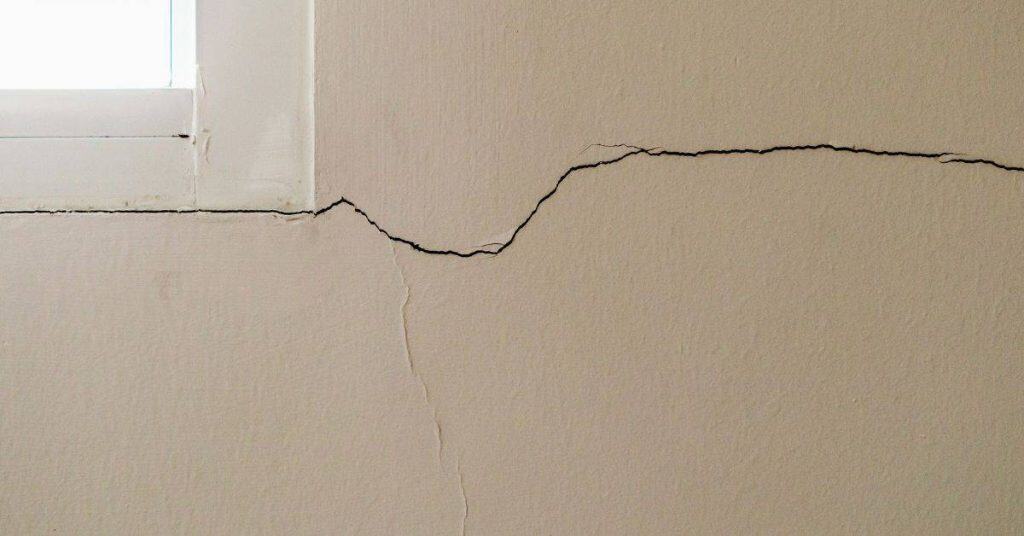
Wall with a long crack near a window frame

Plaster Cracks That Keep Coming Back: Movement Checks, Mesh Options, and Control-Joint Alternatives

Introduction Plaster cracks that keep coming back are usually signs of ongoing movement—either structural, thermal, or moisture-related—rather than a one-off surface failure. In plain terms: fix the movement first, then choose a flexible joint compound or mesh to bridge how much movement you expect and follow the product label for prep and cure times. Check

Plaster Cracks That Keep Coming Back: Movement Checks, Mesh Options, and Control-Joint Alternatives Read More »

Gloved hands connect electrical wires to a wall switch box.

Cutting Drywall for Electrical Boxes: Fast Templates, Router Settings, and How to Fix Overcuts Cleanly

Introduction Cutting drywall for electrical boxes means marking the box outline, cutting a neat opening, and adjusting if you nick too much so the box stays secure and the finish looks right. Think like a tradesperson: use a reliable method for layout, steady cutting tools, and check the box and device for fit before you

Cutting Drywall for Electrical Boxes: Fast Templates, Router Settings, and How to Fix Overcuts Cleanly Read More »

Pressure washer cleaning wooden deck surface

Painting After Pressure Washing: How to Tell When Siding and Masonry Are Truly Dry Enough to Prime

Introduction “Dry enough” means the surface has lost visible and tactile moisture and any trapped dampness that would prevent primer from bonding; test by touch, absorbency checks, and following product label guidance. Look for no surface sheen, no dark patches, and no water beading when you flick or blot the material, and when in doubt,

Painting After Pressure Washing: How to Tell When Siding and Masonry Are Truly Dry Enough to Prime Read More »

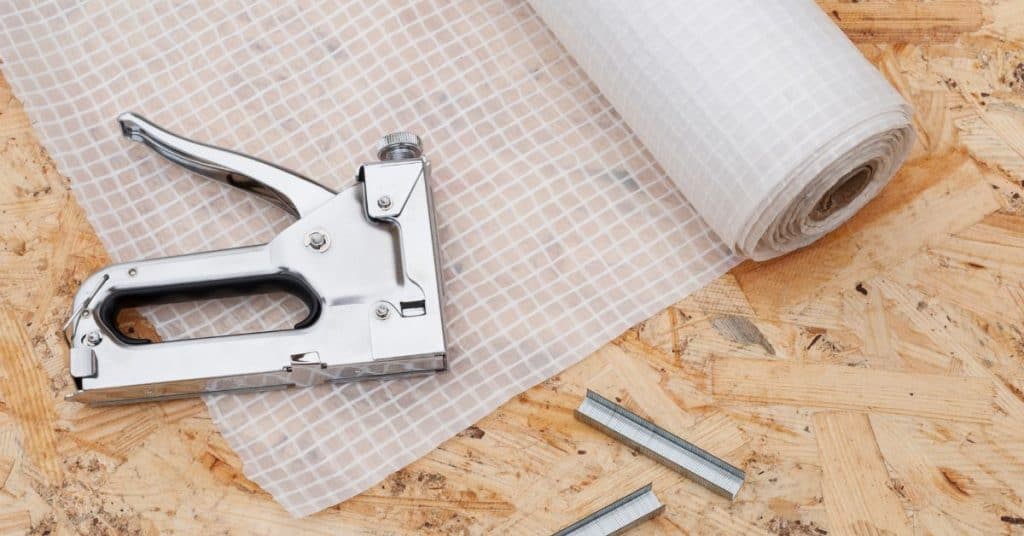
Staple gun beside roll of vapor barrier on plywood.

Vapor Barrier Under Slabs: How to Patch Tears, Seal Penetrations, and Avoid Moisture Bypass

Introduction A vapor barrier under a slab is a continuous sheet of material placed on the ground to stop water vapor from rising into the concrete; it needs to be intact, sealed at overlaps and penetrations, and taped or repaired when torn. Think practical: choose the right class of material for your project and check

Vapor Barrier Under Slabs: How to Patch Tears, Seal Penetrations, and Avoid Moisture Bypass Read More »

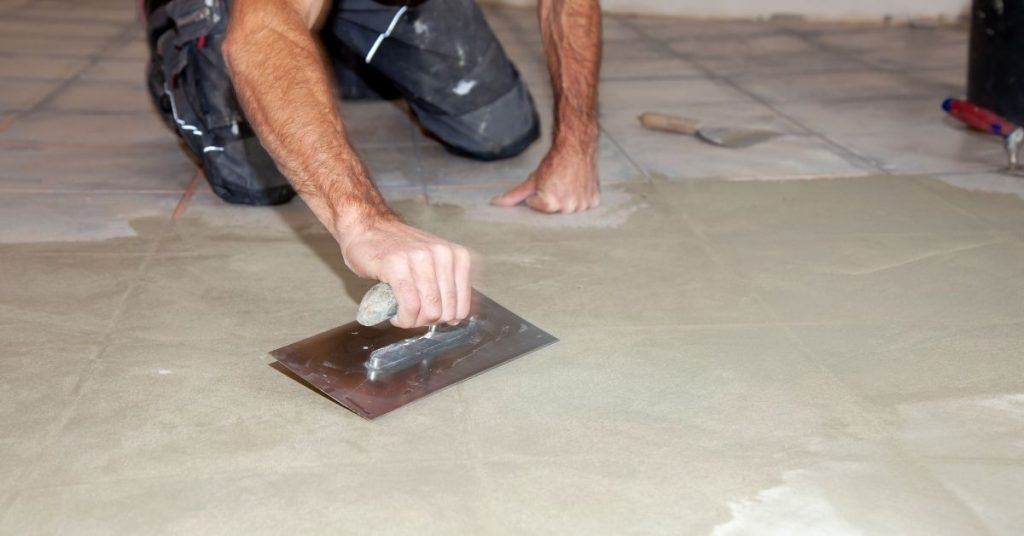
Trowel spreads leveling compound over floor during bathroom prep

Self-Leveling Compound Prep on “Problem Subfloors”: Primers, Seams, and Edge Dams That Stop Leaks

Introduction Self-leveling compound prep on problem subfloors means getting a board-backed surface ready so the liquid compound spreads and cures without running into gaps or flaking off. Think practical steps: pick a primer the compound maker recommends, seal seams and penetrations so water and dust won’t break the bond, and build temporary edge dams where

Self-Leveling Compound Prep on “Problem Subfloors”: Primers, Seams, and Edge Dams That Stop Leaks Read More »

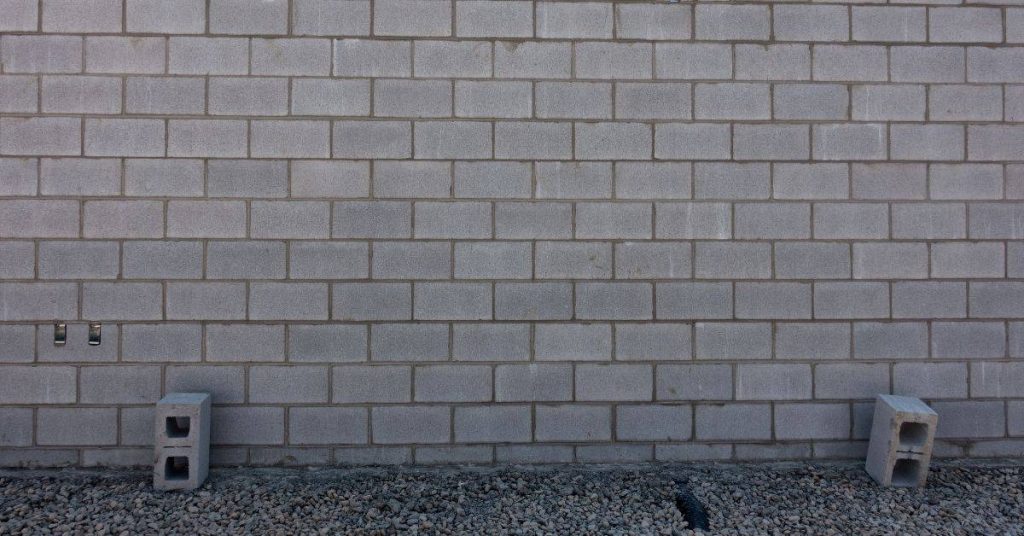
Concrete block wall above gravel ground surface

Concrete Capillary Breaks at Foundation Walls: Timeline & Duration for DIY Installation

Introduction The timeline and duration of installing concrete capillary breaks at foundation walls can vary depending on several factors. Understanding the process and its time commitments helps you plan effectively. This guide walks you through each step, from preparation to completion, ensuring you allocate sufficient time for a successful DIY installation. For the full guide,

Concrete Capillary Breaks at Foundation Walls: Timeline & Duration for DIY Installation Read More »