Search Results for: product to seal between floor and wall

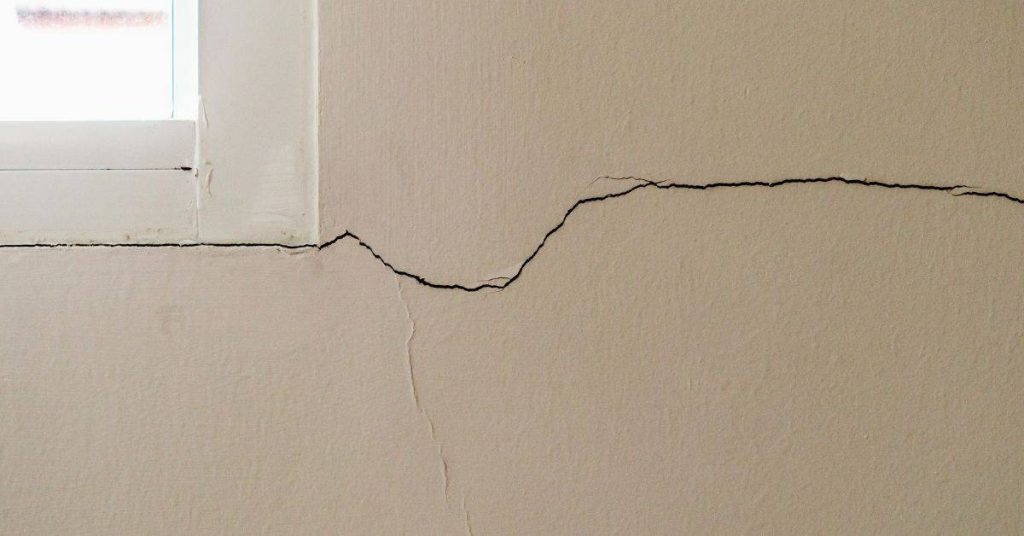
Close-up of wall crack near window frame indoors

Crack Monitoring on Slabs: Tell-Tales, Gauges, and When Movement Is Active

Introduction Crack monitoring on slabs is watching cracks for changes to tell if the slab is moving. You use simple tell-tales or gauges to notice width changes over time, so you can decide if action is needed. Keep it plain and repeatable, with measurements at the same spots. Start with an initial measurement of the […]

Crack Monitoring on Slabs: Tell-Tales, Gauges, and When Movement Is Active Read More »

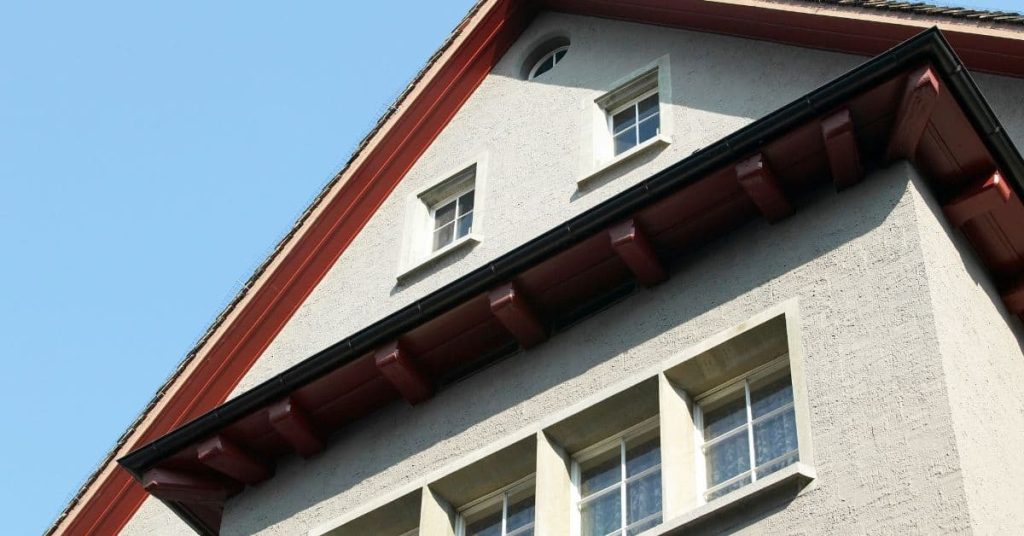
Close up of stucco exterior wall under windows with roof eaves

Water Staining on Stucco Under Windows: Causes and better details

Introduction Water staining on stucco under windows is damp marks caused by moisture seeping or condensing near the window area. It often shows as brown, gray, or darker streaks and can come from leaks, condensation, or improper flashing. Check the window flashing, sealants, and the siding above to find where moisture is entering. To address

Water Staining on Stucco Under Windows: Causes and better details Read More »

Closeup of large jagged crack in white stucco wall

Stucco Crack Patterns: What vertical, diagonal, and stair-step cracks usually mean

Introduction Vertical, diagonal, and stair-step cracks in stucco are signals of movement or stress in the wall rather than just a cosmetic flaw. These patterns often point to shifts in framing, moisture issues, or settlement and you should check the crack size, location, and whether it keeps opening after weather changes. For a DIY approach,

Stucco Crack Patterns: What vertical, diagonal, and stair-step cracks usually mean Read More »

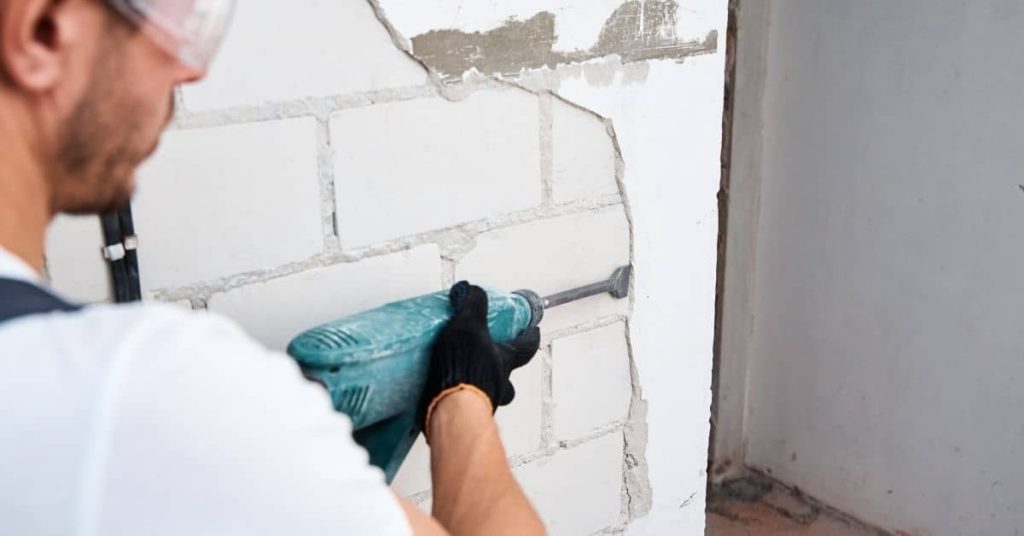
Worker using electric chisel removing stucco from wall

Stucco Bottom Edge Crumbling: Fixing wicking and keeping the base dry

Introduction Crumbling stucco at the bottom edge happens when moisture wicks into the base and weakens the coating. This article covers a practical DIY approach to stop the leak, remove damaged material, and start a proper patch. Check your local rules and product labels for compatibility and any safety steps. Start by cleaning the edge,

Stucco Bottom Edge Crumbling: Fixing wicking and keeping the base dry Read More »

Fresh asphalt driveway in front of garage door

Concrete at Garage Doors: Fixing ponding and preventing water intrusion

Introduction Concrete at garage doors refers to the slab at the door opening where improper drainage or settling can cause ponding. This condition signals potential water intrusion if left unaddressed. Start by noting slopes, cracks, and joints that may let water pool near the threshold. Common causes are poor drainage, foundation issues, or slab settling

Concrete at Garage Doors: Fixing ponding and preventing water intrusion Read More »

Concrete slab being smoothed with a long-handled float

Control Joints That Look Bad: Making sawcuts straighter and less noticeable

Introduction Control joints that look bad are joints in concrete that are crooked or wavy and draw the eye. They’re not meeting the surface cleanly, and that makes the floor look unfinished. A straight, neat sawcut can dramatically improve the overall look with less crowding around the joints. Your best bet is to use proper

Control Joints That Look Bad: Making sawcuts straighter and less noticeable Read More »

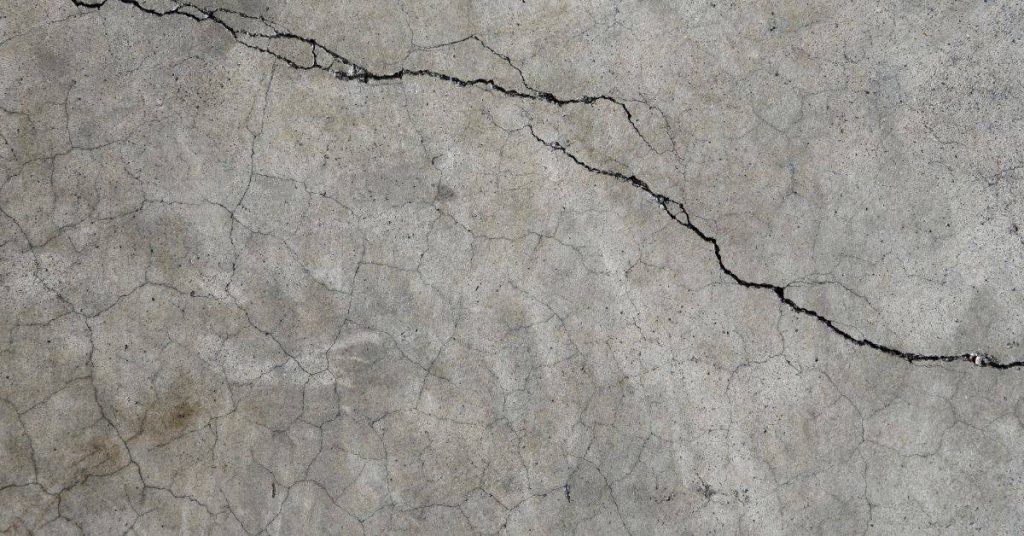
Cracked grey concrete surface with visible fissures

Concrete Surface pH: Why high pH breaks some coatings and how to manage it

Introduction High pH in concrete can break down coatings and weaken their grip. That alkaline environment reacts with many sealers and paints, especially when new concrete is unfinished. Always check the coating’s label and follow manufacturer instructions, and consider what local rules say about surface prep. To prepare, scrub and rinse the surface and let

Concrete Surface pH: Why high pH breaks some coatings and how to manage it Read More »

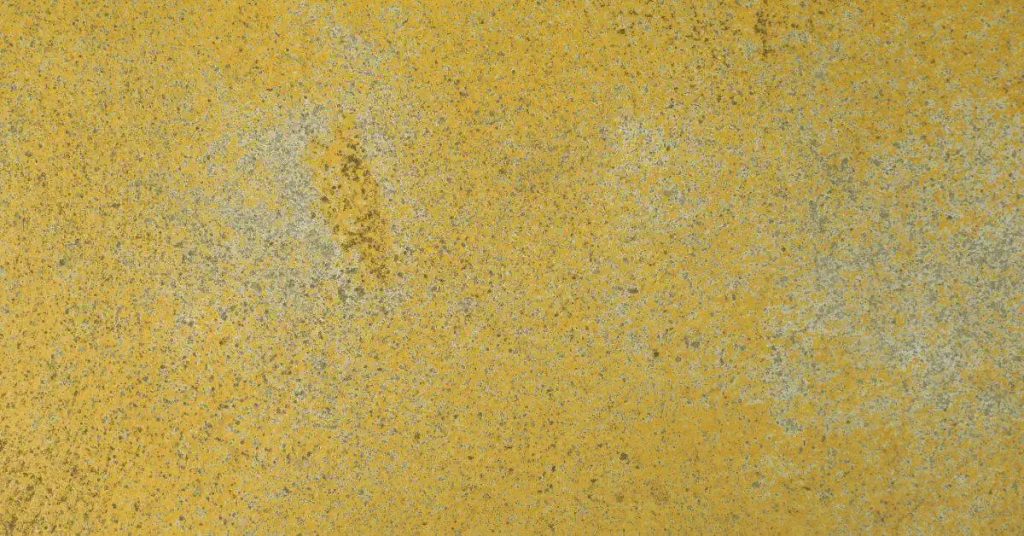
yellow stained concrete surface with varying texture

Concrete Surface Delamination: Causes, diagnosis, and repair that lasts

Introduction Delamination is the surface layer of concrete peeling or separating from the underlying concrete, creating a patchy, hollow feel. It often shows up as a dull patch that may flake or sound hollow when tapped. Lightly tapping suspect areas can help you spot where the top lift isn’t bonded well. To diagnose, look for

Concrete Surface Delamination: Causes, diagnosis, and repair that lasts Read More »