Search Results for: primer sealer for concrete

Close-up of smooth textured plaster wall surface

Clay Plaster Sealer Tests: Why Some Topcoats Darken Color and How to Predict It

Introduction Sealers on clay plaster can darken the surface, and tests reveal when and why. This is a practical, hands-on look at how topcoats behave on plaster and why color shifts happen. Expect results to vary with prep, humidity, and the plaster mix you used. Varathane and similar wipe-on or spray sealers can interact with […]

Clay Plaster Sealer Tests: Why Some Topcoats Darken Color and How to Predict It Read More »

Decorative plaster corbels on a yellow wall

Plaster Stains That Bleed Through Paint: Shellac vs Waterborne Sealers and Drying Rules

Introduction Shellac and waterborne sealers can stop plaster stains from bleeding through paint. They work by sealing the porous plaster so pigment and moisture don’t migrate into the top coat. Choose the right option by checking product guidance and local rules. Surface prep matters: clean and dry the plaster, repair any cracks, and wipe away

Plaster Stains That Bleed Through Paint: Shellac vs Waterborne Sealers and Drying Rules Read More »

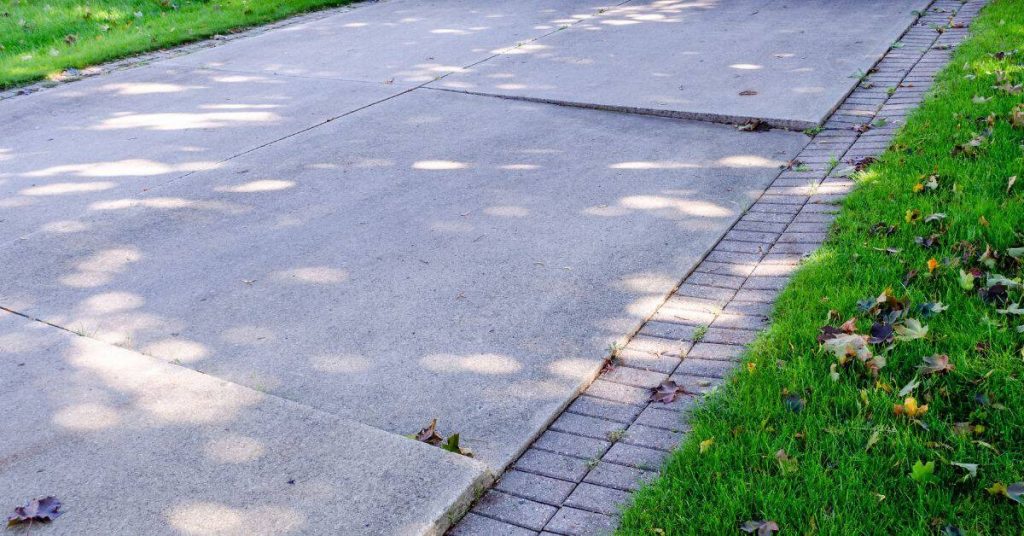
Concrete driveway with brick border and straight control joints

Concrete Fountain Leaks: Pinholes, Cold Joints, and Repair Options That Hold Water

Introduction Concrete fountain leaks happen when tiny holes or seams let water escape. Common causes are pinholes and cold joints that form gaps as concrete cures and settles. If you notice damp spots, dripping, or a steady seep near joints, that signals a leak to investigate. To fix it, you’ll seal pinholes and address cold

Concrete Fountain Leaks: Pinholes, Cold Joints, and Repair Options That Hold Water Read More »

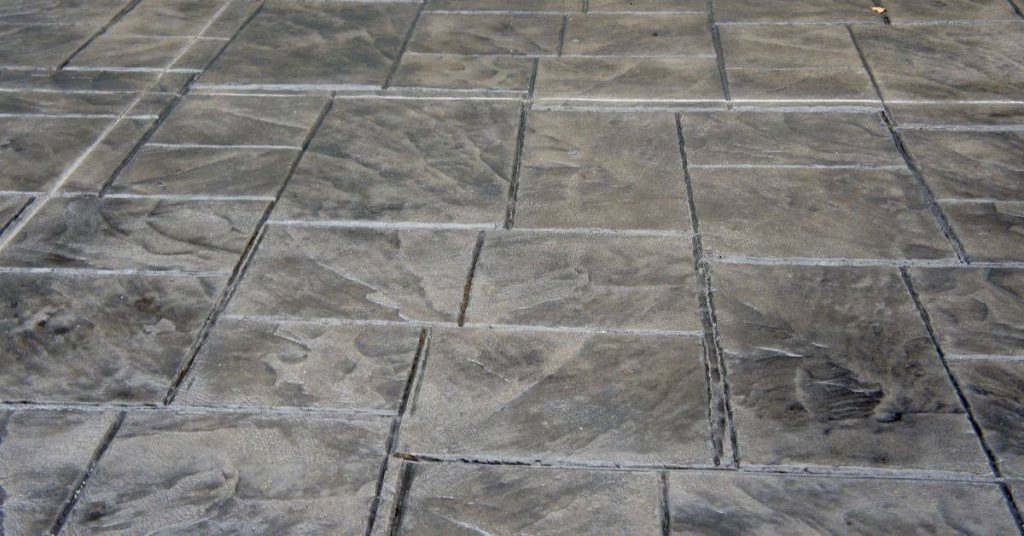
Stamped concrete patio surface with gray color and texture

Concrete Countertop Sealer Spot Repairs: Fixing One Area Without Recoating Everything

Introduction A sealer spot repair on a concrete countertop is fixing a damaged area without recoating the whole surface. It starts with identifying the kind of damage—stains, dull or rough spots—and cleaning the area thoroughly before any repair. Then you’ll choose a compatible sealant and follow the product directions for spot treatment, avoiding the rest

Concrete Countertop Sealer Spot Repairs: Fixing One Area Without Recoating Everything Read More »

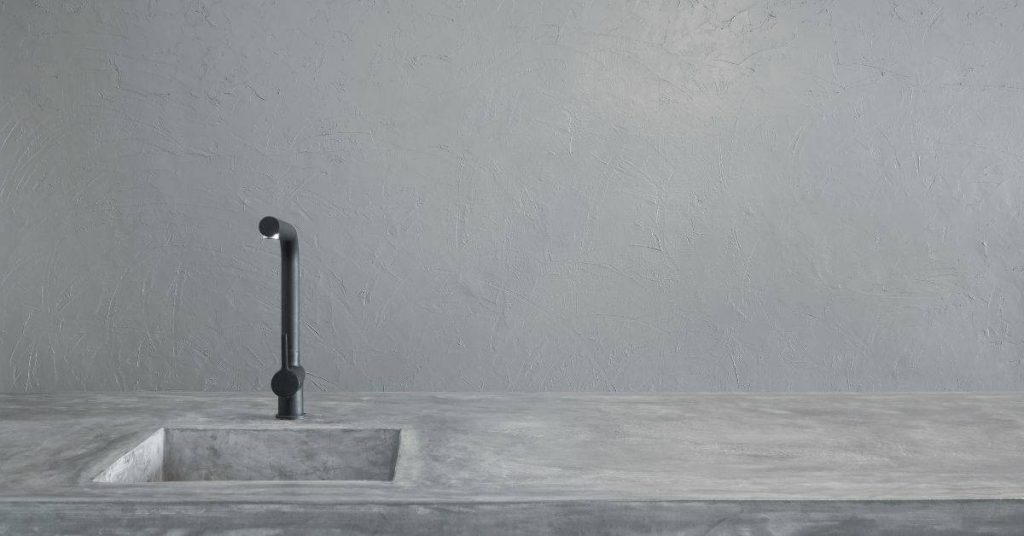
Concrete countertop with integrated sink and black faucet

Concrete Countertop Heat Rings: Why Sealers Fail and How to Reduce Damage

Introduction A concrete countertop heat ring is a ring-like mark formed around hot items that shows up as damage or staining. It happens when heat or rapid temperature changes stress the surface faster than the sealers or finish can handle. In DIY terms, it’s a signal to look at protection, cooling, and how you treat

Concrete Countertop Heat Rings: Why Sealers Fail and How to Reduce Damage Read More »

Concrete floor grinder machine working on concrete surface

Concrete Grinding Grit Guide: What 16, 30, 60, 120 Actually Do to a Surface

Introduction Grinding concrete with grit sizes is how you condition the surface by progressively removing roughness and shallow imperfections. In practice, coarser grits like 16 and 30 remove material quickly, while finer grits such as 60 and 120 smooth and refine the finish. Start with a surface assessment and plan the steps based on your

Concrete Grinding Grit Guide: What 16, 30, 60, 120 Actually Do to a Surface Read More »

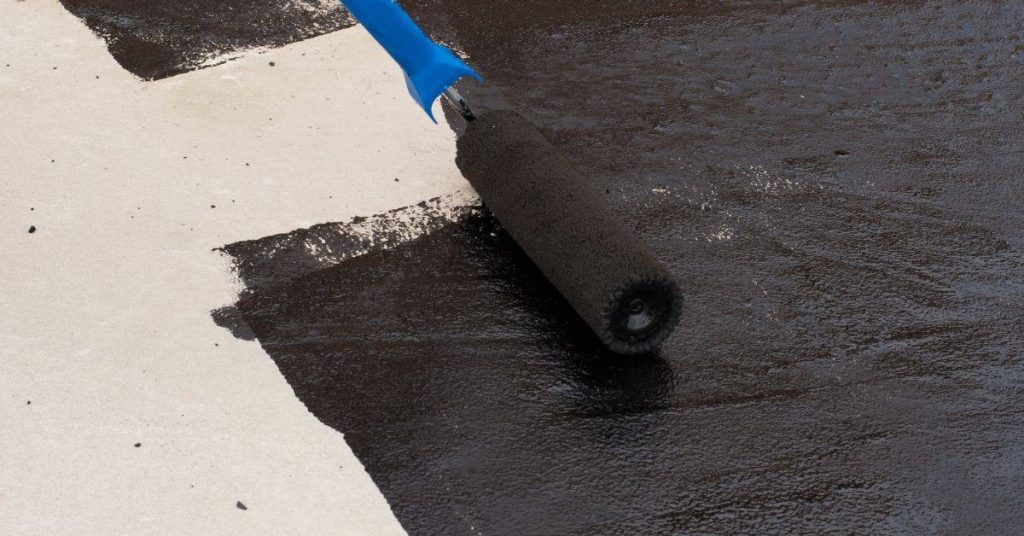
Paint roller applying black sealer on concrete surface

Sealer Whitening After Rain: Why It Happens and How to Restore Clarity

Introduction Sealer whitening after rain is when moisture causes a cured sealant to look milky or cloudy. This happens as water interacts with the film, surface textures, and how the sealant set. If whitening sticks around, check the product instructions and local rules for guidance. To restore clarity, start by letting the area dry completely

Sealer Whitening After Rain: Why It Happens and How to Restore Clarity Read More »

Paint roller applying white paint on wall surface

How to Paint Concrete Block Without Trapping Moisture: Breathability vs Washability

Introduction Painting concrete block should let moisture escape while protecting the surface. That balance is breathability vs washability, not just color. You’ll need guidance from labels and local rules. Start by cleaning and inspecting for cracks, then plan a breathable, washable finish. Check product labels for vapor permeability and washability, and follow manufacturer instructions. If

How to Paint Concrete Block Without Trapping Moisture: Breathability vs Washability Read More »

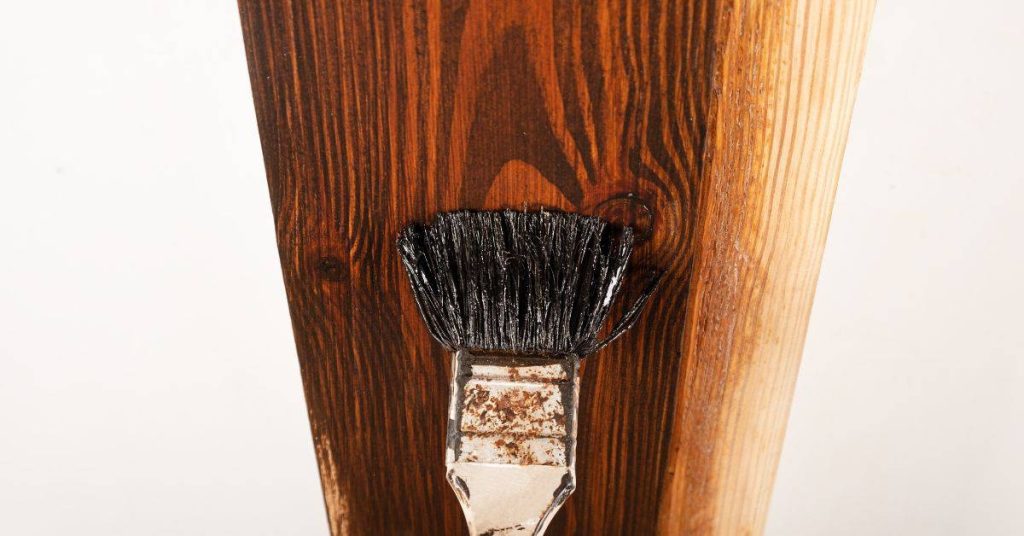
Paintbrush applying dark varnish to wooden plank

Coating Over Damp Wood Near Concrete: Why Blisters Form and Better Breathable Systems

Introduction Blisters form when moisture underneath the coating pushes through and splits the film over damp wood near concrete. You’ll see raised bubbles or pockets as the coating tries to cure in a wet, alkaline environment. Work is risky if you skip drying and proper surface prep. Look for breathable coating options and follow proper

Coating Over Damp Wood Near Concrete: Why Blisters Form and Better Breathable Systems Read More »

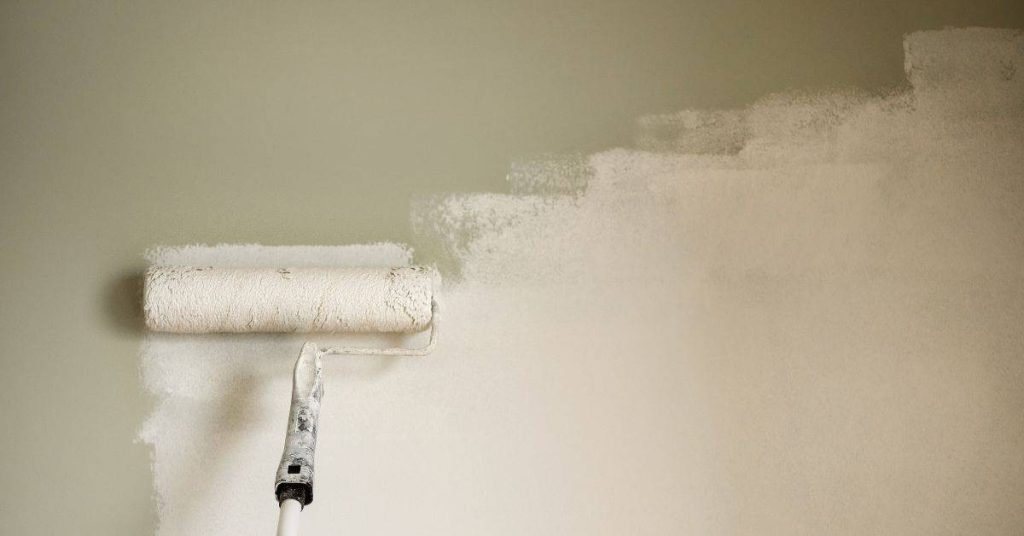
Paint roller applying white paint on beige wall

How to Prevent Roller Marks in Clear Sealers: Work Zones, Wet Edge, and Re-Roll Traps

Introduction Preventing roller marks in clear sealers is about keeping a smooth, wet edge and consistent roller motion. Set up your work zones so you move methodically and don’t drag a dry edge across the surface. Check the product label and local rules for timing, and re-roll small areas to blend before the edge starts

How to Prevent Roller Marks in Clear Sealers: Work Zones, Wet Edge, and Re-Roll Traps Read More »