Search Results for: primer sealer for concrete

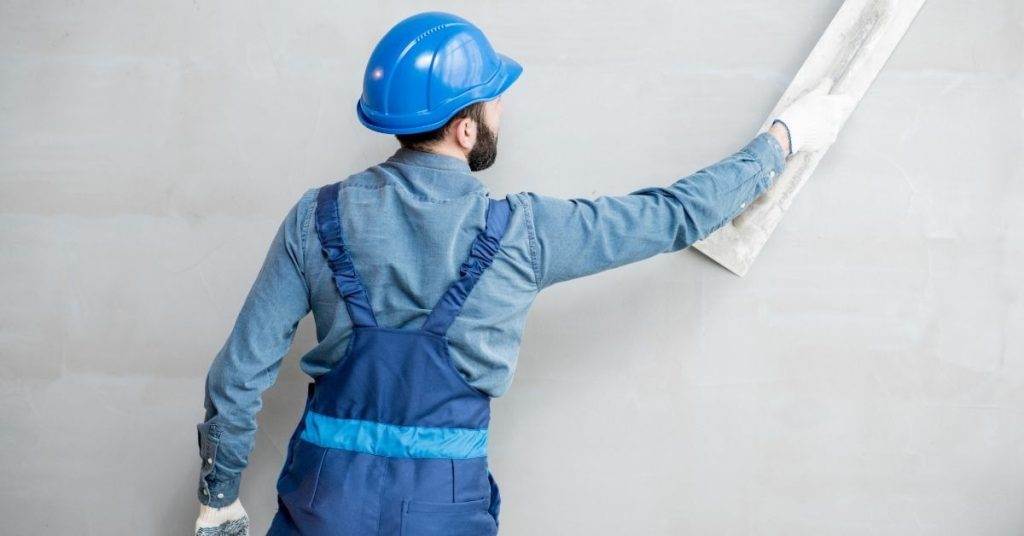
Construction worker smoothing plaster on wall wearing blue helmet

Repairing Polished Plaster Chips: Patch Blending Without Visible ‘Halos’

Introduction Repairing polished plaster chips means filling and feathering the damaged area so the patch matches surrounding sheen and texture without a visible ring. Start by cleaning and undercutting loose edges, use compatible repair material, and build thin layers that are troweled and polished to blend into the existing finish. Check product labels and manufacturer […]

Repairing Polished Plaster Chips: Patch Blending Without Visible ‘Halos’ Read More »
white plaster wall with uneven textured surface

Venetian Plaster Over Existing Texture: When to Skim, When to Sand, and When to Remove

Introduction Venetian plaster over existing textured walls means deciding whether to skim, sand, or remove that texture so the final finish looks smooth and bonds properly. In plain jobsite terms: skim if the texture is shallow and solid, sand if it’s flaky or slightly high, and remove if it’s loose, highly uneven, or has adhesion

Venetian Plaster Over Existing Texture: When to Skim, When to Sand, and When to Remove Read More »

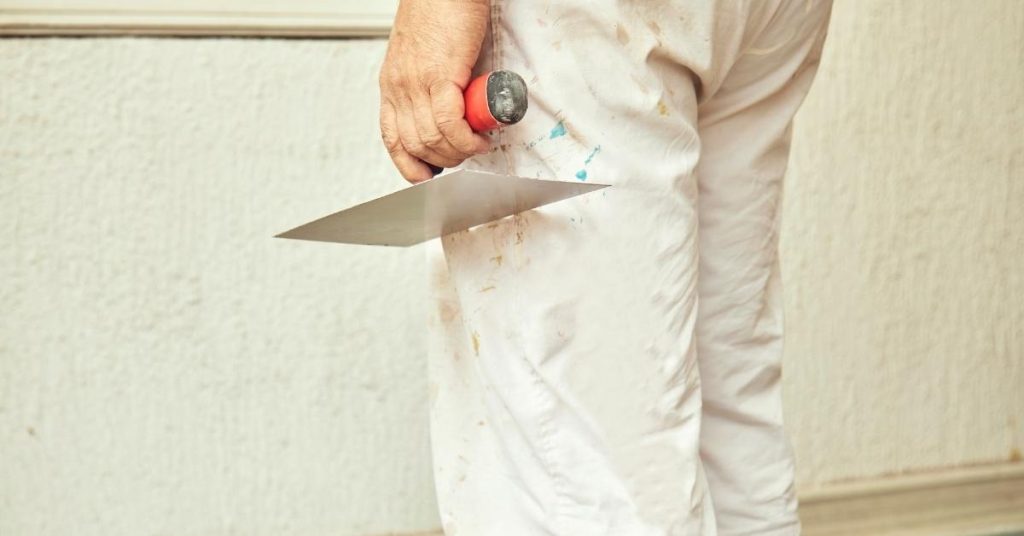
Hand holding plastering trowel against white wall background

Venetian Plaster Burnishing: Tool Choice, Timing, and How to Avoid Black Marks

Introduction Venetian plaster burnishing is the final rubbing of a polished plaster surface to compact and shine it using the right tools at the right moment. Pick flexible trowels or burnishers suited to your plaster type and check the product label for recommended tools, and make sure the base coat is dry and sound before

Venetian Plaster Burnishing: Tool Choice, Timing, and How to Avoid Black Marks Read More »

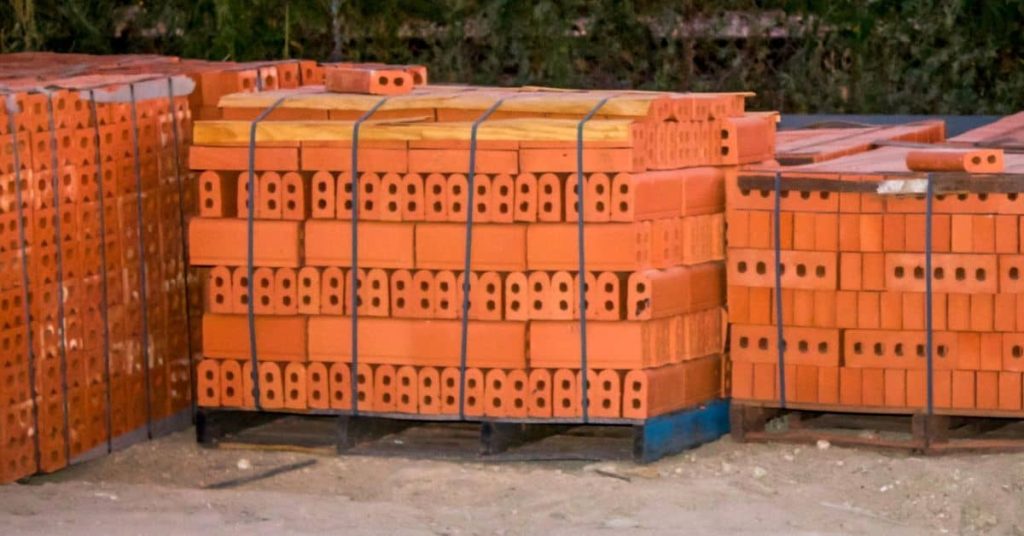
Stacks of orange hollow clay bricks on wooden pallets

Roman Clay Maintenance: Spot Repair, Re-Seal, and How to Avoid Shiny Patches

Introduction Roman Clay maintenance means keeping the finish patched, resealed, and matte where you want it, not shiny where you don’t — spot repairs and the right re-seal process fix most problems. This is a hands-on job: check the product label and manufacturer’s instructions for compatible patch mixes and sealers before you start. Expect to

Roman Clay Maintenance: Spot Repair, Re-Seal, and How to Avoid Shiny Patches Read More »

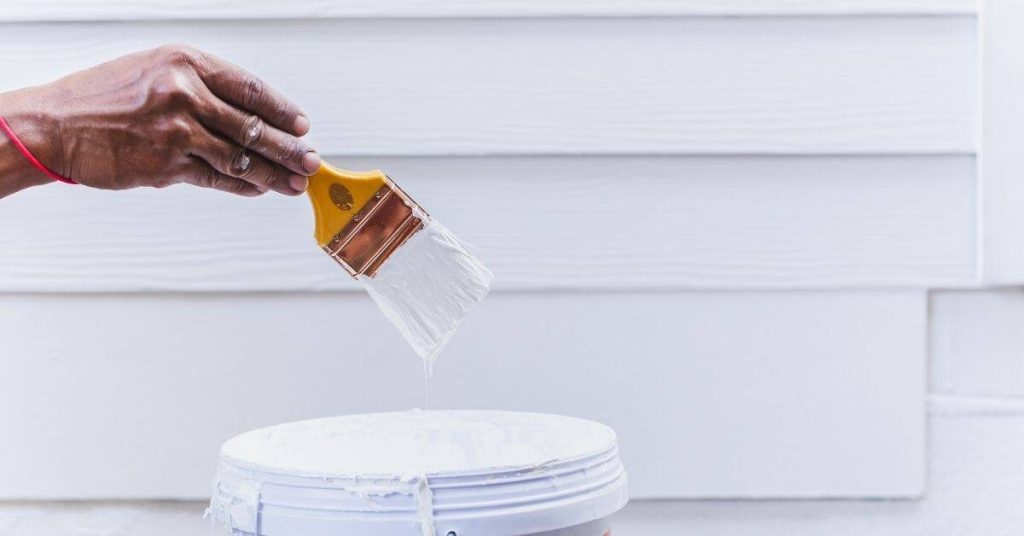
Hand dipping paintbrush into white paint bucket

Cutting In on Rough Surfaces: Brush Choice and Edge Tricks That Keep Lines Clean

Introduction Cutting in on rough surfaces means using the right brush and a few edge tricks so your paint lines stay sharp even when the substrate is irregular. In practice that means choosing a brush filament and size that match the material and paint—check the product label and manufacturer instructions for compatibility—and using steady pressure

Cutting In on Rough Surfaces: Brush Choice and Edge Tricks That Keep Lines Clean Read More »

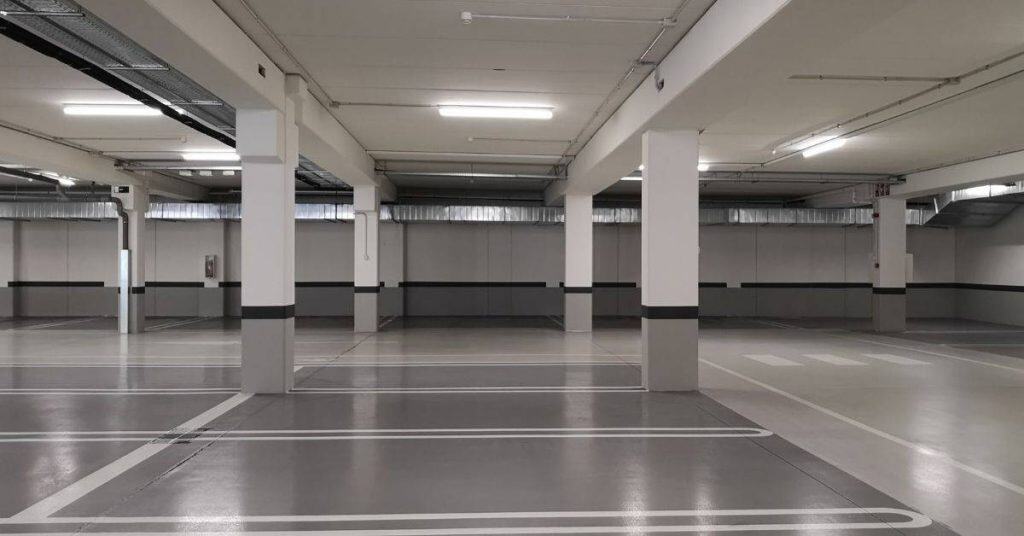
Empty indoor concrete parking garage with columns and marked spaces

How to Reduce Hot-Tire Pickup on Garage Coatings: Cure Time and Topcoat Choices

Introduction Reducing hot-tire pickup on garage coatings means giving the coating enough cure time and choosing a topcoat that resists softening under heat and rubber contact. In plain jobsite terms: let the base coat harden per the product directions and pick a topcoat designed for vehicular traffic and heat resistance. Check the product label and

How to Reduce Hot-Tire Pickup on Garage Coatings: Cure Time and Topcoat Choices Read More »

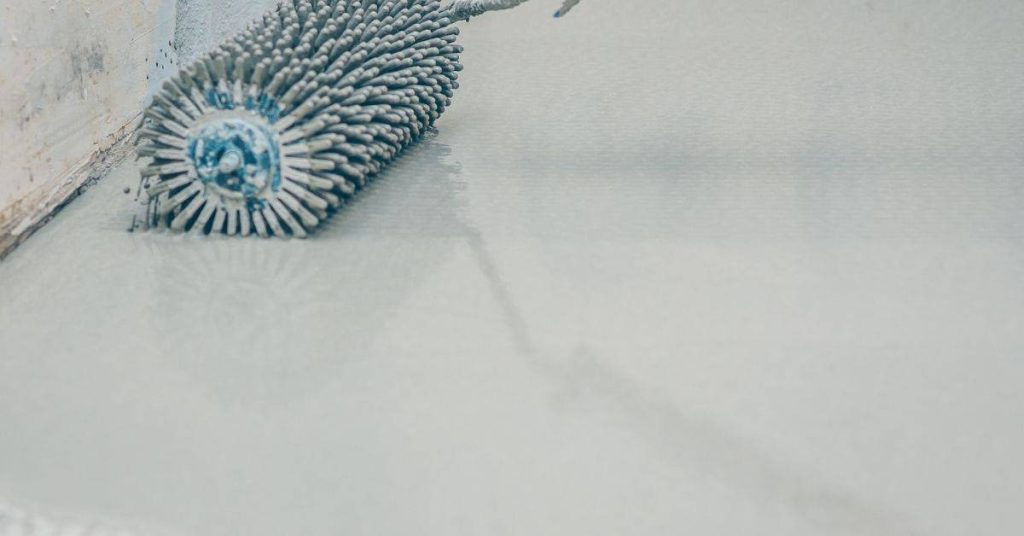
Spiked roller tool on wet floor coating surface

Polyaspartic Floor Coatings for DIY: Working Time, Odor, and Surface Prep Requirements

Introduction Polyaspartic floor coatings are fast-curing two-part coatings used to protect and finish concrete, and for a DIYer that means short working time, noticeable odor, and careful surface prep. Think like a tradesperson: plan your mixing and application in short, deliberate steps and check the product label for working time, recommended respirators, and substrate requirements.

Polyaspartic Floor Coatings for DIY: Working Time, Odor, and Surface Prep Requirements Read More »

Close-up of crack on textured stucco wall surface

Elastomeric Paint vs Masonry Paint: Thickness, Crack Bridging, and Recoat Timing

Introduction Elastomeric paint is a high-build, flexible coating designed to bridge small hairline cracks and move with the wall, while masonry paint is a thinner, protective finish for porous surfaces; choose by how much movement and build you need. In plain jobsite terms: elastomeric lays on thicker and stretches, masonry paint lays on thinner and

Elastomeric Paint vs Masonry Paint: Thickness, Crack Bridging, and Recoat Timing Read More »

Thick yellow paint strokes on a white surface

Mineral Paint vs Acrylic on Masonry: Breathability, Washability, and Best Use Cases

Introduction Mineral paint is a thin, breathable coating made from mineral binders that soaks into masonry while acrylic is a film-forming paint that sits on the surface and sheds water. For DIY use, think mineral paint where you need vapor permeability and historical compatibility, and acrylic where you need tougher washability and abrasion resistance. Check

Mineral Paint vs Acrylic on Masonry: Breathability, Washability, and Best Use Cases Read More »

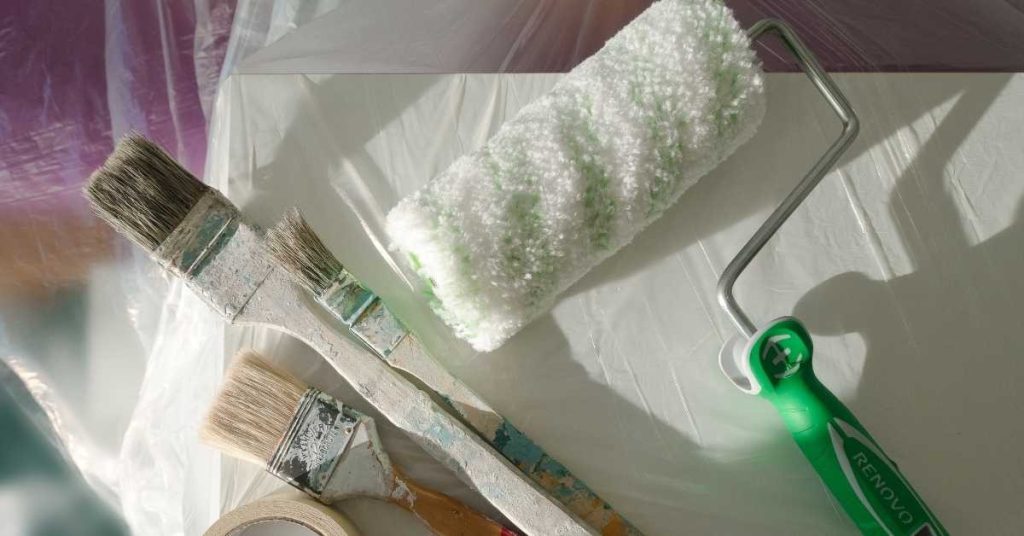
Three paintbrushes and a paint roller on plastic sheet

How to Paint in Shoulder Seasons: Cold Nights, Warm Days, and Dry-Time Reality

Introduction Painting in shoulder seasons means working when days can be warm enough for paint to cure but nights drop cold enough to slow or stop drying; it’s about timing coats around daily temperature swings and humidity. In plain terms: plan for shorter workable windows, watch overnight lows, and choose products that tolerate those swings

How to Paint in Shoulder Seasons: Cold Nights, Warm Days, and Dry-Time Reality Read More »