Search Results for: plaster crack repair

Stucco wall with two boarded windows and one boarded door

Stucco Discoloration From Efflorescence vs Salts in Sand: Simple Tests and Fixes

Introduction Efflorescence is a white salt bloom that appears on stucco when moisture moves soluble salts to the surface. It can look like chalky powder and is often mistaken for new stains. But salts in the sand or mix can also discolor, and moisture is the common driver. To tell efflorescence from salts in the […]

Stucco Discoloration From Efflorescence vs Salts in Sand: Simple Tests and Fixes Read More »
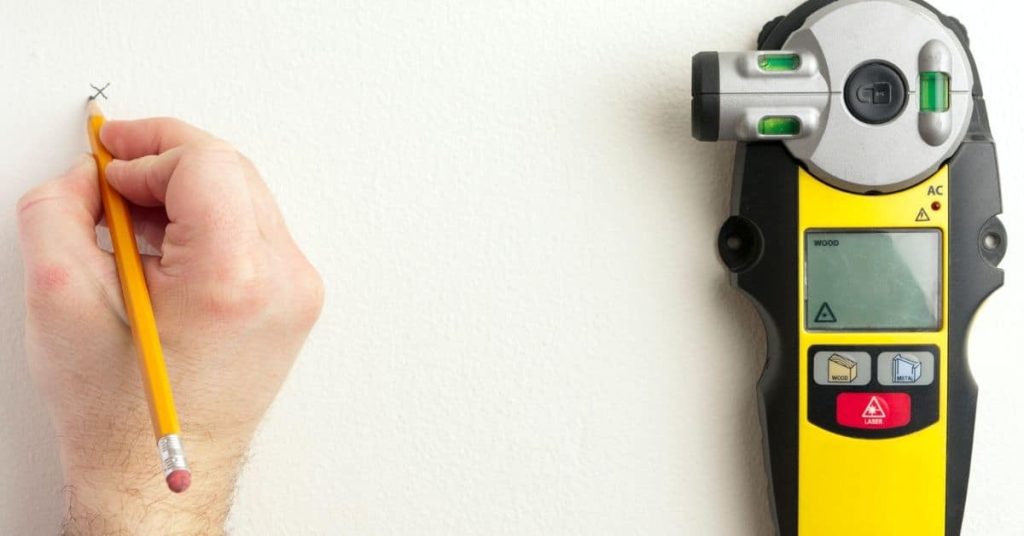
Hand marking wall with pencil next to electronic stud finder

How to Measure Stucco Thickness Without Demo: Probe Holes, Depth Gauges, and Patching Cleanly

Introduction Measuring stucco thickness without removing it means checking how thick the outer layer is using probes, gauges, and careful patching. You’ll learn to use probe holes and depth gauges to estimate thickness and plan repairs. This article keeps things practical and safe for DIY homeowners. Tools needed for measuring stucco thickness include a probe

How to Measure Stucco Thickness Without Demo: Probe Holes, Depth Gauges, and Patching Cleanly Read More »

Close-up of textured pink stucco wall surface

Stucco Around Mini-Split Line Sets and Condensate Drains: Sleeves, Drip Loops, and Sealants

Introduction Stucco around mini-split line sets and condensate drains is the exterior finish that encases the lines and keeps moisture out. The job is about creating sleeves, drip loops, and proper seals so the system looks integrated and sheds water. Do this carefully so you don’t trap condensation or create paths for leaks. Plan sleeve

Stucco Around Mini-Split Line Sets and Condensate Drains: Sleeves, Drip Loops, and Sealants Read More »

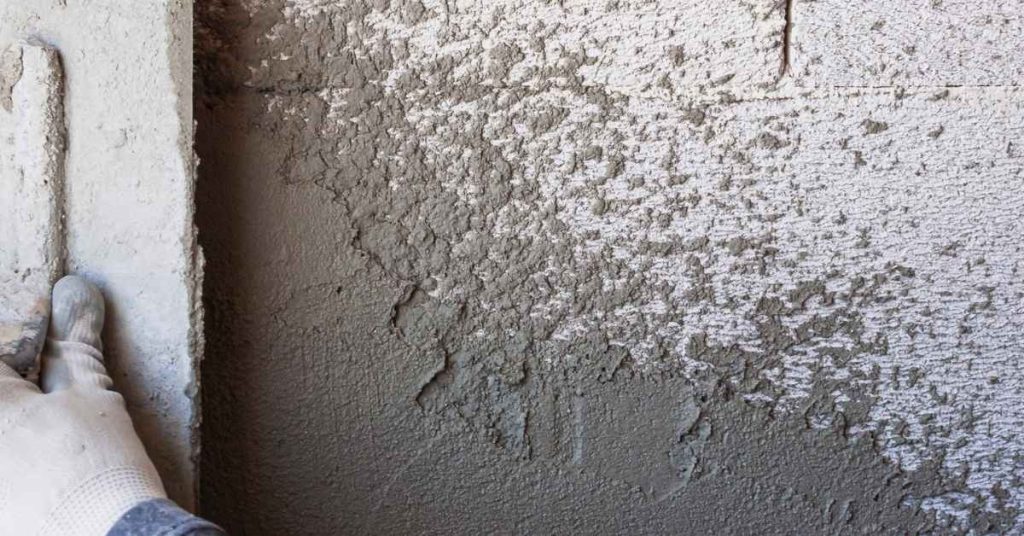
Hand smoothing wet scratch coat over base wall surface

Stucco Over Autoclaved Aerated Concrete (AAC): Base Coat Choice, Fasteners, and Suction Control

Introduction Stucco over AAC is applying a compatible base coat to Autoclaved Aerated Concrete walls. Pre-installation prep is key—clean surfaces, seal any joints, and plan how you’ll store and handle panels to avoid damage. Handle AAC panels with care, store flat in a dry, shaded area, and check manufacturer guidance for any site-specific restrictions. Choose

Stucco Over Autoclaved Aerated Concrete (AAC): Base Coat Choice, Fasteners, and Suction Control Read More »

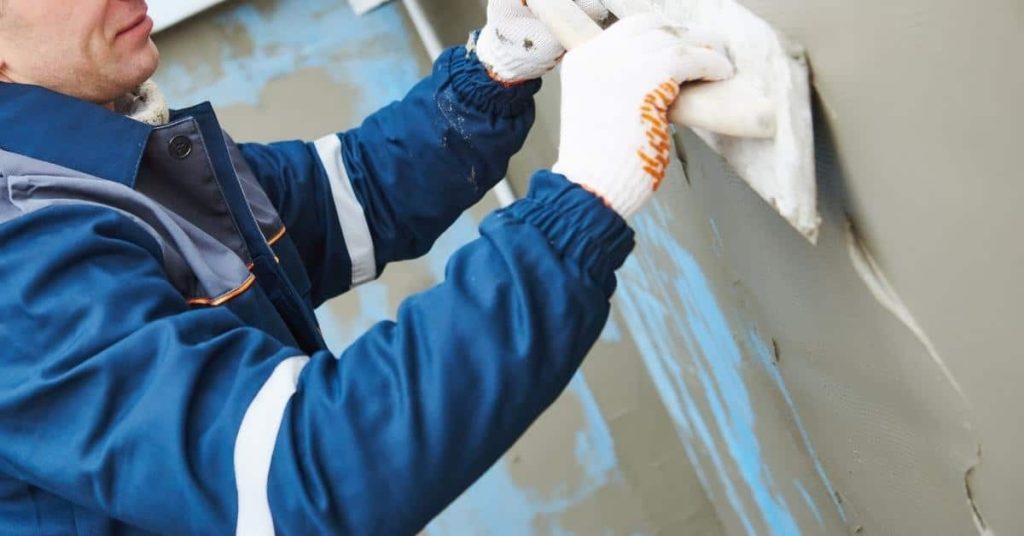
Worker applying stucco plaster onto wall with trowel

Stucco Movement Joints: Spacing Rules, Joint Profiles, and Sealant Detailing That Lasts

Introduction Movement joints in stucco are intentional gaps that let the plaster move with temperature and framing shifts. They help prevent cracks by giving the wall a controlled place to flex, not tear. Check local building rules and follow manufacturer instructions for spacing and placement in your area. There are different joint profiles and sealants,

Stucco Movement Joints: Spacing Rules, Joint Profiles, and Sealant Detailing That Lasts Read More »

Empty room with large windows and polished concrete floor

Salt-and-Pepper Polished Concrete: Achieving a Consistent Exposure Without Over-Grinding Edges

Introduction Salt-and-pepper polished concrete is a finish created by exposing a small, random mix of aggregate to produce a speckled, even look. The goal is to achieve a consistent exposure across the slab without carving too deep at edges. This approach keeps the surface looking uniform and practical for DIY applications. Edge finishing matters because

Salt-and-Pepper Polished Concrete: Achieving a Consistent Exposure Without Over-Grinding Edges Read More »

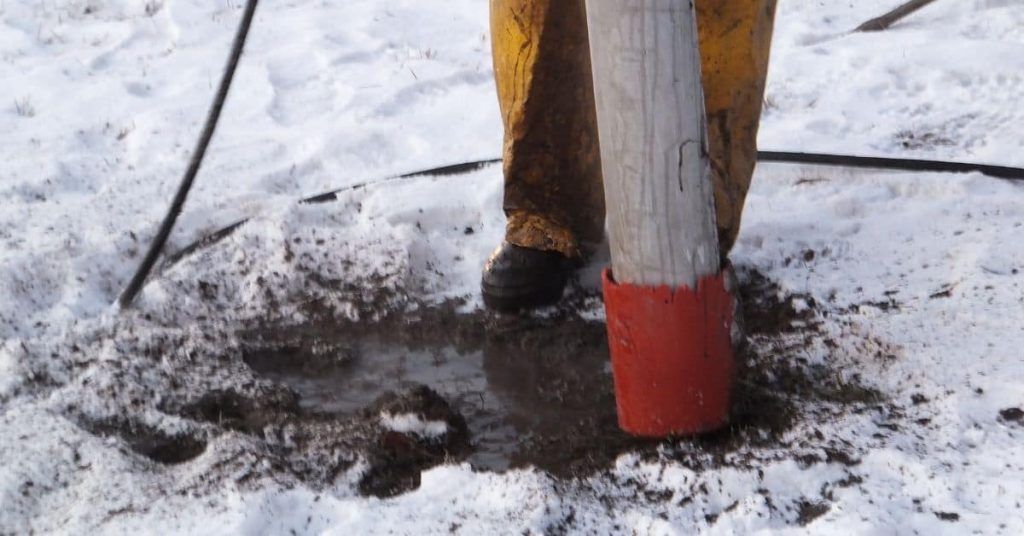
Worker standing in snowy ground with muddy water pooling

Cold Joints in Basement Walls: Waterstop Retrofits and ‘Outside Access’ vs ‘Inside Fix’ Reality

Introduction Cold joints in basement walls are weak seals where concrete layers meet that can leak if not treated. This article walks you through practical retrofit ideas and what to watch for on a DIY job. We keep it plain and achievable, not a blueprint. You’ll encounter several waterstop options, from flexible sleeves to sheet

Cold Joints in Basement Walls: Waterstop Retrofits and ‘Outside Access’ vs ‘Inside Fix’ Reality Read More »

Man patching plaster on white ceiling with trowel

Patching Vertical Surfaces Overhead: Mixes, Bonding, and Sag Control

Introduction Patching vertical surfaces overhead means repairing overhead concrete with a patching mix to restore a flat surface. Use a mix rated for overhead bonding and follow the product label for prep and cure. Work from bottom to top as needed, and plan for potential sag during setting. Bonding strength and sag control come from

Patching Vertical Surfaces Overhead: Mixes, Bonding, and Sag Control Read More »

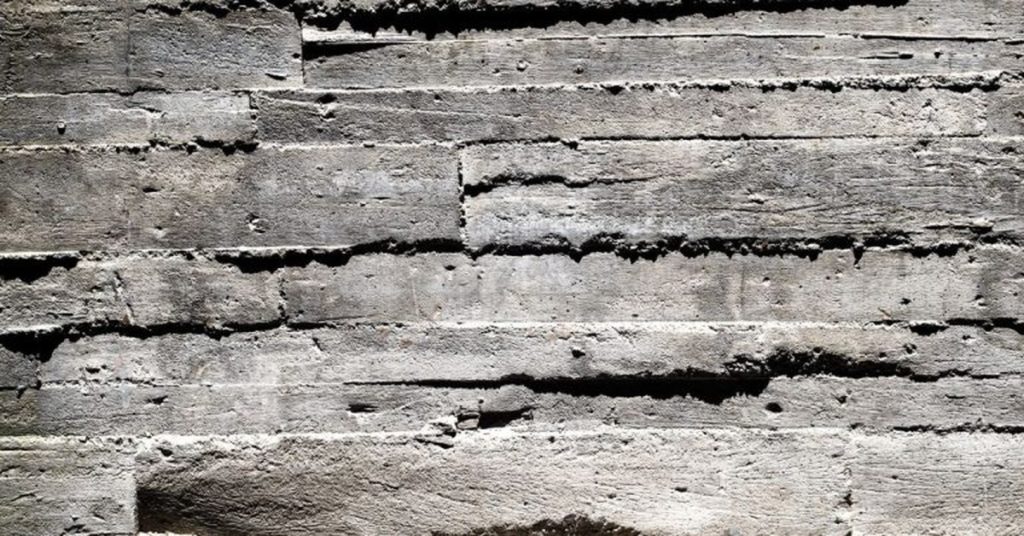
Close-up of rough concrete wall with wood formboard texture

Hydrated Lime in Concrete Mixes: Workability, Finish, and Strength Effects

Introduction Hydrated lime is a dry powder added to concrete to adjust texture and binding. In DIY mixes, it can improve workability and long-term texture, but it also changes setting behavior. Check the product label and local guidelines before use. It can influence finish quality and how smoothly you can trowel or pour. Lime affects

Hydrated Lime in Concrete Mixes: Workability, Finish, and Strength Effects Read More »

Close-up of small gravel aggregate stones

UHPC for Small Projects: When It’s Worth It and How to Mix It Safely

Introduction UHPC for small projects is a high-performance concrete mix designed for limited-volume jobs where strength and durability matter. This introduction explains, in plain terms, when it makes sense to choose UHPC and how to start mixing it safely for a DIY setup. It’s about weighing benefits against preparation, tooling, and costs. When mixing UHPC

UHPC for Small Projects: When It’s Worth It and How to Mix It Safely Read More »