Search Results for: plaster crack repair

Three different paintbrushes in a blue denim pocket

Stucco texturing tools and patterns: how to replicate dash, lace, and sand finishes

Introduction Stucco texturing tools and patterns refer to the tools and methods used to create dash, lace, and sand finishes on stucco surfaces. This introduction explains how different textures are achieved and what to expect during a DIY application. Start by checking local rules and manufacturer instructions for surface prep and safety. The article covers […]

Stucco texturing tools and patterns: how to replicate dash, lace, and sand finishes Read More »

Stucco exterior walls with tile roof under blue sky

Stucco around electrical service: clearances, sealing, and safe mounting methods

Introduction Stucco around electrical service means installing stucco while maintaining safe clearances, sealing around components, and mounting boxes and fixtures correctly. Plan the work to keep access to service fittings and enclosures, and verify what the manufacturer and local rules require. Always check guidance from the hardware or electrical guidance for your area and follow

Stucco around electrical service: clearances, sealing, and safe mounting methods Read More »

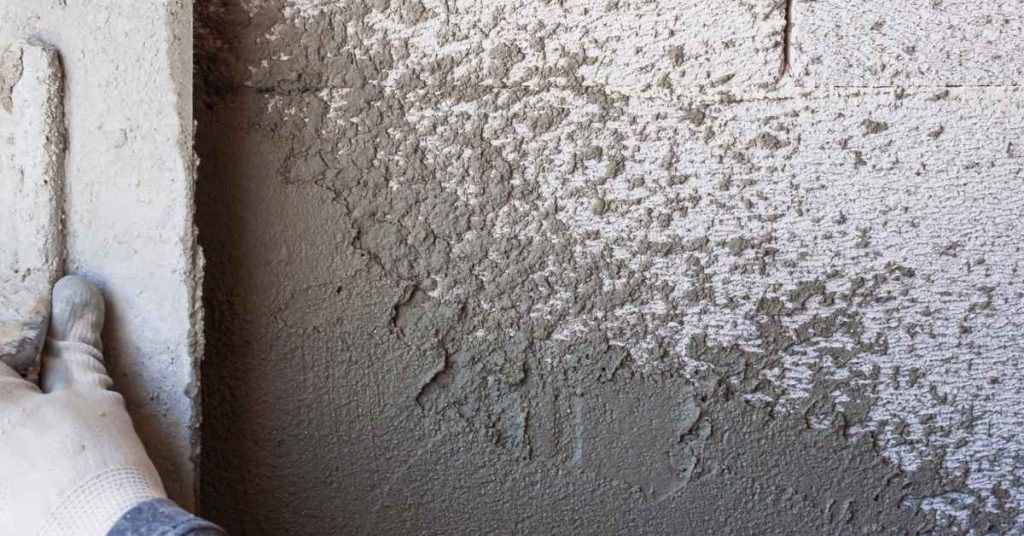
Construction worker applying stucco to wall with trowel

Stucco in hot, dry conditions: misting schedules and stopping rapid set during troweling

Introduction Misting schedules and water control for stucco in hot, dry conditions aim to improve workability and help the plaster set without cracking. The topic covers when and how often to mist and how to manage timing during troweling. This piece is written for a practical, hands-on DIY approach. Practical curing methods and tool choices

Stucco in hot, dry conditions: misting schedules and stopping rapid set during troweling Read More »

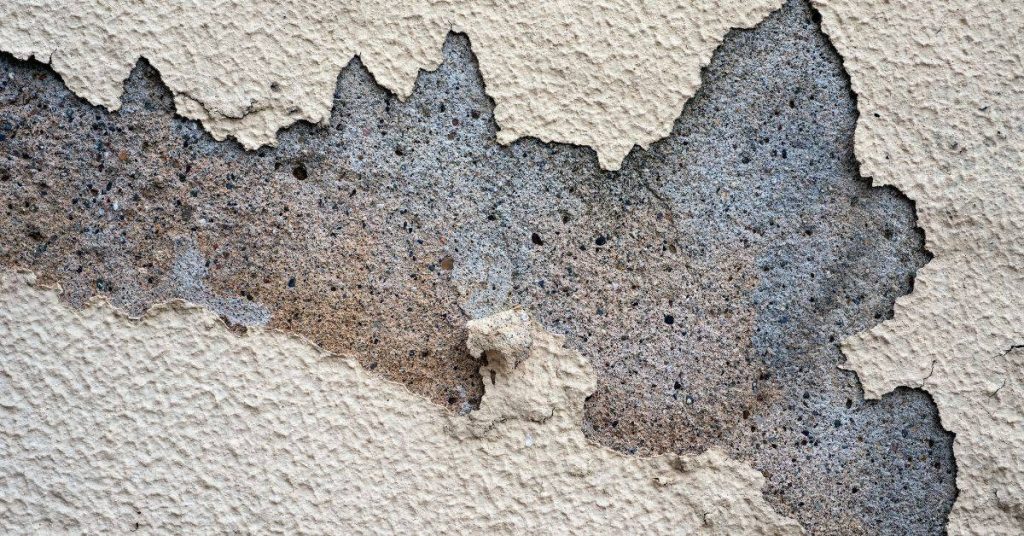
Peeling beige stucco revealing rough concrete underneath

Freeze-thaw damage on stucco base coats: recognizing it early and rebuilding the right way

Introduction Freeze-thaw damage occurs when trapped moisture in stucco base coats freezes and expands, causing cracking and delamination. It can weaken the surface and open pathways for water to enter surrounding layers. Damage often starts on the exterior and can spread if not addressed with proper repairs. Common signs include hairline cracks, chipped or powdery

Freeze-thaw damage on stucco base coats: recognizing it early and rebuilding the right way Read More »

Hand scraping delaminated stucco from wall with scraper

Stucco delamination from paint layers: how to test adhesion before you repaint

Introduction Delamination in stucco paint means the coating is no longer firmly attached to the underlying surface. Testing adhesion before repainting shows whether the surface is ready to be prepped and primed. A quick check helps you plan the cleaning, scraping, and sealing steps. To test adhesion, use a simple peel or lift test on

Stucco delamination from paint layers: how to test adhesion before you repaint Read More »

Two-story stucco house exterior with windows and garage door

Stucco termite inspection gaps: keeping clearances without leaving raw edges

Introduction Stucco Gap Inspection and Repair To minimize termite access, keep gaps around stucco clear while preventing exposed raw edges. Inspect edges, corners, and joints where stucco meets other materials regularly. Focus on these areas: Stucco-to-stucco joints Stucco-to-frame connections Stucco-to-foundation interfaces Upon discovering gaps, repair them neatly using suitable flashing or backer materials and compatible

Stucco termite inspection gaps: keeping clearances without leaving raw edges Read More »

Close-up of damaged stucco wall with peeling and exposed underlying surface

Bulging or hollow stucco spots: tap testing, cut windows, and when patching is a trap

Introduction Bulging or hollow spots in stucco indicate hidden voids or moisture behind the surface. Use a light tapping test to distinguish solid backing from hollow areas, and treat any suspect spot as a sign to inspect further. Avoid rushing to patch; confirm what you’re dealing with before sealing. If you decide to open a

Bulging or hollow stucco spots: tap testing, cut windows, and when patching is a trap Read More »

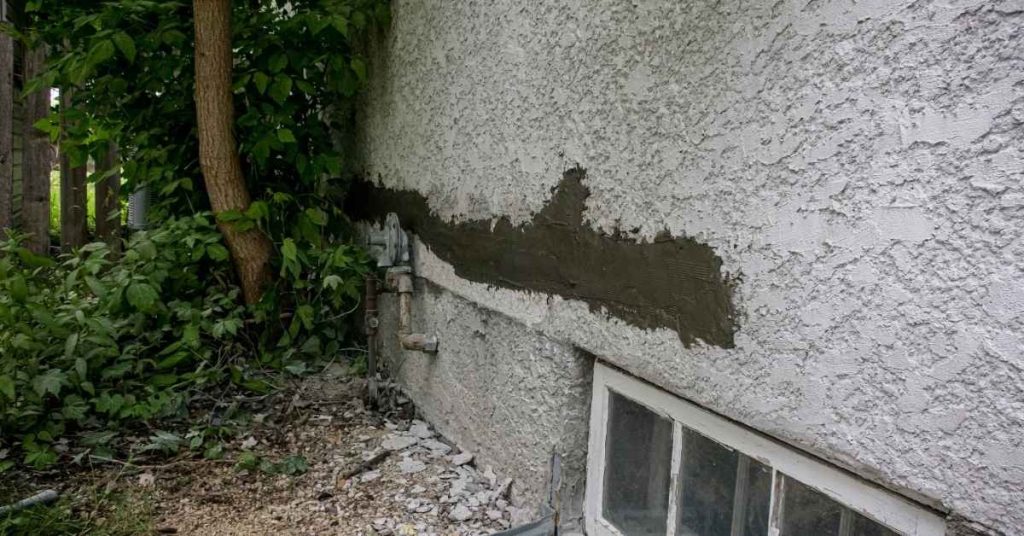
Stucco wall with fresh dark patch repair near window and vegetation

Stucco patch blends that don’t ‘picture frame’: sand matching, fog coats, and feather technique

Introduction Stucco patches can blend in by matching the sand texture, applying a light fog coat, and feathering the edges to disappear. This approach focuses on how the repair looks from close up and at a distance, not on replacing the entire wall. It’s a practical, hands-on method for making repairs less noticeable. Start by

Stucco patch blends that don’t ‘picture frame’: sand matching, fog coats, and feather technique Read More »

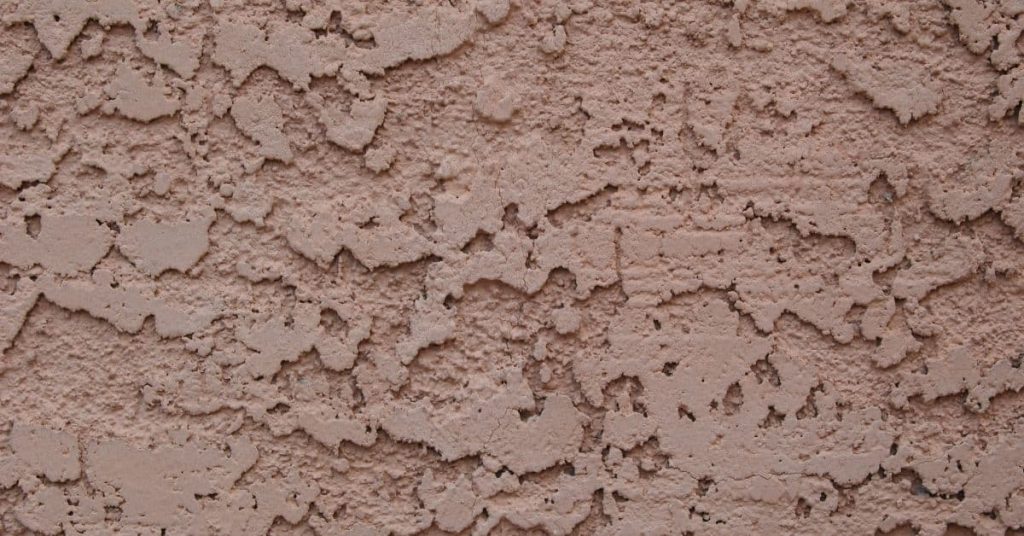
Close-up of textured brown stucco wall surface

Stucco brown coat straightening: screed methods that don’t telegraph waves later

Introduction Screed straightening of the stucco brown coat is the process of leveling and smoothing the outer layer to prevent visible waves. It relies on controlled, even passes with a straightedge to create a flat, true surface. The goal is to set the first and second coats with minimal movement after initial setting, while maintaining

Stucco brown coat straightening: screed methods that don’t telegraph waves later Read More »

Gloved hand applying stucco scratch coat on lath

Stucco scratch coat keying: getting bite on lath without overworking the mix

Introduction Keying the scratch coat means creating a rough, gripping surface on the lath so the plaster adheres without excessive manipulation. It gives the base a bite that helps the next layer hold. Start with thorough surface preparation: clean and dampen the lath so dust is removed and the surface isn’t drawing moisture too quickly.

Stucco scratch coat keying: getting bite on lath without overworking the mix Read More »