Search Results for: plaster crack repair

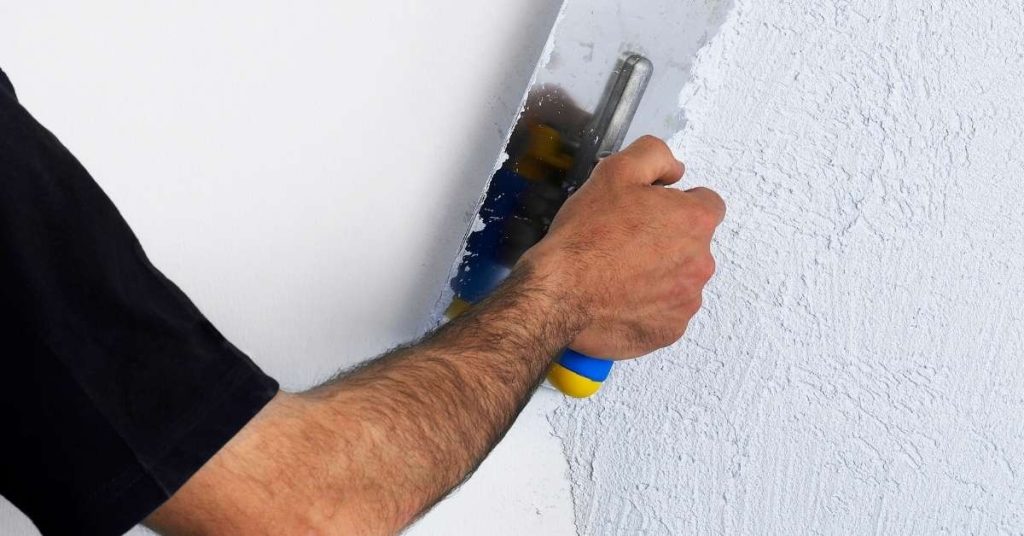
Close-up of textured white plaster surface

Bonding agents explained: PVA vs acrylic vs plaster weld and where each fails

Introduction Bonding agents like PVA, acrylic, and plaster weld are surface glues that improve adhesion between materials. This article explains how each one works, where it tends to perform best, and the common limits you’ll run into on-site. You’ll learn practical tips for surfaces and prep so the agent can grip and cure reliably. PVA […]

Bonding agents explained: PVA vs acrylic vs plaster weld and where each fails Read More »
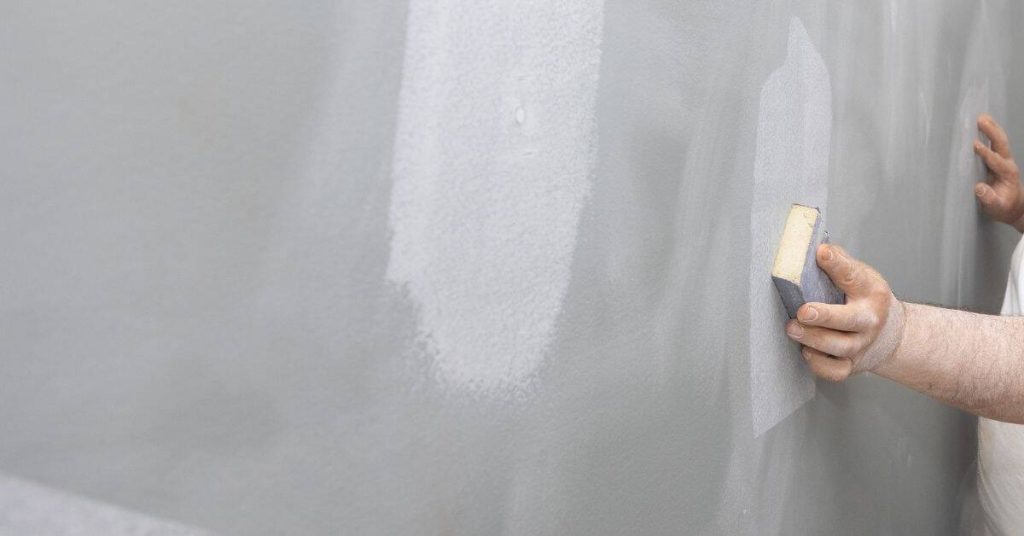
Hand applying sponge to textured plaster wall

Blending textures on old plaster walls: sand grading tricks and sponge timing

Introduction Blending textures on old plaster walls means smoothing uneven surfaces by using sand grading and sponge timing to achieve a cohesive finish. This article focuses on practical, hands-on steps you can follow in a DIY setting. You’ll balance texture retention with a softer final look while it remains within safe expectations for plaster repair.

Blending textures on old plaster walls: sand grading tricks and sponge timing Read More »

Exterior stucco wall with scaffolding set up for repair

Patching stucco after plumbing repairs: backing methods that prevent a soft spot

Introduction Backing methods for patching stucco after plumbing repairs provide support under the patch to keep it solid. They help prevent sagging or settling as the repair dries and cures. Choose a backing that fits behind the stucco and works with the existing wall. Place the backing so it sits behind the new stucco and

Patching stucco after plumbing repairs: backing methods that prevent a soft spot Read More »

Stucco wall with three boarded openings and rust stains below

Tracking hidden metal in stucco: stopping rust stains from coming back after repairs

Introduction Tracking hidden metal in stucco is the process of locating metal components behind the stucco to prevent rust-related damage. Rust stains can reappear if metal isn’t found and treated. This introduction covers practical steps for checking, repairing, and preventing future issues. Techniques for detecting hidden metal include visual clues and non-destructive checks. Common causes

Tracking hidden metal in stucco: stopping rust stains from coming back after repairs Read More »

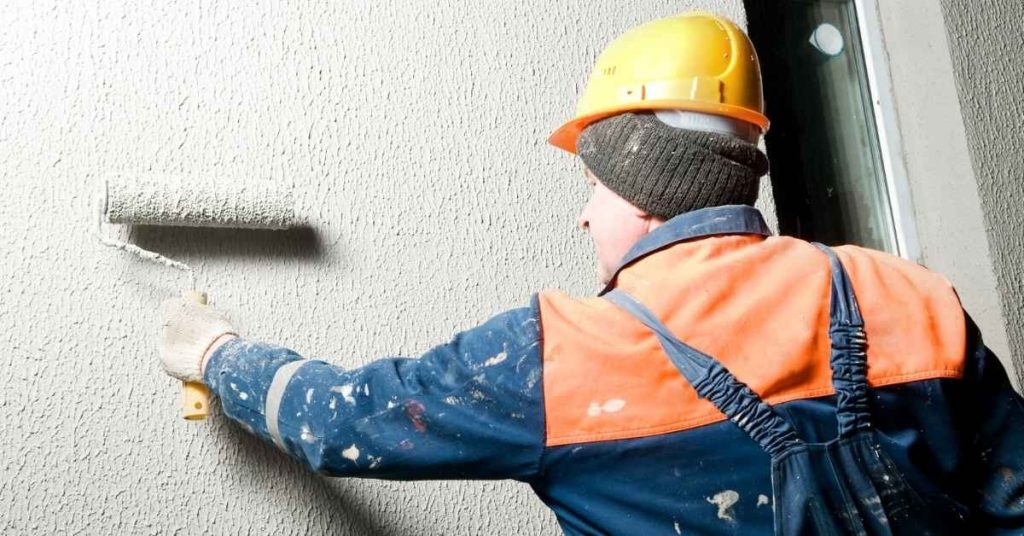
Worker applying textured stucco to exterior wall with paint roller

Hairline cracks in stucco: when elastomeric paint helps and when it hides bigger problems

Introduction Hairline cracks in stucco are very thin cracks in the exterior plaster that can form from settling, temperature changes, or minor shrinkage. They often appear as pale lines and may run across walls or around windows. Understanding what they are helps you decide whether to address them before painting. Elastomeric paint can bridge small

Hairline cracks in stucco: when elastomeric paint helps and when it hides bigger problems Read More »

Fresh concrete poured into yellow wooden formwork

Rock Pockets on Formed Concrete Faces: Prevention During Pour and Durable Cosmetic Repairs

Introduction Rock pockets are hollow spots or voids that appear on the surface of formed concrete faces. They form when aggregate or cement settles away from the surface during pour, leaving visible pockets. Proper formwork, consistent pour, and careful surface preparation help prevent them. Symptoms include small pits and rough spots on the face that

Rock Pockets on Formed Concrete Faces: Prevention During Pour and Durable Cosmetic Repairs Read More »

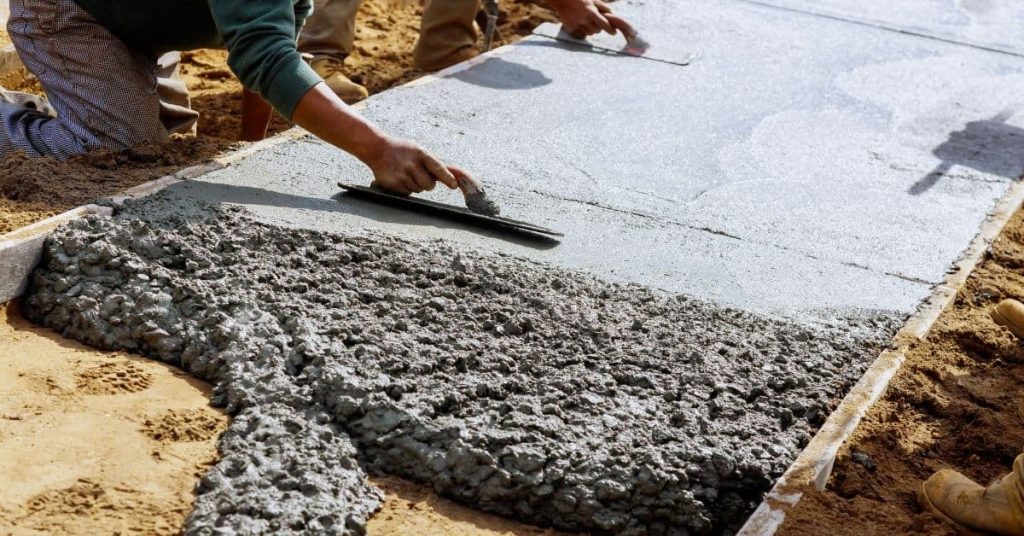
Workers finishing fresh concrete slab with hand trowels

Crazing and hairline map cracks: over-finishing clues and how to keep it subtle

Introduction Crazing and hairline map cracks are very fine, web-like cracks that run across the surface of concrete or plaster. They often look like a spiderweb or tiny branching lines and can appear after finishing when the surface dries unevenly. These marks aren’t structural failure, but they do affect the look and texture of a

Crazing and hairline map cracks: over-finishing clues and how to keep it subtle Read More »

Close-up of blue textured stucco wall surface

Repairing Stucco Behind Hose Reels and Brackets: Keeping the WRB Intact

Introduction Repairing stucco behind hose reels and brackets means fixing cracks and damage without compromising the wall and its weather barrier. Keep the WRB intact by protecting it while you remove hardware and apply patches. Use appropriate repair materials that match the stucco type and follow label directions, and avoid overloading or trapping moisture. If

Repairing Stucco Behind Hose Reels and Brackets: Keeping the WRB Intact Read More »

Person applying plaster on wall with trowel

High-Gloss Venetian Plaster: A Layering Plan to Avoid Drag Marks and Streaks

Introduction High-gloss Venetian plaster is a multi-layer decorative finish that builds a shiny, mirror-like surface. This article lays out a practical layering plan to keep drag marks and streaks under control as you work. You’ll be working in thin, even coats and checking your tool marks as you go. Begin with surface prep, then keep

High-Gloss Venetian Plaster: A Layering Plan to Avoid Drag Marks and Streaks Read More »

Man applying plaster patch to interior wall cracks

Plaster Patching at Stair Stringers: Reinforcement for Vibration Zones

Introduction Plaster patching at stair stringers is a repair method that stabilizes cracks and adds stiffness where vibration occurs. It targets the areas where the stringer carries load and movement from foot traffic. This guide describes a practical, hands-on approach you can tackle with basic tools. Start by cleaning the damaged area and selecting a

Plaster Patching at Stair Stringers: Reinforcement for Vibration Zones Read More »