Search Results for: plaster crack repair

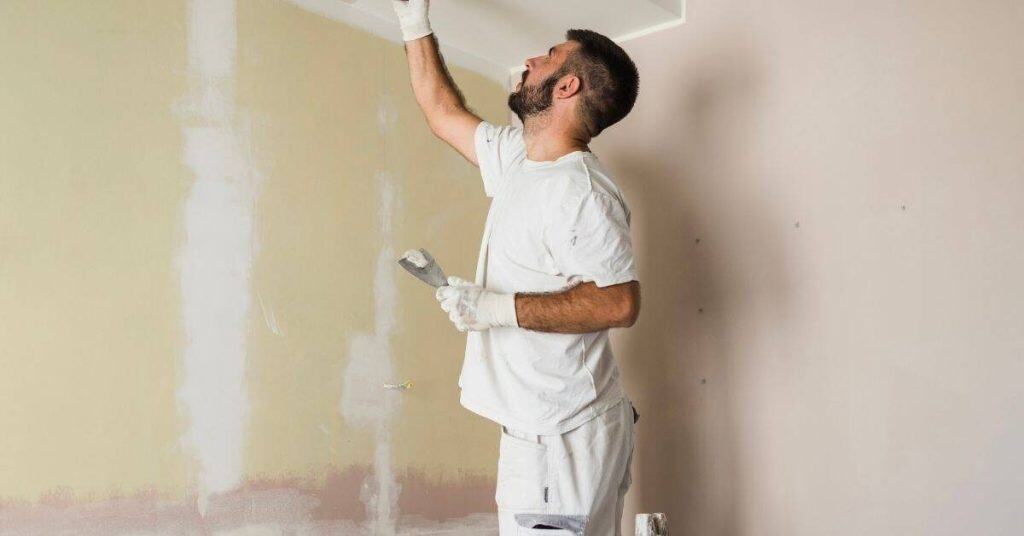
Man patching interior wall with plaster using putty knife

Lime Plaster Compatibility Rules: Patching Old Walls Without Future Failure

Introduction Lime plaster compatibility means using a mix that can bond to existing walls without trapping moisture. It requires considering the old wall material and ensuring the new plaster can move with it. Always check the wall for moisture or stability before patching. To patch, clean and roughen the surface, then apply a lime-based plaster […]

Lime Plaster Compatibility Rules: Patching Old Walls Without Future Failure Read More »
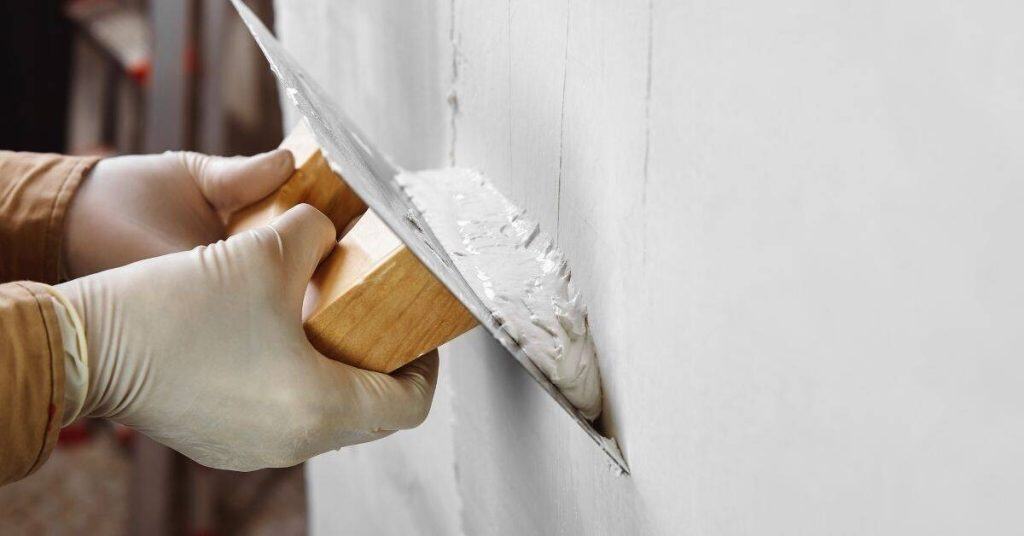
Hands applying wet plaster on wall with trowel

Creating a Smooth Plaster Finish: Trowel Pressure and Timing Basics

Introduction A smooth plaster finish comes from controlled trowel pressure and proper timing. That means pressing evenly as you float or skim, and watching the set so you don’t pull or push too much. You’ll get a better look if you keep strokes consistent and work in small, overlapping sections. Check the plaster’s working time

Creating a Smooth Plaster Finish: Trowel Pressure and Timing Basics Read More »

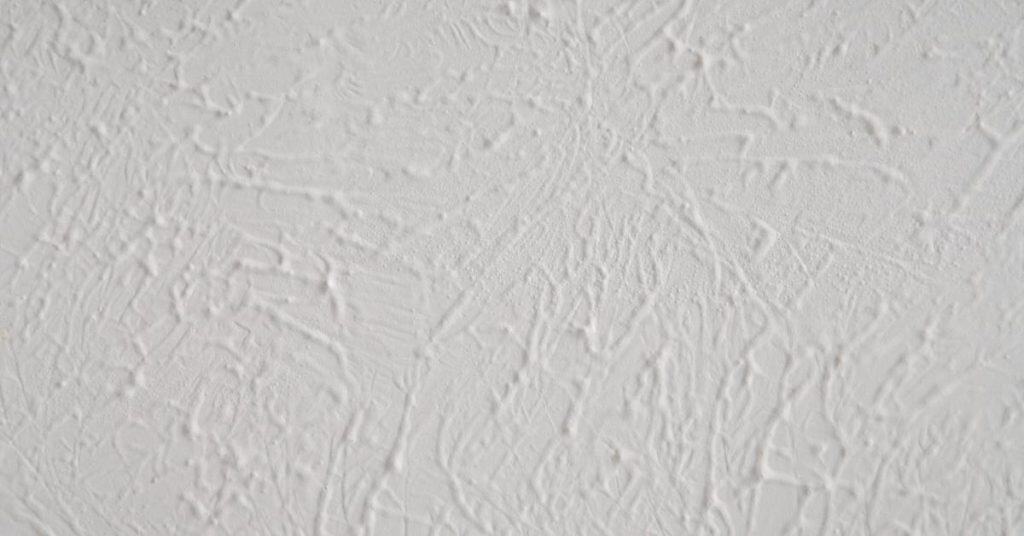
Close-up of white textured plaster surface

Casein Paint on Plaster: When It’s Useful and How to Avoid Flaking

Introduction Casein paint on plaster is a natural, milk-protein based paint that creates a matte, breathable finish on plaster walls. This approach is useful when you want a soft look, easy touch-ups, and a traditional feel. Before you start, test a small area and check the product label for compatibility with plaster and existing finishes.

Casein Paint on Plaster: When It’s Useful and How to Avoid Flaking Read More »

Hand wearing red glove smoothing plaster on wall with trowel

Breathable Finishes for Lime Plaster: What to Use and What to Avoid

Introduction Breathable finishes for lime plaster are coatings that let moisture pass through while protecting the wall. They’re chosen to prevent damp buildup and to keep the plaster performing over time. Check product labels and manufacturer instructions to confirm breathability and suitability for lime plaster. Use lime-putty-based finishes or mineral paints labeled breathable. Avoid latex-based

Breathable Finishes for Lime Plaster: What to Use and What to Avoid Read More »

Close-up of moss growing on deteriorating concrete edge

Feather-Edge Concrete Repairs: When They Fail and Better Build-Up Methods

Introduction Feather-edge concrete repairs are a method to rebuild a thin, tapered edge on damaged concrete so it blends with the surrounding slab. This approach is hands-on and relies on proper surface prep, bonding, and gradual build-up rather than full removal. If the edge is chipped but the rest of the slab is sound, a

Feather-Edge Concrete Repairs: When They Fail and Better Build-Up Methods Read More »

Close-up of horizontal lap siding painted beige

Paint Telegraphing: Why Old Repairs Show Through and How to Hide Them

Introduction Paint telegraphing is the visible outline or pattern of old repairs showing through fresh paint. It happens when the underlying repairs or textures are different from the surrounding wall. In this article we’ll cover why it happens and how to reduce or hide it during a DIY repaint. Causes include uneven patches, old joint

Paint Telegraphing: Why Old Repairs Show Through and How to Hide Them Read More »

Man in blue overalls painting interior wall with roller

Paint Peeling on Interior Walls: Fast Diagnosis and Lasting Repairs

Introduction Paint peeling on interior walls is when old paint loses adhesion and starts flaking off. Common causes include moisture intrusion, sun exposure, or poor surface prep. Look for bubbling, cracking, or peeling at edges and near windows. To diagnose, check for ongoing moisture, test a small area to see if the paint re-adheres after

Paint Peeling on Interior Walls: Fast Diagnosis and Lasting Repairs Read More »