Search Results for: plaster crack repair

Worker drilling into drywall panel indoors

Drywall Anchors in Hollow Walls: Choosing by Load and Avoiding Blowout Repairs

Introduction Drywall anchors in hollow walls are devices that hold fasteners securely when the wall is thin or backed by empty space. They work by gripping inside the gypsum and spreading load to prevent pullout. Choose anchors based on the weight you plan to support and the wall thickness you’re dealing with. To avoid blowout, […]

Drywall Anchors in Hollow Walls: Choosing by Load and Avoiding Blowout Repairs Read More »
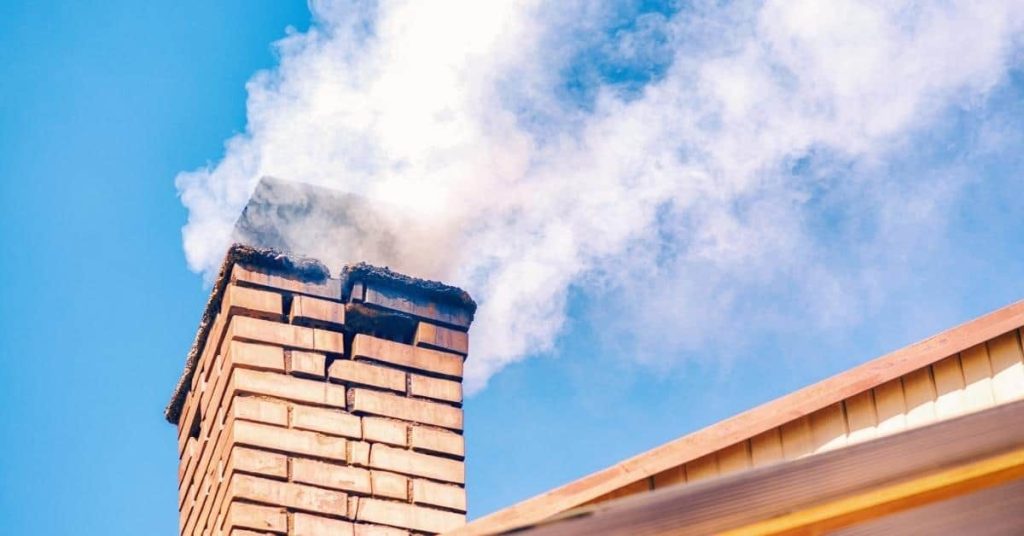
Brick chimney with smoke emitting against blue sky

Chimney Stucco Failures: Heat, Cracks, and Repair Choices

Introduction Chimney stucco failures are cracks and deterioration in the exterior plaster caused by heat exposure, moisture, and movement. These issues show up as hairline cracks, spalling, or texture changes that let water in. Addressing them early keeps water out and protects the brick or block behind the finish. To start, inspect for cracks that

Chimney Stucco Failures: Heat, Cracks, and Repair Choices Read More »

Worker applying textured plaster to wall with roller

Soft Dusty Plaster Surfaces: Consolidants, Re-Skim Options, and Stop Rules

Introduction Soft dusty plaster surfaces are fragile, powdery walls that crumble when touched. That dustiness means you’re dealing with a coating that has lost binding and needs careful treatment. This article walks you through consolidants, re-skim options, and practical stop rules for a safe, workable repair. We’ll keep things practical with real-world steps you can

Soft Dusty Plaster Surfaces: Consolidants, Re-Skim Options, and Stop Rules Read More »

Hand sanding a plaster wall with a sanding sponge

Plaster Sanding Mistakes: When Sanding Ruins the Finish and What to Do Instead

Introduction Sanding plaster can ruin the finish if you over-sand or use the wrong grit for the surface. This article explains how to spot the signs and what to do instead. You’ll learn practical, hands-on steps you can take without turning a simple job into a bigger mess. Start by avoiding heavy, broad motions and

Plaster Sanding Mistakes: When Sanding Ruins the Finish and What to Do Instead Read More »

Worker in blue helmet painting wall yellow with roller

Painting Plaster the Right Way: Dry Time, Primers, and Sheen Control

Introduction Painting plaster correctly means choosing the right primer, letting it dry properly, and applying coats with the right sheen. This article walks you through the practical steps so your wall texture doesn’t show through or peel. Keep in mind you should read product labels for exact instructions. Dry time depends on temperature and humidity,

Painting Plaster the Right Way: Dry Time, Primers, and Sheen Control Read More »

Blue ladder in room with patched and primed drywall walls

Movement Control at Material Changes: Preventing Cracks Where Walls Meet

Introduction Movement control at material changes means allowing tiny shifts where different building materials meet to prevent cracks. Key takeaways Align movement joints at material change lines to control crack paths. Use proper backing and sealant systems suited to substrate movement. Follow manufacturer guidelines and local codes for joint spacing and materials. Backer rods prevent

Movement Control at Material Changes: Preventing Cracks Where Walls Meet Read More »

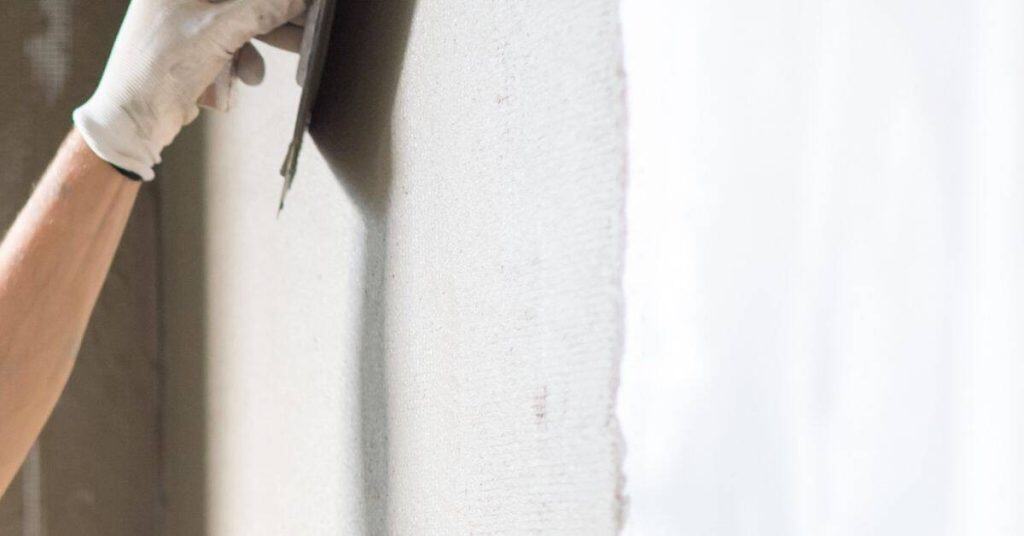
Close-up of white plaster wall with textured surface

Matching Old Plaster Texture: Brushing, Sponging, and Feathering Tricks

Introduction This guide explains how to match old plaster texture using brushing, sponging, and feathering techniques. You’ll learn simple, hands‑on steps to blend new patches with the surrounding wall. Keep in mind the look varies with light and the original finish. Start by inspecting the current texture to guide your brush, sponge, or feathering choice.

Matching Old Plaster Texture: Brushing, Sponging, and Feathering Tricks Read More »

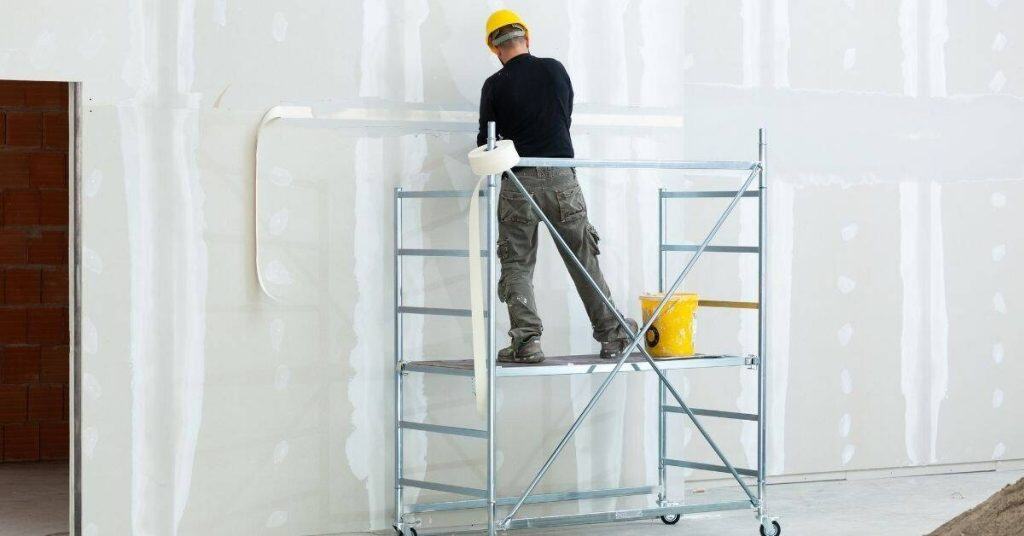
Worker standing on scaffolding applying material to plaster wall

Limewash on Interior Plaster: Prep, Multiple Coats, and Common Blotching Fixes

Introduction Limewash on interior plaster is a breathable, mineral coating you apply in thin layers to color and protect plaster while letting moisture move through. It goes on over clean, sound plaster that has had any dust or loose material removed and allowed to dry. Think of it as a simple, natural finish you build

Limewash on Interior Plaster: Prep, Multiple Coats, and Common Blotching Fixes Read More »