Search Results for: plaster crack repair

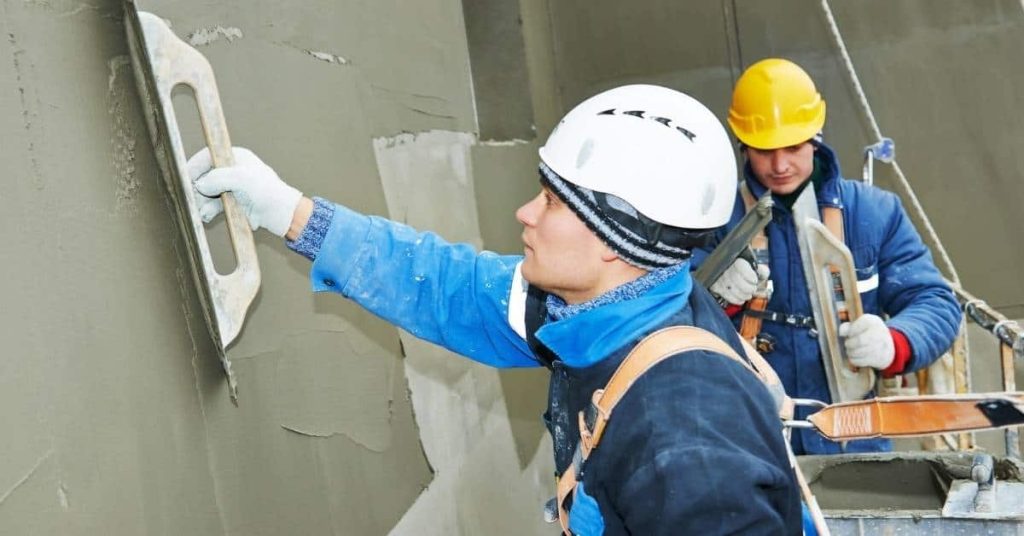
Two construction workers applying stucco to exterior wall

Dash Finish Stucco Repair: Getting Consistent Throw Without Overbuilding Thickness

Introduction Dash finish stucco repair means rethrowing a coarse mix so it keys to the patch without building the wall thickness beyond the original surface. Think of it as matching texture by controlling how far and thick each throw lands rather than piling on extra material. Check product labels and local practices for compatible scratch/base

Dash Finish Stucco Repair: Getting Consistent Throw Without Overbuilding Thickness Read More »

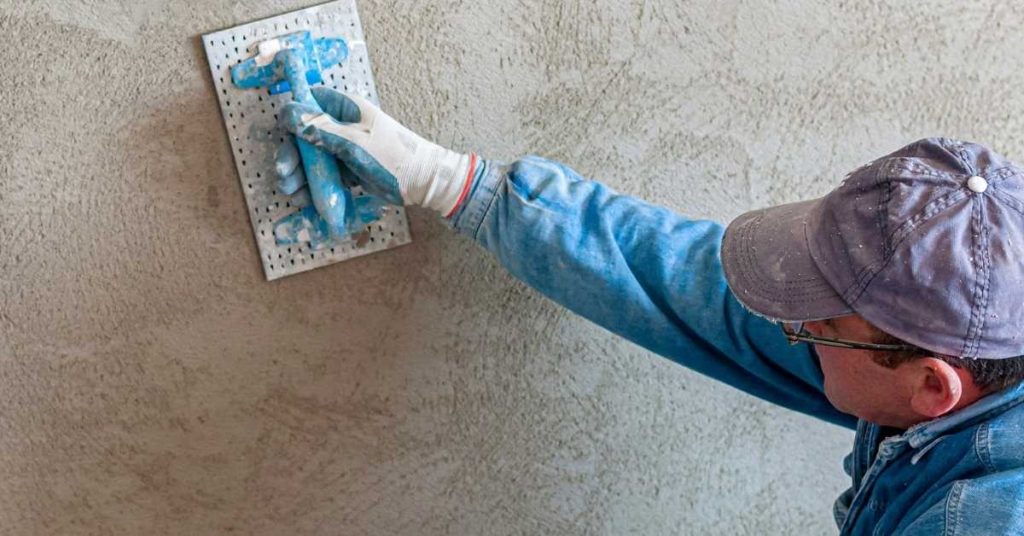
Worker applying stucco to block wall near windows covered in blue plastic

Mixing Stucco for Repairs: Sand Gradation, Lime Content, and Workability Tips

Introduction Mixing stucco for repairs means blending cement, sand, and lime to get a durable, workable patch that matches the existing surface. Use sand graded for stucco (check the product label or supplier gradation), add lime for flexibility per manufacturer guidance, and adjust water until the mix holds shape without slumping. Aim for a consistency

Mixing Stucco for Repairs: Sand Gradation, Lime Content, and Workability Tips Read More »

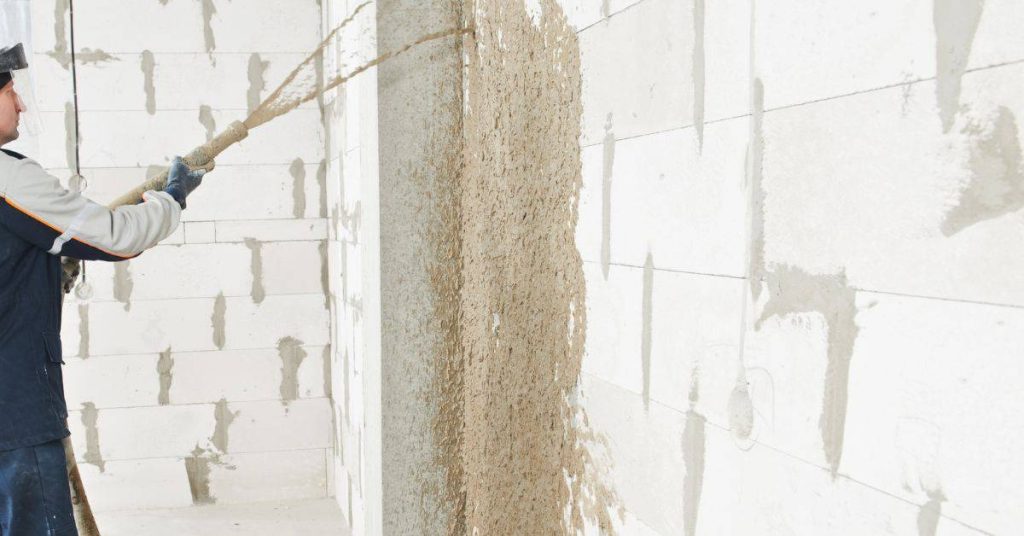
Worker spraying stucco onto concrete block wall

Stucco Over CMU Block: Bonding Agents, Scratch Keys, and Crack Control

Introduction Stucco over CMU block is a thin cement-based finish applied over masonry that needs a good bond, a proper scratch key, and planned crack control to last. Bonding agents, scratch coats, and reinforcement help the stucco grip the block and manage movement, but check product labels and local rules for compatibility and required curing

Stucco Over CMU Block: Bonding Agents, Scratch Keys, and Crack Control Read More »

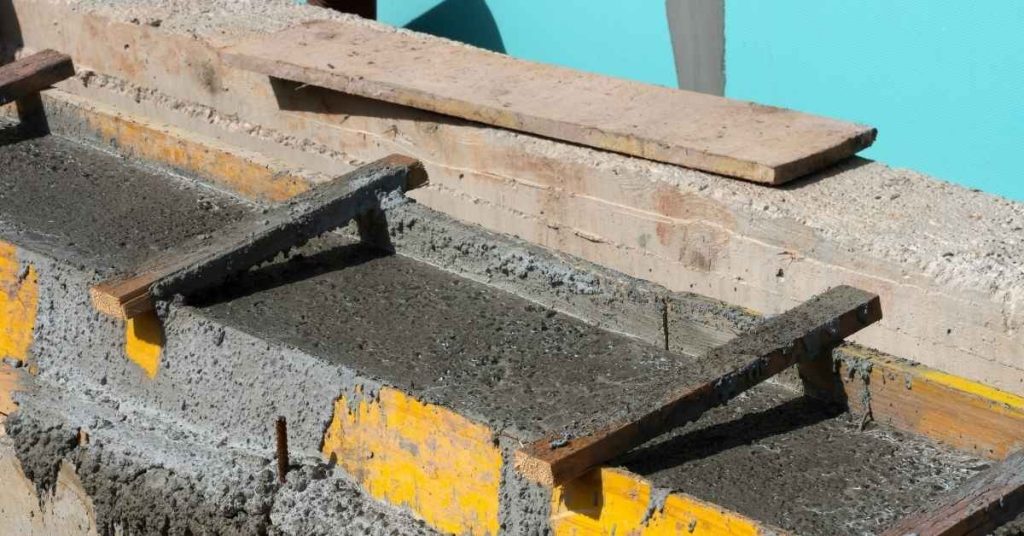
Fresh concrete pour in wooden formwork on vertical surface

Concrete Honeycomb Repair on Vertical Surfaces: Dry-Pack vs Form-and-Pour Decision Guide

Introduction Dry-pack and form-and-pour are two ways to repair honeycomb on vertical concrete surfaces. This guide helps you choose based on the damage, access, and field conditions you’ll face on site. Think of it as a practical decision, not a textbook rulebook. Dry-pack repairs are quick and grab the wall with minimal equipment, but they

Concrete Honeycomb Repair on Vertical Surfaces: Dry-Pack vs Form-and-Pour Decision Guide Read More »

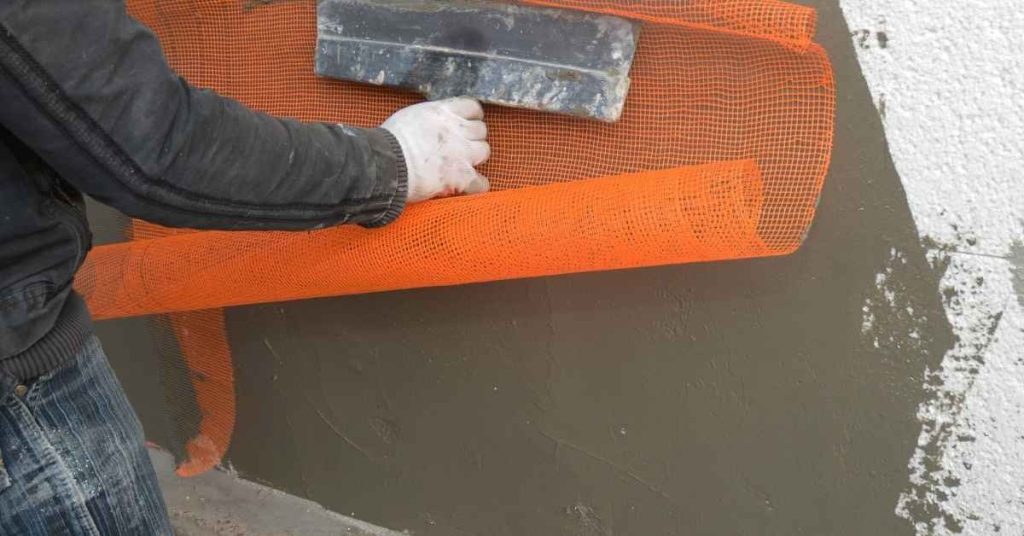
Worker applying orange mesh on wet stucco surface

Repairing Stucco at Inside Corners: Mesh Layout and Stress Relief Details

Introduction Repairing stucco at inside corners means reinforcing the corner with mesh and creating controlled stress relief so the patch bonds and moves without cracking. In practice you’ll cut and embed mesh over the corner, feather the scratch/base coats into the surrounding sound stucco, and finish with compatible topcoat material; check product labels and local

Repairing Stucco at Inside Corners: Mesh Layout and Stress Relief Details Read More »

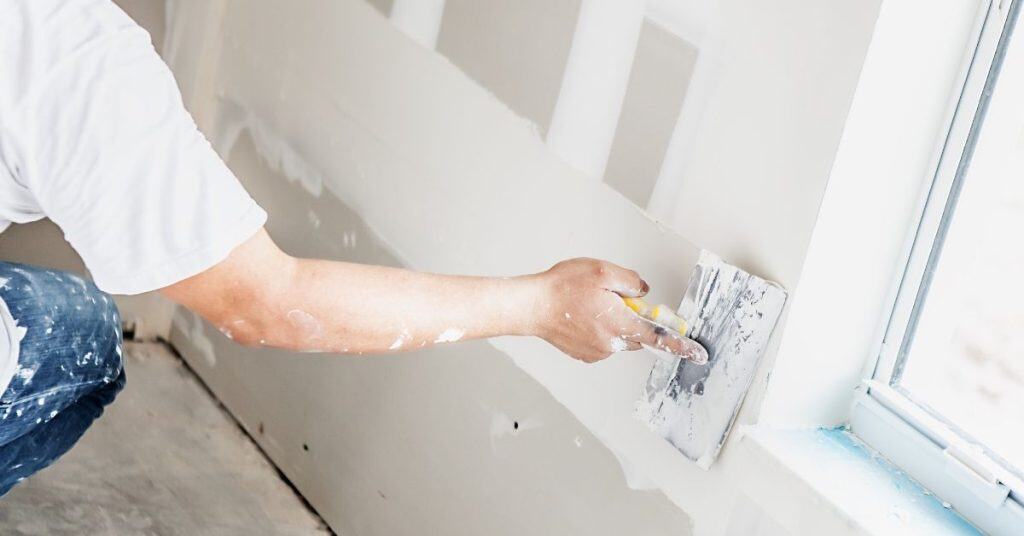
Person applying drywall joint compound near window

Choosing Plaster vs Joint Compound for Repairs: Durability, Sanding, and Paint Finish Differences

Introduction Plaster is a harder-setting wall finish made from cement- or gypsum-based mixes, while joint compound is a softer, gypsum-based product meant for taping and small repairs. For DIYers that means plaster will hold up better in high-traffic areas and where impact resistance matters, and joint compound is easier to apply and feather for small

Choosing Plaster vs Joint Compound for Repairs: Durability, Sanding, and Paint Finish Differences Read More »

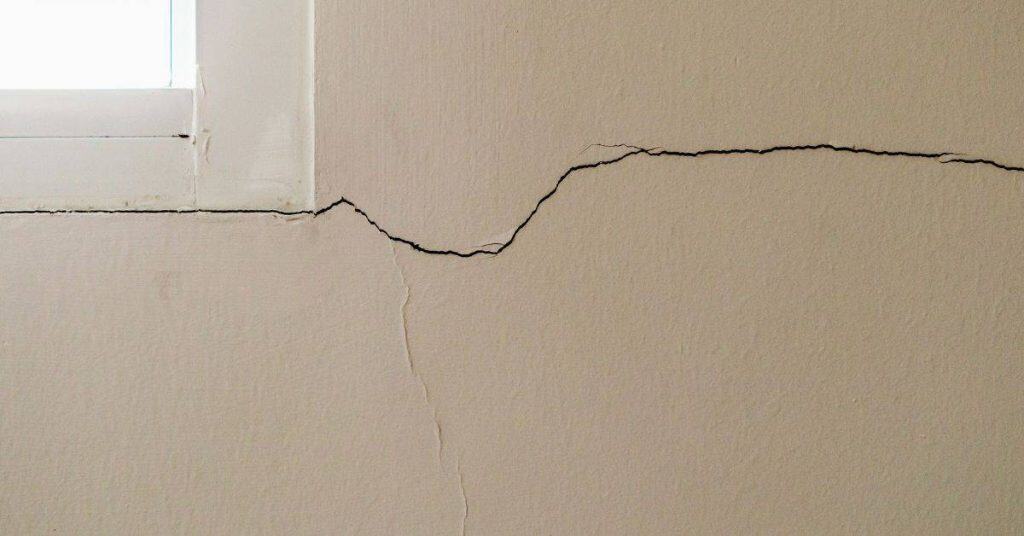
Wall with a long crack near a window frame

Plaster Cracks That Keep Coming Back: Movement Checks, Mesh Options, and Control-Joint Alternatives

Introduction Plaster cracks that keep coming back are usually signs of ongoing movement—either structural, thermal, or moisture-related—rather than a one-off surface failure. In plain terms: fix the movement first, then choose a flexible joint compound or mesh to bridge how much movement you expect and follow the product label for prep and cure times. Check

Plaster Cracks That Keep Coming Back: Movement Checks, Mesh Options, and Control-Joint Alternatives Read More »

Close-up view of crushed concrete aggregate stones

Exposed Aggregate Repairs: Re-Exposing Stone Without Washing Out the Patch

Introduction Exposed aggregate repairs that re-expose stone without washing out the patch means removing the surface paste down to the original aggregate so the patch blends with the surrounding concrete. It’s a hands-on process using mechanical abrasion and careful material matching rather than scrubbing with water until the new paste disappears. Check product labels and

Exposed Aggregate Repairs: Re-Exposing Stone Without Washing Out the Patch Read More »