Search Results for: mortar type

Thinset Consistency Test: How to Mix so It Holds Ridges but Still Wets Out

Thinset Consistency Test: How to Mix so It Holds Ridges but Still Wets Out

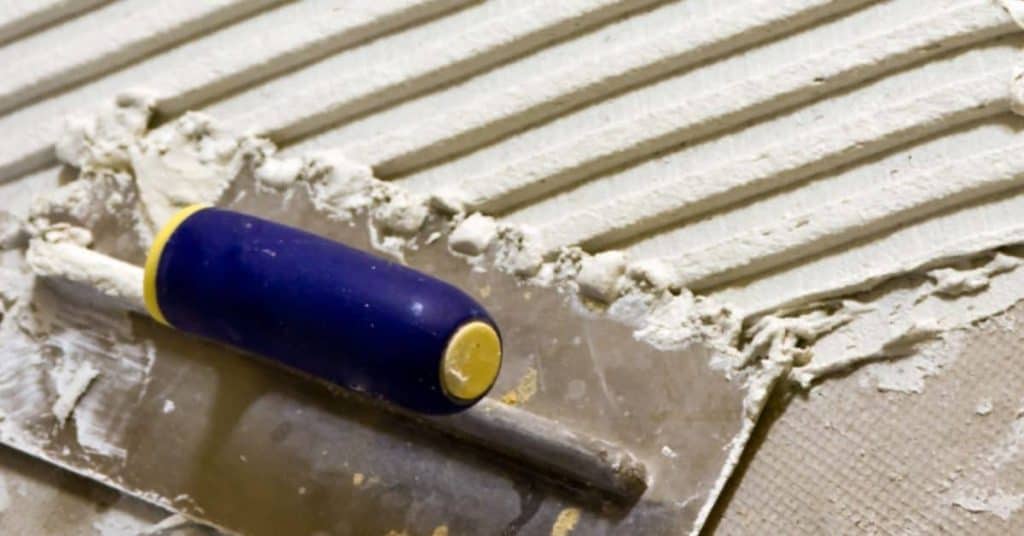
Introduction The consistency of your thinset mortar is crucial for a successful tile installation. It needs to be thick enough to hold the ridges on your trowel, but still wet out and adhere properly to the surface. In this guide, we’ll walk you through a simple test to ensure your thinset mix is just right […]

Thinset Consistency Test: How to Mix so It Holds Ridges but Still Wets Out Read More »
Coverage Checks: How to Pull a Tile and Know If You’re Actually Doing It Right

Coverage Checks: How to Pull a Tile and Know If You’re Actually Doing It Right

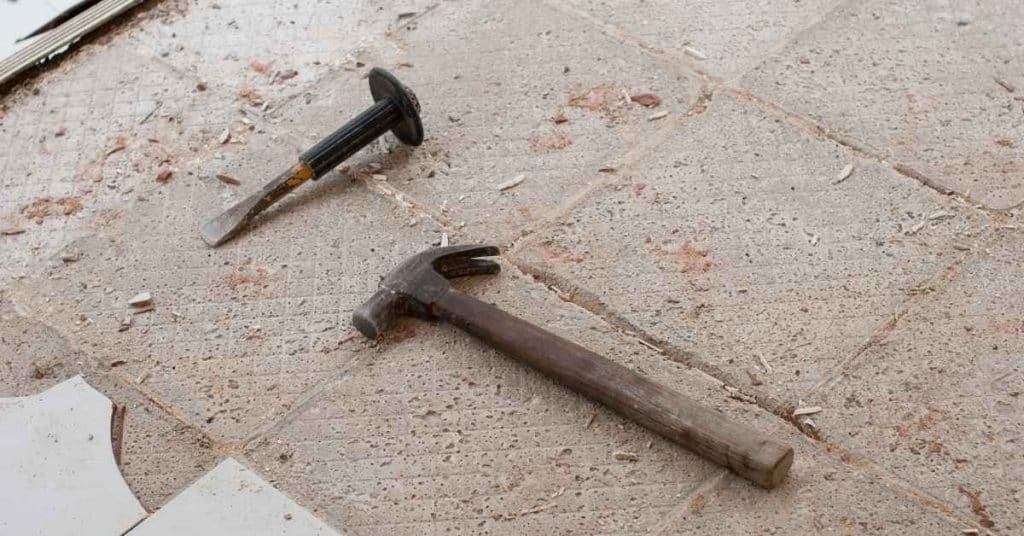
Introduction You can know if you pulled a tile correctly by verifying coverage and proper adhesion. The guide walks through practical steps, common signs of good and bad installs, and simple rules of thumb to help you assess a tile pull on the job. Key takeaways Plan a careful tile pull after curing to prevent

Coverage Checks: How to Pull a Tile and Know If You’re Actually Doing It Right Read More »

Flattening a Wall for Tile: the “before Tile” Step That Prevents Lippage

Flattening a Wall for Tile: the “before Tile” Step That Prevents Lippage

Introduction Flattening a wall before tiling prevents lippage and creates a flat, durable tile surface. In this guide you’ll learn how to assess wall flatness, identify common high and low spots, and apply practical steps to bring every area to level before you lay tile. The approach covers simple checks, common techniques, and ways to

Flattening a Wall for Tile: the “before Tile” Step That Prevents Lippage Read More »

When to Use a Leveling System: Where It Helps and Where It Hides Bad Prep

When to Use a Leveling System: Where It Helps and Where It Hides Bad Prep

Introduction Use a leveling system to create flat, stable surfaces when the base is sound, and recognize it won’t compensate for bad prep. You’ll learn how to assess when it’s appropriate, how to place and use it for accurate results, and how to spot prep issues that require attention before proceeding. Key takeaways Leveling systems

When to Use a Leveling System: Where It Helps and Where It Hides Bad Prep Read More »

Ledger Board Setup for Wall Tile: Keeping the First Row Perfect Without Damaging Waterproofing

Ledger Board Setup for Wall Tile: Keeping the First Row Perfect Without Damaging Waterproofing

Introduction A ledger board setup helps keep the first row of wall tile perfectly aligned without damaging waterproofing. You’ll learn the key steps for locating, leveling, and securing the ledger so the first row stays true and the waterproof membrane remains intact. The guide walks through practical tips, common mistakes to avoid, and how to

Ledger Board Setup for Wall Tile: Keeping the First Row Perfect Without Damaging Waterproofing Read More »

Inside Corners in Showers: Caulk Vs Grout and Where Movement Actually Happens

Inside Corners in Showers: Caulk Vs Grout and Where Movement Actually Happens

Introduction In shower inside corners, caulk handles movement while grout is best for rigid joints. The guide explains when to use each, how to assess movement in corners, and practical steps for proper application and sealing. Key takeaways Caulk tolerates movement in vertical corners; grout is rigid and can crack. Movement occurs mainly where framing

Inside Corners in Showers: Caulk Vs Grout and Where Movement Actually Happens Read More »

Gravel Base Thickness for Patios: Choosing 4″ or 8″ with Real Examples

Gravel Base Thickness for Patios: Choosing 4″ or 8″ with Real Examples

Introduction Gravel base thickness for patios should be 4 inches for standard light-use patios and 8 inches where soils are soft or loads are higher. You’ll learn practical guidelines, real-world examples, and simple steps to choose the right thickness for your site. Key takeaways 4-inch bases suit small patios with light loads and compacted soil.

Gravel Base Thickness for Patios: Choosing 4″ or 8″ with Real Examples Read More »

Expansion/Movement Joints: Where to Leave Gaps and How to Finish Them Cleanly

Expansion/Movement Joints: Where to Leave Gaps and How to Finish Them Cleanly

Introduction Leave proper gaps at expansion and movement joints to accommodate building movement and prevent cracking. This introduction explains how to choose appropriate gap sizes, where joints belong, and how to finish them cleanly with durable sealants and proper detailing. You’ll learn practical tips, common mistakes to avoid, and a straightforward approach to creating joints

Expansion/Movement Joints: Where to Leave Gaps and How to Finish Them Cleanly Read More »