Search Results for: mortar type

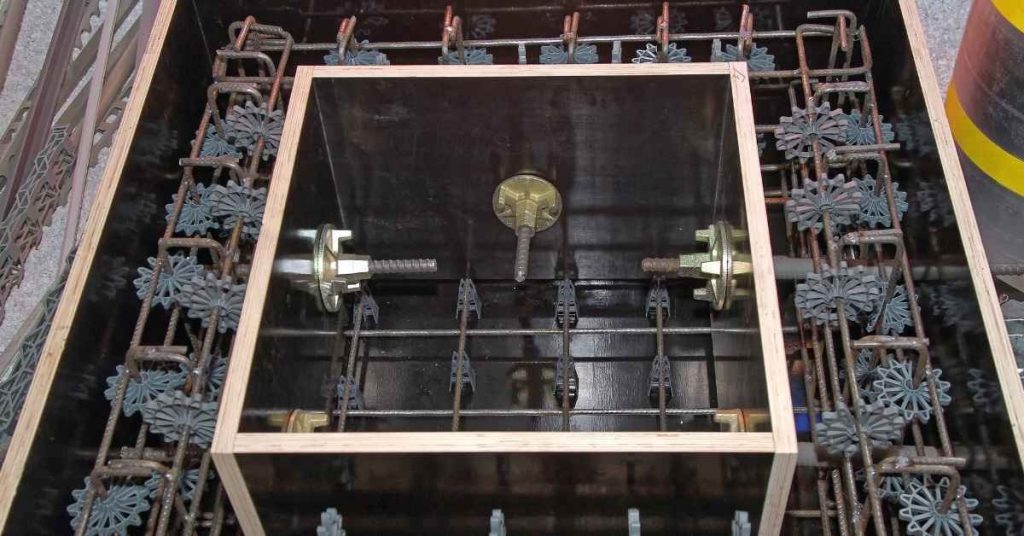
Concrete formwork with rebar and spacer components inside

Concrete Spall Repairs at Rebar: Cleaning Standards, Corrosion Protection, and Patch Build-up

Introduction Concrete spall repairs at rebar involve cleaning the damaged area, exposing corroded steel, and rebuilding the surface. This is a hands‑on task you can handle with basic tools, patience, and attention to safety. You’ll focus on cleaning to remove loose material, protecting rebar from further corrosion, and patching with compatible concrete. Check manufacturer instructions […]
Concrete Spall Repairs at Rebar: Cleaning Standards, Corrosion Protection, and Patch Build-up Read More »

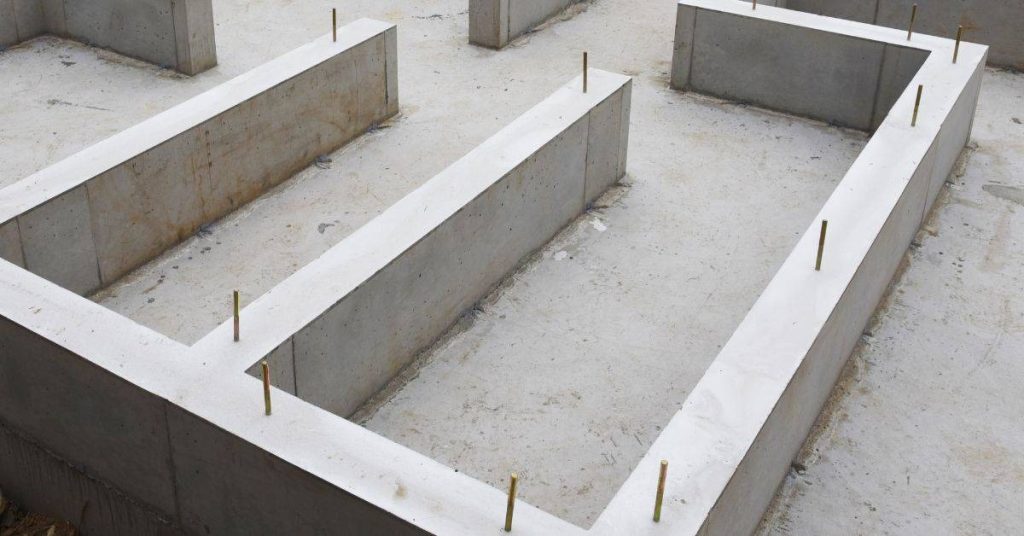
concrete foundation forms with embedded rods on construction site

Making a Simple Concrete Strike-Off for Small Forms: Straightness Checks and Setup Tips

Introduction A concrete strike-off is a simple flat guide used to level fresh concrete so the top surface stays true across small forms. It helps you check straightness and control the final height with the form you are using. Keep the setup clean and checked for levelness as you pour. You will need a straight

Making a Simple Concrete Strike-Off for Small Forms: Straightness Checks and Setup Tips Read More »

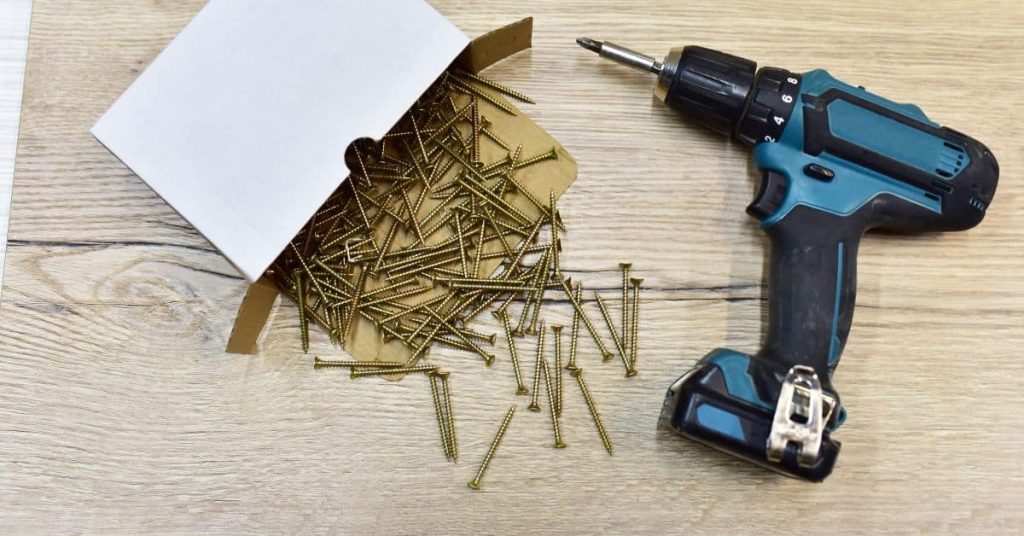
Cordless drill next to scattered box of screws on wood surface

How to Make Temporary Wet Screed Rails: Pipe, Wood, and Why Some Methods Leave Weak Lines

Introduction Temporary wet screed rails are temporary guides used to shape a wet concrete screed with straight edges. They can be made from pipes or boards that are set level and supported to leave clean, even lines. This intro covers how to choose materials and set up without leaving weak spots. What you do next

How to Make Temporary Wet Screed Rails: Pipe, Wood, and Why Some Methods Leave Weak Lines Read More »

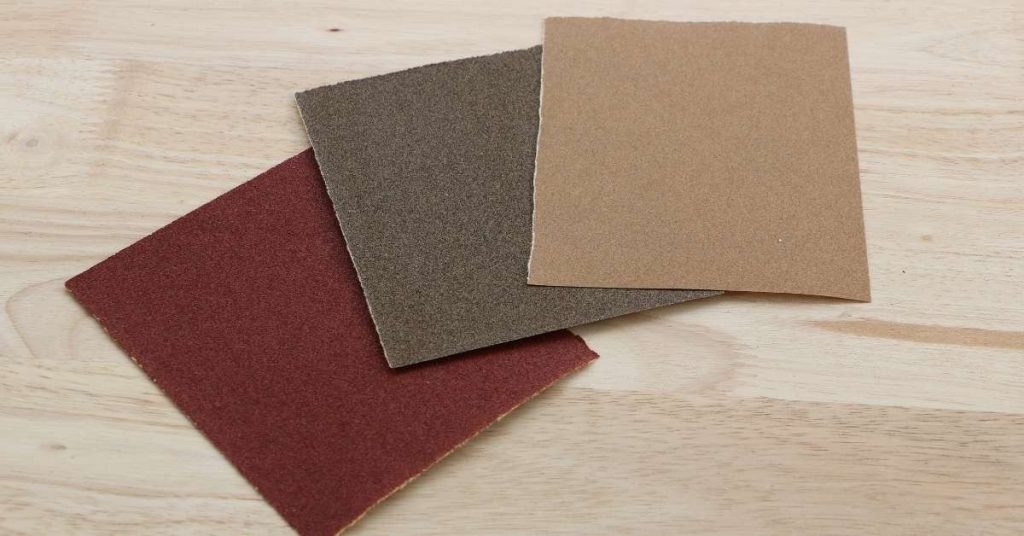
Three sheets of sandpaper in red brown and beige on wood

Venetian Plaster Touch-Ups: Avoiding Shiny Spots and Burnish Lines

Introduction Venetian plaster touch-ups are about repairing shine and burnish lines to restore an even, mirror-like finish. This hands-on guide walks you through practical steps and what to watch for on a DIY job. Check the product label and manufacturer instructions for any limitations and recommended mixing or application notes. There are several finishes you

Venetian Plaster Touch-Ups: Avoiding Shiny Spots and Burnish Lines Read More »

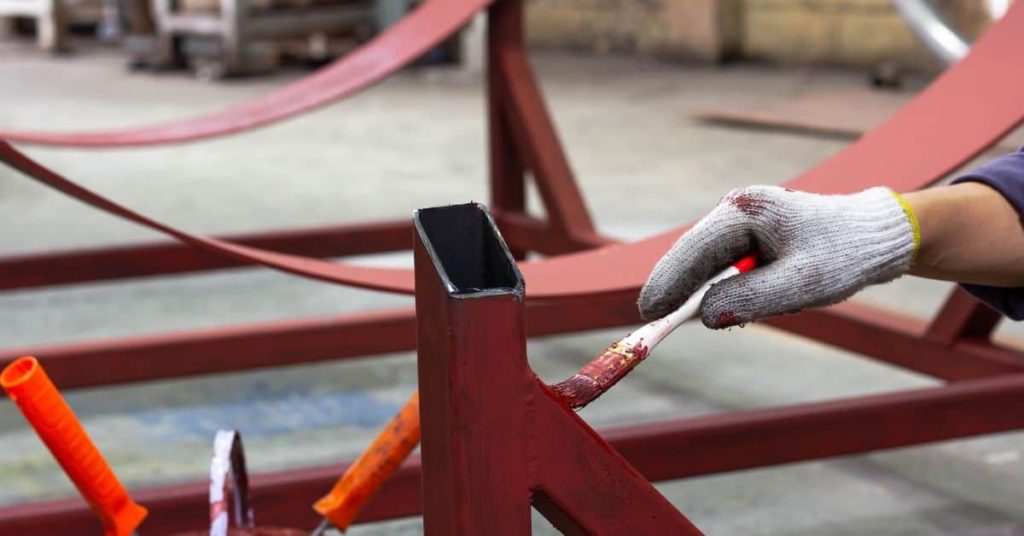
Gloved hand painting metal structure with red paintbrush

Plaster Delamination After Painting: Diagnosing Bad Primer vs Moisture vs Salt

Introduction Plaster delamination after painting is when the painted surface loses adhesion and the plaster layer peels or flakes away from the wall. It often points to issues with the primer, the presence of moisture, or salt-related damage behind the paint. Look for peeling edges, bubbling, or a chalky feel as you inspect the area.

Plaster Delamination After Painting: Diagnosing Bad Primer vs Moisture vs Salt Read More »

Blue painted stucco wall texture close-up

Mineral Paint on Stucco: When It Outlasts Acrylic and How to Prep Properly

Introduction Mineral paint on stucco provides a durable, breathable finish that can outlast typical acrylic when the surface is prepped properly. In plain terms, you start with clean, sound stucco, protect surrounding areas, and choose a mineral-based paint designed for masonry. The prep and technique matter more than color or brand. The application hinges on

Mineral Paint on Stucco: When It Outlasts Acrylic and How to Prep Properly Read More »

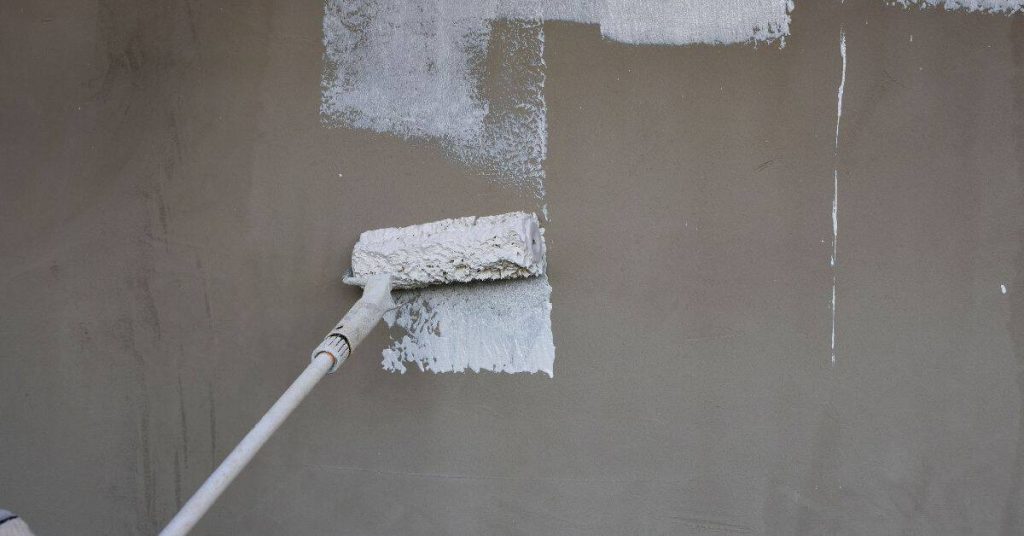
Paint roller applying white paint on brown stucco wall

Elastomeric Paint Over Hard Coat Stucco: When It Bridges Cracks and When It Blisters

Introduction Elastomeric paint over hard coat stucco is a flexible coating designed to bridge small cracks in the surface. It can improve weather resistance but may blister if the surface is dirty, damp, or improperly prepped. Proper prep and careful application are essential to a durable coat. Preparation and proper application are key to avoiding

Elastomeric Paint Over Hard Coat Stucco: When It Bridges Cracks and When It Blisters Read More »

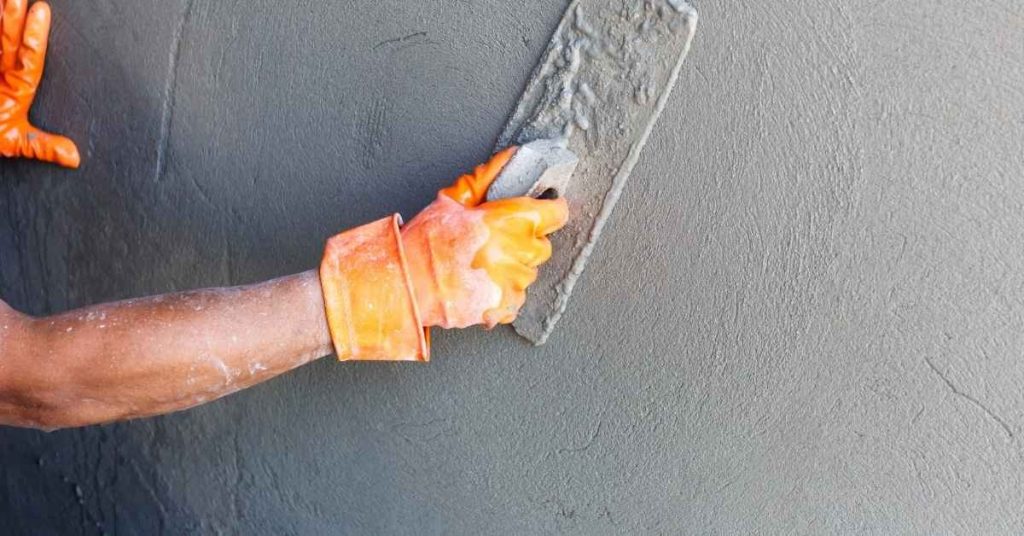
Hand wearing orange gloves smoothing gray stucco with trowel

Stucco Expansion Joints at Additions: Detailing Differential Movement Without Water Traps

Introduction Expansion joints in stucco at additions accommodate differential movement between the new addition and the existing structure while avoiding water traps. Plan for joints at the connection and detail how the joint will be filled and flashed without creating water traps. This article keeps the language plain and focuses on practical steps you can

Stucco Expansion Joints at Additions: Detailing Differential Movement Without Water Traps Read More »

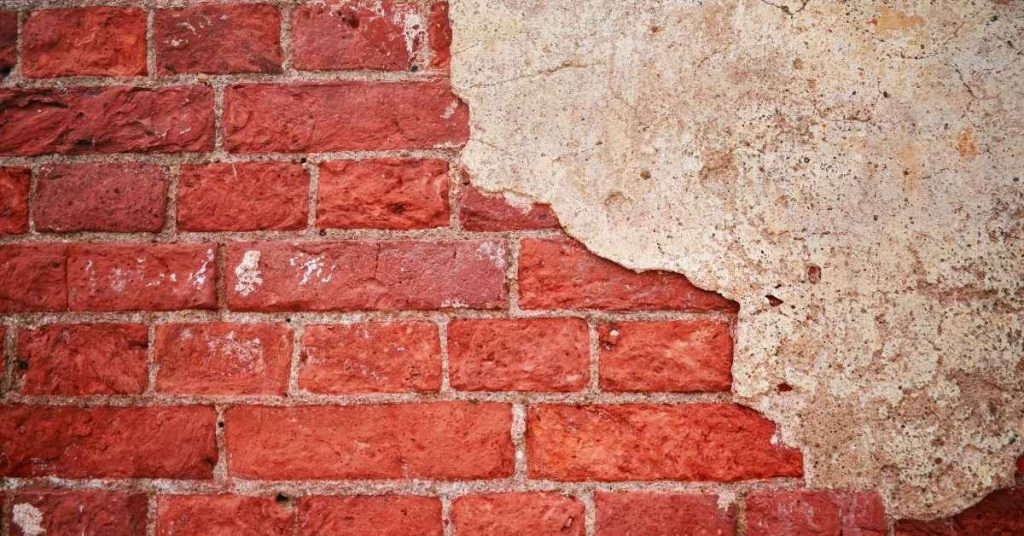
Peeling stucco on red brick wall

Stucco Patch Cracks That Reappear: Movement vs Shrinkage and How to Tell

Introduction Cracks that reappear after patching are usually caused by movement or shrinkage in the stucco system. You can tell them apart by looking at how the crack ran and what the surrounding area did over time; movement cracks often change with structure or temperature, while shrinkage cracks stay smaller and more uniform. To start,

Stucco Patch Cracks That Reappear: Movement vs Shrinkage and How to Tell Read More »

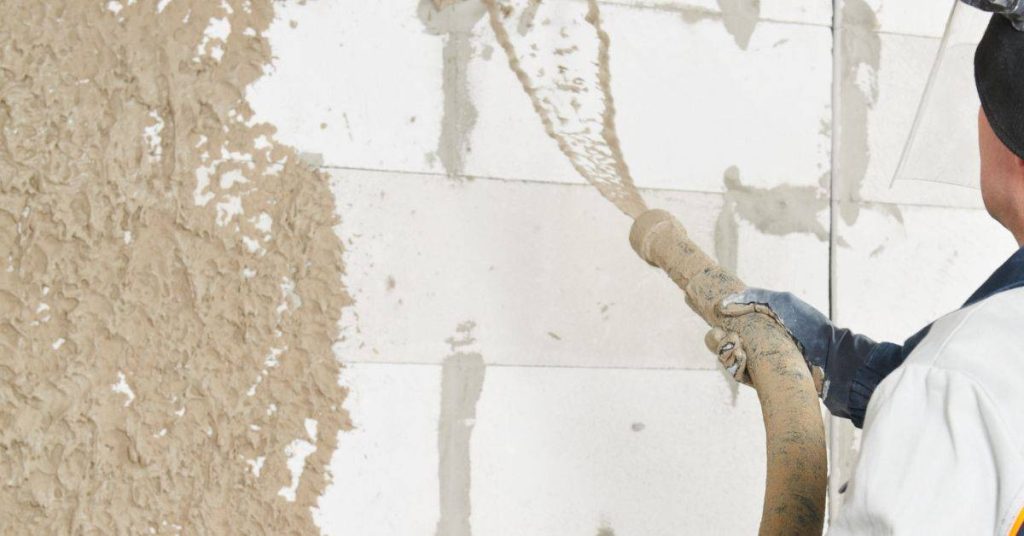
Person spraying stucco mixture onto a wall

How to Fix a Stucco Patch That Dries Too Fast: Pre-Wetting and Cure Mist Schedules

Introduction Pre-wetting and cure mist schedules help control how fast a stucco patch dries. This simple approach keeps the patch workable and reduces cracking. Set up a light dampening routine and watch for a smooth, even surface as you work. Common causes of rapid drying are sun exposure, wind, and heat on the patch area.

How to Fix a Stucco Patch That Dries Too Fast: Pre-Wetting and Cure Mist Schedules Read More »