Search Results for: mortar type

Worker tying rebar with pliers on gravel base

Concrete Block Reinforcement Basics: Rebar Placement, Grout, and Bond Beam Logic

Introduction Concrete block reinforcement is the practice of adding steel bars, grout, and bond beams to strengthen block walls. This article covers where rebar goes, how grout fills the cores, and why bond beams matter in a DIY project. Stay practical and safety-minded: check local rules and follow manufacturer guidance when placing rebar and mixing […]

Concrete Block Reinforcement Basics: Rebar Placement, Grout, and Bond Beam Logic Read More »

Empty painted concrete pool shell near rocky coastline

Grouting Concrete Block Cells Successfully: Mix, Lift Heights, and Blowout Prevention

Introduction Grouting concrete block cells means filling the hollow cores with a cement-based mix to bond the wall. Do it after laying block when the mortar joints have set enough to hold but before finishing. Check manufacturer guidance and local codes for your mix and curing. Key takeaways Choose grout type based on block voids,

Grouting Concrete Block Cells Successfully: Mix, Lift Heights, and Blowout Prevention Read More »

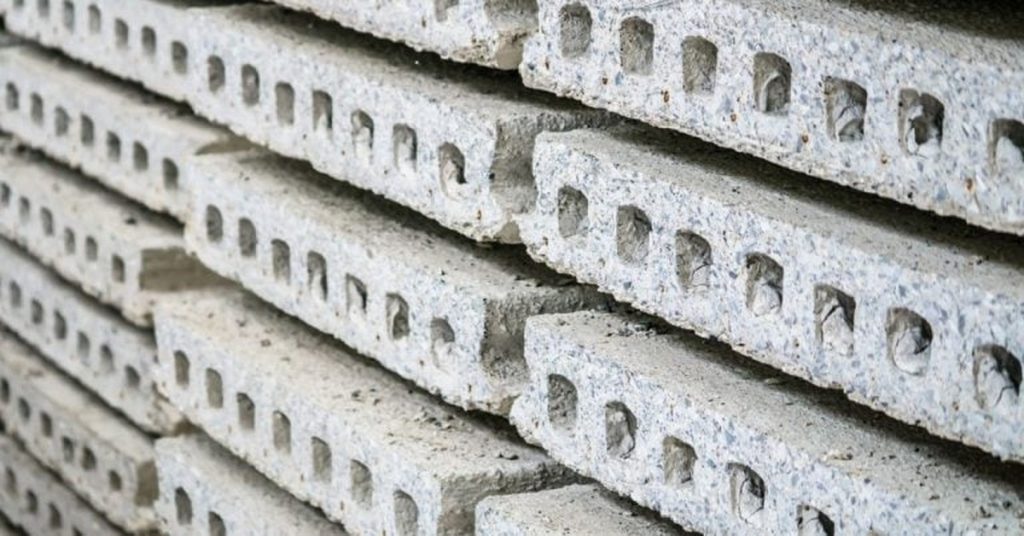
Stacked hollow core concrete slabs with rectangular voids

Anchoring Into Hollow vs Grouted Concrete Block: Fastener Picks and Pullout Reality

Introduction Anchoring into hollow vs grouted concrete block means picking fasteners and installation methods based on whether the block cavity is hollow or filled with grout. In practice, you’ll need different anchors and installation approaches for hollow blocks versus solid, grouted blocks. Always check product labels and manufacturer instructions for proper use, load guidance, and

Anchoring Into Hollow vs Grouted Concrete Block: Fastener Picks and Pullout Reality Read More »

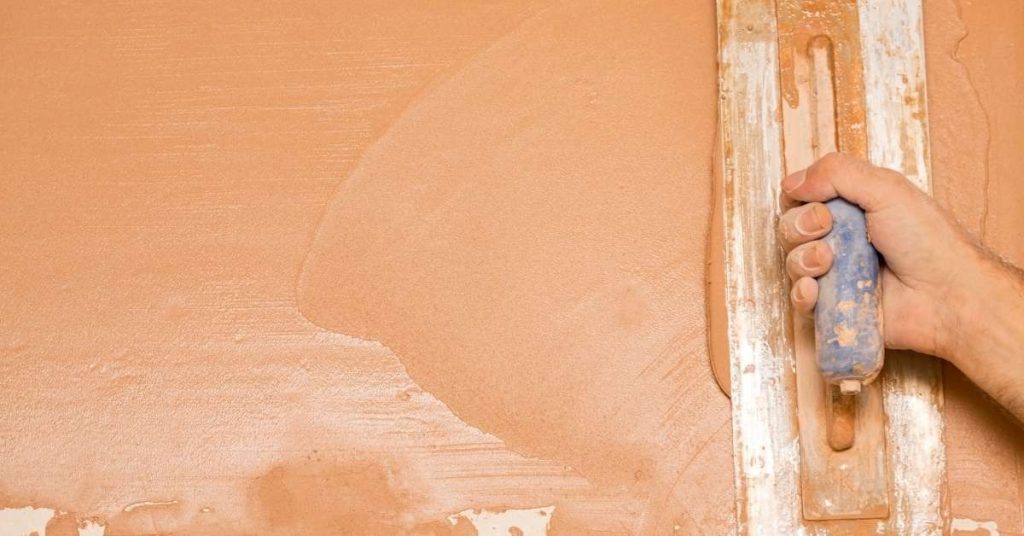
Worker applying plaster to wall with trowel

Smoothing Interior Concrete Block Walls: Skim Coats, Bonding, and Moisture Concerns

Introduction Smoothing interior concrete block walls means applying a skim coat to create a flat, paint-ready surface. It’s a light, even layer that fills small voids and helps the wall accept finish coats. The key is good bonding and proper moisture handling before you start. Lean on simple steps: clean and rough up the surface,

Smoothing Interior Concrete Block Walls: Skim Coats, Bonding, and Moisture Concerns Read More »

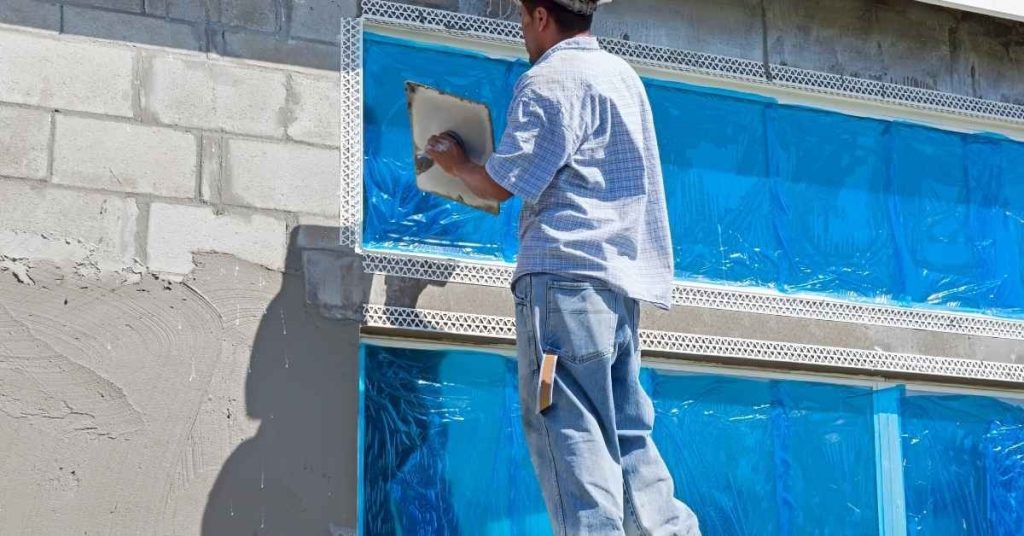
Worker applying stucco over concrete block wall near blue covered windows

Stucco Over Painted Concrete Block: Adhesion Tests and Prep That Prevents Delamination

Introduction Stucco over painted concrete block requires proper surface prep and adhesion testing to prevent delamination. We’ll walk through simple checks you can do with basic tools to judge if the old paint will hold and what to rough up or clean. This is a hands-on, DIY-friendly overview, not a full contractor guide. You’ll start

Stucco Over Painted Concrete Block: Adhesion Tests and Prep That Prevents Delamination Read More »

Close-up of a rough gray concrete surface

Concrete Block Retaining Walls for DIY: Drainage Rock, Fabric, and Failure Warning Signs

Introduction A concrete block retaining wall is a simple, built-up wall made from durable blocks that holds back soil. For DIY installations, drainage rock behind the wall and landscape fabric help water escape and keep pressure in check. Always read product labels and manufacturer instructions, and follow local rules for materials and installation where applicable.

Concrete Block Retaining Walls for DIY: Drainage Rock, Fabric, and Failure Warning Signs Read More »

Worker wearing yellow helmet applying plaster to a wall

Plaster After Flooring Changes: Baseboard Edges, Gaps, and Crack Isolation

Introduction Plaster after flooring changes is about finishing edges where the wall meets the new floor to keep things smooth and crack-free. This topic covers baseboard edges, gaps, and how plaster behaves around different floor heights. Stay practical and honest about what you can patch and what might need more follow-up. Start by inspecting the

Plaster After Flooring Changes: Baseboard Edges, Gaps, and Crack Isolation Read More »

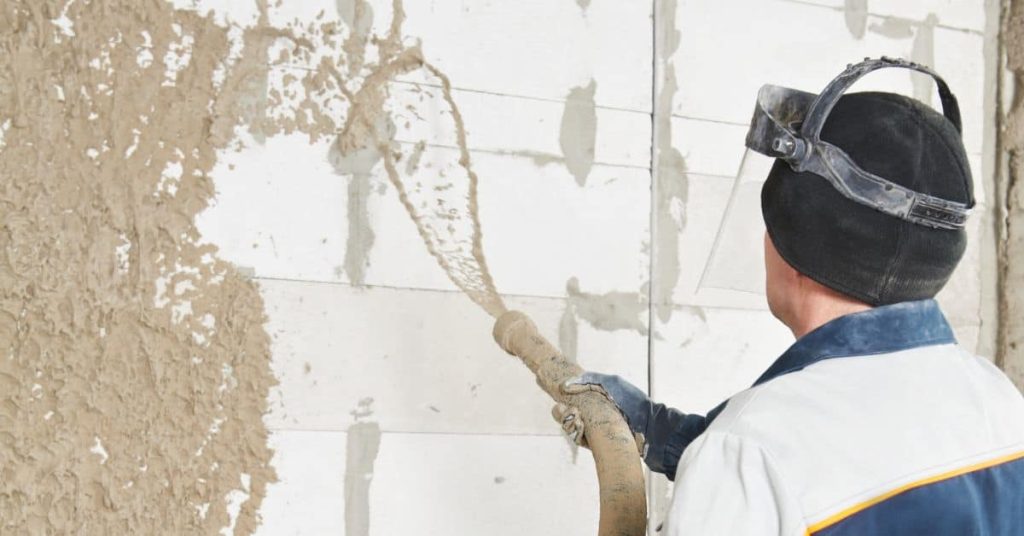
Worker spraying wet stucco onto wall surface

Plaster Base Coats on Metal Lath: Thickness Targets and Scratch Patterns That Hold

Introduction A plaster base coat on metal lath is the first plaster layer that bonds to the lath and creates a solid surface. Apply it over clean, prepared metal lath and follow the guidance on the product label or manufacturer instructions. Keep the mix at a workable consistency and follow any local rules or instructions

Plaster Base Coats on Metal Lath: Thickness Targets and Scratch Patterns That Hold Read More »

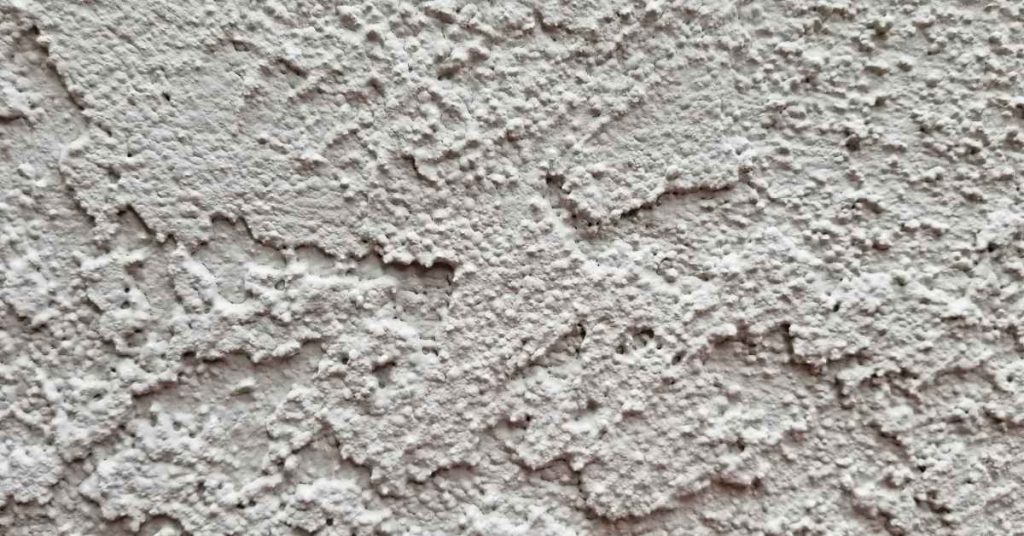
Close-up of white stucco wall texture

Stucco Wicking from Concrete: Base Details and Capillary Break Fixes

Introduction Stucco wicking from concrete happens when moisture travels through the concrete and into the stucco layer. This article covers how to prep the base and prevent capillary pull that brings dampness into the finish. Think of base details as the first line of defense: clean, dry, and properly framed to keep water away. Capillary

Stucco Wicking from Concrete: Base Details and Capillary Break Fixes Read More »

Hand applying brown stucco coat with trowel on wall

Stucco Over AAC or Soft Masonry: Suction Control and Base Coat Choices

Introduction Stucco over AAC or soft masonry requires managing suction and choosing a suitable base coat to ensure a durable finish. Prepare the substrate properly and assess suction levels before applying any finish coat. Always check the product labels and manufacturer instructions for compatible base coats and local requirements. Practice proper application techniques for plaster

Stucco Over AAC or Soft Masonry: Suction Control and Base Coat Choices Read More »