Search Results for: mortar color

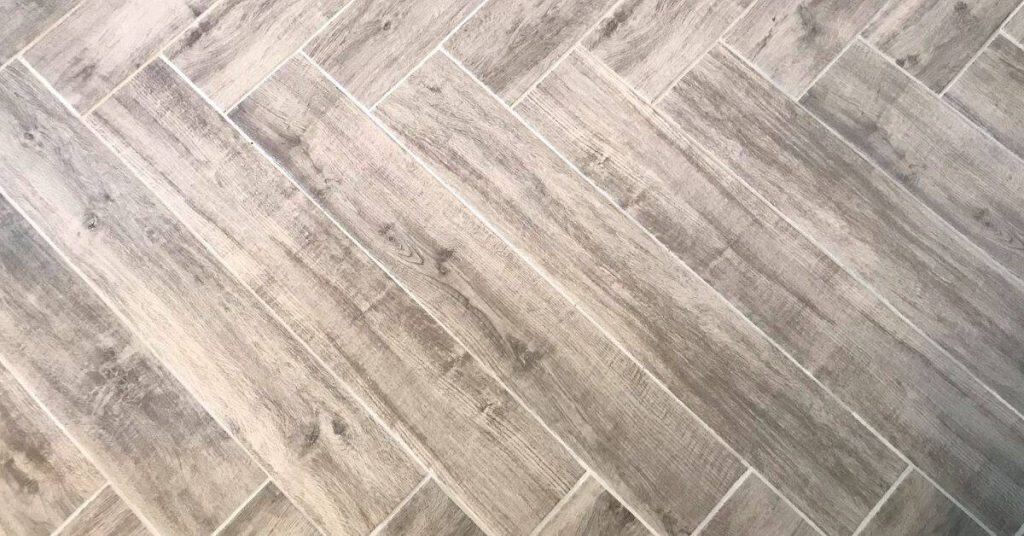
gray rectangular wood-look tiles arranged in herringbone pattern

Terracotta Tile Floor Trends 2026: Problems Explained: Causes, Testing, and Fixes

Introduction Terracotta tile floor trends in 2026 are practical, clay-based floors that highlight warm, earthy tones and a handcrafted look. This introduction explains common problems, their causes, and simple tests and fixes you can try at home. You’ll also learn what terracotta tiles are like to install and maintain, without fancy equipment. Terracotta tiles are […]

Terracotta Tile Floor Trends 2026: Problems Explained: Causes, Testing, and Fixes Read More »
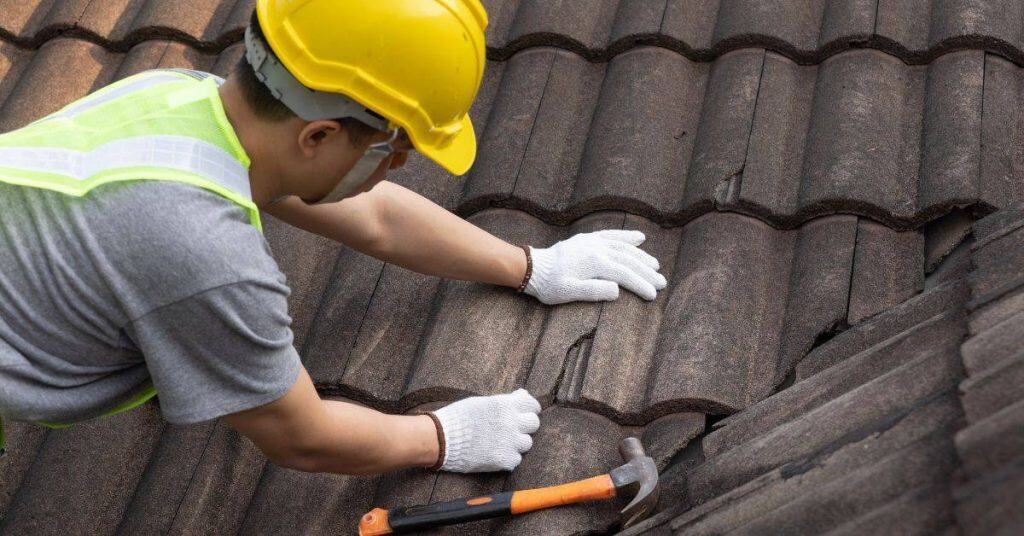
Worker inspecting broken roof tiles on sloped roof wearing yellow helmet

Types of Roof Tiles: Problems Explained: Causes, Testing, and Fixes

Introduction Roof tile problems are issues that affect tiles, including leaks, cracks, corrosion, and wear. This article breaks down common causes and how to test and fix them in plain, hands-on terms. You’ll learn to spot oil canning, loose tiles, and scratched surfaces before they sink your roof. Common problems like oil canning, leaks, corrosion,

Types of Roof Tiles: Problems Explained: Causes, Testing, and Fixes Read More »

Hand holding vinyl floor planks over wood surface

What Type of Flooring Is Best for My Home?: Problems Explained: Causes, Testing, and Fixes

Introduction Choosing the right flooring starts with moisture, subfloor, and how you live in the space. There isn’t one universal best option; you pick what fits your basement or crawlspace, concrete slab, or plywood subfloor and your daily use. This article walks you through common moisture problems, how they start, and practical fixes you can

What Type of Flooring Is Best for My Home?: Problems Explained: Causes, Testing, and Fixes Read More »

Person cutting white vinyl flooring with a knife and metal ruler

2025 Flooring Trends to Leave Behind (Problems Explained: Causes, Testing, and Fixes)

Introduction This article explains which flooring trends from 2025 are best left behind and why. Trends often fail due to moisture, wear, or installation mistakes, and we’ll show how these problems show up, how to test for underlying causes, and safe, practical fixes you can do yourself. This is a hands-on, plain-language guide you can

2025 Flooring Trends to Leave Behind (Problems Explained: Causes, Testing, and Fixes) Read More »

Decorative plaster corbel on exposed brick wall

Rebuilding Decorative Plaster Edges: Simple Molds You Can Make to Match Profiles

Introduction Rebuilding decorative plaster edges means making simple, handmade molds to reproduce the profile you want. You can shape the mold from clay or use basic flexible material to match the original edge, then set it up for casting. Check the profile on the piece and follow manufacturer instructions or local rules for materials and

Rebuilding Decorative Plaster Edges: Simple Molds You Can Make to Match Profiles Read More »

Person applying plaster to wall near window corner

Repairing Cracks at Door and Window Corners: Reinforcement Methods That Stay Invisible

Introduction Invisible reinforcement methods for cracks at door and window corners involve strengthening the surrounding frame and substrate without visible patching. This article covers practical, stay-in-place techniques you can do yourself to keep a tight, long-lasting seal. You’ll identify crack types and choose a method that doesn’t alter the look of the opening. Identify crack

Repairing Cracks at Door and Window Corners: Reinforcement Methods That Stay Invisible Read More »

Hands in gloves applying plaster with a flat trowel

Lime Vs Gypsum Patching: Why Mismatched Materials Cause Future Failure

Introduction Mismatched patching materials can fail later due to incompatible chemistry. Lime and gypsum set and breathe differently, so using the wrong combo can lead to cracks, dusting, or damp spots. Stick to a patching mix that matches what’s already on the wall for best results. When patching, verify that the material is compatible with

Lime Vs Gypsum Patching: Why Mismatched Materials Cause Future Failure Read More »

Worker applying plaster to wall with trowel and hawk

Plaster and Vapor: Where Breathability Matters in Older Walls

Introduction Breathable plaster and finishes are materials that allow moisture to move through walls while still providing a solid, decorative surface. In practical DIY terms, that means choosing coatings that don’t seal the wall airtight, so old walls can dry out after moisture events. This matters most on older homes with lime or clay components

Plaster and Vapor: Where Breathability Matters in Older Walls Read More »