Search Results for: mops for concrete floor

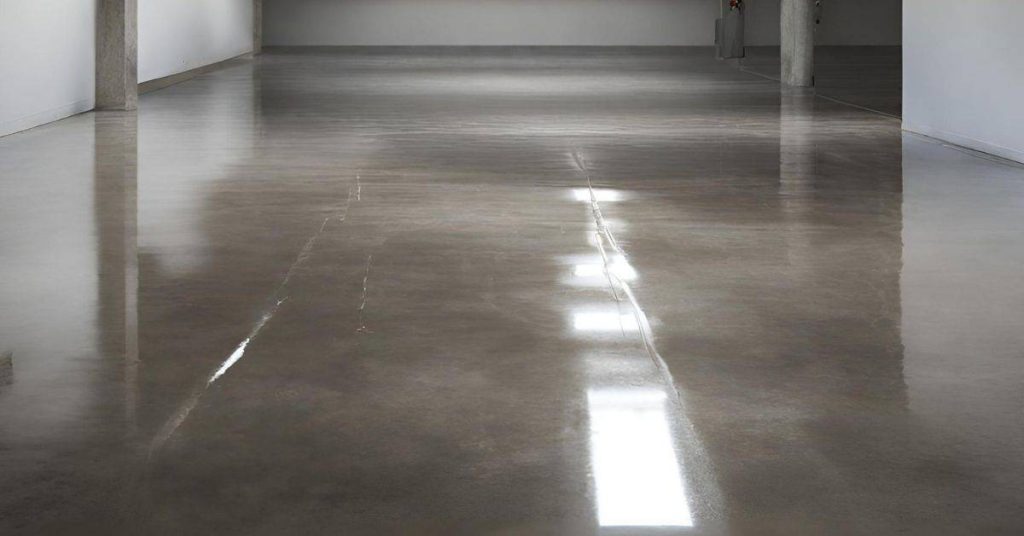
Polished concrete floor reflecting windows and lights

Kitchen Polished Concrete Sealers: Heat Rings, Food Reality, and Maintenance Plans

Introduction Kitchen polished concrete sealers are coatings that protect and enhance a smooth concrete surface in food prep areas. This article gives a practical, hands-on look at what types exist and how they work in real kitchens. We’ll cover basics you can check on labels and what questions to ask when choosing a sealer. Key […]

Kitchen Polished Concrete Sealers: Heat Rings, Food Reality, and Maintenance Plans Read More »
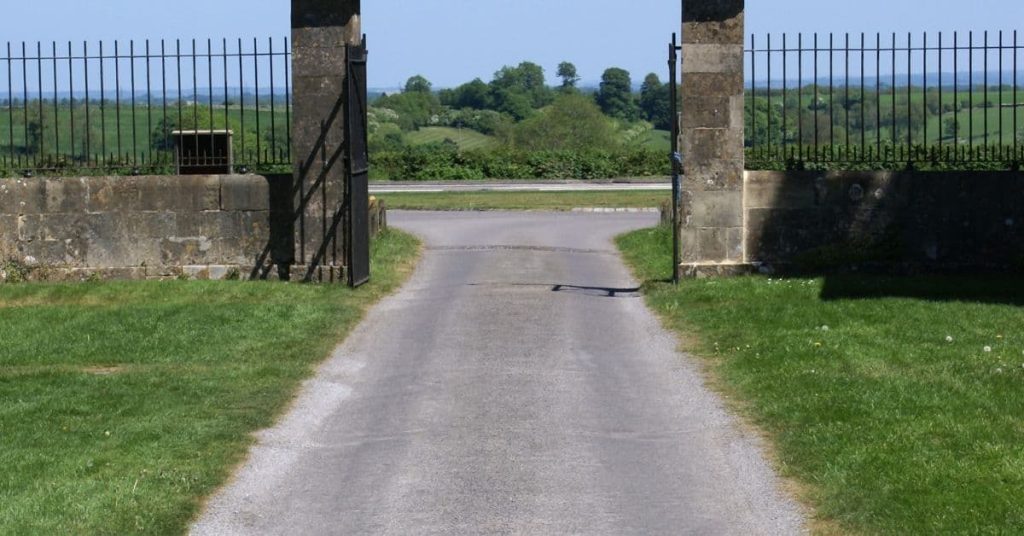
Stone-look concrete gate pillars with metal fence panels

Stone-Look Concrete Finishes: Rub Techniques, High Spots, and Sealer Choices

Introduction Stone-Look Concrete Finishes are achieved by rubbing and refining a concrete surface to resemble natural stone. On the job, you’ll use hand tools and trowels to work the surface while it’s still workable, then wipe, rub, and burnish to blend colors. Check product labels and manufacturer instructions for cure times and safety before starting.

Stone-Look Concrete Finishes: Rub Techniques, High Spots, and Sealer Choices Read More »

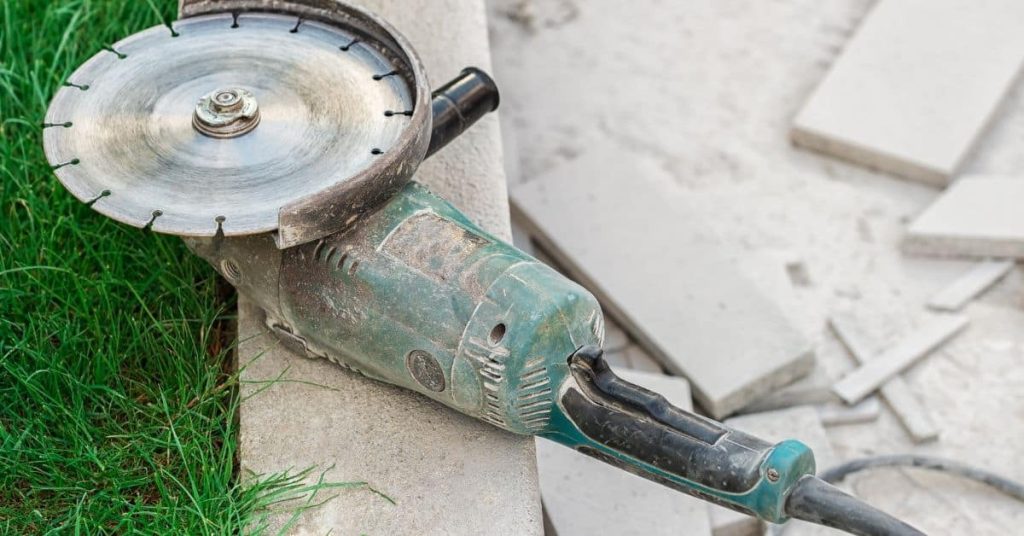
Electric concrete cutting angle grinder resting on curb

Concrete Sawcut Dust Control: Dry vs Wet Cutting and How to Protect Indoor Spaces

Introduction Dry cutting creates concrete dust that must be controlled, while wet cutting uses water to suppress dust. This article gives a practical, hands-on look at how each method works in real spots around the house. You’ll see what to check on equipment and what to expect when cutting indoors vs outdoors. We’ll cover how

Concrete Sawcut Dust Control: Dry vs Wet Cutting and How to Protect Indoor Spaces Read More »

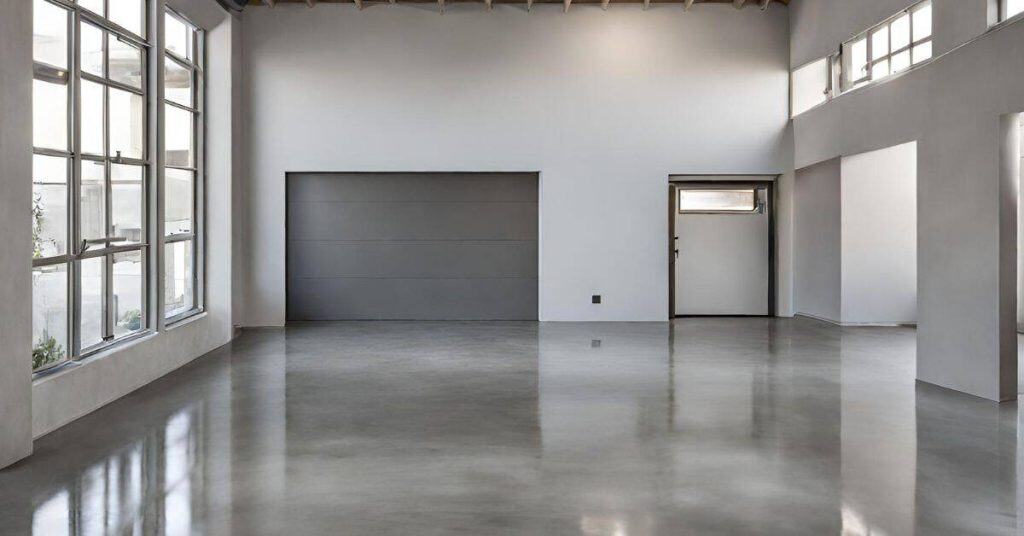
Empty room with polished concrete floor and large windows

Using Sacrificial Wax Systems on Polished Concrete: Maintenance Schedule That Doesn’t Turn Dull

Introduction A sacrificial wax system on polished concrete is a protective layer you apply to guard the surface and keep the shine. As you wear and spill on the floor, you refresh the wax rather than grind the surface again. Approach this like a practical DIY job: work in small areas, follow the product instructions,

Using Sacrificial Wax Systems on Polished Concrete: Maintenance Schedule That Doesn’t Turn Dull Read More »

Fresh asphalt driveway in front of garage door

Concrete at Garage Doors: Fixing ponding and preventing water intrusion

Introduction Concrete at garage doors refers to the slab at the door opening where improper drainage or settling can cause ponding. This condition signals potential water intrusion if left unaddressed. Start by noting slopes, cracks, and joints that may let water pool near the threshold. Common causes are poor drainage, foundation issues, or slab settling

Concrete at Garage Doors: Fixing ponding and preventing water intrusion Read More »

Person spraying liquid on sealed concrete patio outdoors

Slip Resistance on Sealed Concrete: Safer traction without ruining the look

Introduction Slip resistance on sealed concrete means how much traction you get from a sealed surface to help prevent slips. Sealers are especially important around pool areas where water, soap, and wet feet are common. They also help prevent water damage and wear by sealing the pores, but you still need the right sealer for

Slip Resistance on Sealed Concrete: Safer traction without ruining the look Read More »

Polished concrete floor reflecting overhead lights

Polished Concrete Stain Protection: Guards, Resealing, and Maintenance That Works

Introduction Polished concrete stain protection is a practical plan to keep stains from soaking in and the surface looking good. It relies on guard methods, occasional resealing, and simple maintenance you can handle in a DIY project. This approach aims to slow wear, resist color change, and extend the life of the finish. To choose

Polished Concrete Stain Protection: Guards, Resealing, and Maintenance That Works Read More »

Bright outdoor porch with painted concrete floor and white furniture

Water-Based Concrete Stains: When They Beat Acid Stains and How to Avoid Lap Marks

Introduction Water-based concrete stains are pigmented finishes that soak into cured concrete and are a better choice than acid stains when you need consistent color, easier cleanup, and safer handling. They work well on slabs where acid reaction is unpredictable or on indoor projects where odor and VOCs matter; check the product label and tech

Water-Based Concrete Stains: When They Beat Acid Stains and How to Avoid Lap Marks Read More »

Stacked precast concrete beams covered with snow outdoors

Concrete Densifiers for Garages and Basements: Lithium vs Sodium Silicate and When Each Wins

Introduction Concrete densifiers are liquid treatments—commonly lithium or sodium silicate—that react with concrete to harden and dustproof the surface; choose lithium for better penetration in dense, sealed mixes and sodium for strong surface densification in porous slabs, and check the product label or manufacturer instructions for compatibility with your slab and sealer. In plain jobsite

Concrete Densifiers for Garages and Basements: Lithium vs Sodium Silicate and When Each Wins Read More »

Closeup of smooth fresh gray concrete surface

How to Strip Tire Marks Off Concrete Without Etching the Surface

Introduction Tire marks on concrete can be removed without etching the surface by using gentle cleaners, proper scrubbing, and controlled water flow. First, identify what caused the marks and choose a method that won’t roughen or dull the floor. Always follow the product label and manufacturer instructions, and check local rules before you start. Begin

How to Strip Tire Marks Off Concrete Without Etching the Surface Read More »