Search Results for: mold and mildew caulk for tile

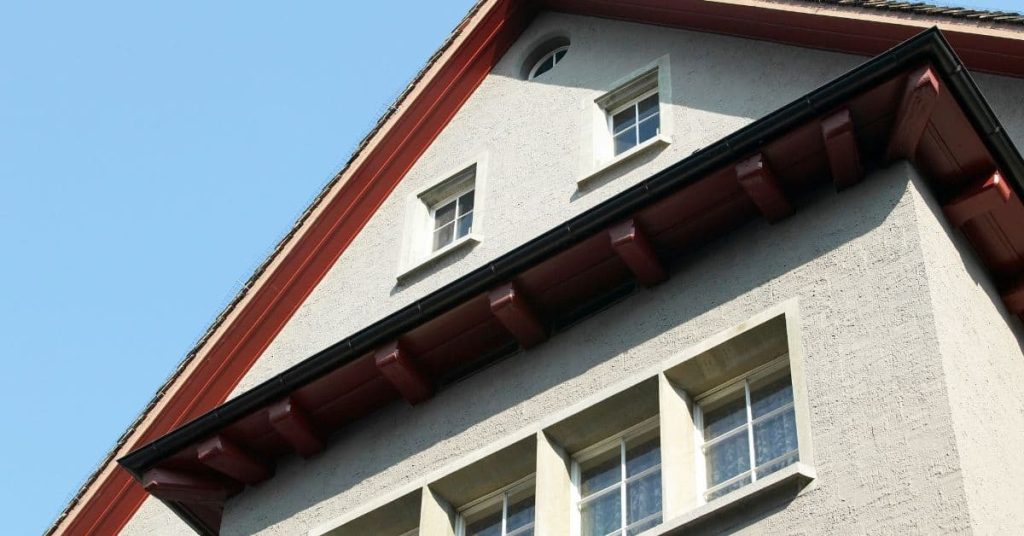
Close up of stucco exterior wall under windows with roof eaves

Water Staining on Stucco Under Windows: Causes and better details

Introduction Water staining on stucco under windows is damp marks caused by moisture seeping or condensing near the window area. It often shows as brown, gray, or darker streaks and can come from leaks, condensation, or improper flashing. Check the window flashing, sealants, and the siding above to find where moisture is entering. To address […]

Water Staining on Stucco Under Windows: Causes and better details Read More »
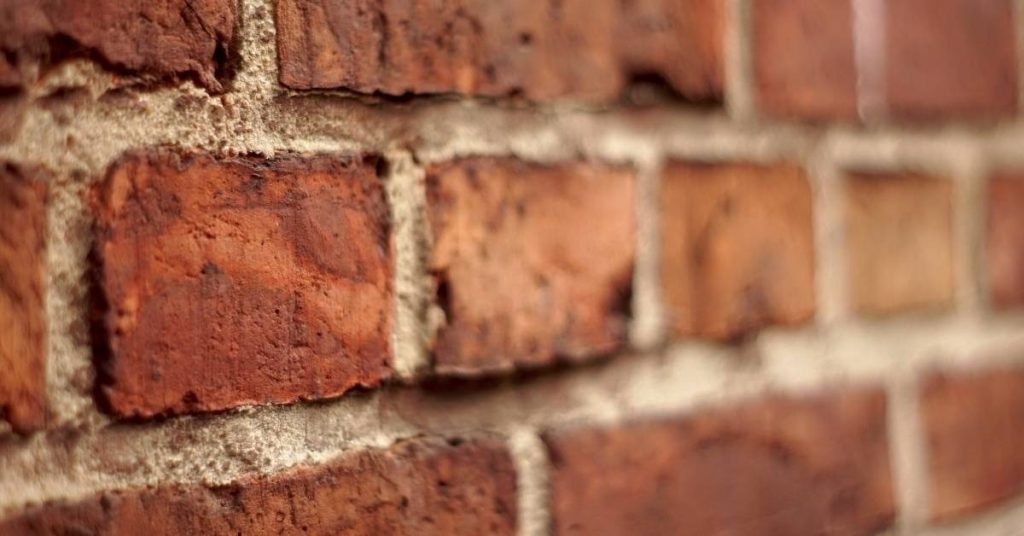
Closeup of red brick and mortar joints in wall

Caulk Pulling Away From Stucco: Why joints fail and how to rebuild them

Introduction Caulk pulling away from stucco happens when the seal between the joint and surface fails, allowing the caulk to separate from the wall. Common causes include movement in the building, sun and weather wear, improper surface prep, and using the wrong type of caulk. These gaps can trap moisture and worsen cracking, so addressing

Caulk Pulling Away From Stucco: Why joints fail and how to rebuild them Read More »

Light gray rough stucco texture with uneven surface

Hot Weather Stucco Repairs: Preventing shrink cracks and weak patches

Introduction Hot weather stucco repairs are fixes done when heat causes the mix to dry too fast, increasing shrinkage and weak patches. Try to schedule work for the cooler parts of the day and keep the surface damp as you go. Always follow the product label and local guidelines for curing and application. Key takeaways

Hot Weather Stucco Repairs: Preventing shrink cracks and weak patches Read More »

Brick chimney with smoke against clear blue sky

Chimney Stucco Cracks and Stains: Causes, repairs, and prevention

Introduction Chimney stucco cracks and stains are exterior flaws in the stucco coating caused by movement, moisture, or dirty runoff. These issues can signal underlying water intrusion or surface aging that needs attention. Identifying the cause helps you choose a safe, practical repair plan you can do yourself. Look for hairline cracks, efflorescence, or dark

Chimney Stucco Cracks and Stains: Causes, repairs, and prevention Read More »

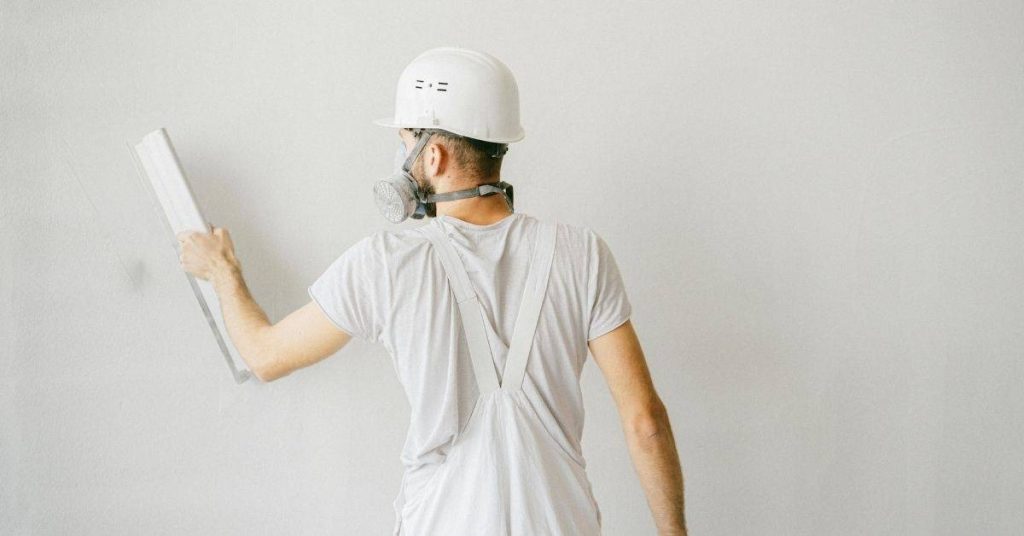
Worker smoothing plaster on drywall wearing safety helmet and mask

Gaps Between Trim and Wall: Fixing Wavy Drywall Without Replacing Trim

Introduction Gaps between trim and wall are gaps where the trim edge doesn’t sit tight against flat drywall. They happen when the drywall isn’t perfectly flush or the trim was fastened before the wall settled. You’ll see them most where corners and edges meet the wall surface. You can fix it without removing the trim

Gaps Between Trim and Wall: Fixing Wavy Drywall Without Replacing Trim Read More »

Worker applying drywall joint tape on wall standing on scaffold

Cement Board Seams in Showers: Tape, Thinset, and Where Waterproofing Goes

Introduction Cement board seams in showers are the joints where panels meet and must be sealed with tape and thinset before waterproofing. This helps keep water from wicking behind the boards and causing damage over time. You’ll want a careful, patch‑and‑press approach that follows the board and tape instructions for best results. Best practices include

Cement Board Seams in Showers: Tape, Thinset, and Where Waterproofing Goes Read More »

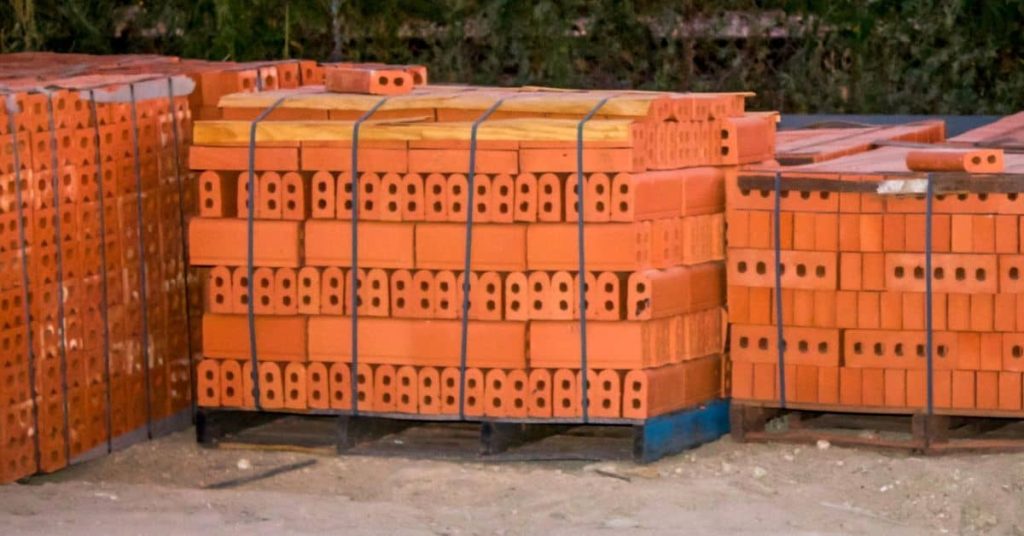
Stacks of orange hollow clay bricks on wooden pallets

Roman Clay Maintenance: Spot Repair, Re-Seal, and How to Avoid Shiny Patches

Introduction Roman Clay maintenance means keeping the finish patched, resealed, and matte where you want it, not shiny where you don’t — spot repairs and the right re-seal process fix most problems. This is a hands-on job: check the product label and manufacturer’s instructions for compatible patch mixes and sealers before you start. Expect to

Roman Clay Maintenance: Spot Repair, Re-Seal, and How to Avoid Shiny Patches Read More »

Hand rolling blue paint onto white wall with paint roller

Bathroom Paint Systems: When ‘Mildew-Resistant’ Paint Isn’t Enough

Introduction “Mildew-resistant” paint is a product label that means the coating resists surface mold under normal conditions, but it isn’t a full waterproofing or mold-removal system. In a bathroom that gets heavy steam or has leaks, the paint alone can fail; check product labels and manufacturer instructions to understand limits and recommended substrate prep. A

Bathroom Paint Systems: When ‘Mildew-Resistant’ Paint Isn’t Enough Read More »