Search Results for: moisture behind stucco

Damaged stucco with blue reinforcing mesh exposed

Repairing Stucco Soffits: Gravity, Fasteners, and Crack-Resistant Mesh Layout

Introduction Repairing stucco soffits means fixing the underside of eaves where stucco has cracked, sagged, or pulled away using proper support, fasteners, and mesh so the repair resists gravity and future movement. Start by assessing the damage and plan how gravity fasteners and mesh will transfer loads back to solid framing; check product labels and […]

Repairing Stucco Soffits: Gravity, Fasteners, and Crack-Resistant Mesh Layout Read More »

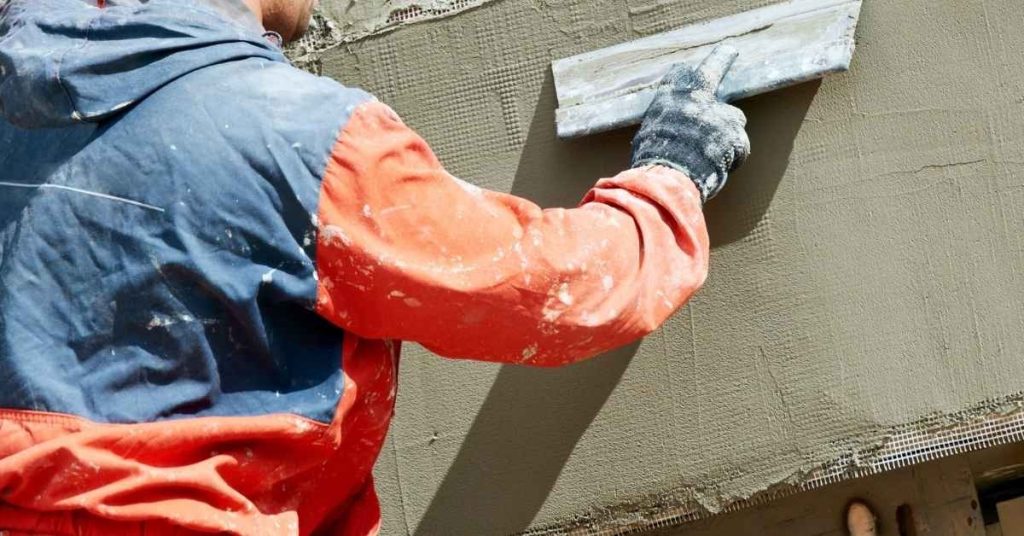
Two construction workers applying stucco to exterior wall

Dash Finish Stucco Repair: Getting Consistent Throw Without Overbuilding Thickness

Introduction Dash finish stucco repair means rethrowing a coarse mix so it keys to the patch without building the wall thickness beyond the original surface. Think of it as matching texture by controlling how far and thick each throw lands rather than piling on extra material. Check product labels and local practices for compatible scratch/base

Dash Finish Stucco Repair: Getting Consistent Throw Without Overbuilding Thickness Read More »

Person applying skip-trowel stucco texture with trowel

Matching Lace and Skip-Trowel Stucco: Hand Techniques That Hide Patch Edges

Introduction Matching lace and skip-trowel stucco means using hand tools and mixing consistency to recreate the same rhythm of bumps and voids so patch edges disappear into the existing wall. I’ll describe the basic hand techniques, the common tools and materials you’ll need, and what to watch for so the repair blends instead of standing

Matching Lace and Skip-Trowel Stucco: Hand Techniques That Hide Patch Edges Read More »

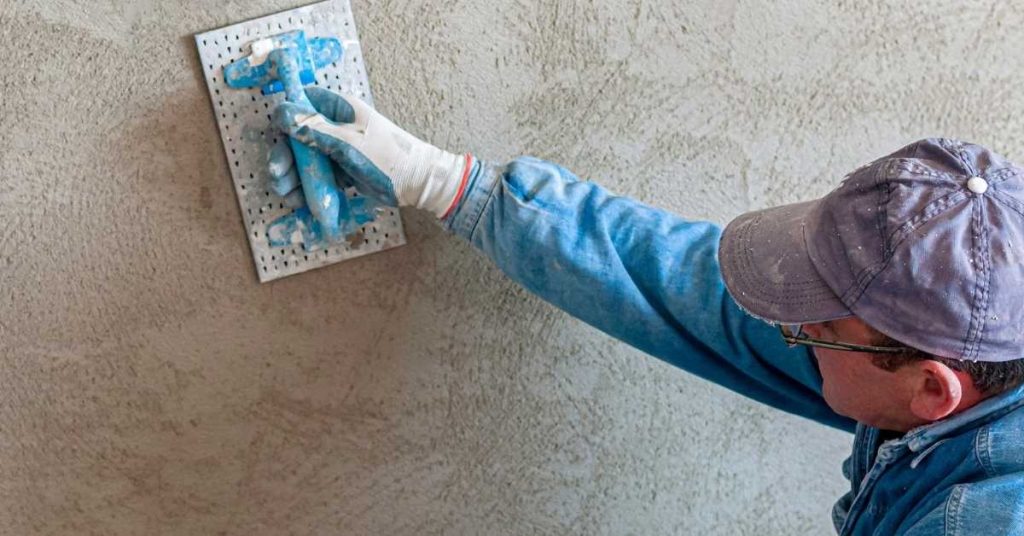
Worker smoothing fresh stucco on wall with trowel

Using Acrylic-Modified Stucco for Patches: Where It’s Smart and Where It Causes Issues

Introduction Acrylic-modified stucco is a cement-lime stucco mix blended with acrylic polymers to improve adhesion and flexibility for patching and thin coats. In plain jobsite terms, it sticks better to sound substrates and tolerates slight movement more than plain cement stucco, but check the product label and manufacturer instructions for proper uses and mixing. Use

Using Acrylic-Modified Stucco for Patches: Where It’s Smart and Where It Causes Issues Read More »

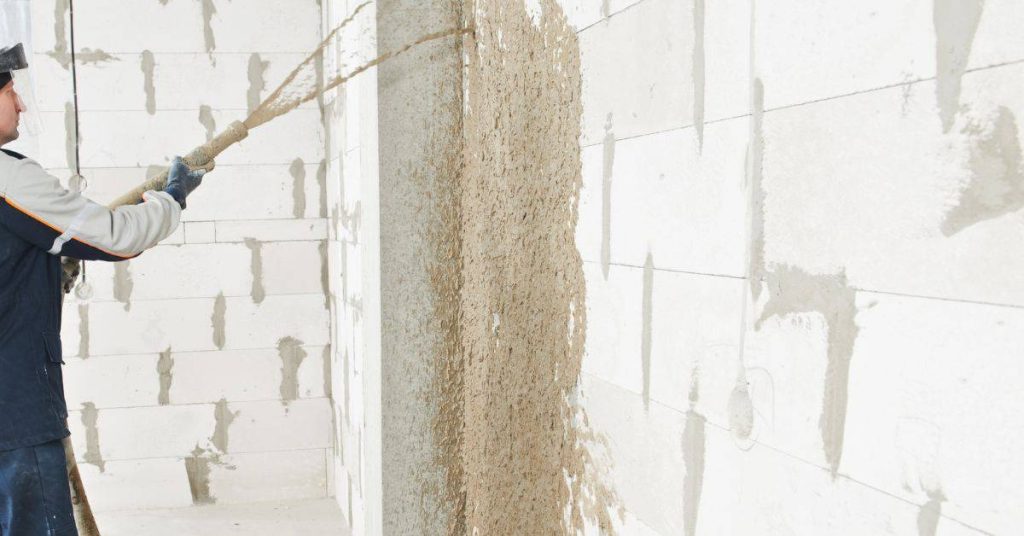
Worker spraying stucco onto concrete block wall

Stucco Over CMU Block: Bonding Agents, Scratch Keys, and Crack Control

Introduction Stucco over CMU block is a thin cement-based finish applied over masonry that needs a good bond, a proper scratch key, and planned crack control to last. Bonding agents, scratch coats, and reinforcement help the stucco grip the block and manage movement, but check product labels and local rules for compatibility and required curing

Stucco Over CMU Block: Bonding Agents, Scratch Keys, and Crack Control Read More »

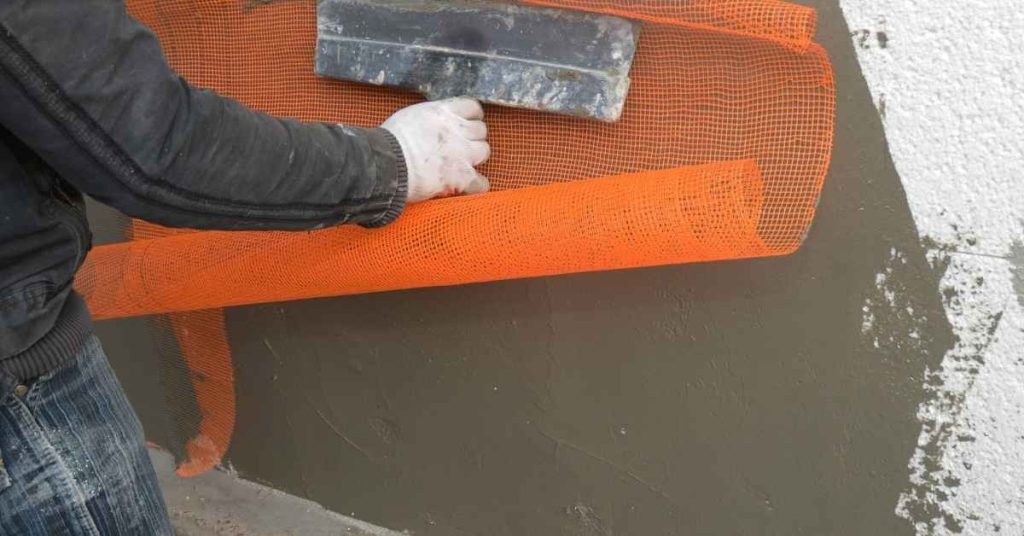
Worker applying orange mesh onto wet stucco on wall

Stucco Over ICF Walls: A Step-by-Step Timeline for Successful Application

Introduction The process of applying stucco over insulated concrete form (ICF) walls involves several stages that require careful planning and timing. Understanding the timeline is crucial to ensure a successful outcome. In this guide, we’ll break down the process into manageable steps, outlining how long each stage takes, so you can plan your project effectively.

Stucco Over ICF Walls: A Step-by-Step Timeline for Successful Application Read More »

Worker applying stucco render on cinder block wall using trowel

How Long Does It Take to Identify EIFS vs Hard-Coat Stucco: A Step-by-Step Timeline

Introduction Identifying whether your home’s exterior walls are covered in EIFS or hard-coat stucco is a crucial first step before any repair or maintenance work. But how long does this process take? In this guide, we’ll walk you through the timeline of identifying these systems, from initial visual checks to performing simple on-wall tests, ensuring

How Long Does It Take to Identify EIFS vs Hard-Coat Stucco: A Step-by-Step Timeline Read More »

Blue scaffolding in front of building with white and yellow walls

Drainage Stucco vs Barrier Stucco: A Step-by-Step Timeline for DIY Inspection and Maintenance

Introduction Unsure about the stucco system on your house? Don’t let the mystery linger. With a systematic approach, you can determine if it’s drainage or barrier stucco in just a few hours. The key is to follow a clear timeline, ensuring you cover all essential steps without rushing through critical checks. Let’s dive into a

Drainage Stucco vs Barrier Stucco: A Step-by-Step Timeline for DIY Inspection and Maintenance Read More »

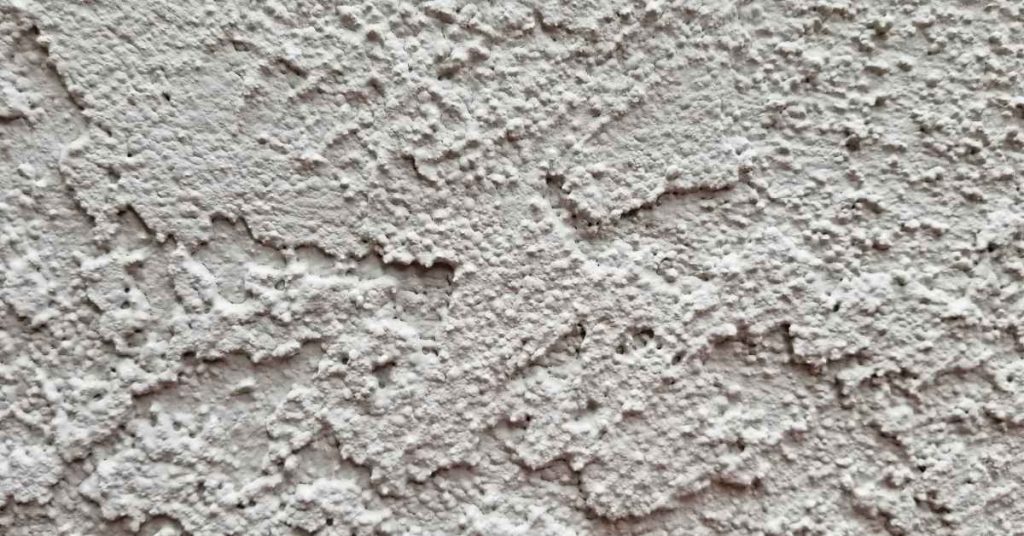
Close-up of rough white stucco wall texture

How to Take and Interpret Stucco Moisture Meter Readings

Introduction Stucco moisture-meter readings are most useful as a repeatable screening record, not as a stand-alone diagnosis. This timeline shows what to do before testing, on test day, after a wetting event, and when a persistent pattern warrants professional help. Use the same meter mode, locations, orientation, and weather notes each time. A displayed number

How to Take and Interpret Stucco Moisture Meter Readings Read More »

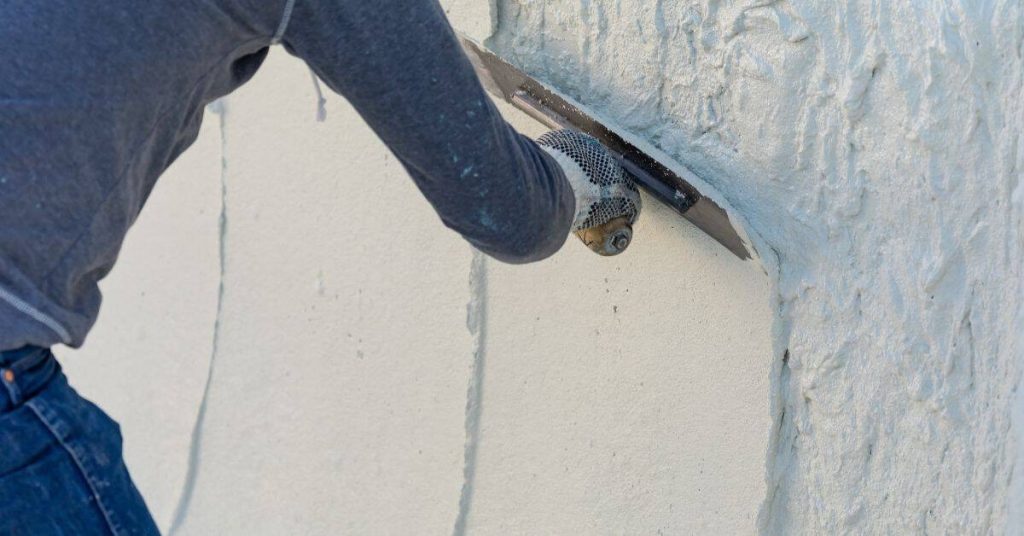
Person smoothing stucco on wall with float tool

Stucco Clearance Over Walkways: How Long Does Fixing Wicking Take Without Full Removal?

Introduction The duration of fixing stucco wicking over walkways can vary depending on the extent of damage and your chosen repair method. Understanding the timeline helps you plan effectively. This guide focuses on estimating how long it takes to fix wicking without full removal, breaking down the process into manageable steps with approximate timeframes. Estimated

Stucco Clearance Over Walkways: How Long Does Fixing Wicking Take Without Full Removal? Read More »