Search Results for: metal siding with insulation

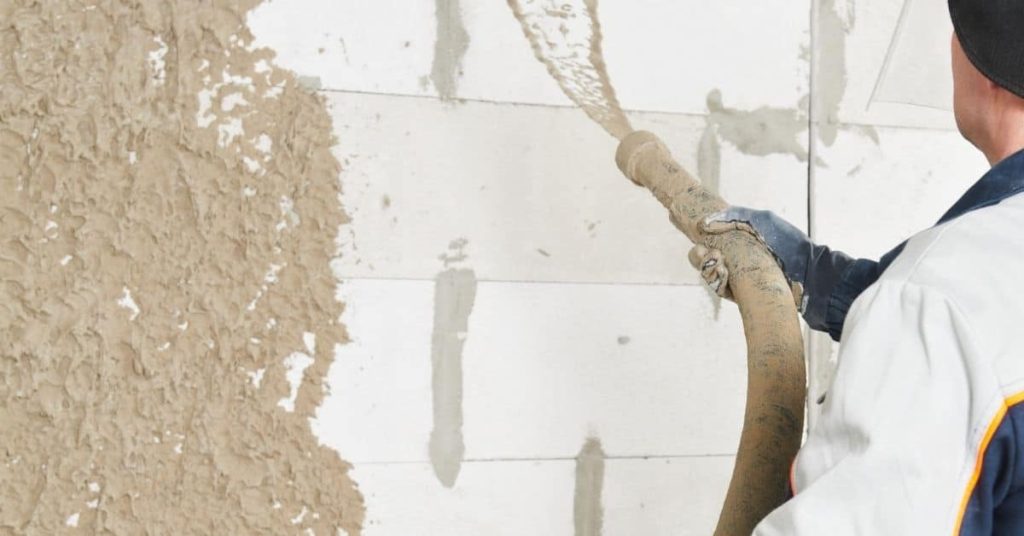
Worker spraying brown stucco on white wall

Adding Blocking Behind Stucco for Mounts: Finding Studs and Keeping Drainage Paths

Introduction Blocking behind stucco provides a solid mount point that the hardware can bite into. To find studs behind stucco, look for the interior framing and intended anchor points, and test suspected areas with a stud finder or by tapping and listening. Check manufacturer instructions and local rules for acceptable methods, and proceed only after […]

Adding Blocking Behind Stucco for Mounts: Finding Studs and Keeping Drainage Paths Read More »

Hand wearing white glove installing brown plastic anchor on foam board

Installing a New Vent Through Stucco: Sleeves, Slope, and Sealant Geometry

Introduction Installing a new vent through stucco means creating a weather-tight opening in stucco siding to run a vent sleeve and sealant geometry. This keeps airflow functional while protecting the wall from water penetration. You’ll want to plan the sleeve, slope, and seal around the opening so the vent directs moisture away from the home.

Installing a New Vent Through Stucco: Sleeves, Slope, and Sealant Geometry Read More »

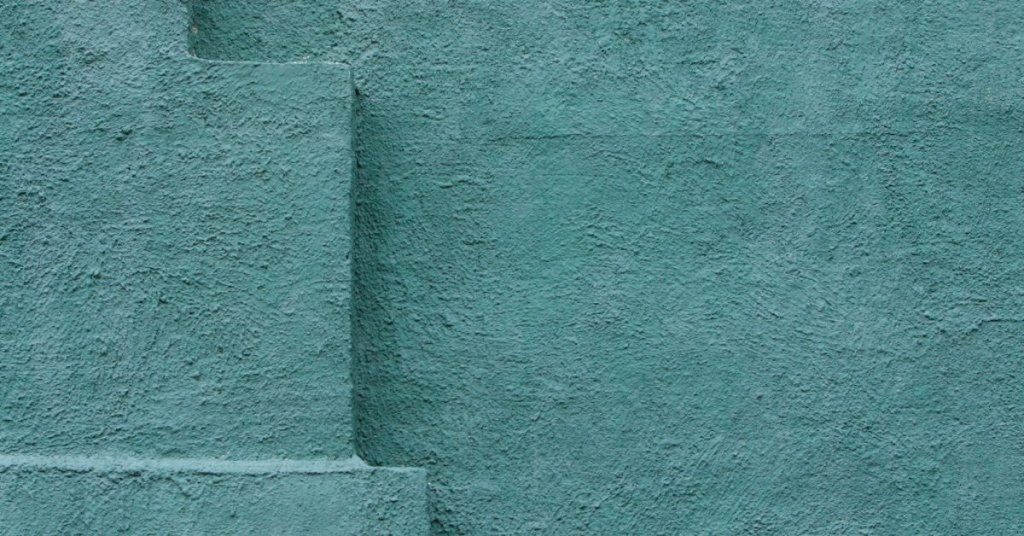
Textured blue stucco wall with recessed section

Retrofitting Drainage Behind Barrier Stucco: What’s Realistic and What’s Wishful Thinking

Introduction Retrofitting drainage behind barrier stucco means creating a practical path for moisture to escape from behind the stucco without compromising the wall. Start with a careful visual check of the barrier, flashing, and any visible weep gaps, then plan based on your wall type and conditions. Always verify with manufacturer instructions and local rules

Retrofitting Drainage Behind Barrier Stucco: What’s Realistic and What’s Wishful Thinking Read More »

Weathered pink stucco wall with discoloration and patches

Stucco at Deck Ledger Boards: Integrating Flashing, Tape Membranes, and Drainage Space

Introduction This article explains how to install stucco around a deck ledger by using flashing, tape membranes, and a drainage space. It covers practical, hands-on steps you can take to keep water out and prevent damage. It keeps the process straightforward and doable for a DIY project. Check manufacturer instructions and local codes for flashing

Stucco at Deck Ledger Boards: Integrating Flashing, Tape Membranes, and Drainage Space Read More »

Close-up of textured pink stucco wall surface

Stucco Around Mini-Split Line Sets and Condensate Drains: Sleeves, Drip Loops, and Sealants

Introduction Stucco around mini-split line sets and condensate drains is the exterior finish that encases the lines and keeps moisture out. The job is about creating sleeves, drip loops, and proper seals so the system looks integrated and sheds water. Do this carefully so you don’t trap condensation or create paths for leaks. Plan sleeve

Stucco Around Mini-Split Line Sets and Condensate Drains: Sleeves, Drip Loops, and Sealants Read More »

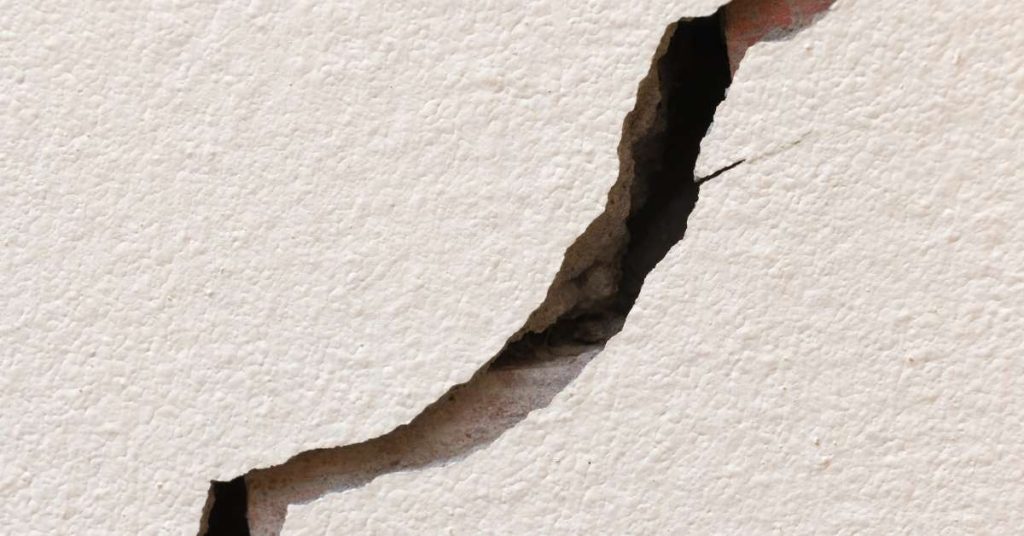
Close-up of a large crack in a stucco wall

Stucco Soffits and Overhangs: Crack Control at Framing Transitions and Vent Cutouts

Introduction Stucco soffits and overhangs are the sheltered edges under the roof where it meets the wall, and cracking happens where framing moves or openings exist. This article walks you through noticing those cracks early and keeping moisture out. You’ll learn simple, hands-on checks you can perform during a DIY project and what to fix

Stucco Soffits and Overhangs: Crack Control at Framing Transitions and Vent Cutouts Read More »

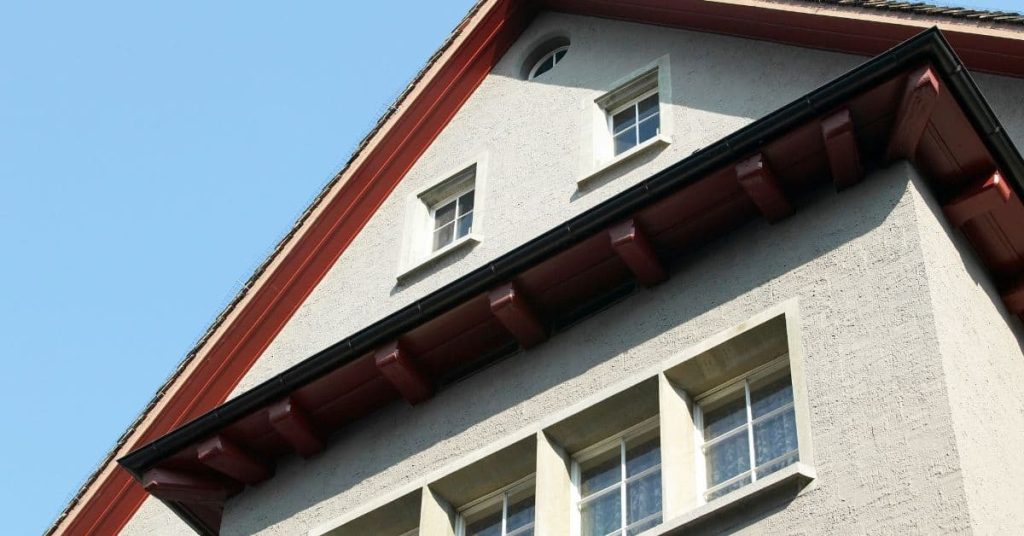
Close up of stucco exterior wall under windows with roof eaves

Water Staining on Stucco Under Windows: Causes and better details

Introduction Water staining on stucco under windows is damp marks caused by moisture seeping or condensing near the window area. It often shows as brown, gray, or darker streaks and can come from leaks, condensation, or improper flashing. Check the window flashing, sealants, and the siding above to find where moisture is entering. To address

Water Staining on Stucco Under Windows: Causes and better details Read More »

wood block with nail sticking out on concrete surface

Stucco Wicking From Concrete: How to stop moisture at the transition

Introduction Stucco wicking from concrete is moisture drawn from the concrete into the stucco layer. It happens when the concrete surface stays damp and porous, pulling water into the plaster as it dries. That moisture can cause staining, peeling, or long-term damage if not addressed. To stop it at the transition, start with a dry,

Stucco Wicking From Concrete: How to stop moisture at the transition Read More »

Rain falling on sloped rooftops with chimneys steaming

Adding Drip Edges to Stucco Trim: Small details that cut streaking

Introduction A drip edge on stucco trim redirects water away from the wall to prevent streaking. By guiding where the water flows, it helps keep the surface dry and reduces staining. Check that the edge is properly installed and overlaps the underlying material according to the manufacturer instructions. To DIY this, work from the top

Adding Drip Edges to Stucco Trim: Small details that cut streaking Read More »

Hand applying stucco with a trowel on wall surface

Stucco-to-Foundation Transitions: Sealing and drainage without trapping moisture

Introduction This topic is about preventing moisture from moving between stucco and the foundation by sealing and managing drainage. In practice, you aim to keep water from soaking into the joint while letting any seepage drain away. It’s a hands-on process that starts at the edge where stucco meets concrete and uses straightforward materials chosen

Stucco-to-Foundation Transitions: Sealing and drainage without trapping moisture Read More »