Search Results for: match texture plaster

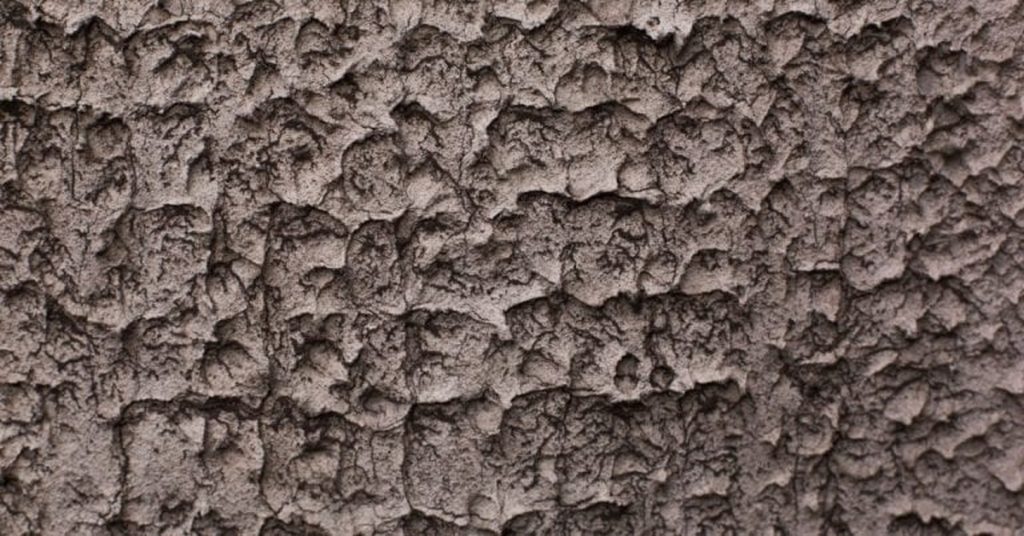
Closeup of rough textured brown stucco surface

Filling Small Holes in Stucco: Repairs that don’t leave a visible outline

Introduction Filling small holes in stucco means patching with a compatible material and feathering the edges so the repair isn’t noticeable. It’s a hands-on task you can do with basic tools and patience. Start with a clean, dry surface and work slowly to keep texture consistent. Begin by cleaning the area and removing loose material. […]

Filling Small Holes in Stucco: Repairs that don’t leave a visible outline Read More »
paintbrush resting on yellow paint bucket with roller tray and colorful paint buckets

Limewash Streaks: Preventing lap marks and uneven color

Introduction Limewash streaks are uneven color patches that appear as lap marks when the coating dries. This article explains practical, hands-on steps to prevent them while you’re working with limewash. You’ll learn simple checks and common-sense methods you can do on a DIY project. Start by preparing the surface well and applying limewash in consistent

Limewash Streaks: Preventing lap marks and uneven color Read More »

closeup of hollow clay bricks showing texture and edges

Repairing Roman Clay Scratches: Fixes that don’t leave shiny spots

Introduction Repairing Roman clay scratches means restoring the smooth, even look of the surface without creating new shiny spots. The goal is a natural finish that blends with the surrounding texture and tone. Start by evaluating the scratch, then choose a patching method that won’t leave a glossy patch and test it on a hidden

Repairing Roman Clay Scratches: Fixes that don’t leave shiny spots Read More »

Worker smoothing plaster on wall with trowel

Tadelakt Maintenance: Keeping water resistance without constant rework

Introduction Tadelakt maintenance is the ongoing care of a lime plaster finish to preserve water resistance. It relies on keeping the surface clean, timely repairs, and periodic re-waxing or sealing as needed. If you notice water infiltration or dull spots, check the product labels and follow the manufacturer guidance. In practice, you can spot-treat small

Tadelakt Maintenance: Keeping water resistance without constant rework Read More »

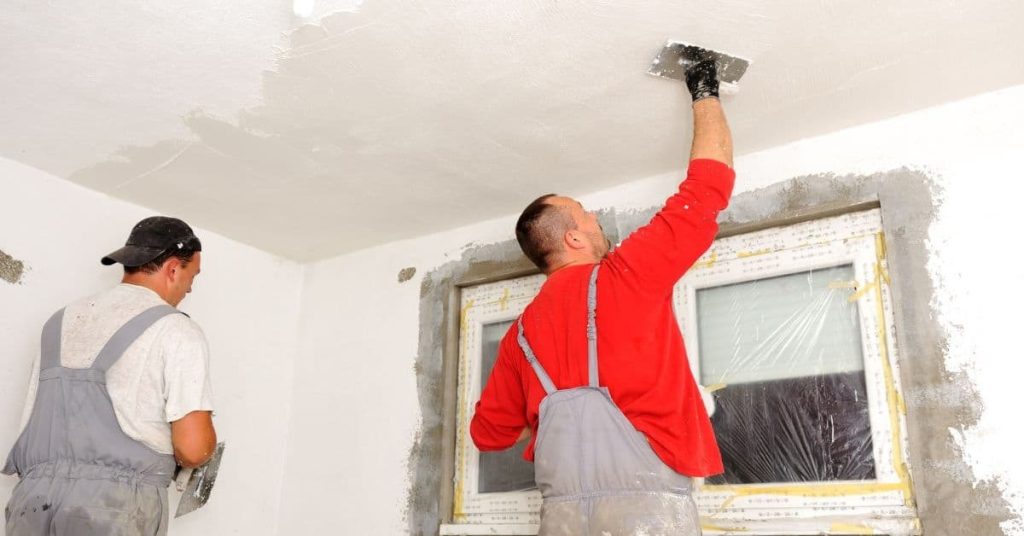
Two men applying plaster to a ceiling and wall near a window

Stopping Water Stain Bleed: Fixing the cause and sealing the ceiling

Introduction Stopping water stain bleed means fixing the moisture source and sealing the ceiling so stains don’t reappear. It’s a hands-on job that starts with finding where the water is coming from and drying the area thoroughly. Then you seal the surface to block any future bleed-through. You’ll see practical tips for locating the leak,

Stopping Water Stain Bleed: Fixing the cause and sealing the ceiling Read More »

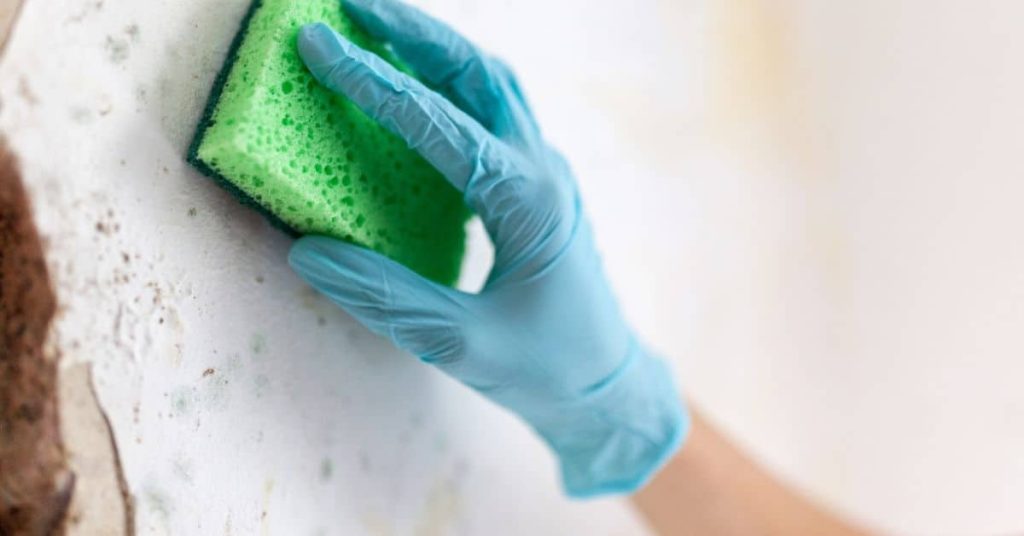
Gloved hand scrubbing white concrete wall with green sponge

Concrete Paint Prep: Cleaning, profiling, and drying for adhesion

Introduction Concrete paint prep is the process of cleaning the surface, creating a slight profile for the paint to grip, and ensuring it dries cleanly before coating. This hands-on approach helps adhesion and long-lasting results, not just a quick splash of color. Check the surface condition, the moisture level, and follow the paint label for

Concrete Paint Prep: Cleaning, profiling, and drying for adhesion Read More »

Worker smoothing plaster on drywall wearing safety helmet and mask

Gaps Between Trim and Wall: Fixing Wavy Drywall Without Replacing Trim

Introduction Gaps between trim and wall are gaps where the trim edge doesn’t sit tight against flat drywall. They happen when the drywall isn’t perfectly flush or the trim was fastened before the wall settled. You’ll see them most where corners and edges meet the wall surface. You can fix it without removing the trim

Gaps Between Trim and Wall: Fixing Wavy Drywall Without Replacing Trim Read More »