Search Results for: match texture plaster

Hand holding spray paint gun near peeling painted wooden siding

Fixing Cracked Elastomeric Coatings: Prep and recoats that stop peeling

Introduction Fixing cracked elastomeric coatings means repairing and reapplying a flexible protective layer so cracks stop growing and peeling ends. Cracking often comes from substrate movement, UV exposure, or poor initial prep, so surface prep and proper adhesion are key. In this hands-on guide, you’ll learn how to clean, repair, and re-coat using the right

Fixing Cracked Elastomeric Coatings: Prep and recoats that stop peeling Read More »

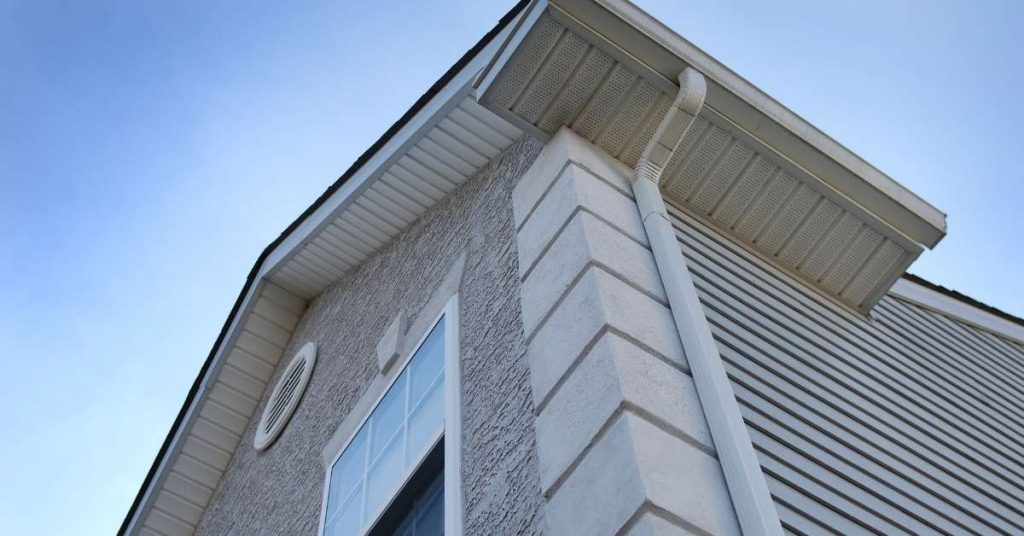
Close-up of outside stucco corner on house with clear sky

Outside Corner Stucco Damage: Stronger corner repairs that don’t chip out

Introduction Outside corner stucco damage refers to cracks or chips at the corner where two exterior walls meet. The goal is to make a repair that stays strong and looks even, without the chip coming back. This article walks you through practical, hands-on steps you can follow with common tools. You’ll want to check if

Outside Corner Stucco Damage: Stronger corner repairs that don’t chip out Read More »

Construction worker painting a small yellow patch on white wall

Choosing Wall Sheen: Washability vs touch-up friendliness in real rooms

Introduction Choosing wall sheen means picking a paint feature that balances washability and touch-up ease in real rooms. In practice, you want a finish that cleans up without showing every scuff. Think about high-traffic areas and kitchens. Read the label or talk with the paint shop about washability and touch-up performance. If you want a

Choosing Wall Sheen: Washability vs touch-up friendliness in real rooms Read More »

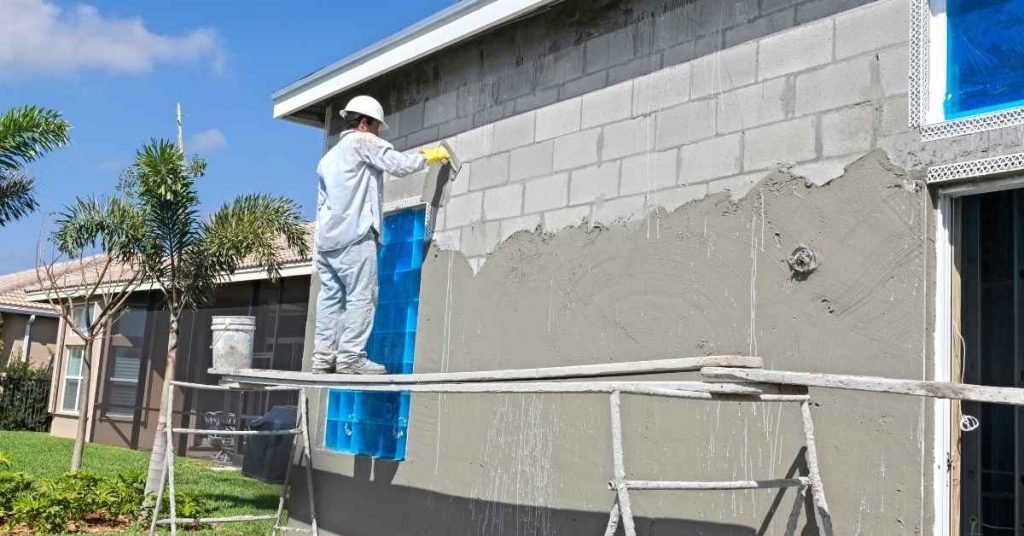
Worker applying stucco on cinder block wall outside house

Hollow-Sounding Stucco: Diagnosing debonding and choosing the right repair

Introduction Hollow-sounding stucco means the plaster layer is pulling away from the underlying surface, making a thump or hollow note when you tap it. This usually points to debonding or voids behind the stucco. If you hear it, start by confirming where the sound is strongest and what the visible signs are. Use plain, practical

Hollow-Sounding Stucco: Diagnosing debonding and choosing the right repair Read More »

Hand applying gray stucco to exterior wall with trowel

New Stucco Over Old Stucco: When it’s safe and how to prep properly

Introduction Yes—new stucco can go over old stucco when the base is sound. Look for cracks, loose sections, and obvious moisture problems and address them. Ask about local rules and follow manufacturer instructions for the products you choose. Prepare the surface by cleaning, repairing loose areas, and ensuring a stable bond. Prime as directed and

New Stucco Over Old Stucco: When it’s safe and how to prep properly Read More »

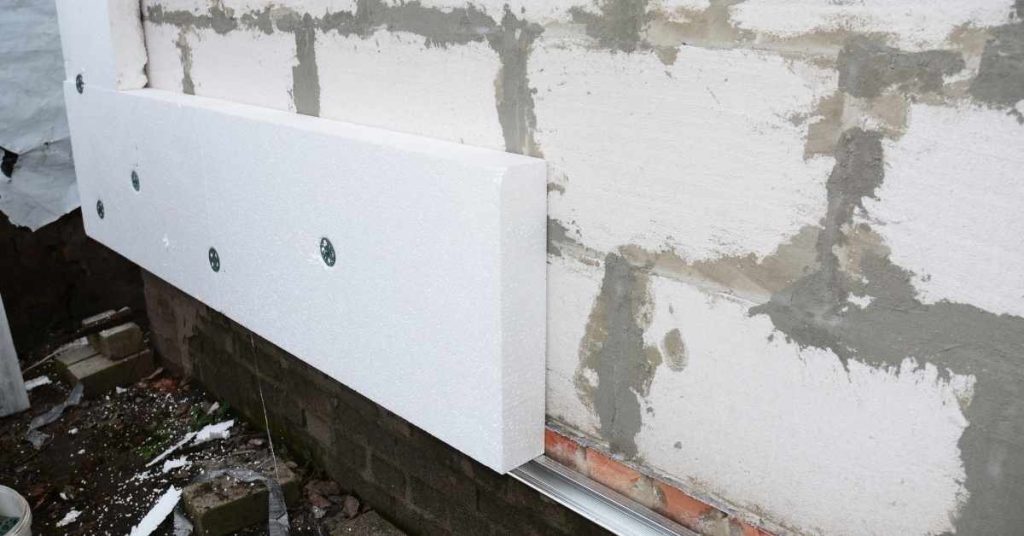
White EPS foam board attached to exterior masonry wall

Stucco at Rooflines: Fixing recurring leaks without relying on caulk alone

Introduction Fixing leaks at stucco rooflines means sealing and directing water so it doesn’t seep where the wall meets the roof. This job isn’t about slapping on caulk alone; you’ll often need proper flashing and surface prep to make a lasting fix. Approach it with a plan, check the manufacturer instructions for any products you

Stucco at Rooflines: Fixing recurring leaks without relying on caulk alone Read More »

Brick chimney with smoke against clear blue sky

Chimney Stucco Cracks and Stains: Causes, repairs, and prevention

Introduction Chimney stucco cracks and stains are exterior flaws in the stucco coating caused by movement, moisture, or dirty runoff. These issues can signal underlying water intrusion or surface aging that needs attention. Identifying the cause helps you choose a safe, practical repair plan you can do yourself. Look for hairline cracks, efflorescence, or dark

Chimney Stucco Cracks and Stains: Causes, repairs, and prevention Read More »