Search Results for: lime plaster gypsum

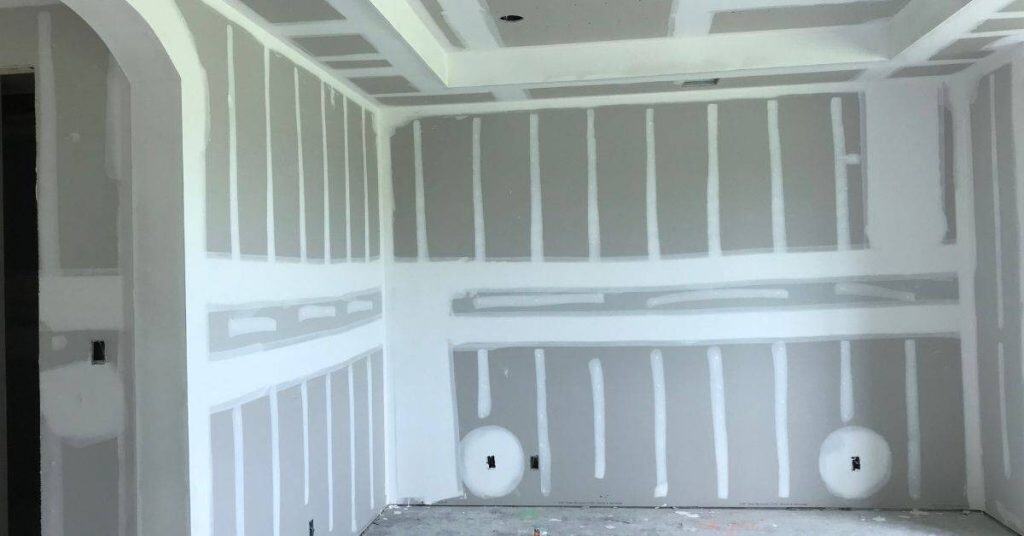
Unfinished room with drywall and joint compound applied on seams

Plaster Vs Joint Compound: Which Material Belongs in Which Repair

Introduction Plaster is a cement-based finish applied in a thick coat that hardens into a solid surface. Joint compound is a gypsum-based filler designed for walls and seams. For repairs, choose plaster on traditional, solid surfaces and use joint compound for drywall patches and quick fixes. In practice, match the material to the repair and […]

Plaster Vs Joint Compound: Which Material Belongs in Which Repair Read More »

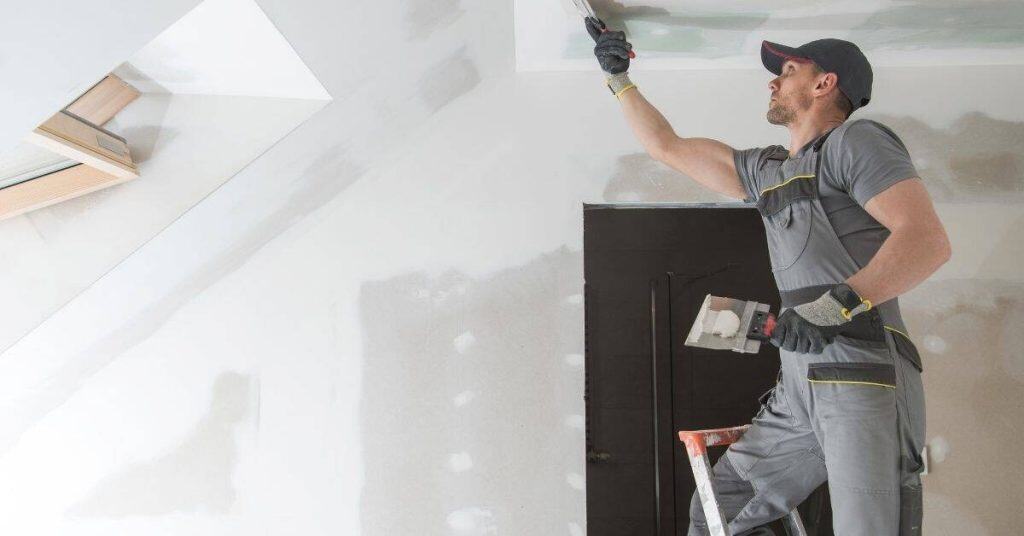
Worker applying plaster patch on ceiling using putty knife

Fixing Nail Pops in Plaster: Why They’re Different from Drywall and How to Lock Them Down

Introduction Nail pops in plaster are protruding fasteners that back out and push the plaster away from the wall surface. They’re different from drywall because plaster walls are typically thinner and thicker, with a different substrate and bond. In plain terms, you’re dealing with a plaster shell that’s moved and needs to be re-secured and

Fixing Nail Pops in Plaster: Why They’re Different from Drywall and How to Lock Them Down Read More »

Close-up of blue plaster wall with rough texture

Matching Old Plaster Texture: Brushing – A Step-by-Step Timeline

Introduction The process of matching old plaster texture by brushing can seem daunting, but breaking it down into a clear timeline makes it manageable. This step-by-step guide walks you through the entire process, from preparation to completion, with approximate time frames for each stage. Whether you’re repairing a small patch or restoring an entire room,

Matching Old Plaster Texture: Brushing – A Step-by-Step Timeline Read More »

Decorative plaster corbel on exposed brick wall

Rebuilding Decorative Plaster Edges: Simple Molds You Can Make to Match Profiles

Introduction Rebuilding decorative plaster edges means making simple, handmade molds to reproduce the profile you want. You can shape the mold from clay or use basic flexible material to match the original edge, then set it up for casting. Check the profile on the piece and follow manufacturer instructions or local rules for materials and

Rebuilding Decorative Plaster Edges: Simple Molds You Can Make to Match Profiles Read More »

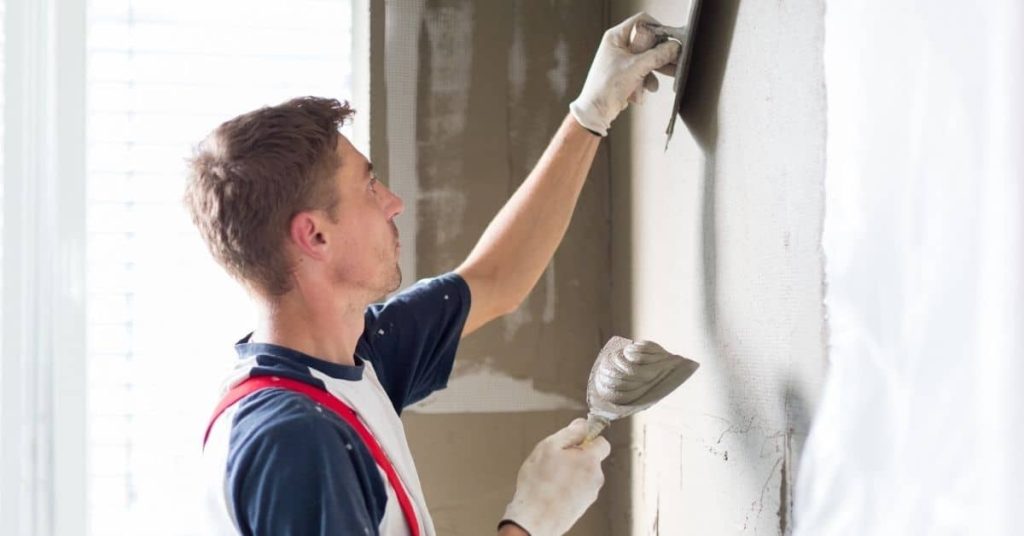
Man applying plaster to interior wall with trowel

Plaster Repairs in High Humidity Rooms: How to Prevent Powdery Finishes

Introduction Plaster repairs in high humidity rooms require moisture-aware prep and material choices to stop powdery finishes. Start by preparing the walls carefully, removing loose material and cleaning the surface before patching. Choose materials and patching methods suited for humid conditions, and verify any limits on use with the product label or manufacturer instructions. Mix

Plaster Repairs in High Humidity Rooms: How to Prevent Powdery Finishes Read More »

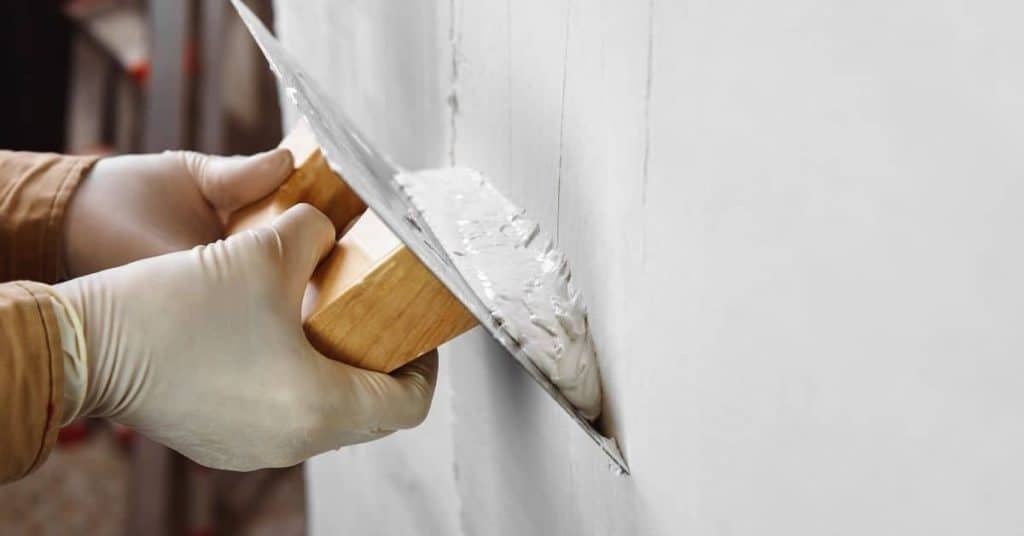
Hands in gloves applying plaster with a flat trowel

Lime Vs Gypsum Patching: Why Mismatched Materials Cause Future Failure

Introduction Mismatched patching materials can fail later due to incompatible chemistry. Lime and gypsum set and breathe differently, so using the wrong combo can lead to cracks, dusting, or damp spots. Stick to a patching mix that matches what’s already on the wall for best results. When patching, verify that the material is compatible with

Lime Vs Gypsum Patching: Why Mismatched Materials Cause Future Failure Read More »

Worker applying plaster to wall with trowel and hawk

Plaster and Vapor: Where Breathability Matters in Older Walls

Introduction Breathable plaster and finishes are materials that allow moisture to move through walls while still providing a solid, decorative surface. In practical DIY terms, that means choosing coatings that don’t seal the wall airtight, so old walls can dry out after moisture events. This matters most on older homes with lime or clay components

Plaster and Vapor: Where Breathability Matters in Older Walls Read More »

Woman in dress cleaning white plaster wall near floor

Stains Bleeding Through Plaster: How to Block and Seal Before Repainting

Introduction Stains bleeding through plaster are stains that show up after painting because the stain is seeping through the surface. Common culprits include water marks, tannins from wood, or mildew, and they can push color through even a fresh coat. Before painting, plan to seal and block the stains with the right primer or sealant,

Stains Bleeding Through Plaster: How to Block and Seal Before Repainting Read More »