Search Results for: joint sealant for concrete

Open white window above thick smooth concrete sill

Concrete Block Window Sill Water-Shedding Details: Slopes, Drips, and Smart Sealant Placement

Introduction A concrete block window sill water-shedding detail is the built-in slope and drip setup that directs rain away from the wall and into drainage. We’ll set a gentle slope on the top surface and add small drip features to keep water from riding back into the opening. Check local rules and manufacturer guidance for […]
Concrete Block Window Sill Water-Shedding Details: Slopes, Drips, and Smart Sealant Placement Read More »

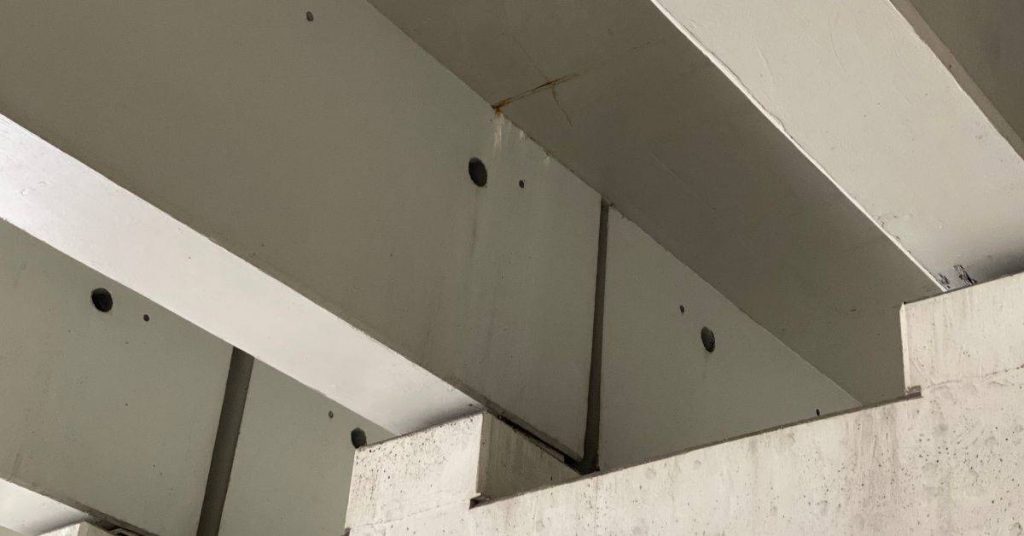
Close-up of concrete beam to column connection with visible joint

Choosing Caulk for Concrete Block Joints: Polyurethane vs Hybrid vs Silicone (and why it matters)

Introduction Caulk for concrete block joints is a flexible sealant used to close gaps between concrete blocks to keep out water and air. Choosing the right sealant starts with the joint type and weather exposure, then applying it with the right tools. Keep in mind it should bond to masonry, cure properly, and be compatible

Choosing Caulk for Concrete Block Joints: Polyurethane vs Hybrid vs Silicone (and why it matters) Read More »

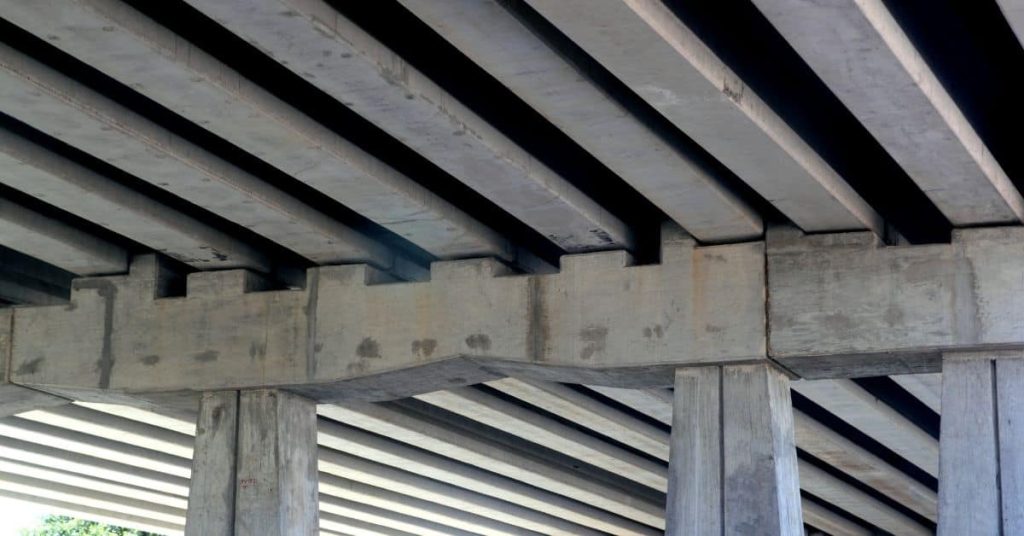
Concrete beams and columns supporting a bridge structure

Backer Rod for Wide Concrete Block Joints: Open vs Closed Cell and Correct Depth

Introduction Backer rod is a foam filler placed in wide concrete block joints to create an even, stable space for sealant. Open-cell backer rod compresses more and allows ventilation, while closed-cell resists moisture and reduces absorption. Always check the product label and manufacturer instructions to pick the right type and depth and to meet any

Backer Rod for Wide Concrete Block Joints: Open vs Closed Cell and Correct Depth Read More »

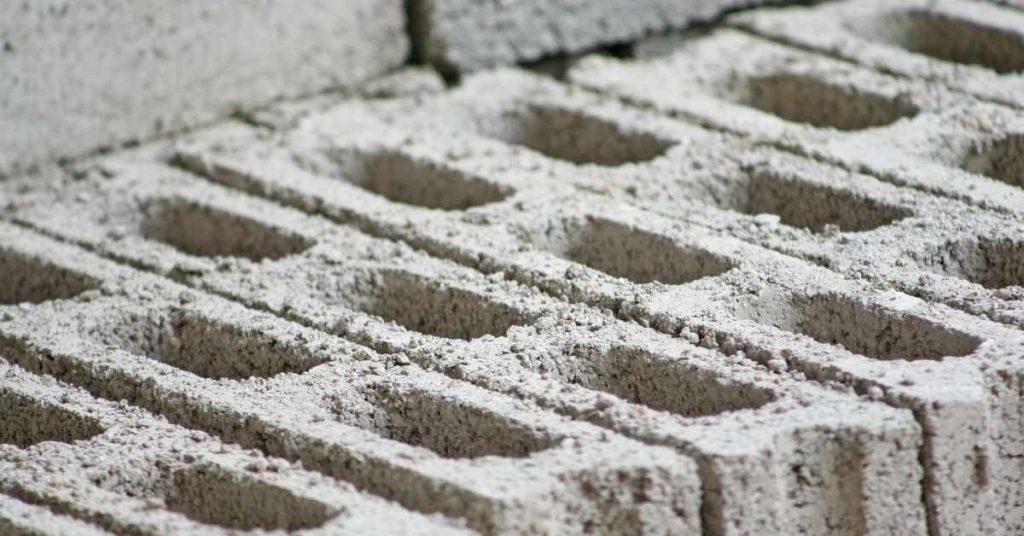
Closeup of stacked gray concrete cinder blocks

Keeping Concrete Block Sealant Lines Clean: Masking, Tooling, and Smear-Free Cleanup

Introduction Keeping concrete block sealant lines clean means preventing excess sealant from smearing onto the block faces by masking and timing your work. Mask surrounding edges with tape or masking paper before you start, and plan to tool the bead cleanly as you go. Check the product label for guidance on working time and curing,

Keeping Concrete Block Sealant Lines Clean: Masking, Tooling, and Smear-Free Cleanup Read More »

unfinished concrete block building under clear sky

Foundation Parging Over Concrete Block: Durability, Breathability, and Grade Detailing

Introduction Foundation parging over concrete block is the thin coating that seals and smooths the surface while letting moisture breathe. It’s a DIY-friendly job, but it needs clean blocks, good adhesion, and careful edge detailing. Plan your surface prep, mix consistency, and control of joints before you start. Durability comes from proper prep, correct application,

Foundation Parging Over Concrete Block: Durability, Breathability, and Grade Detailing Read More »

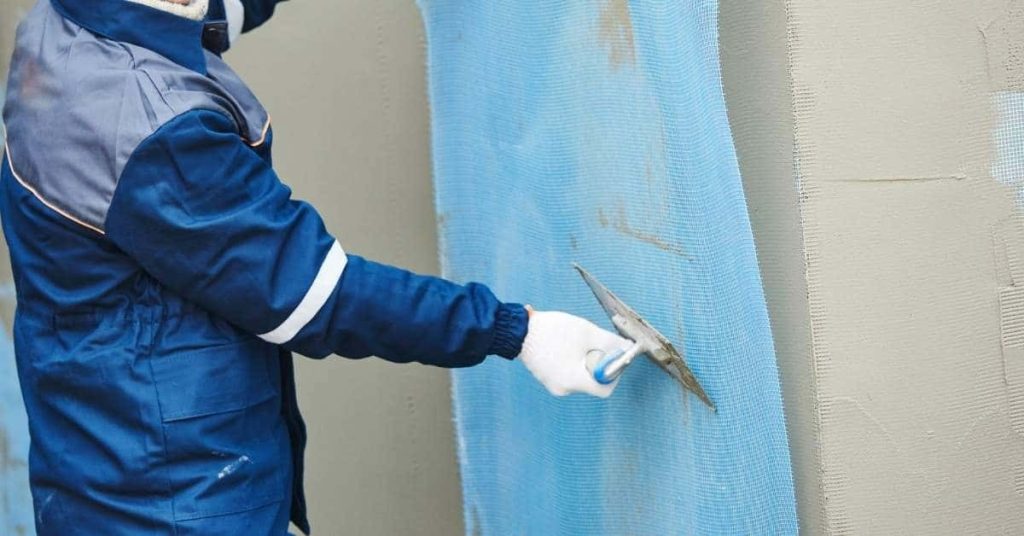
Person applying plaster over blue mesh on wall

Clay Plaster Over Plywood: Movement Joints, Mesh Choices, and Crack-Reduction Tricks

Introduction Clay plaster over plywood is a traditional finish that you apply to plywood walls, using joints and mesh to control movement and cracks. This article gives practical, hands-on steps for choosing joint spacing, mesh types, and tricks to reduce cracking. Expect a process that favors small batches, careful bonding, and testing along the way.

Clay Plaster Over Plywood: Movement Joints, Mesh Choices, and Crack-Reduction Tricks Read More »

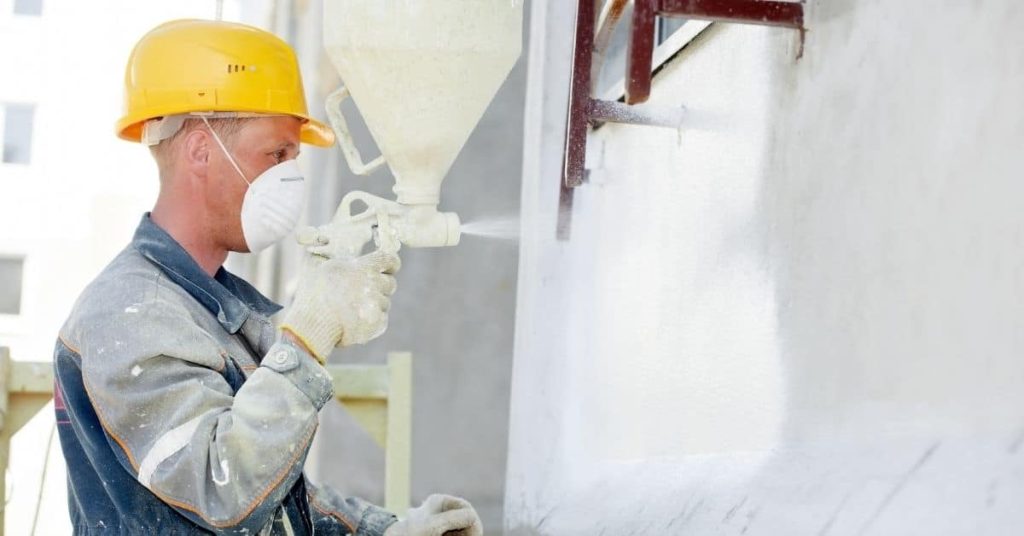
Worker spraying stucco on exterior wall wearing hard hat and mask

Stucco Around Hose Bibs: Sleeves, Sealant Geometry, and Crack Prevention

Introduction Stucco around hose bibs is the practice of enclosing the faucet with a protective sleeve and proper sealant so water stays out. The goal is a tight, weatherproof transition where the hose bib meets the stucco skin. This is a hands-on task, not a theory exercise. Start with correct sleeves and a flush, clean

Stucco Around Hose Bibs: Sleeves, Sealant Geometry, and Crack Prevention Read More »

Exposed brick wall partly covered with gray stucco render

Stucco-to-Brick Transitions: Movement Joints and Water Breaks That Don’t Crack

Introduction A movement joint at a stucco-to-brick transition is a deliberate gap that lets the siding materials expand and contract without cracking. Its job is to separate the two substrates so stresses don’t transfer and crack the finish. This article shows practical, hands-on steps for placing joints and installing water breaks so the transition stays

Stucco-to-Brick Transitions: Movement Joints and Water Breaks That Don’t Crack Read More »

Wet concrete being poured onto floor surface

Concrete Control Joints Around Floor Drains: Crack Steering Without Creating a Lip

Introduction Concrete control joints around floor drains are expansion joints that help crack control by isolating the drain area from the surrounding slab. They create a defined weak plane that guides cracks away from the drain and keep a smooth surface around the lip. This is a practical, hands-on detail you can plan for during

Concrete Control Joints Around Floor Drains: Crack Steering Without Creating a Lip Read More »

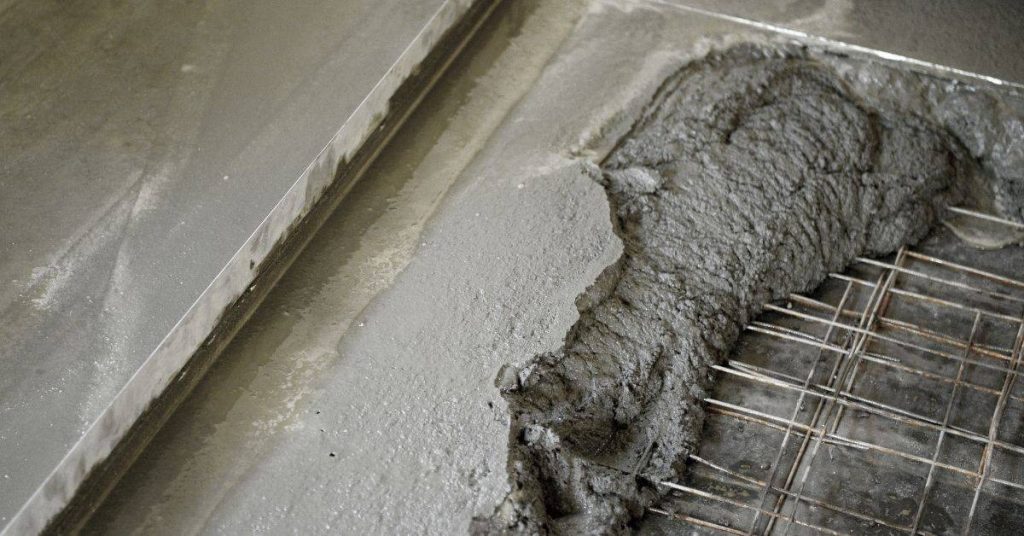
Wet concrete being poured over steel rebar grid

Rust “Ghosting” in Concrete: Preventing Stains from Chairs, Ties, and Rebar

Introduction Rust ghosting is stains left in cured concrete by corroded metal in contact with the mix. It happens when moisture and metal react, causing rust to bleed into the surface during curing. Common culprits are chairs, ties, and rebar that sit in the pour. Prevent it by choosing non‑corroding or protected hardware and by

Rust “Ghosting” in Concrete: Preventing Stains from Chairs, Ties, and Rebar Read More »