Search Results for: joint sealant for concrete

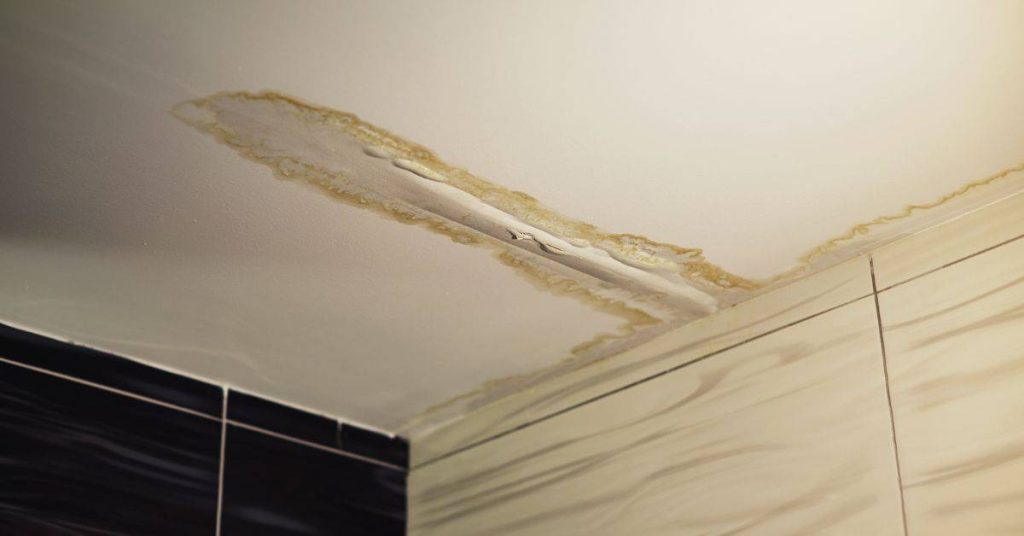
Ceiling with water stains and peeling paint near tiles

Choosing the right concrete crack repair for your situation: movement, width, and water

Introduction The right repair depends on how the crack moves, how wide it is, and whether water is getting through. Key takeaways Assess movement versus static cracks to guide repair method choices and timing. Measure crack width approximately and note tolerance to determine suitable filler and injection. Address water infiltration first: seal active leaks before […]

Choosing the right concrete crack repair for your situation: movement, width, and water Read More »
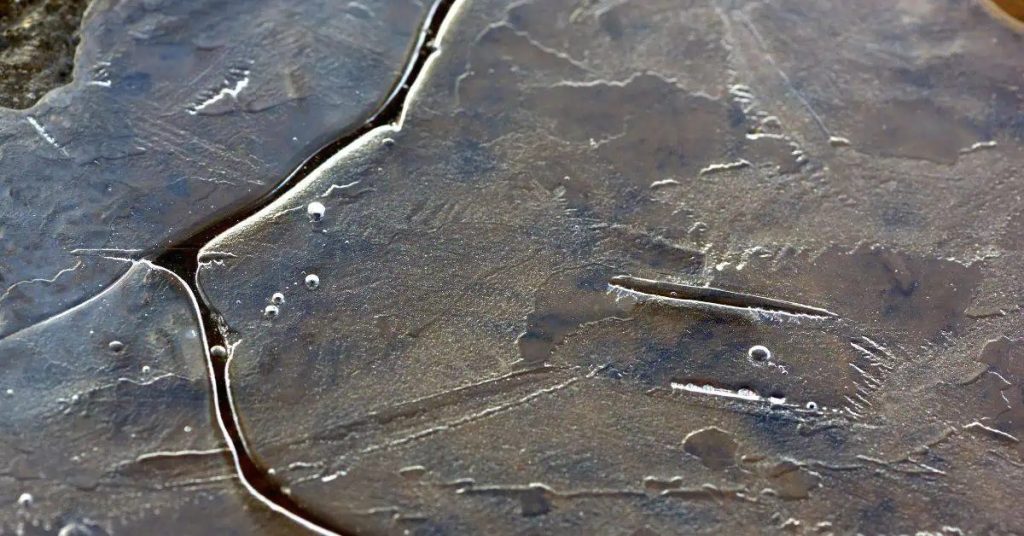
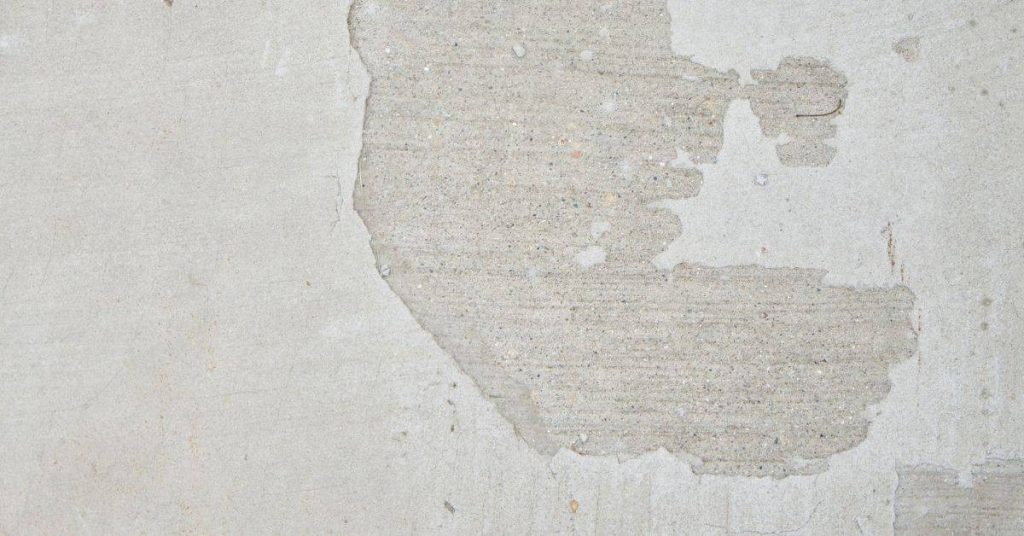
Closeup of cracked frozen soil surface with ice coatings

Freeze-thaw on brick patios: bedding, drainage, and joint fill that survives

Introduction Freeze-thaw on brick patios means water trapped in bedding, drainage, and joints can crack or lift bricks when temperatures swing below and above freezing. This article covers how to select bedding, manage drainage, and fill joints so a DIY patio can survive those cycles. You’ll focus on simple checks you can do before you

Freeze-thaw on brick patios: bedding, drainage, and joint fill that survives Read More »

Concrete surface with visible edge spalling damage

Edge spalling at joints: why it happens and how to detail joints to stop it

Introduction Edge spalling at joints is when the concrete at the joint edge chips or flakes away. It happens from weather, freeze-thaw cycles, or movement that stresses the edge near the joint. When this shows up, it can ruin the look and invite moisture. To detail joints for durability, start by cleaning the joint and

Edge spalling at joints: why it happens and how to detail joints to stop it Read More »

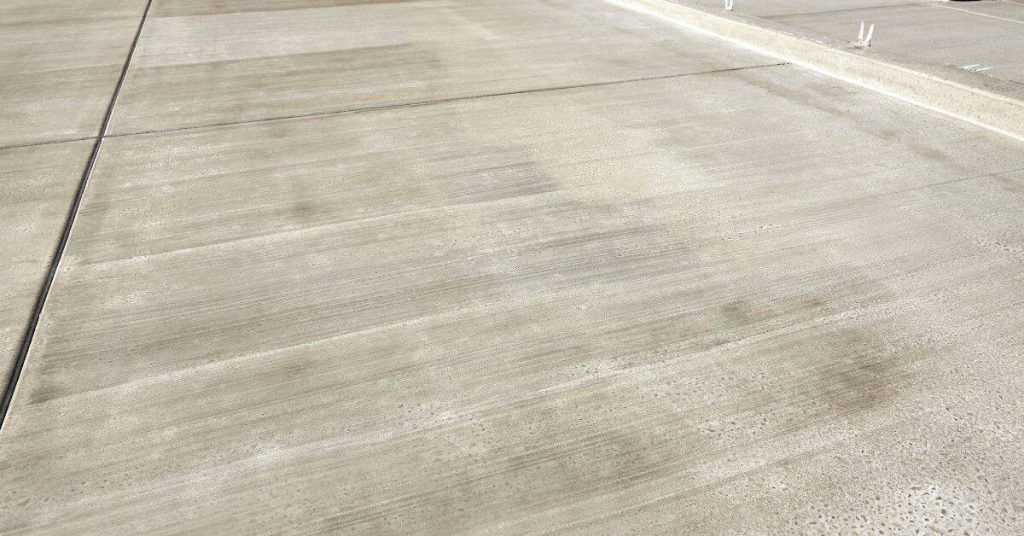
Close-up of a concrete driveway slab with control joints

Air-entrained concrete for driveways and steps: real freeze–thaw failures and how to avoid them

Introduction Air-entrained concrete uses air bubbles added during mixing to resist freeze–thaw damage. For driveways and steps, this helps the surface survive cycles of freezing and thawing without cracking. Check the product label and manufacturer instructions to understand the recommended air content for your project. Keep the mix cool to cure evenly, protect fresh concrete

Air-entrained concrete for driveways and steps: real freeze–thaw failures and how to avoid them Read More »

Snow-covered precast concrete beams stacked outdoors

Clean Concrete Door Threshold Curbs: Isolation Joints and Waterproof Transition Details

Introduction A clean concrete door threshold curb is a raised, sealed transition at a doorway that isolates joints and redirects water. For installation, choose a waterproofing membrane that can bridge the joint between curb and slab, and follow the manufacturer’s surface prep and cure guidance. Architectural details matter—use proper edging, transitions, and compatible sealants, and

Clean Concrete Door Threshold Curbs: Isolation Joints and Waterproof Transition Details Read More »

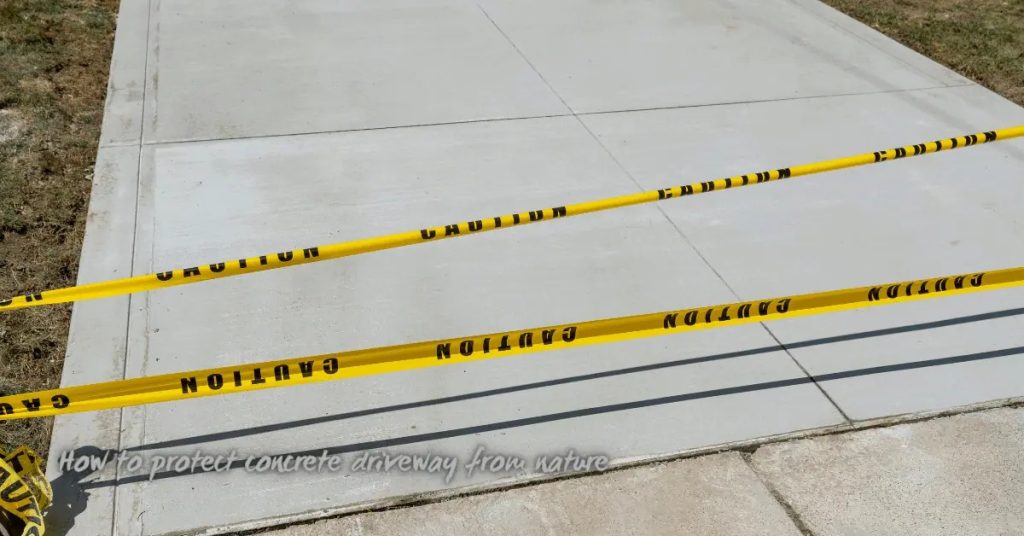
Concrete driveway section blocked by yellow caution tape

Concrete Vapor Barrier Seams and Penetrations: Tape, Patches, and “Oops” Fixes

Introduction A concrete vapor barrier seam is the joined, airtight edge where barrier material meets itself or a patch. Tape and patches are used to seal these seams, and proper technique means clean surfaces, careful pressure, and following the material’s instructions. Penetrations like pipes or conduits must be sealed carefully at the edge where they

Concrete Vapor Barrier Seams and Penetrations: Tape, Patches, and “Oops” Fixes Read More »

curved brick paver pathway with stone wall and landscaping

Brick Paver Edging That Won’t Spread: Restraints, Bedding, and Joint Choices

Introduction Edging that won’t spread is a border for brick paver layouts that stays in place and keeps the line looking sharp. Getting it right means using sturdy restraints, a solid bedding layer, and properly selected joints. Always check the product label and local rules for any installation limits that apply to your area. Choose

Brick Paver Edging That Won’t Spread: Restraints, Bedding, and Joint Choices Read More »

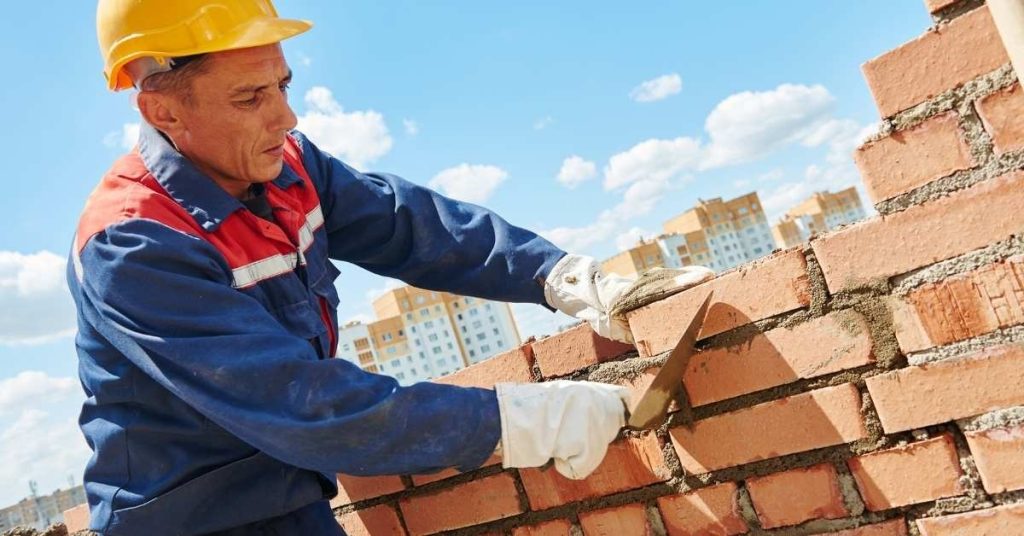
Construction worker cutting joint in brick wall outdoors

Movement Joints in Long Brick Walls: Spacing, Backer Rod, and Tooling Tips

Introduction Movement joints in long brick walls relieve stress from expansion and contraction. They are intentional gaps that let the wall flex without cracking. When you plan the joints, follow the manufacturer’s guidance and local rules, and choose backer rod and sealant accordingly. Use proper tooling by cleaning joints, applying backing, and smoothing with the

Movement Joints in Long Brick Walls: Spacing, Backer Rod, and Tooling Tips Read More »

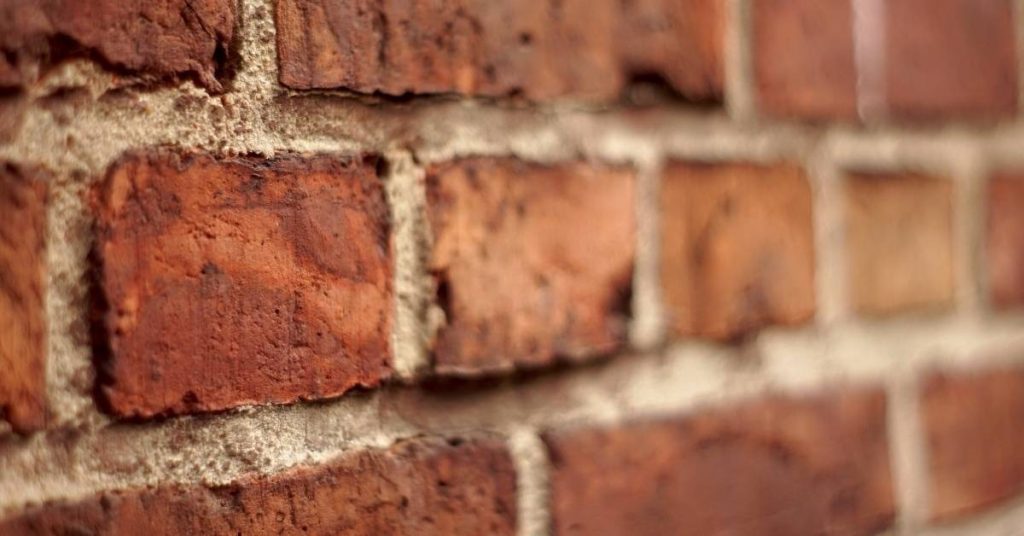
close-up of red brick wall with mortar joints

Choosing Caulk for Brick Joints: Polyurethane vs Hybrid vs Silicone (and why it matters)

Introduction Caulk for brick joints is the sealant you install between bricks to keep water out and allow for some movement. Common options are polyurethane, hybrid, and silicone, each with trade-offs for adhesion, flexibility, and durability. Always check the product label for brick or masonry compatibility and whether it can be painted if you need

Choosing Caulk for Brick Joints: Polyurethane vs Hybrid vs Silicone (and why it matters) Read More »

Closeup of red brick wall with mortar joints

Sealant for Stucco Joints: Primer, Backer Rod, and Tooling That Lasts

Introduction A sealant for stucco joints is a flexible filler placed in joints with primer and backer rod to move with the wall. It helps keep water out and avoids cracking as the stucco expands and contracts. Always check the product label for surface prep and curing times. Proper tooling and backer rod selection make

Sealant for Stucco Joints: Primer, Backer Rod, and Tooling That Lasts Read More »