Search Results for: joint sealant for concrete

closeup of red brick wall with mortar joints

Installing Expansion Joints in New Stucco: Simple Layout Rules for DIY Projects

Introduction Expansion joints are gaps that let stucco expand and contract without cracking. In new stucco, plan these joints where movement or stress is likely and at regular intervals. Keep joints clean and avoid sealing them with rigid materials. Where to place joints depends on wall size, substrate, and climate. Check manufacturer guidance and local

Installing Expansion Joints in New Stucco: Simple Layout Rules for DIY Projects Read More »

Exterior stucco wall with scaffolding and windows

Hairline Stucco Cracks Over Framing: When It’s Normal Movement vs. a Missing Joint

Introduction Hairline stucco cracks over framing are small, common movement cracks at the edges where the wall framing meets the exterior skin. They happen as the house settles, dries, or seasons change. Usually they’re cosmetic, but it helps to keep an eye on them and assess what caused them. If a crack follows a straight

Hairline Stucco Cracks Over Framing: When It’s Normal Movement vs. a Missing Joint Read More »

Close up of metal hose bib mounted on textured stucco wall

Mounting a Hose Reel on Stucco Without Cracking or Leaks (Fasteners, Spacers, Sealant)

Introduction Mounting a hose reel on stucco without cracking or leaks means securing the reel with proper fasteners, spacers, and sealant to protect the wall and keep water out. Use fasteners rated for masonry or stucco and add spacers to prevent screws from binding against the softer surface. Match the hardware to the wall substrate

Mounting a Hose Reel on Stucco Without Cracking or Leaks (Fasteners, Spacers, Sealant) Read More »

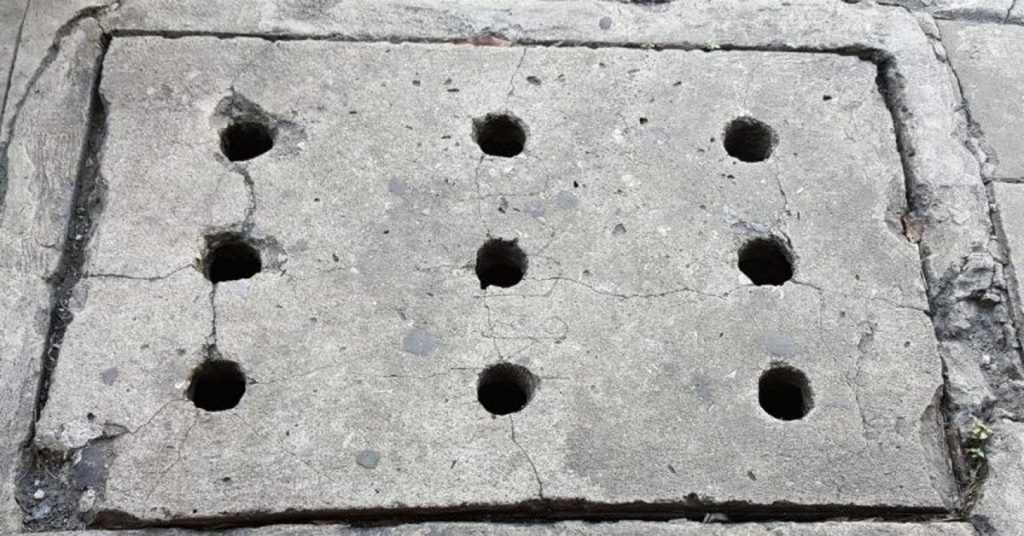
Concrete slab with nine small drilled drainage holes

Core Drilling Small Holes in Concrete: Water Control, Bit Choices, and Patch Strategy

Introduction Core drilling small holes in concrete means using a core drill to bore precise holes and manage water for clean cuts. Water control is about keeping the dust down and cooling the drill, so use a steady water feed or a flood guard. Choose a bit size and type that matches the hole you

Core Drilling Small Holes in Concrete: Water Control, Bit Choices, and Patch Strategy Read More »

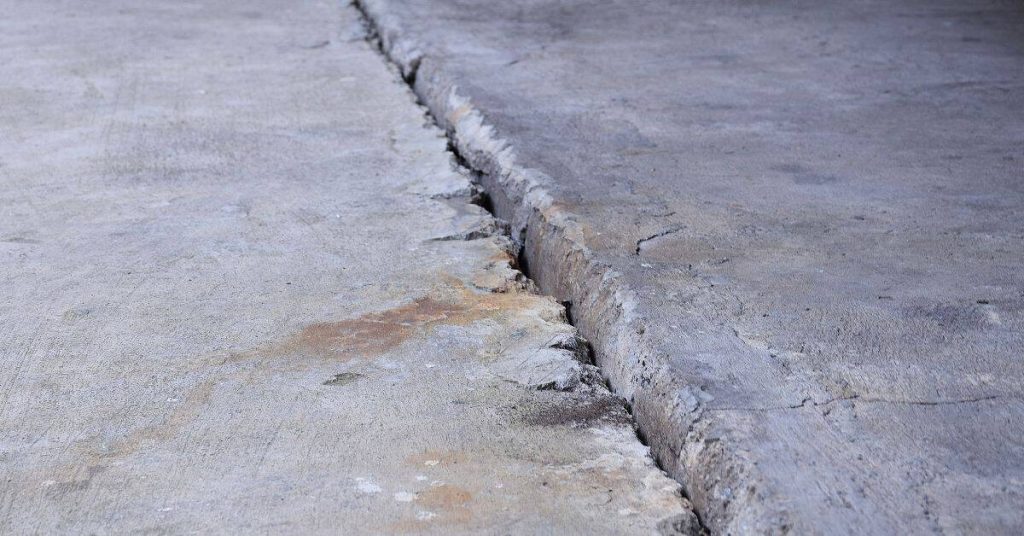
close up of cracked concrete surface with one large crack

Concrete Crack Stitching for DIYers: When Staples + Epoxy Beat ‘Fill and Forget’

Introduction Crack stitching is a method to rebind a cracked concrete surface using staples and epoxy to align and hold the pieces. It’s a practical, hands‑on repair you can tackle with basic tools. The stitched bond is designed to move with the slab rather than simply fill the gap. Plan your approach by inspecting the

Concrete Crack Stitching for DIYers: When Staples + Epoxy Beat ‘Fill and Forget’ Read More »

Closeup of spider crack on rough concrete surface

DIY Concrete Waterproofing on the Inside: When It Works and When It’s a Trap

Introduction DIY concrete waterproofing on the inside is applying moisture barriers and sealants to interior concrete surfaces to keep dampness at bay. It helps when intrusion comes through cracks, porous walls, or hydrostatic pressure, but it isn’t a substitute for good exterior drainage. We’ll walk through identifying water sources and choosing practical interior steps for

DIY Concrete Waterproofing on the Inside: When It Works and When It’s a Trap Read More »

Clean concrete foundation corner with metal anchors installed

Concrete Window Well Pad: Making a Small Slab That Sheds Water Away From the Wall

Introduction A concrete window well pad is a small slab poured around a window well to shed water away from the foundation. It’s a DIY-friendly project that helps stop splash and seepage. You’ll need to plan, mix, pour, and finish with a slope away from the wall. Start by checking the wall clearance and establishing

Concrete Window Well Pad: Making a Small Slab That Sheds Water Away From the Wall Read More »

Concrete support columns under a waterfront bridge

Concrete Downspout Extensions: When to Use Channels vs. Buried Pipe

Introduction Concrete downspout extensions are either surface channels or buried pipes that move roof runoff away from the house. Channels sit along the ground and channel water visibly, while buried pipes hide under the soil. Choose the option based on how visible you want it and how much grading you can maintain. Check local rules

Concrete Downspout Extensions: When to Use Channels vs. Buried Pipe Read More »