Search Results for: joint sealant for concrete

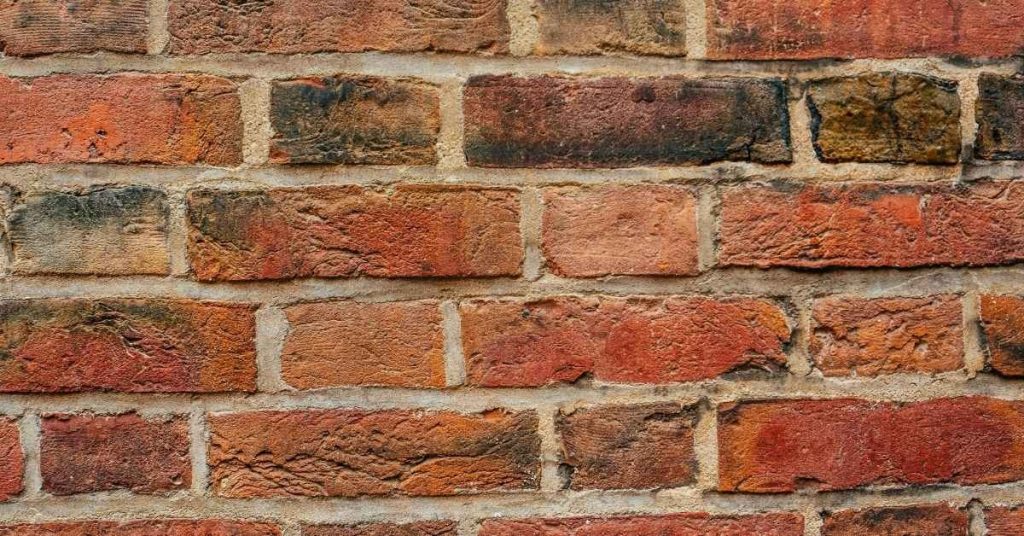
close-up of weathered red brick wall with mortar joints

Raking out brick joints safely: depth targets and avoiding chipped arrises

Introduction Raking out brick joints safely means removing deteriorated mortar from between bricks to a controlled depth while protecting the surrounding masonry. This hands-on task requires the right tools and steady technique to avoid damaging arrises. A sensible approach focuses on safe depth targets and careful removal to prevent chipping. Choose appropriate tools designed for […]

Raking out brick joints safely: depth targets and avoiding chipped arrises Read More »

Wooden boathouse on stilts over calm water at dusk

Choosing brick joint profiles: concave, flush, struck—how each sheds water

Introduction Brick joint profiles are the shapes formed where bricks meet mortar, influencing water shedding from a wall. Understand how each profile behaves in wet conditions to make an informed choice based on your climate and maintenance routine. Concave joints: Shed water along the mortar surface. Flush joints: Sit flat, providing a smooth finish but

Choosing brick joint profiles: concave, flush, struck—how each sheds water Read More »

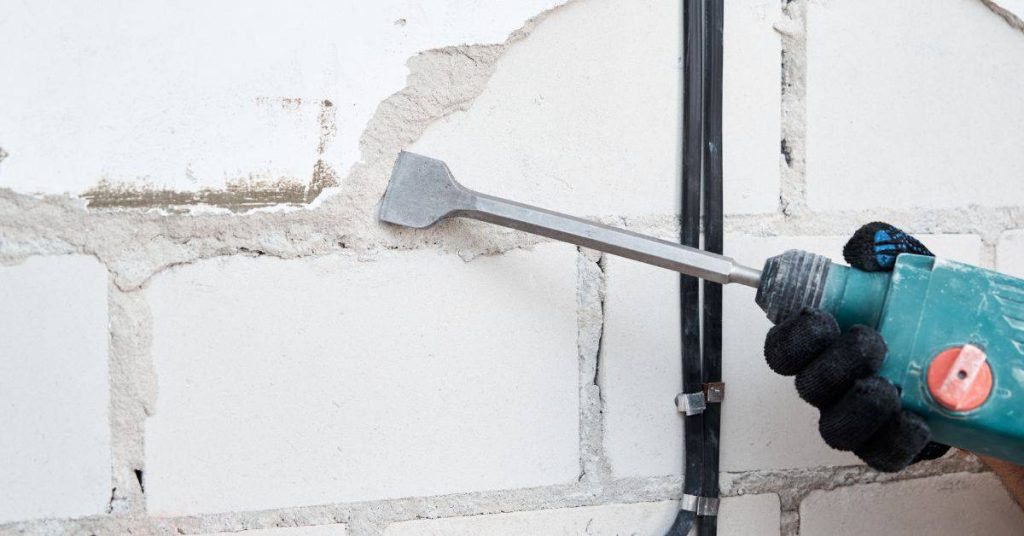
Gloved hand holding power tool against stucco joint

Sealant failure at stucco joints: choosing the right sealant type and tooling shape

Introduction Sealant failure at stucco joints means the sealant loses adhesion, cracks, or pulls away, allowing water intrusion. Choosing the right sealant involves matching the substrate and climate, and confirming compatibility with stucco. Think of the job as preparing the joint, selecting a compatible sealant, and planning proper tooling. Selecting the right tool shapes helps

Sealant failure at stucco joints: choosing the right sealant type and tooling shape Read More »

Closeup of red brick and gray mortar joints

Cracks along dissimilar materials in stucco: handling wood-to-masonry movement joints

Introduction Cracks along dissimilar materials in stucco occur where wood and masonry move at different rates, and require a proper movement joint. Identify where wood framing meets masonry and where movement joints are needed to allow for expansion and contraction. Keep the project practical by checking existing joints and following manufacturer or local guidance for

Cracks along dissimilar materials in stucco: handling wood-to-masonry movement joints Read More »

White stucco wall with green ivy growing on left side

Hiding awkward stucco control joints: layout tricks for patches and additions

Introduction A control joint in stucco is a designed gap that guides cracking and movement. Hiding it during patches and additions means planning the patch layout so the joint sits where it won’t stand out. This article walks through practical layout tricks you can use in the field. , but we must not include comma

Hiding awkward stucco control joints: layout tricks for patches and additions Read More »

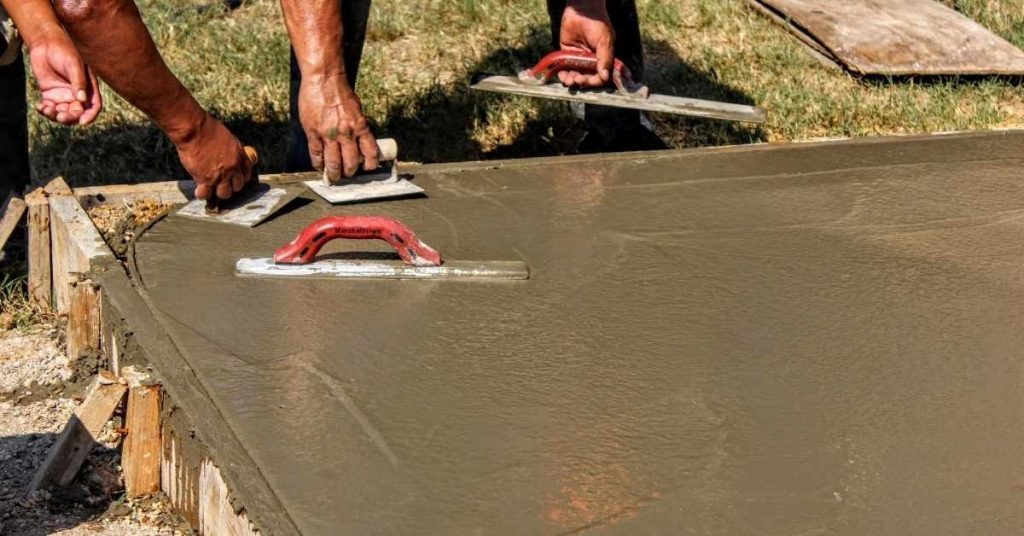
Workers smoothing fresh concrete slab with finishing tools

Retrofitting concrete slab edge insulation on small patios and entries: details that actually fit

Introduction Concrete Slab Edge Insulation Retrofit Retrofitting concrete slab edge insulation enhances thermal performance by adding insulation around exposed edges of existing slabs. This improves comfort in small patios and entryways year-round by reducing heat loss. Before proceeding, assess current edges, drainage, and any moisture concerns. Integrate chosen edge insulation with surrounding framing, slabs, and

Retrofitting concrete slab edge insulation on small patios and entries: details that actually fit Read More »

Person using power trowel on fresh concrete slab

Crazing and hairline map cracks in concrete: over-finishing clues and how to keep it subtle

Introduction Crazing and hairline map cracks are fine surface fractures that develop on concrete as it dries and cures. They often appear as delicate networks across countertops or floors and can be challenging to hide with finishing alone. Understanding why they form helps you decide when a subtle finish is appropriate and when to address

Crazing and hairline map cracks in concrete: over-finishing clues and how to keep it subtle Read More »

Unfinished multi-story concrete building structure outdoors

Self-leveling overlays on concrete: dams, primers, and stopping pinholes and ripples

Introduction Self-leveling overlays are pourable surface toppings designed to flow into low spots and produce a flat, smooth concrete surface. They rely on proper surface preparation, containment dams at edges, and primer or bond agents to promote adhesion. Always follow the material manufacturer’s instructions for mixing, compatibility with the concrete, and cure requirements. Before you

Self-leveling overlays on concrete: dams, primers, and stopping pinholes and ripples Read More »

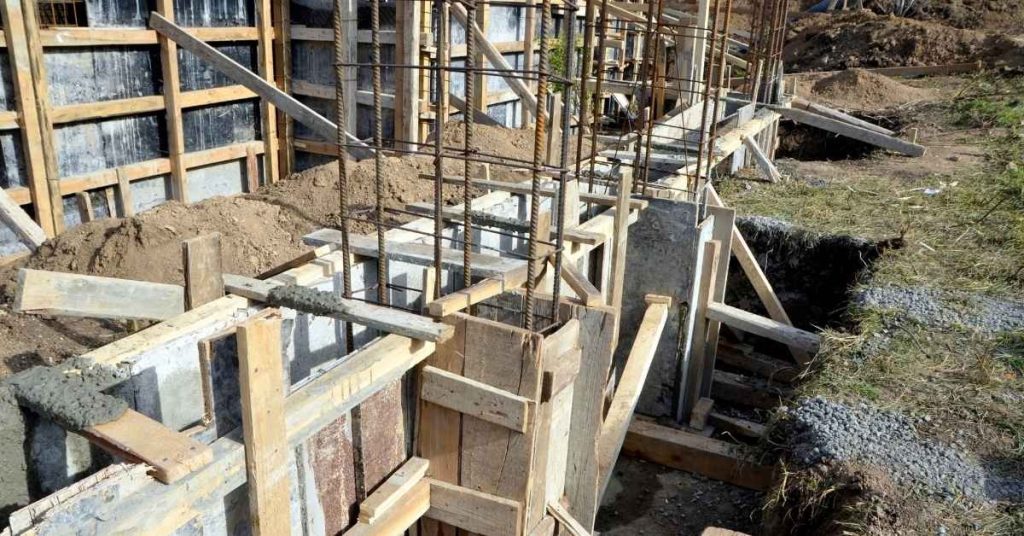
Concrete foundation formwork with exposed rebar and soil

Feather finish vs polymer patch on concrete: choosing a repair that won’t pop off in winter

Introduction Cement Skim Coat vs Polymer Patch for Winter Repairs Feather finish is a thin cement skim coat, ideal for smoothing surfaces. A polymer patch, on the other hand, is a patching compound used to fill small defects. This guide compares their winter performance and provides practical DIY repair steps. Assess damage extent, substrate condition,

Feather finish vs polymer patch on concrete: choosing a repair that won’t pop off in winter Read More »

Stone water well with bucket hanging on pulley system

Choosing the right concrete crack repair for your situation: movement, width, and water

Introduction Choosing the right concrete crack repair depends on movement, width, and water exposure. This article explains how these factors guide material choice and repair approach. It keeps the guidance practical and focused on real‑world DIY work. Cracks come from settlement, drying shrinkage, or load stress, and they vary from hairline to wider gaps. Prepare

Choosing the right concrete crack repair for your situation: movement, width, and water Read More »