Search Results for: joint sealant for concrete

Unfinished basement with concrete block walls and wooden stairs

Isolation Joints Under Walls and Thresholds: Compressible Fillers That Don’t Squish Out

Introduction Isolation joints under walls and thresholds use compressible fillers to bridge gaps and accommodate movement. Common options include soft, elastic fillers like silicone or rubber that resist squishing out and stay in place as concrete cures. Always check the product label and manufacturer guidance for expansion limits and compatibility with concrete and sealants. Install […]

Isolation Joints Under Walls and Thresholds: Compressible Fillers That Don’t Squish Out Read More »

Smooth polished concrete floor reflecting windows and lights

Concrete Finishing for Broom Direction: Traction vs Cleanability Tradeoffs

Introduction Concrete finishing for broom direction is the texture you create when you drag a broom across fresh concrete to set a pattern. This defines how much traction you get and how easy it is to clean. Keep it simple and work with what your slab can tolerate—no gimmicks. Broom patterns range from tight, firm

Concrete Finishing for Broom Direction: Traction vs Cleanability Tradeoffs Read More »

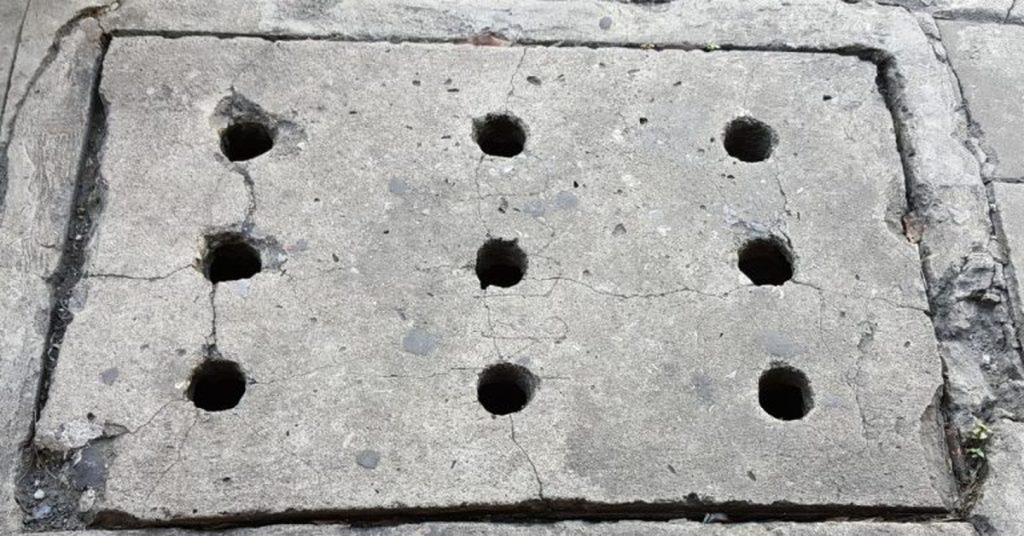
Concrete slab with nine drainage holes

Placing Concrete Against Waterproofing Membranes: Protection Boards, Punctures, and Drainage Mats

Introduction Placing concrete against waterproofing membranes means building up concrete right to the membrane while using protective layers to keep it intact. In this DIY friendly guide, we talk through protection boards, avoiding punctures, and how drainage mats help manage water pressure during a pour. Always check the product and tech literature for data sheets

Placing Concrete Against Waterproofing Membranes: Protection Boards, Punctures, and Drainage Mats Read More »

Worker applying stucco to exterior wall wearing gloves and jacket

Stucco at Electrical Meter Bases and Service Conduits: Flashing Blocks, Sealant Joints, and Water Management

Introduction Flashing blocks, sealant joints, and water management around electrical meter bases and service conduits keep moisture from penetrating the wall. This is a hands-on task that combines proper flashing, sealant application, and grading to shed water away from the entry points. Get the basics right before you pull stucco or sealant and check product

Stucco at Electrical Meter Bases and Service Conduits: Flashing Blocks, Sealant Joints, and Water Management Read More »

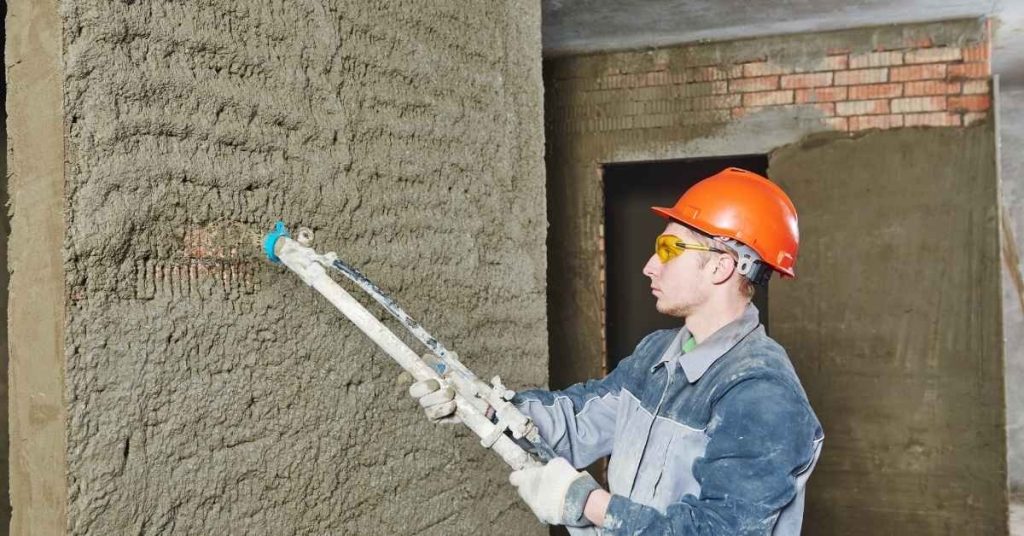
Worker spraying stucco onto brick wall indoors

Stucco Control Joint Placement Around Large Walls: Avoiding Random ‘Map Cracking’ Patterns

Introduction Control joints are planned gaps in stucco that help prevent random map cracking on large walls. Place them at regular intervals and where the wall planes change. Check manufacturer instructions and local rules for spacing and placement guidance. This is a hands-on task you can plan during framing and stucco work. Mark the joints

Stucco Control Joint Placement Around Large Walls: Avoiding Random ‘Map Cracking’ Patterns Read More »

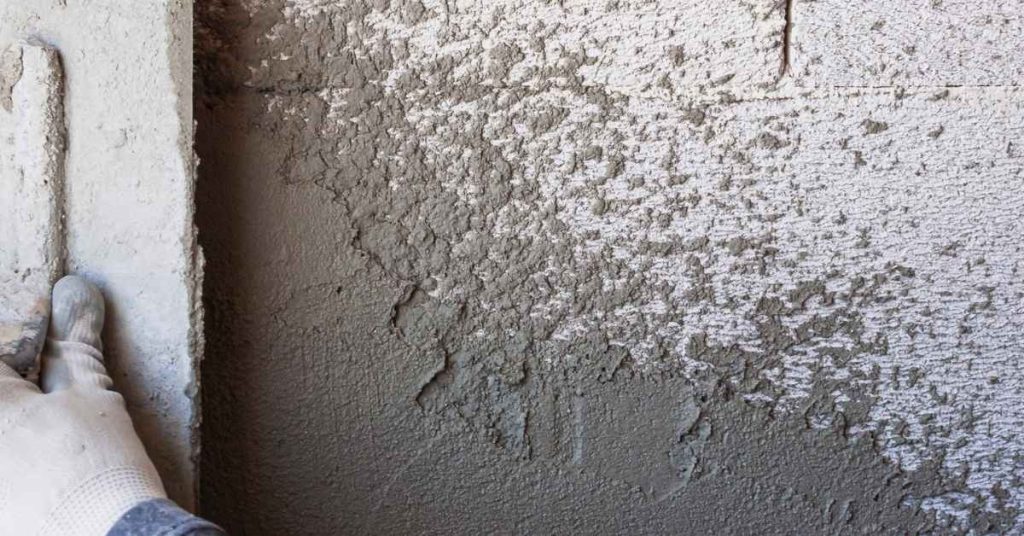
Close-up of textured pink stucco wall surface

Stucco Around Mini-Split Line Sets and Condensate Drains: Sleeves, Drip Loops, and Sealants

Introduction Stucco around mini-split line sets and condensate drains is the exterior finish that encases the lines and keeps moisture out. The job is about creating sleeves, drip loops, and proper seals so the system looks integrated and sheds water. Do this carefully so you don’t trap condensation or create paths for leaks. Plan sleeve

Stucco Around Mini-Split Line Sets and Condensate Drains: Sleeves, Drip Loops, and Sealants Read More »

Hand smoothing wet scratch coat over base wall surface

Stucco Over Autoclaved Aerated Concrete (AAC): Base Coat Choice, Fasteners, and Suction Control

Introduction Stucco over AAC is applying a compatible base coat to Autoclaved Aerated Concrete walls. Pre-installation prep is key—clean surfaces, seal any joints, and plan how you’ll store and handle panels to avoid damage. Handle AAC panels with care, store flat in a dry, shaded area, and check manufacturer guidance for any site-specific restrictions. Choose

Stucco Over Autoclaved Aerated Concrete (AAC): Base Coat Choice, Fasteners, and Suction Control Read More »

Worker applying stucco plaster onto wall with trowel

Stucco Movement Joints: Spacing Rules, Joint Profiles, and Sealant Detailing That Lasts

Introduction Movement joints in stucco are intentional gaps that let the plaster move with temperature and framing shifts. They help prevent cracks by giving the wall a controlled place to flex, not tear. Check local building rules and follow manufacturer instructions for spacing and placement in your area. There are different joint profiles and sealants,

Stucco Movement Joints: Spacing Rules, Joint Profiles, and Sealant Detailing That Lasts Read More »

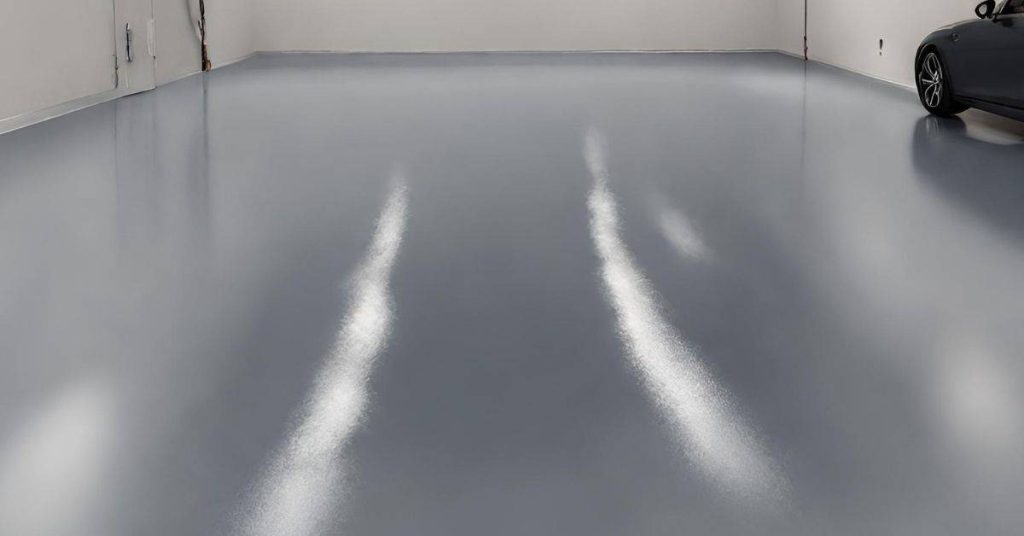
Smooth grey epoxy coated concrete floor in garage

Concrete Crack Sealants: Polyurethane, Epoxy, MMA, and Why ‘Flexible’ Isn’t Always Better

Introduction Concrete crack sealants come in polyurethane, epoxy, and methyl methacrylate (MMA), and the goal is to seal cracks while allowing some movement. In practical DIY terms, you choose based on how much movement the crack will have, the exposure, and what the product label recommends. Always check the manufacturer instructions and local rules before

Concrete Crack Sealants: Polyurethane, Epoxy, MMA, and Why ‘Flexible’ Isn’t Always Better Read More »

Close-up of a metal tool shaping a joint in fresh concrete

Stamped Concrete at DIY Scale: Release Agents, Joint Planning, and Sealing Without Slippery Film

Introduction Stamped concrete at a DIY scale is about using release agents, planning joints, and sealing so the finish isn’t slick. Keep expectations simple: choose a release agent you can apply evenly, map where joints go before stamping, and select a sealer that reduces glare without creating a slippery film. Start with a clear plan,

Stamped Concrete at DIY Scale: Release Agents, Joint Planning, and Sealing Without Slippery Film Read More »