Search Results for: how tpo

Close-up of cracked concrete surface with multiple fissures

Cold-Applied Crack Fillers: Which Ones Work and Which Wash Out

Introduction Cold-applied crack fillers are products you can apply at room temperature to seal cracks without using heat. Key takeaways Choose filler types by crack width, substrate, and expected movement. Verify weather suitability and cure times against manufacturer instructions before mixing. Prepare surfaces: clean, dry, and free of loose material prior to application. Apply with […]

Cold-Applied Crack Fillers: Which Ones Work and Which Wash Out Read More »

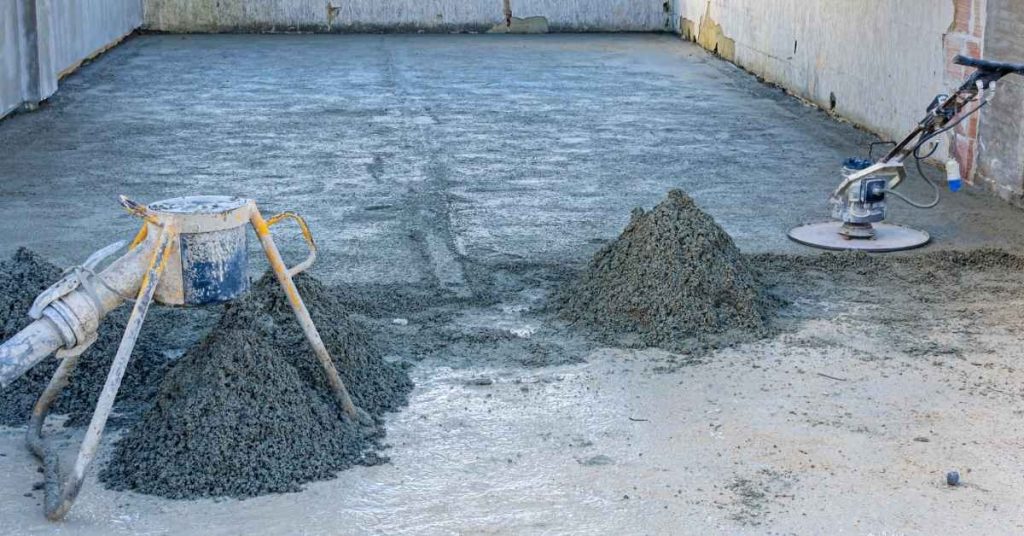
Concrete slab being poured and leveled inside a building

Pouring Footings in Wet Soil: Pumping, Mud Control, and When to Wait

Introduction Pouring footings in wet soil means you must stabilize the site first, remove water, and control mud before concrete. Assess drainage, stick to a plan for pumping, and set up barriers to keep mud from spreading. If conditions aren’t right, it’s safer to wait and check local guidance. Set up proper forms and ensure

Pouring Footings in Wet Soil: Pumping, Mud Control, and When to Wait Read More »

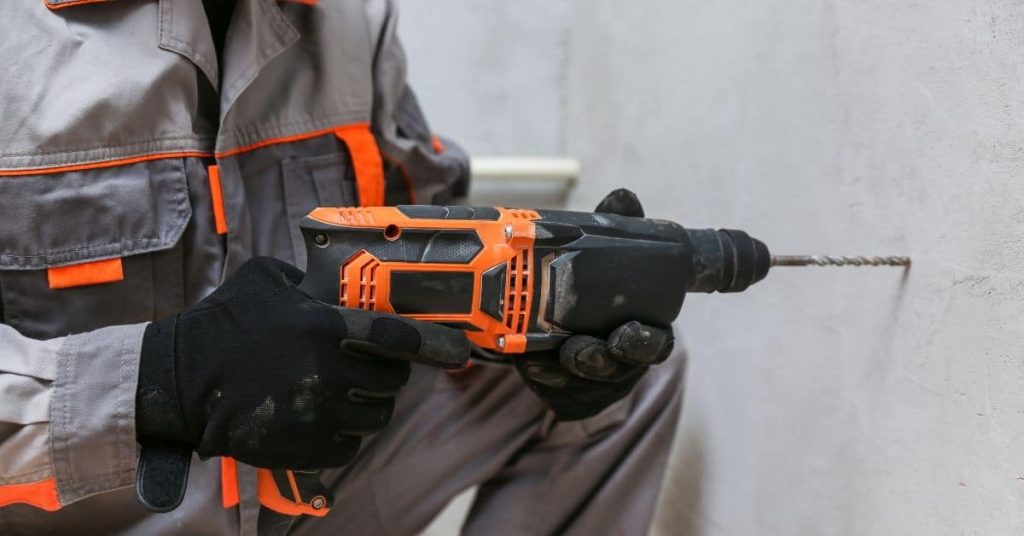
Worker drilling into concrete wall with cordless drill

Concrete Temperature Monitoring: Cheap Sensors That Help You Cure Better

Introduction Concrete temperature monitoring means tracking how hot or cold the mix stays during curing to guide when to finish and moisture cure. Affordable sensors can be embedded or attached to the surface to give real-time readings. Proper curing depends on temperature behavior, and monitoring helps catch excessive heat or slow cooling before it harms

Concrete Temperature Monitoring: Cheap Sensors That Help You Cure Better Read More »

Worker applying drywall joint tape on wall standing on scaffold

Cement Board Seams in Showers: Tape, Thinset, and Where Waterproofing Goes

Introduction Cement board seams in showers are the joints where panels meet and must be sealed with tape and thinset before waterproofing. This helps keep water from wicking behind the boards and causing damage over time. You’ll want a careful, patch‑and‑press approach that follows the board and tape instructions for best results. Best practices include

Cement Board Seams in Showers: Tape, Thinset, and Where Waterproofing Goes Read More »

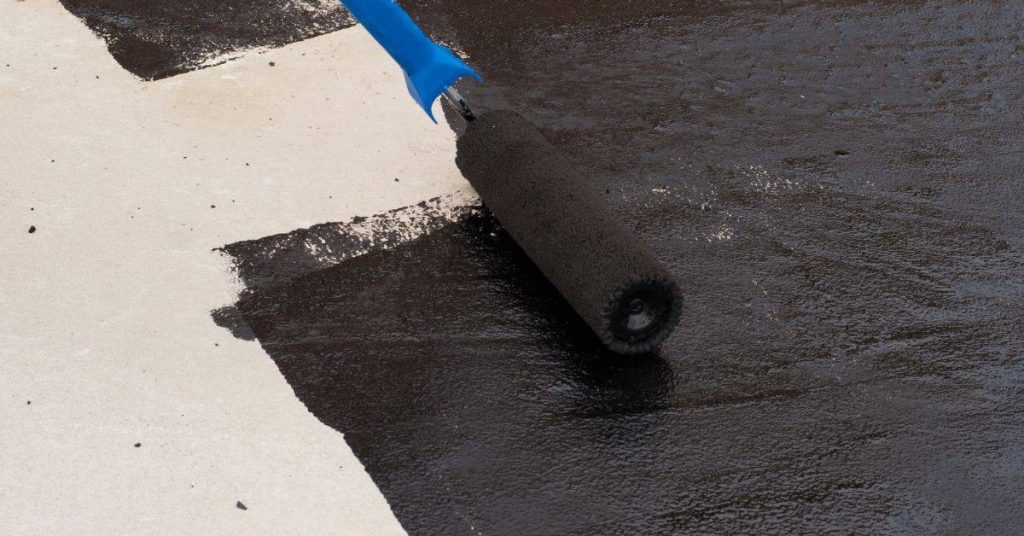
Paint roller applying black sealer on light tile surface

Microcement Over Tile: Prep, Base Coats, Sealer Choices, and DIY Success Factors

Introduction Microcement over tile is a system that coats existing tile with a cement-based finish after proper prep. This approach hinges on solid surface prep, compatible primers, and careful application to stay durable and look even. Base coats and layering are key, and you should follow the product instructions and check for compatibility with tile

Microcement Over Tile: Prep, Base Coats, Sealer Choices, and DIY Success Factors Read More »

Person painting white window sill with brush

Best Indoor Painting Temperature: Ideal Range, Humidity Tips, and Dry-Time Reality

Introduction Best indoor painting temperature means painting when the air is at a level that lets the paint apply smoothly and cure without sagging or blushing. Keep the room away from extreme cold or heat and ventilate as needed. Always check the paint can or manufacturer instructions for the exact suggested range, and avoid guessing.

Best Indoor Painting Temperature: Ideal Range, Humidity Tips, and Dry-Time Reality Read More »

Man painting exterior wall with roller paint brush

Dew Point Basics for Exterior Painting: Simple Checks That Prevent Blistering Overnight

Introduction Dew point is the temperature at which moisture in the air will condense on a cooler surface, and checking it helps prevent paint blistering overnight. In plain terms: if the wall is at or below the dew point when paint is curing, condensation can form and wreck the finish. Before you paint outside, check

Dew Point Basics for Exterior Painting: Simple Checks That Prevent Blistering Overnight Read More »

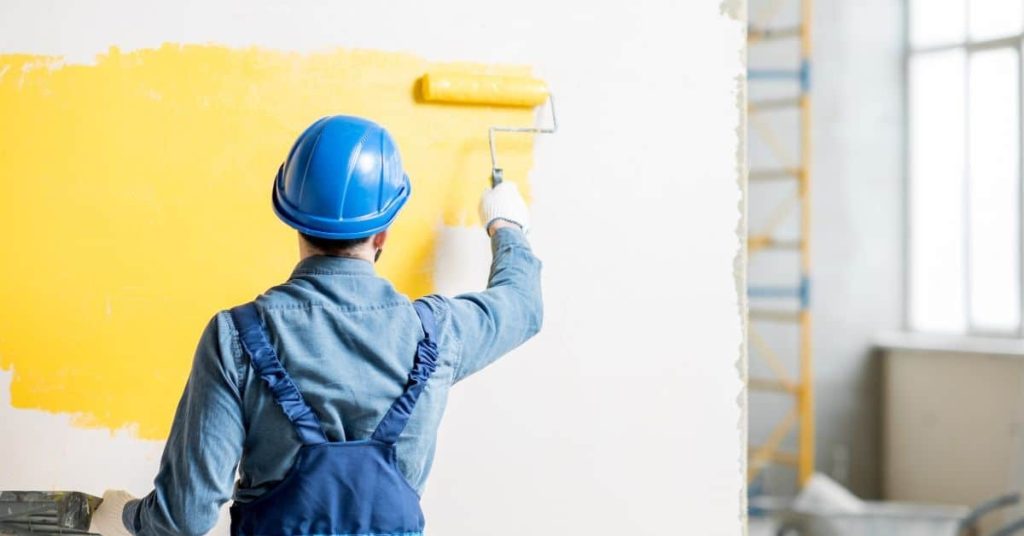
Worker in blue helmet painting wall yellow with roller

Painting in Direct Sunlight: Timing Windows, Lap-Mark Prevention, and Sheen Control

Introduction Painting in direct sunlight means applying paint to surfaces that are heated and exposed to strong sunlight, which affects drying speed, lap marks, and sheen. It requires timing coats to avoid too-quick skinning and working in sections that the sun will move across so you can maintain a wet edge. Check paint can instructions

Painting in Direct Sunlight: Timing Windows, Lap-Mark Prevention, and Sheen Control Read More »

Hand rolling blue paint onto white wall with paint roller

Bathroom Paint Systems: When ‘Mildew-Resistant’ Paint Isn’t Enough

Introduction “Mildew-resistant” paint is a product label that means the coating resists surface mold under normal conditions, but it isn’t a full waterproofing or mold-removal system. In a bathroom that gets heavy steam or has leaks, the paint alone can fail; check product labels and manufacturer instructions to understand limits and recommended substrate prep. A

Bathroom Paint Systems: When ‘Mildew-Resistant’ Paint Isn’t Enough Read More »