Search Results for: how to fix missing red brick mortar

Blending New Plaster into Old: Feathering Edges so the Patch Disappears

Blending New Plaster into Old: Feathering Edges so the Patch Disappears

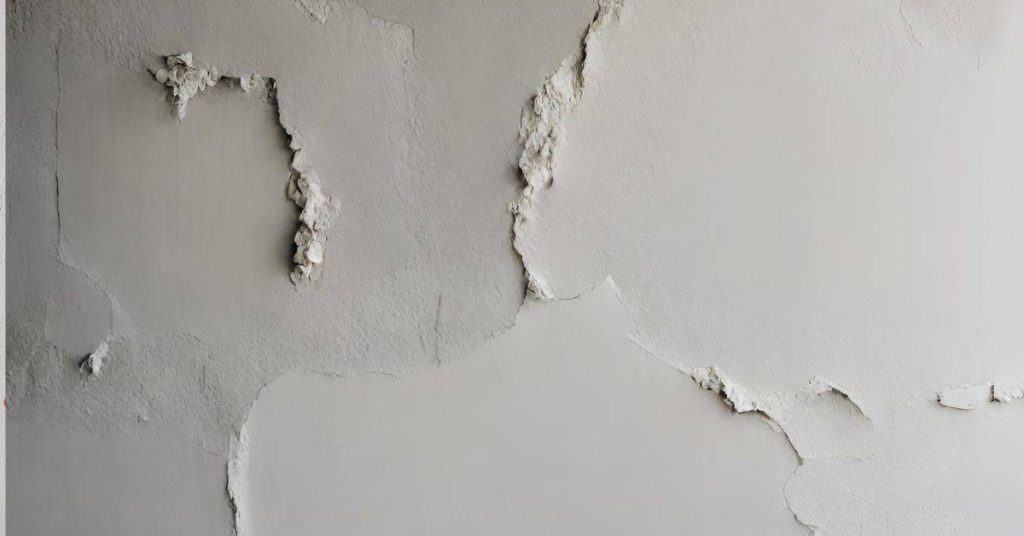
Introduction Feathering edges when blending new plaster into old makes the patch disappear. You’ll learn how to feather edges for a seamless transition, what materials and techniques work best, and practical tips for matching texture and color so repairs look like part of the wall. Key takeaways Assess patch area, feathering only when old plaster […]

Blending New Plaster into Old: Feathering Edges so the Patch Disappears Read More »
Flattening a Wall for Tile: the “before Tile” Step That Prevents Lippage

Flattening a Wall for Tile: the “before Tile” Step That Prevents Lippage

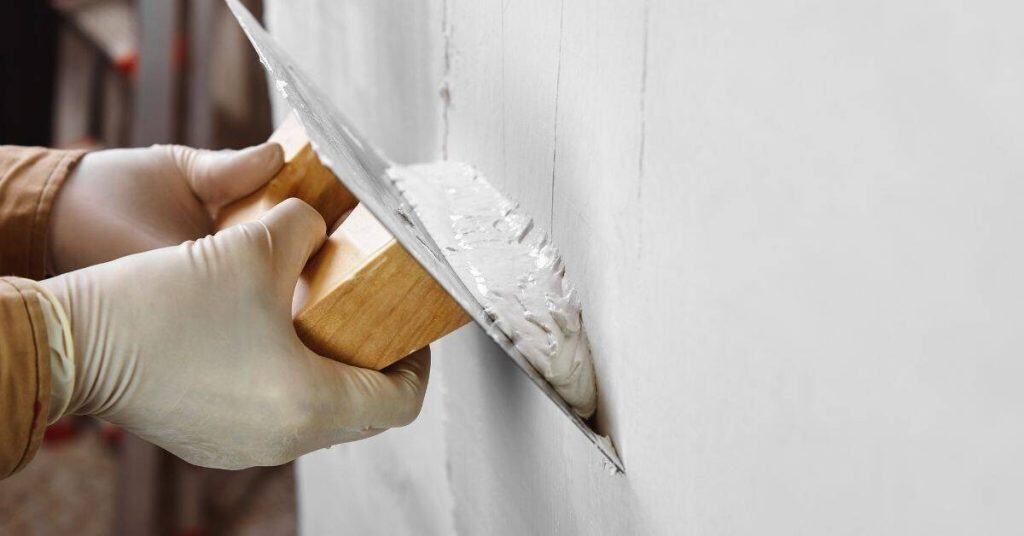
Introduction Flattening a wall before tiling prevents lippage and creates a flat, durable tile surface. In this guide you’ll learn how to assess wall flatness, identify common high and low spots, and apply practical steps to bring every area to level before you lay tile. The approach covers simple checks, common techniques, and ways to

Flattening a Wall for Tile: the “before Tile” Step That Prevents Lippage Read More »

Gravel Base Thickness for Patios: Choosing 4″ or 8″ with Real Examples

Gravel Base Thickness for Patios: Choosing 4″ or 8″ with Real Examples

Introduction Gravel base thickness for patios should be 4 inches for standard light-use patios and 8 inches where soils are soft or loads are higher. You’ll learn practical guidelines, real-world examples, and simple steps to choose the right thickness for your site. Key takeaways 4-inch bases suit small patios with light loads and compacted soil.

Gravel Base Thickness for Patios: Choosing 4″ or 8″ with Real Examples Read More »

Expansion/Movement Joints: Where to Leave Gaps and How to Finish Them Cleanly

Expansion/Movement Joints: Where to Leave Gaps and How to Finish Them Cleanly

Introduction Leave proper gaps at expansion and movement joints to accommodate building movement and prevent cracking. This introduction explains how to choose appropriate gap sizes, where joints belong, and how to finish them cleanly with durable sealants and proper detailing. You’ll learn practical tips, common mistakes to avoid, and a straightforward approach to creating joints

Expansion/Movement Joints: Where to Leave Gaps and How to Finish Them Cleanly Read More »

Flashing and WRB: the Seasonal Pattern of Spring Showers That Tests Your Home’s Defense

Flashing and WRB: the Seasonal Pattern of Spring Showers That Tests Your Home’s Defense

Introduction Flashing and WRB define how seasonal spring rain can test a home’s weatherproofing and structural defenses. The article explains why this matters for your home and walks you through practical steps to assess, seal, and maintain flashing and WRB details, with tips and rules of thumb to prevent leaks. You’ll learn what signs to

Flashing and WRB: the Seasonal Pattern of Spring Showers That Tests Your Home’s Defense Read More »

Why Painting over Efflorescence Is the Myth That Keeps Sucking Life from Concrete Walls

Why Painting over Efflorescence Is the Myth That Keeps Sucking Life from Concrete Walls

Introduction Painting over efflorescence is not a real fix for moisture and can trap water inside concrete walls. In this guide you’ll learn how to recognize moisture issues, properly prepare the surface, choose breathable coatings, and apply a treatment plan that prevents future efflorescence. The steps and tips provided aim to give you practical, durable

Why Painting over Efflorescence Is the Myth That Keeps Sucking Life from Concrete Walls Read More »

Stucco Cracks: the Myth of ‘just Cosmetic’ Damage That Can Cost You Thousands

Stucco Cracks: the Myth of ‘just Cosmetic’ Damage That Can Cost You Thousands

Introduction Stucco cracks are rarely cosmetic and can signal costly structural or moisture issues. This guide explains why cracks matter, how to assess severity, and what steps you can take to prevent further damage. You’ll learn practical tips for inspection, signs to watch for, and the kind of expert advice to seek before repairs. Back

Stucco Cracks: the Myth of ‘just Cosmetic’ Damage That Can Cost You Thousands Read More »

The Hidden Moisture Culprit Behind Stucco Cracks (it’s Not What You Think)

The Hidden Moisture Culprit Behind Stucco Cracks (It’s Not What You Think)

Introduction Hidden moisture intrusion behind stucco is the primary cause of cracks, not normal settling. Understanding this shifts how you diagnose problems, prevent further damage, and choose safer repair methods. The guide walks you through simple checks, practical tips for moisture control, and common-sense rules of thumb to protect your stucco walls. Back to top

The Hidden Moisture Culprit Behind Stucco Cracks (It’s Not What You Think) Read More »

Efflorescence Remediation: the Simple Cleaning Method That Most Diyers Overlook

Efflorescence Remediation: the Simple Cleaning Method That Most Diyers Overlook

Introduction Efflorescence remediation is a simple cleaning method that most DIYers overlook. This article explains why the white salt deposits appear and how a practical approach can restore masonry without harsh scrubbing. You’ll learn the basic steps, common tips, and best practices to prevent recurrence so you can tackle the problem confidently. Key takeaways Identify

Efflorescence Remediation: the Simple Cleaning Method That Most Diyers Overlook Read More »